Home » Health » Ash tree leaves: traditional uses, infusions and cautions
Ash tree leaves: traditional uses, infusions and cautions
·
2
The ash tree is better known for its timber than its leaves, yet it is the leaves that country herbalism has always picked. Gathered young, boiled briefly and drunk as a bitter tea, or steeped in white wine, they belong to an old European tradition of spring drinks. Here is what ash is, how the leaves are prepared, and who should leave them alone.
Recognising the tree
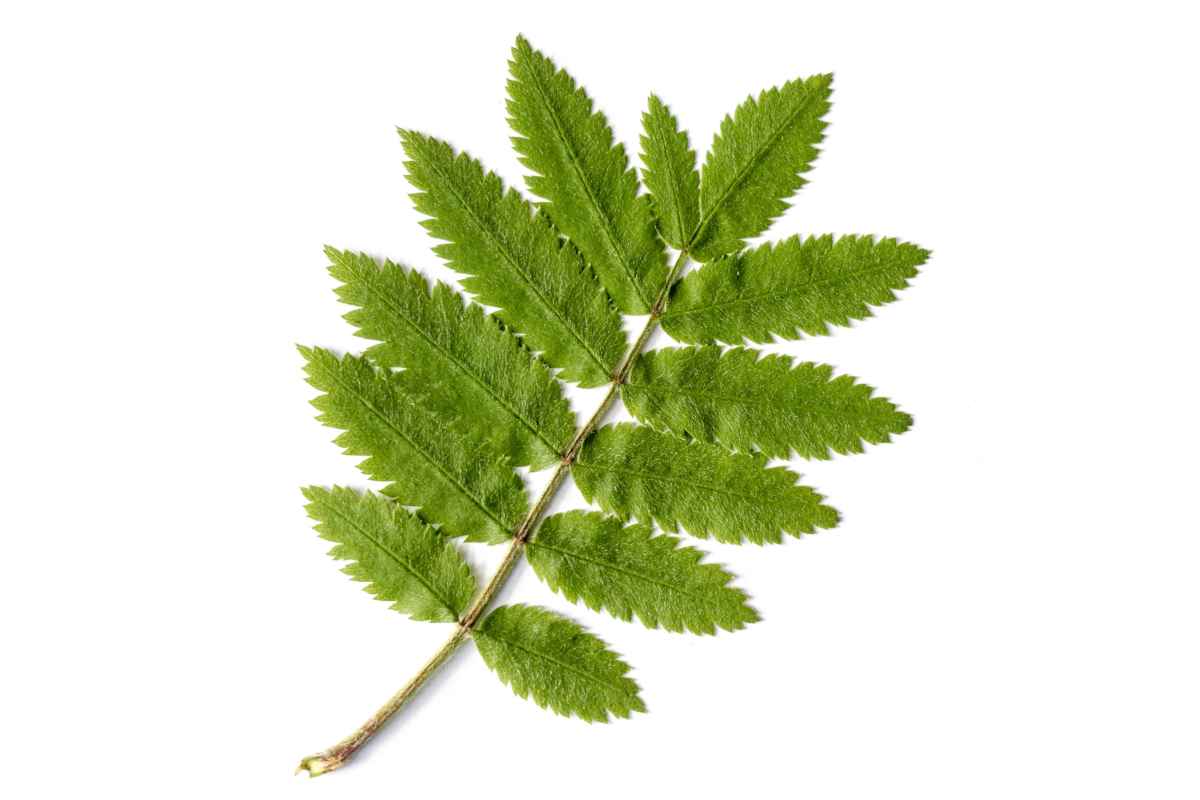
Compound leaves: a central stalk carrying several pairs of pointed leaflets, opposite one another.
Bunches of dry winged fruits, the keys, nicknamed “bird tongues”.
Smooth pale grey bark on young trees, ridged with age.
Stout, matt black buds in winter — the easiest single clue.
Common across temperate Europe, Asia and North America, on cool, deep, clayish soil that drains freely.
Leaves above all; bark and young keys in older country practice
Forms of use
Infusion, leaf wine or tincture, warm compress, flavouring for marinades
Harvest season
Leaves late spring to midsummer, while still soft; young keys in late summer
Taste
Frankly bitter, slightly astringent, cooling on the finish; manna exudate sweet
What it is credited with
Traditional herbalism treats ash leaf tea as a spring drink for “flushing through”, valuing it as gently laxative and diuretic.
European folk practice long placed ash leaf infusions among the drinks taken alongside a lighter diet, for their reputation of encouraging the passing of water.
Country herbalism has a long reputation for ash leaf compresses laid on stiff, aching joints, and for the leaf wine drunk in the same context.
Old herbal practice paired ash leaves with blackcurrant leaves, which naturopathy credits with a similar role in the comfort of joints and suppleness of movement.
In traditional practice, the bark of white ash was used in women’s remedies for monthly discomfort.
In the kitchen, the bark is edible, the young leaves are described as refreshing, and the young keys were pickled or dropped into marinades for their bitter edge.
In folklore, black ash leaves were carried as a charm against snakes. Legends even reminisce that snakes avoided crawling near the tree, to the point of trying to avoid the shade it projected on the ground! This is story, not first aid — see the cautions.
How to use it
Harvesting
Pick the leaves from late spring to midsummer, choosing soft, unblemished leaflets from the outside of the crown.
Strip the leaflets from the tough central stalk; that stalk is where much of the harshness sits.
Dry them flat, in the shade, in a single layer, until they snap rather than bend.
Take the young green keys in late summer, while still flexible and before they go papery.
The infusion
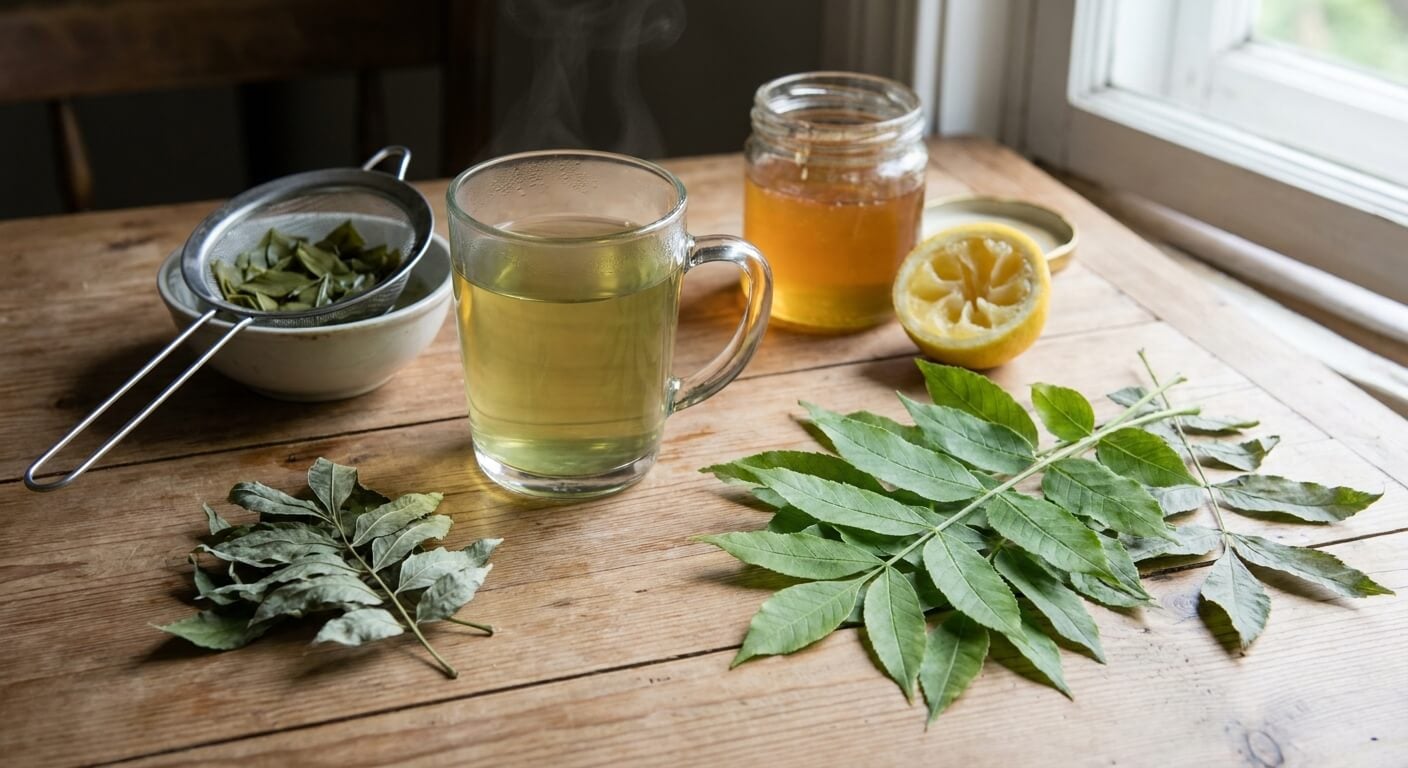
Count a generous handful of fresh leaves — or half that dried — for a litre of water.
Bring to the boil briefly: tradition says this first boil takes the worst of the bitterness out.
Take it off the heat and let it stand about ten minutes, then strain.
A squeeze of lemon lifts it considerably; a little honey rounds off the edge.
Drink it warm or cooled, spread over the day rather than all at once. Treat it as a short seasonal drink, a week or two at a time, not a permanent habit.
The leaf wine
Steep a couple of handfuls of leaves in a bottle of dry white wine.
Cover, keep in the dark and leave for a few days, shaking it once a day.
Strain, bottle, keep cool, and pour it in small glasses as an aperitif-style bitter.
A tincture works the same way with clear spirit, and keeps far longer.
The compress
Boil a good handful of leaves, then turn the heat right down and let them steep about a quarter of an hour.
Lift the soft leaves out and let them cool to comfortably warm — never hot on skin.
Lay them over the stiff area, hold with a cloth, and leave for fifteen to twenty minutes.
Do not apply to broken, weeping or inflamed skin.
In the kitchen
Young keys, blanched then packed in vinegar, flavour marinades much as capers do.
Manna ash exudate was once used to sweeten food, and children were given it as a sweet.
A few young leaflets, finely shredded, add a bitter note to a robust salad — use them sparingly.
Forms of ash leaf preparation compared
Form
How it is made
What it is used for in tradition
Infusion
Handful of leaves per litre, boiled briefly, steeped ten minutes
The classic spring drink; reputed to encourage the passing of water
Leaf wine
Two handfuls of leaves steeped in a bottle of white wine for a few days
A bitter tonic drink taken in small glasses
Tincture
Leaves covered with clear spirit, strained after two to three weeks
Long-keeping form, taken by drops in water
Warm compress
Leaves boiled then steeped a quarter of an hour, applied warm
Traditionally laid on stiff, aching joints
Pickled keys
Young green keys blanched and kept in vinegar
Culinary flavouring for marinades
Frequently Asked Questions
The one thing to remember: pick soft ash leaves from late spring to midsummer, boil them briefly, steep ten minutes and drink the bitter tea with a squeeze of lemon — as a short seasonal drink, not a daily habit.
The classic spring drink: handful of leaves per litre
Which part of the ash tree do I actually use?
The leaves, above all — the individual leaflets, stripped from the tough central stalk. Country practice also used the bark, which is edible, and the young green keys as a culinary flavouring. The leaves are the part listed in the French pharmacopoeia and the part sold dried in herbal shops.
What does ash leaf tea taste like?
Frankly bitter, a little astringent, with a cooling finish. The first short boil is there to soften that bitterness. Lemon juice helps a great deal, and blending it half and half with blackcurrant leaves makes it much more drinkable.
When should I pick the leaves?
From late spring to midsummer, while the leaflets are still soft and unmarked. Later in the season they toughen and grow harsher. Young keys for pickling come in late summer, while they are still green and flexible.
Can ash leaves be used for a snakebite?
No. The idea comes from folklore — legends even claimed snakes avoided crawling near the tree and shunned its shade. Snakebite is a medical emergency and needs professional care immediately; nothing prepared from leaves substitutes for it.
Who should avoid ash leaf preparations?
Anyone pregnant or breastfeeding, children, and anyone with kidney trouble or a tendency to dehydration. If you take diuretics, blood pressure medication, lithium or any regular prescription, check with a healthcare professional first. People allergic to other Oleaceae, such as olive or privet, should be cautious too.
This information is provided for general interest and reflects the traditional use of plants. It is not a substitute for medical advice. If you are on medication, pregnant, or in any doubt, ask a healthcare professional.
Written by Gaspard Lorthiois | Loves helping out, especially when it comes to growing things. Worked in herbal medicine, runs a farm, and dabbles in tech. Master's degree and engineer.