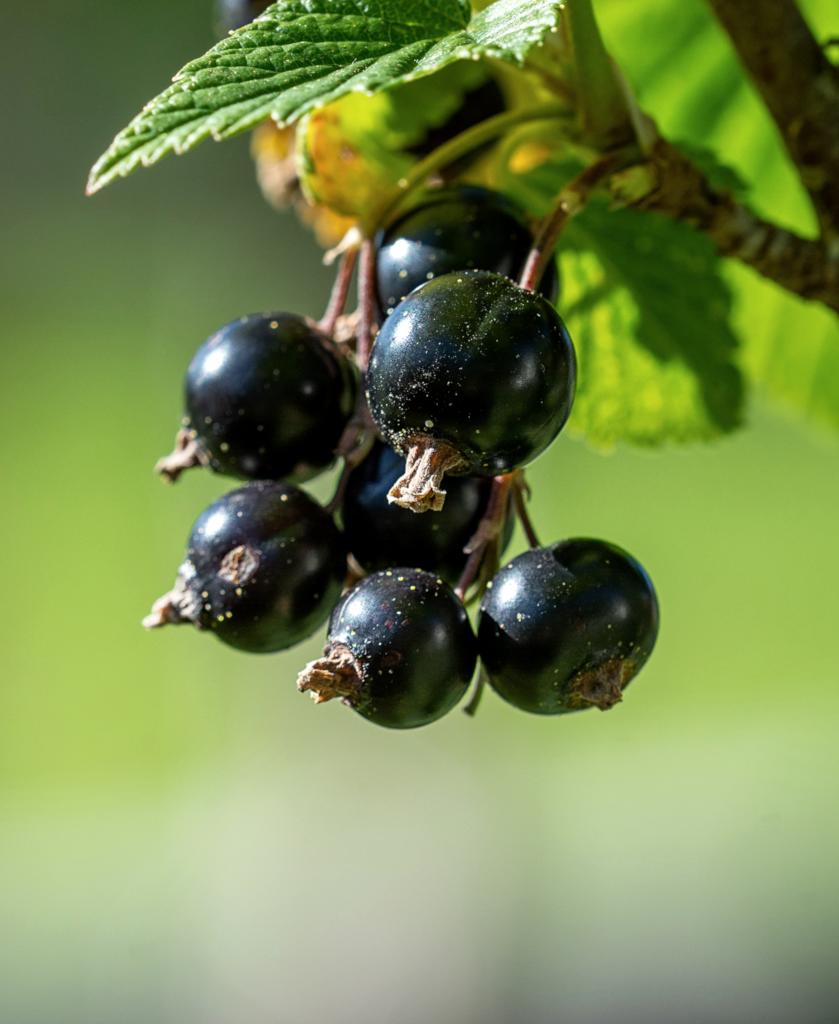
Black berries ripen through midsummer and late summer after a flowering in mid-spring: tangy eaten raw, but excellent cooked into pies, crumbles, jams and clafoutis. Blackcurrant (Ribes nigrum) is valued above all for its high vitamin C content, and it needs full sun to fruit well — give it that and the crop is generous.
| Name | Ribes nigrum |
|---|---|
| Family | Grossulariaceae |
| Type | fruit shrub |
| Height | 40 to 50 inches (100 to 120 cm) |
| Exposure | full sun |
| Soil | ordinary |
| Foliage | deciduous |
| Flowering | mid-spring |
| Harvest | midsummer to late summer |
Planting, pruning, and caring for blackcurrant, here is how you can boost the harvest.
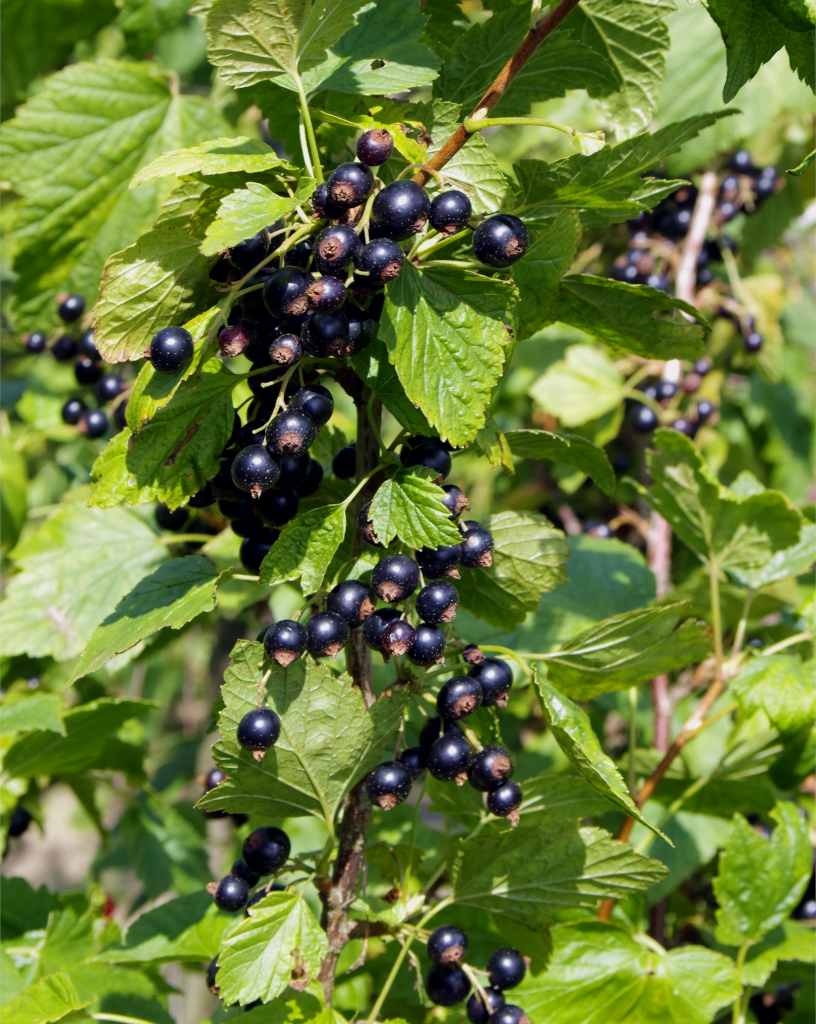
The planting phase of blackcurrant is an important part of the life cycle of your fruit bush because it determines future growth and harvest for the fruits.
If it was purchased with roots bared, you must plant it in fall and try to mingle different varieties to maximize fertilization.
Blackcurrant purchased in pots may also be planted in spring, taking special care to regularly water it at the beginning.
At the end of the winter, cut back old blackcurrant branches to about one-third and free some space in the center to create a bowl-like shape.
Finally, remove dead and fragile branches.
In spring, add fruit tree fertilizer to enhance fruit-bearing and blackcurrant harvest.
In summer, during heat waves or prolonged dry spells, water at the base without wetting the leaves.
Discover a video showing how to correctly prune blackcurrant
In France, only two blackcurrant varieties are grown. These are ‘Black Down’ (very productive) and ‘Noir de Bourgogne’ (Burgundy Black, one of the sweetest).
If you wish to experiment and enjoy more diversity, you may also opt for:
Two varieties dominate commercial growing in France, while a handful of others are worth planting for aroma or for a tangier fruit. Mixing several also helps pollination.
| Variety | Main strength | Taste or scent | Where it fits |
|---|---|---|---|
| ‘Black Down’ | Very productive | — | One of the two varieties grown in France |
| ‘Noir de Bourgogne’ (Burgundy Black) | Sweetness | One of the sweetest | One of the two varieties grown in France |
| ‘Royal de Naples’ | Aroma | Richly perfumed | For more diversity in the garden |
| ‘Black Edward’ | Very productive | — | For more diversity in the garden |
| ‘Boskoop Giant’ | — | Slightly tangy | For more diversity in the garden |
Planting more than one variety side by side is the simplest way to improve fertilisation and so the crop.
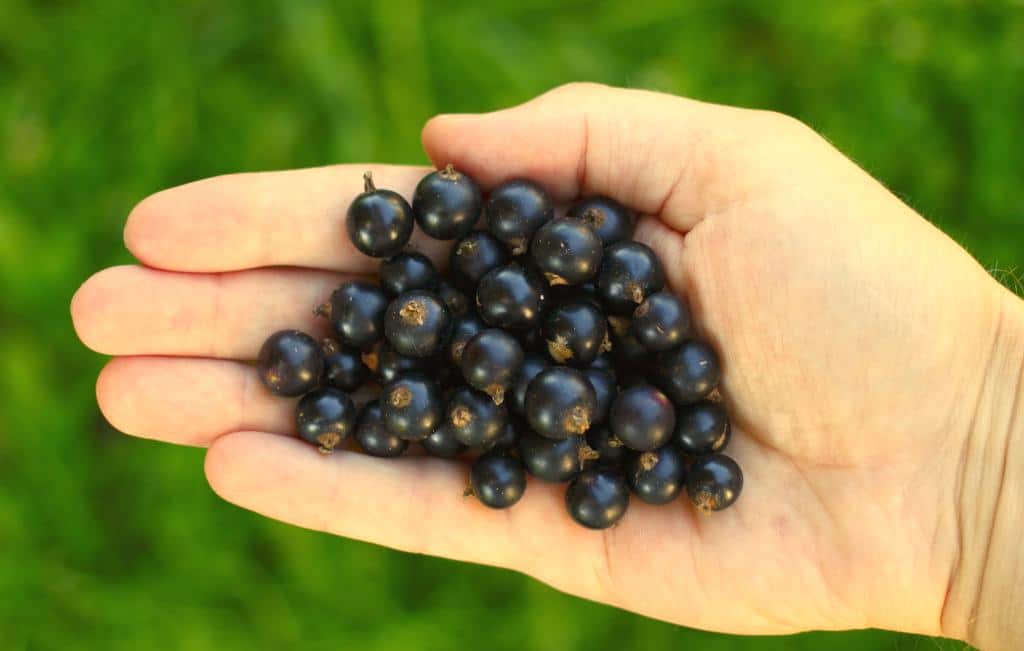
Be it during the mid-spring flowering season or during the summer fruit-bearing, blackcurrant bushes are appealing to the eye and are fine both planted as stand-alones and as a hedge.
This fruit shrub produces beautiful black berries that sweet-toothed persons like to savor in pies, crumbles, jams and clafoutis.
With a high Vitamin C content, blackcurrant is a must-have in the fruit shrub category.
Blackcurrant is most delicious by far once it is cooked, since it is often very tangy when eaten raw.
As an interesting side note, did you know that its buds produce an oil that is used to make perfume?
If you harvest blackcurrant, wait for the fruit to turn really black before picking it.