Home » Health » Black Radish: Traditional Uses, Preparations and Cautions
Black Radish: Traditional Uses, Preparations and Cautions
·
0
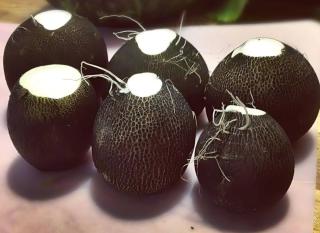
Black radish (Raphanus sativus var. niger) is the sharp, black-skinned winter root with snow-white, peppery flesh. It has been eaten and used since the days of the Pharaohs. This page sets out what the root contains, what herbalists and naturopathy credit it with, how to prepare it as juice, syrup or grated salad, and who should leave it alone.
Black skin, white peppery flesh: the whole root is the part used
Black radish at a glance
Item
Detail
Botanical name
Raphanus sativus var. niger
Family
Brassicaceae (cabbage and mustard family)
Part used
The root, fresh or dried; the fresh juice
Forms of use
Raw grated or sliced, fresh juice, syrup, decoction of dried root, cooked as a vegetable
Harvest season
Mid-autumn to early winter, before hard frost
Taste
Hot, peppery, mustard-like; sharper at the skin, milder at the core
Keeping
Several weeks in damp sand in a cool, dark place
What it is credited with
Bitter digestive root. Traditional European herbalism classes black radish among the bitter, pungent roots taken before or after a heavy meal to ease a slow, bloated digestion.
Liver and bile “spring clean”. Naturopathy credits the fresh juice with stimulating bile flow, and it is a classic ingredient of the short seasonal detox cures popular in French and Central European folk practice.
Appetite. From the Middle Ages onwards, radish was recommended at table to stimulate a flagging appetite.
Winter coughs. Black radish syrup — the hollowed root filled with honey or sugar — is one of the best-known nursery remedies of the European countryside, traditionally given to loosen a rattly winter cough.
Water balance. Medieval herbals listed radish among the diuretic roots, given to encourage the flow of urine.
Refreshing and nourishing. The Egyptians valued radish as a cooling, sustaining food for field workers, and that reputation followed it through Greek and Roman kitchens.
On the skin. Folk practice used the fresh juice, well diluted, dabbed on sunburnt or reddened skin to take the heat out of it.
Everyday nutrition. Its folate and potassium content make it a useful winter vegetable when little else is coming out of the ground.
How to use it
Raw, grated or sliced
Peel the root — the skin carries most of the heat.
Grate or slice paper-thin, salt lightly, leave to stand 15–20 minutes, then drain the liquid that beads up. This tames the bite considerably.
Dress with cream, yoghurt, lemon, walnut oil or apple. A quarter of a root per person is plenty.
Fresh juice
Peel, chop and run through a juicer, or blend with a splash of water and strain through muslin.
The taste is fierce, so most people cut it with carrot or apple juice — roughly one part radish to three or four parts of the milder juice.
Naturopathic practice takes it in a small glass, before a meal, as a short course of one to three weeks — not as an everyday drink.
Start with a spoonful or two to see how your stomach takes it, and drink it freshly made.
The honey syrup (the nursery version)
Slice the top off a whole, washed root and hollow out a well in the flesh.
Fill the well with honey or brown sugar, stand the root in a glass, cover and leave overnight in a cool place.
By morning the well holds a dark, sweet-pungent syrup. It is taken a teaspoon at a time, and is the form traditionally offered for a scratchy winter throat.
Refill the well once or twice, then compost the root. Keep the syrup in the fridge and use within a couple of days.
Dried root decoction
Slice thinly and dry in a dehydrator or a very low oven until snappable.
Simmer a teaspoon of dried slices in a mug of water for 10 minutes, covered, then strain.
Traditionally drunk after the evening meal; the flavour is earthy and mildly peppery rather than hot.
Cooked
Heat destroys most of the pungency. Cubed and roasted, or simmered in a soup with potato and leek, it turns mild and slightly sweet.
Cooking is the answer for anyone who finds the raw root too aggressive on the stomach.
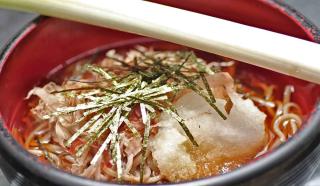
Salted and drained, thin slices lose much of their fierce bite
Choosing a form of black radish
Form
How it is prepared
Traditionally used for
Raw, grated
Peeled, grated, salted and drained, dressed with cream or oil
A pungent starter said to wake up the appetite
Fresh juice
Juiced or blended and strained, diluted with carrot or apple
The naturopathic short course for sluggish digestion and bile flow
Honey syrup
Root hollowed out, filled with honey, left overnight
The country remedy for a rough winter throat and cough
Dried root decoction
Dried slices simmered 10 minutes, strained
A gentler after-dinner digestive drink
Cooked vegetable
Roasted, or simmered in soup
Mild eating for sensitive stomachs
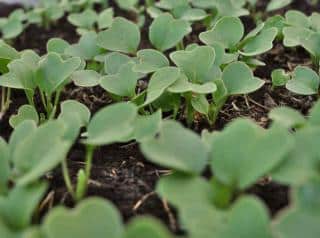
Deep, soft, humus-rich soil and full sun give the best roots
Frequently Asked Questions
The one thing to remember: peel, grate, salt and drain a quarter of a root tonight for a peppery winter salad — and keep the concentrated juice cures short, diluted and cleared with a professional if you have any gallbladder trouble.
Why is black radish so hot, and how do I calm it down?
The heat comes from sulphur compounds called glucosinolates, the same family that makes mustard and horseradish sharp. Peeling removes a good deal of it, since the skin is the fiercest part. Grating, salting and draining for 15–20 minutes softens the bite further, and cooking removes most of it altogether.
How do I make the traditional black radish syrup?
Slice the top off a washed root, hollow out a well in the flesh, and fill it with honey or brown sugar. Stand it in a glass, cover, and leave overnight in a cool place. In the morning the well holds a dark syrup, traditionally taken a teaspoon at a time for a rough winter throat. Never give honey preparations to a baby under one year.
Can I drink black radish juice every day?
Traditional naturopathic practice uses it as a short course of one to three weeks, in a small diluted glass before a meal, rather than as a daily drink. It is strong stuff and can irritate the stomach. Anyone with gallstones, a bile duct problem or any liver or gallbladder condition should speak to a healthcare professional before starting.
What does black radish taste like with?
Its heat wants fat and sweetness against it. Cream, thick yoghurt, butter on brown bread, walnut oil, grated apple, honey and smoked fish all work well. Roasted or simmered into soup with potato and leek, it turns mild and faintly sweet.
Lift roots from mid-autumn to early winter, before hard frost sets in. Covering the bed with horticultural fleece or clear plastic extends the picking. Store the roots unwashed in damp sand somewhere cool and dark, and they will keep for weeks.
This information is provided for general interest and reflects the traditional use of plants. It is not a substitute for medical advice. If you are on medication, pregnant, or in any doubt, ask a healthcare professional.
Written by Gaspard Lorthiois | Loves helping out, especially when it comes to growing things. Worked in herbal medicine, runs a farm, and dabbles in tech. Master's degree and engineer.