Few shrubs flower in this colour: soap bush (Ceanothus) covers itself in abundant blue bloom in spring, over evergreen foliage, and pink-flowered forms exist too. It suits seaside hedges or a standalone spot, and its honey nectar brings in bees — plant it in sun and light soil and it flowers generously.
| Name | Ceanothus |
|---|---|
| Family | Rhamnaceae |
| Type | shrub |
| Height | 6 ½ to 16 feet (2 to 5 meters) |
| Exposure | full sun, part sun |
| Soil | ordinary |
| Foliage | evergreen |
| Blooming | early to late spring (or summer), depending on the region or species |
Planting, pruning and caring for it are steps that will help you produce magnificent flowers and a properly developing soap bush.
Try putting your soap bush into a hedge or as as a standalone and it will surprise you!
Soap bush is preferably planted in a sunny or partly shaded spot but not in full shade or it wouldn’t bloom well.
In fall or spring, take care to plant it in light soil, because excess moisture could alter the proper growth of your soap bush.
At all costs, avoid planting soap bush during a time of freezing, or conversely, strong heat.
Ceanothus resents being moved once established, so choose its final spot with care rather than planning to shift it later.
Set the top of the root ball level with the surrounding soil, never buried deeper.
Space plants for a hedge about 3 feet (1 meter) apart, and avoid enriching the hole with manure since soap bush fixes its own nitrogen and flowers better in lean ground.
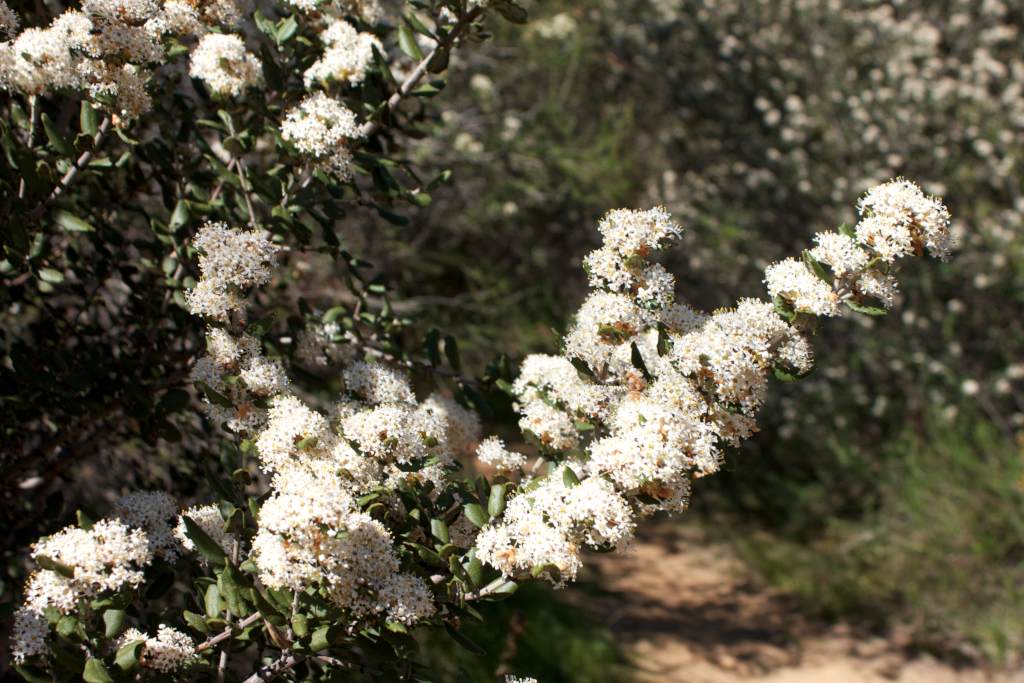
Eliminate wilted flowers and dried stems as you notice them, in order to spur the appearance of new flowers.
This step isn’t mandatory, but we highly recommend it, especially for smaller specimens.
If you wish to reduce the branches or reshape the shrub, take care not to prune at the end of winter but wait for the blooming to end.
For deciduous species, prune severely in spring those shoots grown in the previous year.
Never cut an evergreen ceanothus back into bare old wood, as it rarely reshoots from it.
Keep feeding light, because ceanothus fixes its own nitrogen and rich soil pushes out sappy growth that snaps in wind.
On wall-trained plants, shorten the sideshoots to a permanent framework and tie in new growth while it is still flexible.
Mulch over the root zone but leave the base of the stem clear, and avoid hoeing or digging nearby since the roots sit shallow.
Soap bush is not pruned the same way in every form. Check which of the three you are dealing with before the secateurs come out.
| Type | When to prune | How far to cut back |
|---|---|---|
| Evergreen ceanothus | Once the blooming has ended, never in late winter | Light only — never into bare old wood, as it rarely reshoots |
| Deciduous ceanothus | Spring | Severely, on the shoots grown the previous year |
| Wall-trained ceanothus | Once the blooming has ended | Sideshoots shortened to a permanent framework, new growth tied in while flexible |
In every case, removing wilted flowers and dried stems as you notice them encourages new flowers to appear.
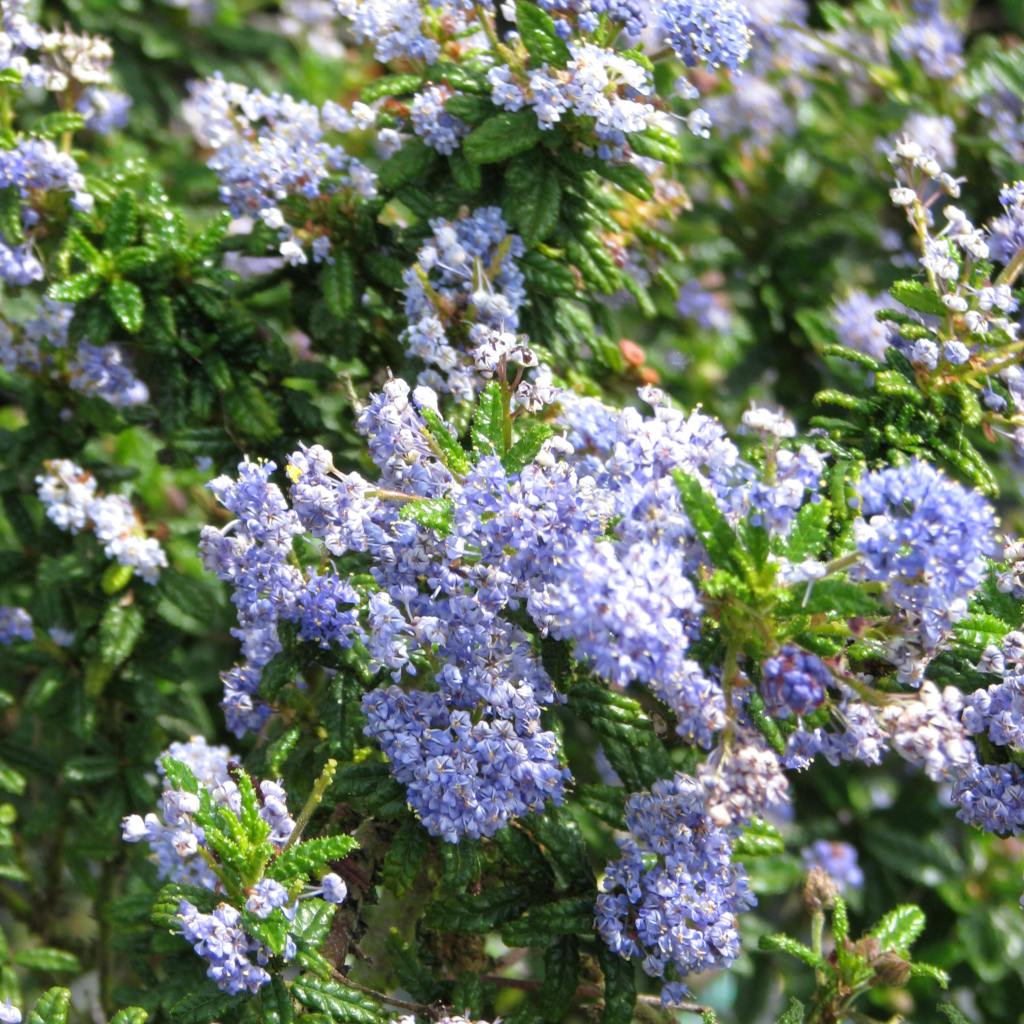
This shrub has an abundant blooming with blue as the major hue, which makes it unique among the shrubs that bloom in spring.
Pink soap bushes also exist, they are particularly densely-flowering and just as ornamental.
It is native to North America and adapts perfectly to any temperate climate, even though regular watering is a must during the first two years.
As regards creeping soap bush, it will suit rocky ground perfectly, or even serve as ground cover since it grows fast.
Finally, since it produces honey nectar, you’ll be enchanting the bees in your area that might be needing it and this raises the quality of your garden’s ecosystem.
Soap bush is hardy to the cold and must live outdoors, even in winter.
But its hardiness only goes down to 14°F (-10°C) and no further. It must thus be protected against the cold if it freezes hard in your area.
Waterlogged winter soil is a well-documented killer of Ceanothus (“soap bush”), which is why growers recommend sharply drained sites, though whether it claims more plants than frost is undetermined.
Deciduous ceanothus such as Gloire de Versailles shrug off cold far better than the evergreen types, so favour them where hard frosts are routine.
Plant it against a south or west-facing wall, which stores warmth and shields the shrub from cold drying winds that scorch the evergreen leaves.
Lift potted specimens onto pot feet so meltwater drains freely and the root ball is not sitting in an icy puddle.
Wait until the frosts are over before cutting out blackened, frost-damaged shoots, since the dead wood shelters the live buds behind it.
Actually, flowers and all other parts of the plant contain “saponin”. This is a molecule that is special and helps trap dirt and impurities:
Simply crush leaves, stems, or flowers together as you rub your hands underwater. Saponins will attach to dirt and wash out with water, leaving your hands spic & span clean!
In hedges or along a wall (that can be latticed eventually), soap bush is surprising and marvelous, thanks to its blooming which is a magnificent rare blue.
The creeping variety of this soap bush helps grow cute flower beds. The blooming truly brings attention to something normally considered insignificant: the ground!
It likes being in the sun!