Growing Scabiosa caucasica: expert tips and care guide
0
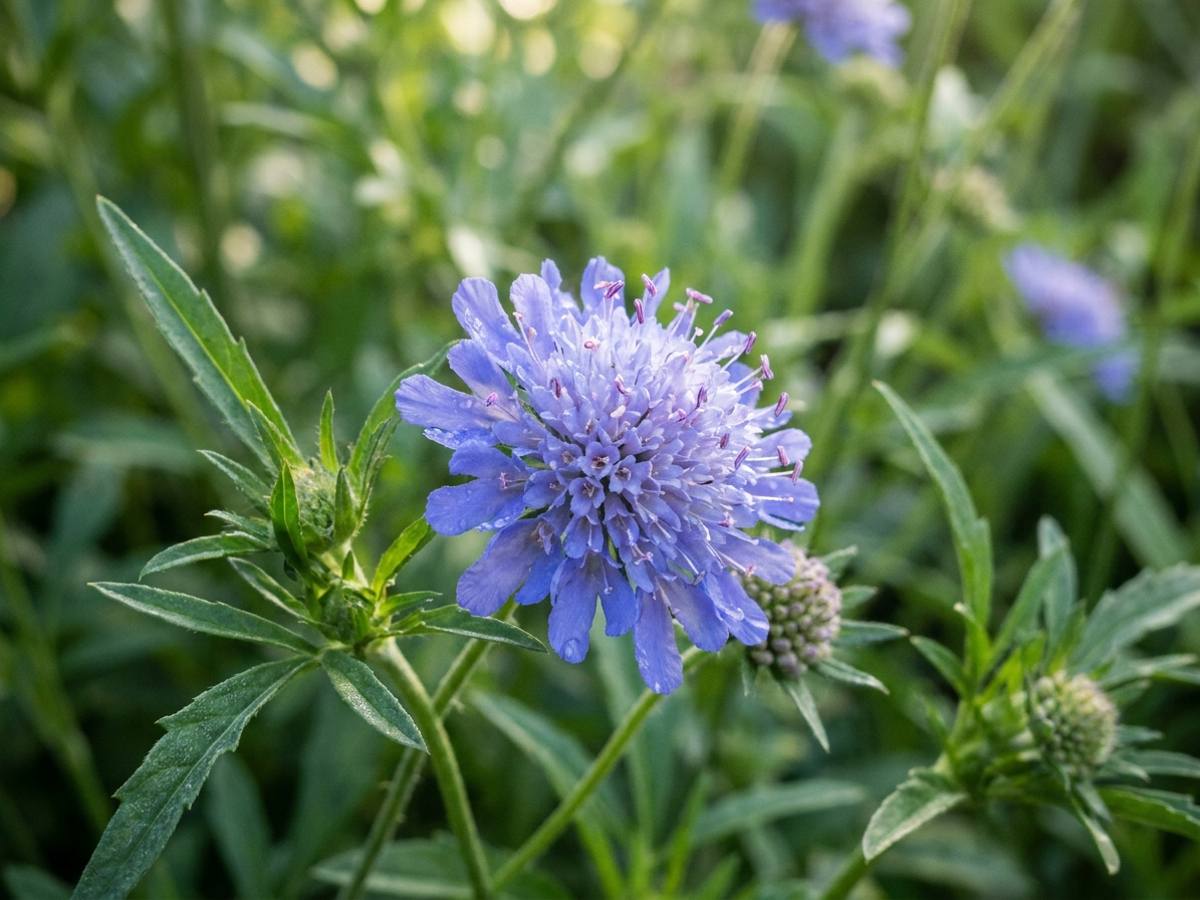
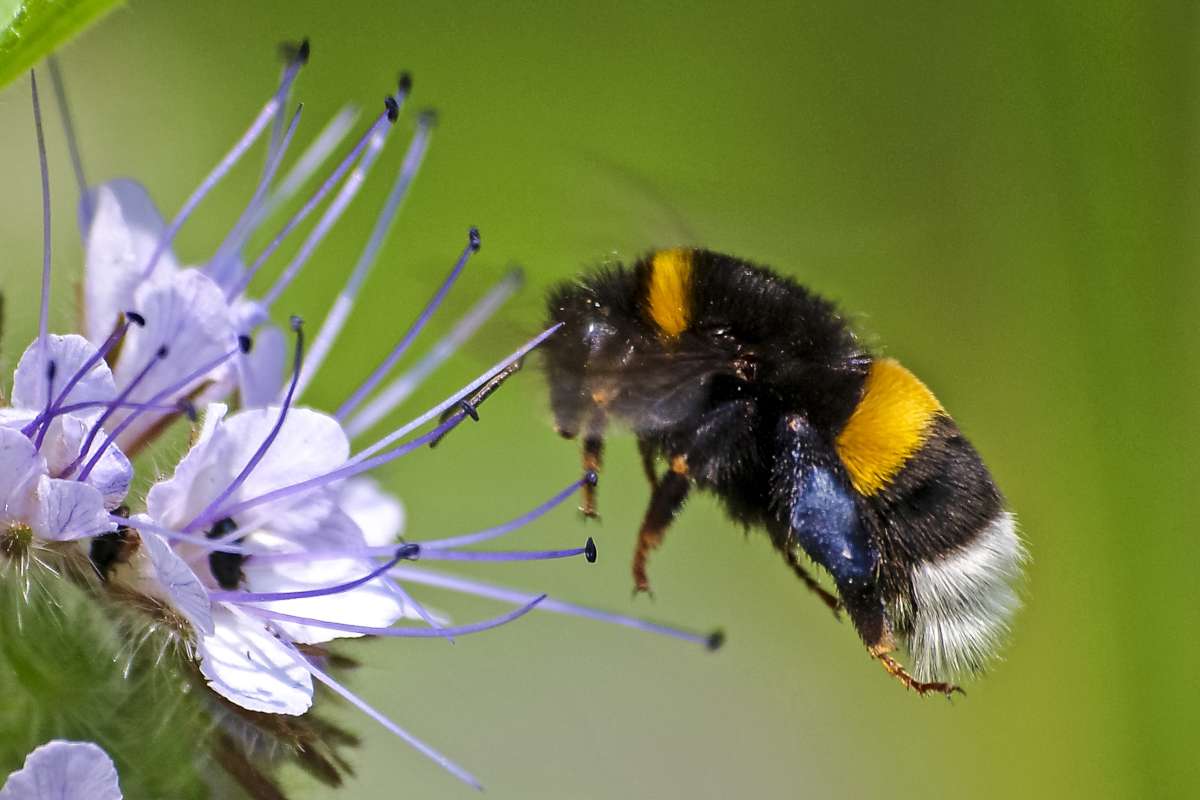
The Caucasian scabious is one of the great cottage-garden perennials, bearing wide, saucer-shaped flowers in soft lavender-blue, white or pale mauve on slender, wiry stems. It flowers for months on end if regularly deadheaded, making it invaluable for both borders and the cutting patch. Its pincushion centre, studded with pale stamens, is a magnet for bees and butterflies throughout summer.
Growing conditions
Give Scabiosa caucasica the sunniest, most open spot you have. It needs a minimum of six hours of direct sun to flower freely, and plants grown in shade become leggy, flop over and produce far fewer blooms. Good air circulation also helps keep the foliage free of mildew.
Drainage matters more than fertility. This is a limestone-country plant that resents wet, heavy soils, especially in winter, when waterlogging quickly rots the crown. Aim for a light, free-draining loam with a neutral to alkaline pH of 6.5–7.5; on clay, improve the planting area generously with grit and garden compost, or plant on a slight ridge.
It is genuinely hardy across most of Britain, northern Europe and much of North America, but is far more likely to die of winter wet than winter cold. In hot, humid summer climates, flowering may pause during the hottest weeks and resume as temperatures fall.
How to plant Scabiosa
Plant in spring, from March to May, so roots establish before the first winter — this is much safer than autumn planting on damp soils. Early autumn planting is fine only where drainage is excellent and winters are mild.
Space plants 40–45 cm apart; crowding traps humid air around the leaves and encourages powdery mildew.
Set the crown level with the soil surface, never buried, as sunken crowns rot in wet weather.
Fork a handful of horticultural grit and some well-rotted compost into the base of each hole; add garden lime to acidic soils.
Water in thoroughly after planting, then keep just moist for the first six weeks while roots take hold.
Divide established clumps in spring every three years, or take basal cuttings in April; named cultivars will not come true from seed.
Scabiosa caucasica growing in a naturalistic garden border
Care through the seasons
Spring: Cut away any tatty overwintered foliage as new grey-green rosettes appear, usually in March. Apply a light dressing of general-purpose fertiliser or a thin mulch of garden compost, keeping it clear of the crown. Slugs love the tender new shoots, so check regularly.
Summer: Deadhead relentlessly — snipping each faded flower back to a leaf joint is the single biggest factor in a long season. Water during prolonged dry spells, though established plants are reasonably drought-tolerant. Tall stems in exposed gardens may need discreet support from twiggy sticks or a ring stake.
Autumn: Allow the last few flowers to stand for pollinators, then tidy stems as they brown. Leave the basal rosette of leaves intact over winter, as it protects the crown. Avoid autumn division and hold off on heavy mulching, which can hold moisture against the neck of the plant.
Winter: Growth stops and the clump reduces to a low tuft of leaves. No protection is needed in most gardens, but a collar of grit around the crown helps shed water on heavier soils.
Best varieties to grow
A handful of long-established cultivars remain the most reliable and generous performers.
‘Clive Greaves’ — the classic soft lavender-blue with large, flat flowers; holds an RHS Award of Garden Merit.
‘Miss Willmott’ — creamy white blooms with a pale centre, superb for cutting and also an AGM holder.
‘Perfecta Alba’ — frilled, pure white flowers on strong stems, slightly later into bloom.
‘Fama Deep Blue’ — richer violet-blue with unusually sturdy stems, bred specifically for the cut-flower trade.
Pests, diseases and common problems
Powdery mildew: White dusty patches on leaves in humid or dry-rooted conditions; improve spacing, water at the base rather than overhead and remove affected leaves promptly.
Crown and root rot: Sudden collapse or blackened crowns caused by winter wet; lift and replant on a raised, grit-improved bed, and never mulch over the crown.
Slugs and snails: Shredded young rosettes in spring; clear debris nearby, use beer traps or apply organic ferric phosphate pellets around emerging growth.
🌿 Nature & Garden Newsletter
Gardening tips, recipes & seasonal advice, twice a week.