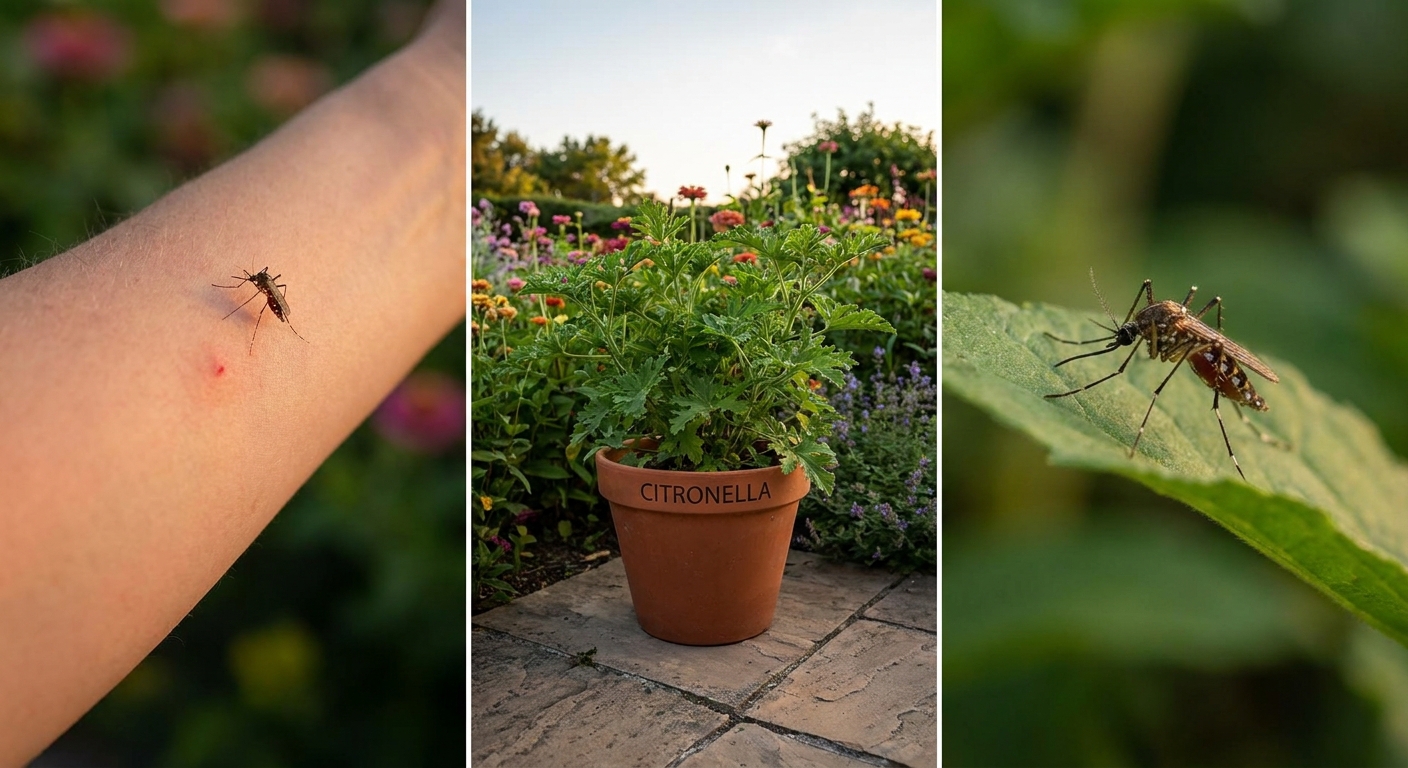
Yes and no — and the “no” is more important than most plant sellers don’t want you to know. Mosquito-repelling plants? They’re real, and the compounds in ’em genuinely deter insects. But a pot of citronella just sitting in a corner? It’s gonna do almost nothing. The difference between a plant that works and one that doesn’t comes down to how you release the scent — and almost nobody’s doing this right.
Lots of plants contain these volatile compounds — citronellal, linalool, limonene — that mosquitoes genuinely dislike. And this isn’t just garden folklore. Not by a long shot. Research published in the US National Library of Medicine confirms that when you crush or bruise plant material, it releases these compounds into the air. At concentrations that disrupt mosquito host-seeking behavior, too.
The key word there? It’s crushed. An intact, just-sitting plant releases almost no volatile compounds into the air around it. That mosquito drifting past your lavender pot? It isn’t repelled. It just doesn’t care. Full stop.
Honestly? Your garden’s gonna look nice and you’ll still get bitten.
A 2017 study from the University of Florida’s entomology department tested whole, unbruised plants outdoors and found essentially zero reduction in mosquito landings. None. They were right there, but the mosquitoes didn’t notice ’em. That’s the real gap between marketing and reality — and it’s a significant one if you’re out there getting eaten alive at 7 PM in June.
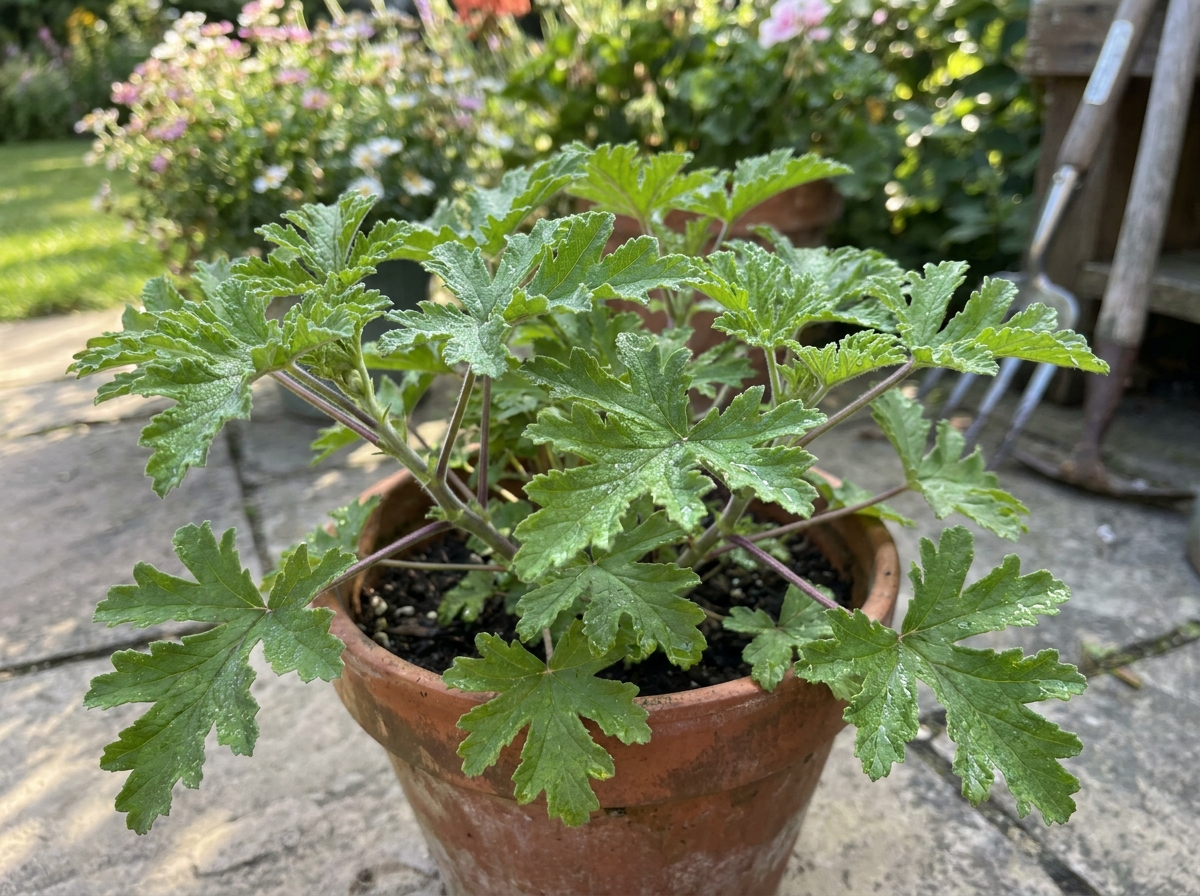
And there’s this mislabelling problem that frankly, it’s a right faff. The plant sold in almost every UK garden centre as “citronella plant” is Pelargonium citrosum — a pretty, lemon-scented geranium that’s got some effect when you bruise it. It’s not, I repeat, *not* the source of citronella oil. Real citronella grass? It’s gonna grow to about 1.5 metres and it won’t look anything like what you’ve been sold. It isn’t the plant’s fault, though — actually, no — it’s definitely the label’s fault. The growers are just pulling a fast one.
Grow ’em. Use ’em actively.
That’s it. Simple.
So, for context on how these plants fit into your wider summer garden pest strategy, it’s the same logic as with safer slug bait alternatives. Natural deterrents work, but they’ll only work when you really engage with them properly. Don’t passively hope they’re gonna do the job untouched.
If you’re still getting bitten even with these plants nearby, you’ve gotta run through this quick checklist.
And if your lavender’s struggling this summer, it’s definitely worth checking. A half-dead lavender plant won’t produce almost any linalool, which means it’s decorative at best. And utterly useless as a repellent.
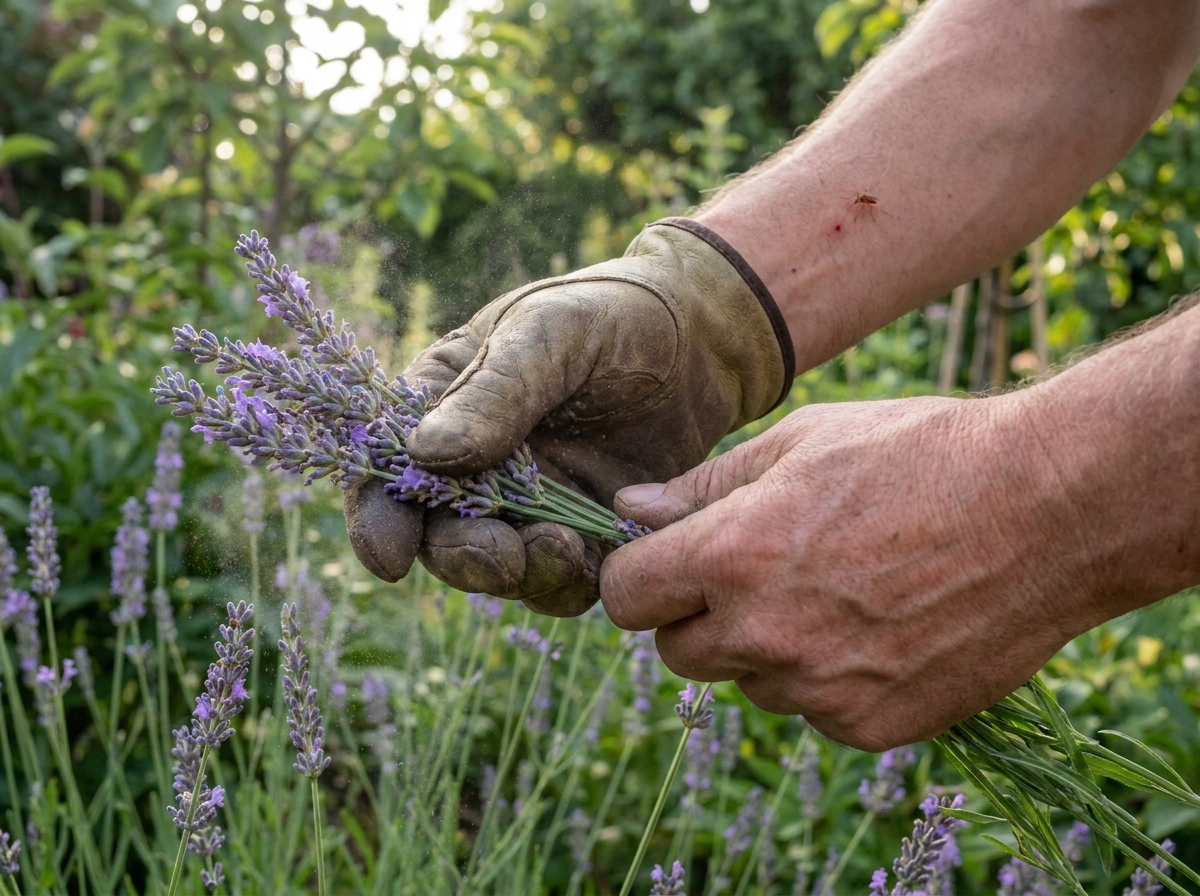
Smart tip: You’ve gotta crush those leaves and rub ’em on your skin — a beautiful, unbruised plant won’t repel a single mosquito. Ever.
Yeah, but only the oil released when you’ve bruised or crushed the plant — not the standing plant itself. That ‘citronella plant’ sold in most garden centres? It’s actually just a scented geranium, not true citronella grass.
Catnip (Nepeta cataria) has got some of the strongest research backing it up, with nepetalactone showing comparable short-term effect to DEET in controlled tests. Basil’s a close second, and it’s way easier to find, isn’t it?
As a first line of defence in a low-risk garden setting, sure. But in areas with mosquito-borne disease risk? No. Full stop. Plant-based repellents just wear off too quickly, and the coverage is totally inconsistent.
Mosquito activity usually drops sharply in your June–August winter, but indoor mosquitoes? They’re gonna be a year-round issue. These plants work just as well as potted indoor repellents — so keep some crushed basil near open windows in your warm rooms.