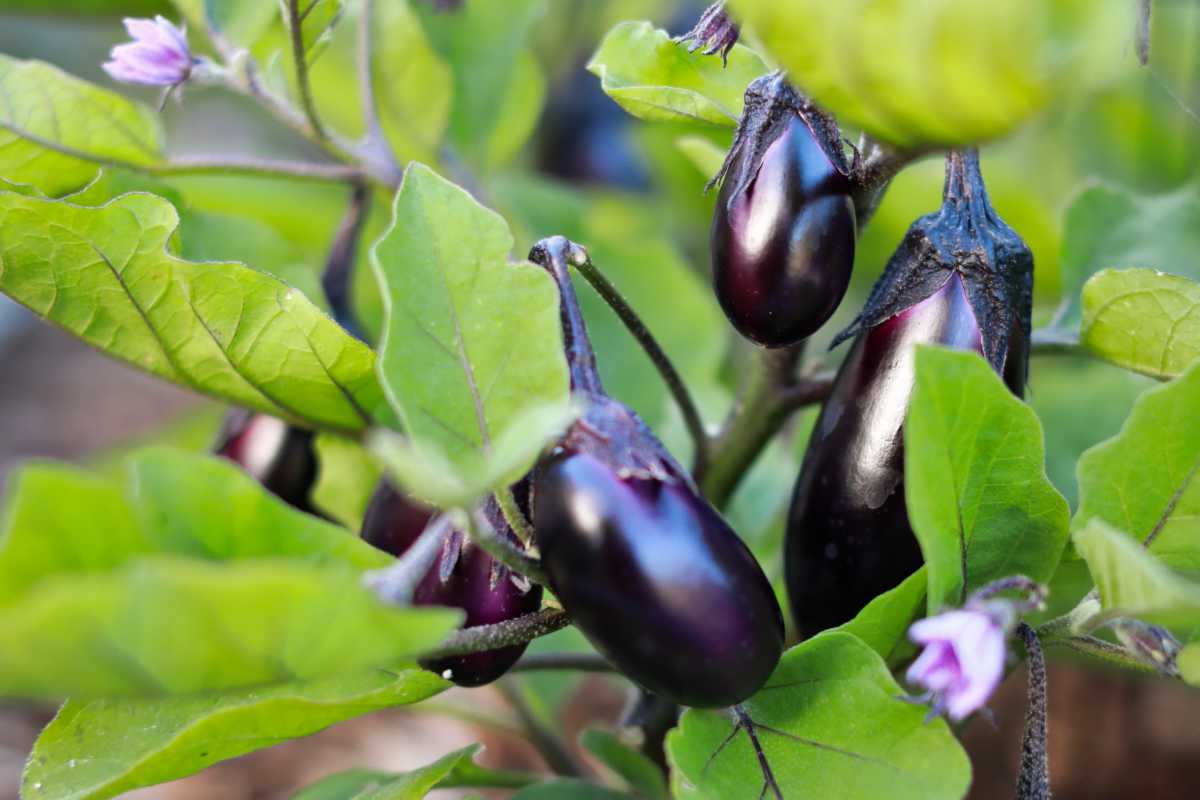
An easy veggie to grow, eggplant is a pleasure to eat as well. With its purple peel and white flesh, the summer-flavored fruit vegetable make our fests a true delight. Discover the most important step to grow this staple vegetable in your patch: planting.
Read also:
A summer vegetable? With good reason: it simply adores full sun! Eggplant needs a lot of sun exposure to ripen fully. Reserve all the warmest and sunniest portions of your garden for it, as long as it’s also a bit sheltered from wind. Just like tomato, eggplant appreciates rich, cool soil that drains well.
A south-facing wall or fence is an ideal backdrop, since it stores daytime heat and releases it at night.
Where summers are short and cool, grow eggplant under a greenhouse or polytunnel, because without that extra heat the fruits rarely swell and ripen.
Steer clear of frost pockets and heavy, waterlogged clay.
Sow your eggplant seeds under shelter as early as early spring-mid-spring. To transfer your seedlings (or young plants purchased in nursery pots) to the ground, you must wait for the end of all freezing. Usually, this is around late spring, but the exact date depends on where you live.
Eggplant seed needs warmth to germinate, so keep the cold frame or propagator at roughly 75 to 85°F (24 to 29°C) until sprouts appear, since cooler soil slows and reduces germination.
Harden seedlings off over a week or so, setting them outside for longer each day before they go in the bed.
Cold soil stalls eggplant, so wait for warm nights rather than the calendar.
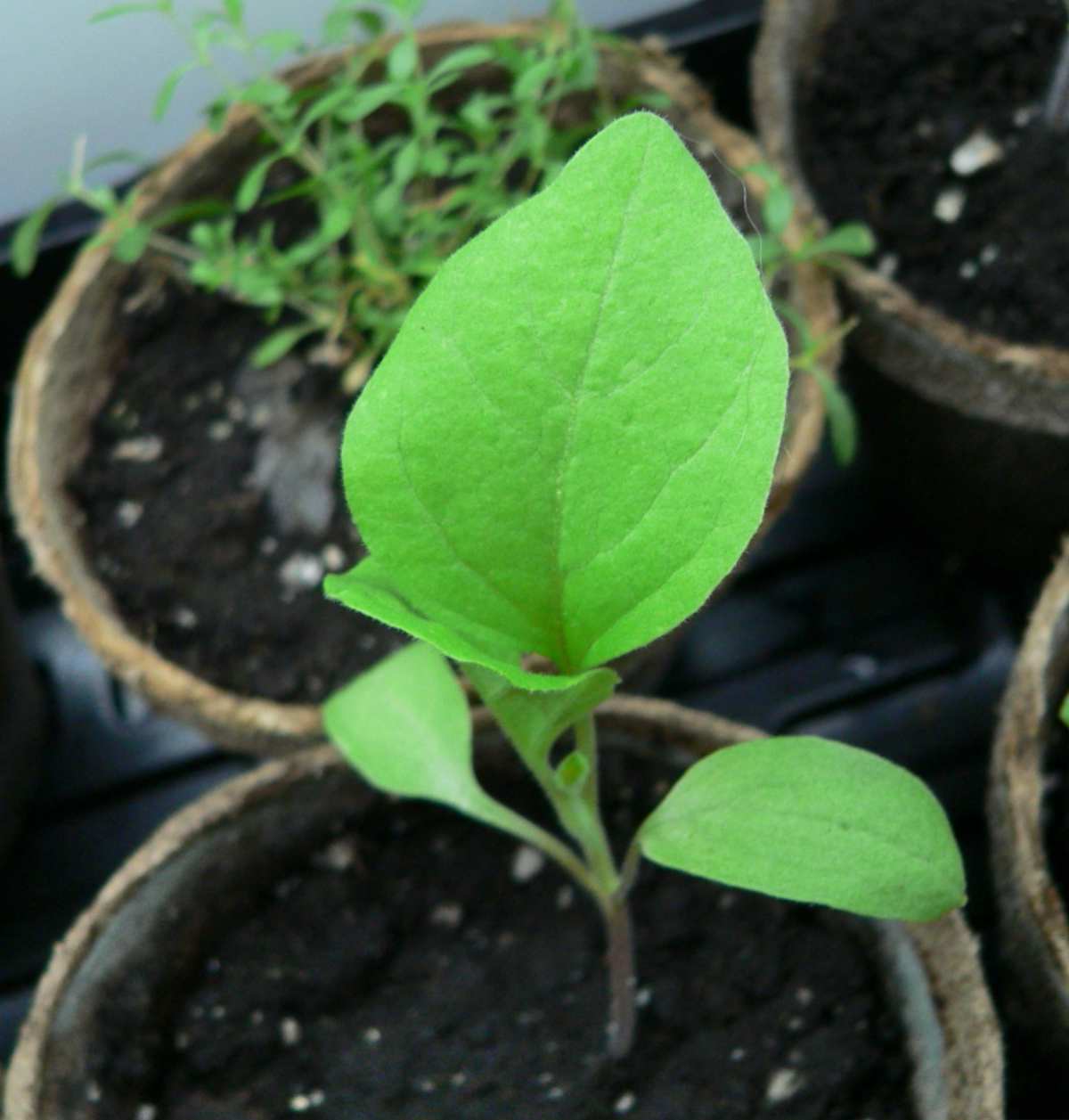
You can buy seeds directly, or keep them from one year to the next. This only works for true-to-seed varieties. In order to get seedlings that are ready to transplant late spring, you need to start your sowing early spring-mid-spring, under a cold frame.
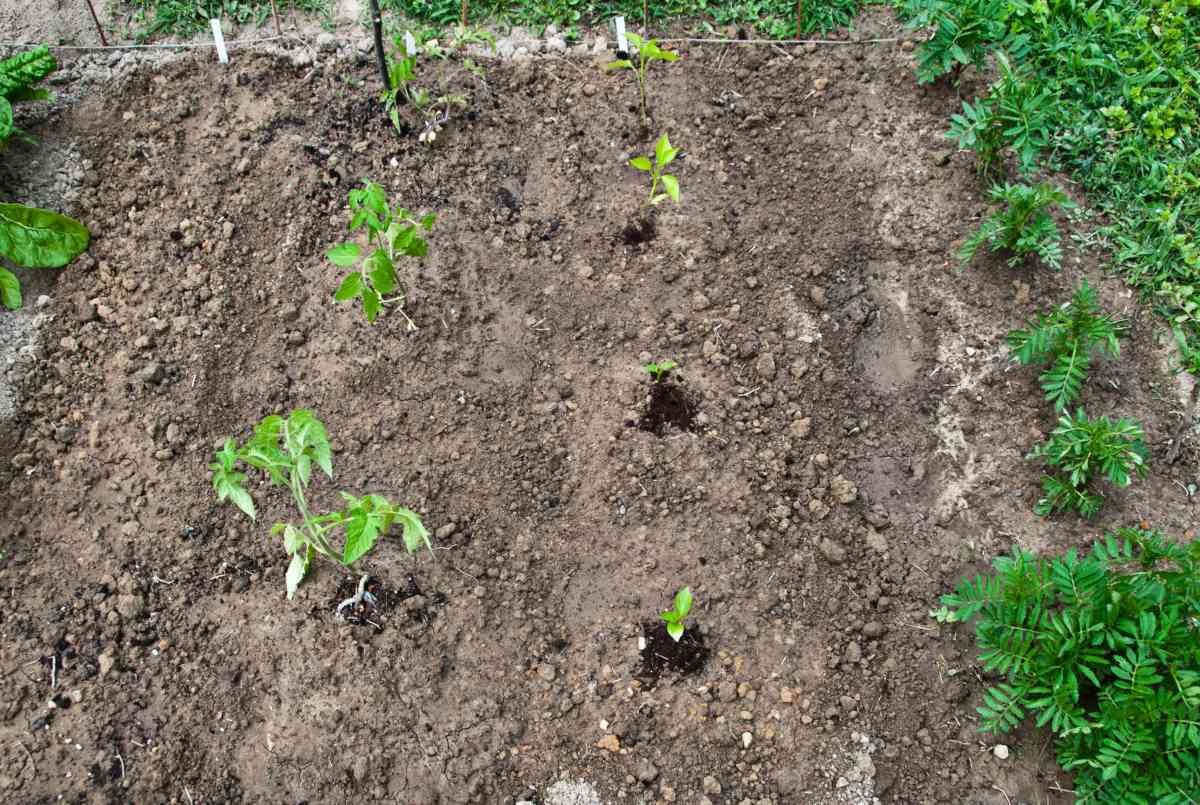
Didn’t come around to sowing your seeds early in a sheltered spot? Don’t panic, it’s still OK to sow directly in the ground.
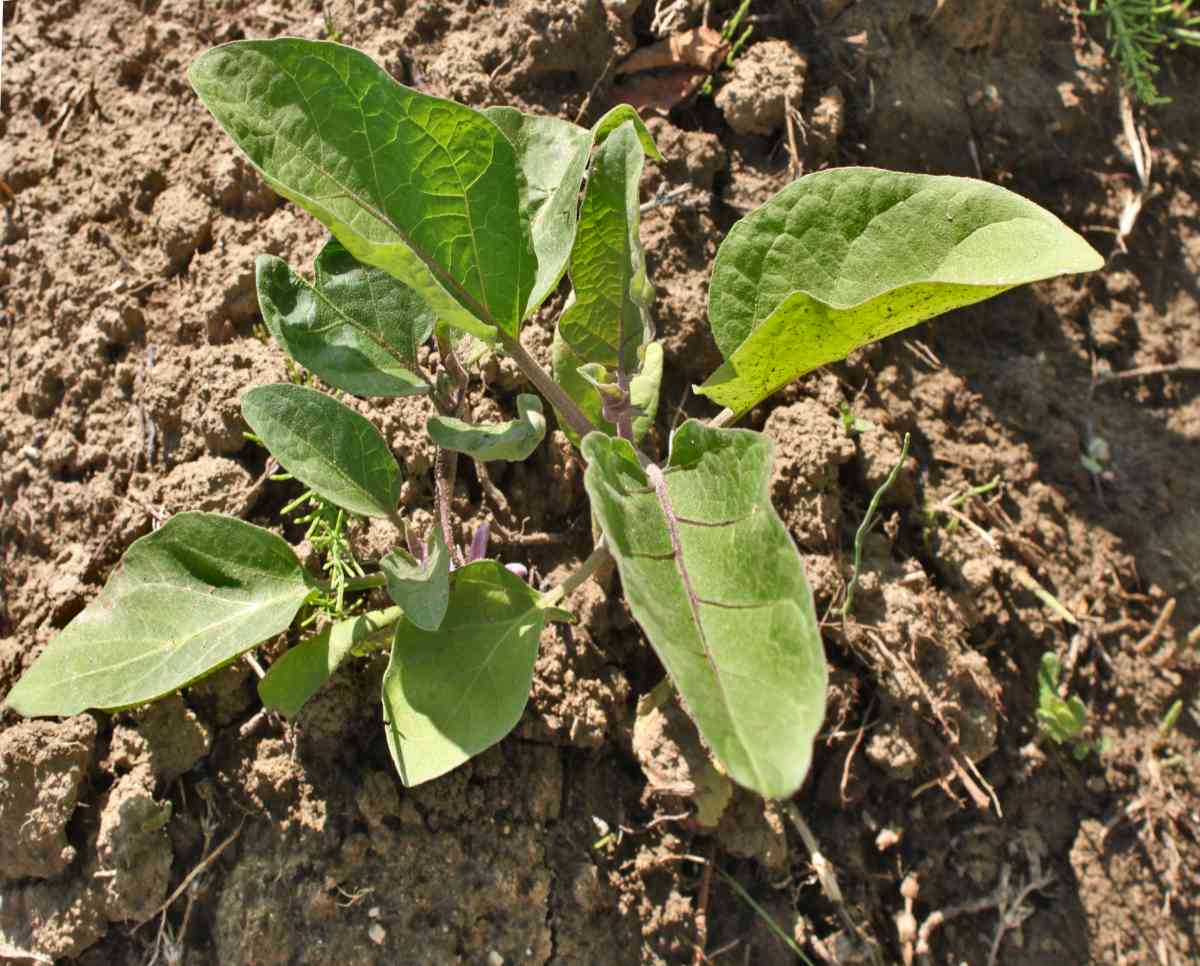
All right, no more freezing in the weather forecast! Finally the time has come to transplant your new eggplant seedlings! If you buy trays of seedlings in garden stores, make sure you plant the best and lushes seedlings first. Avoid planting that have yellow spots or collapsing stems. Take a minute to check on the root system: roots should be white or cream-colored, and shouldn’t twist round and round inside the pot.
It is perfectly possible to grow eggplant in a pot. Use, if this is the case, a pot that is at least 2 feet (60 cm) across (diameter).
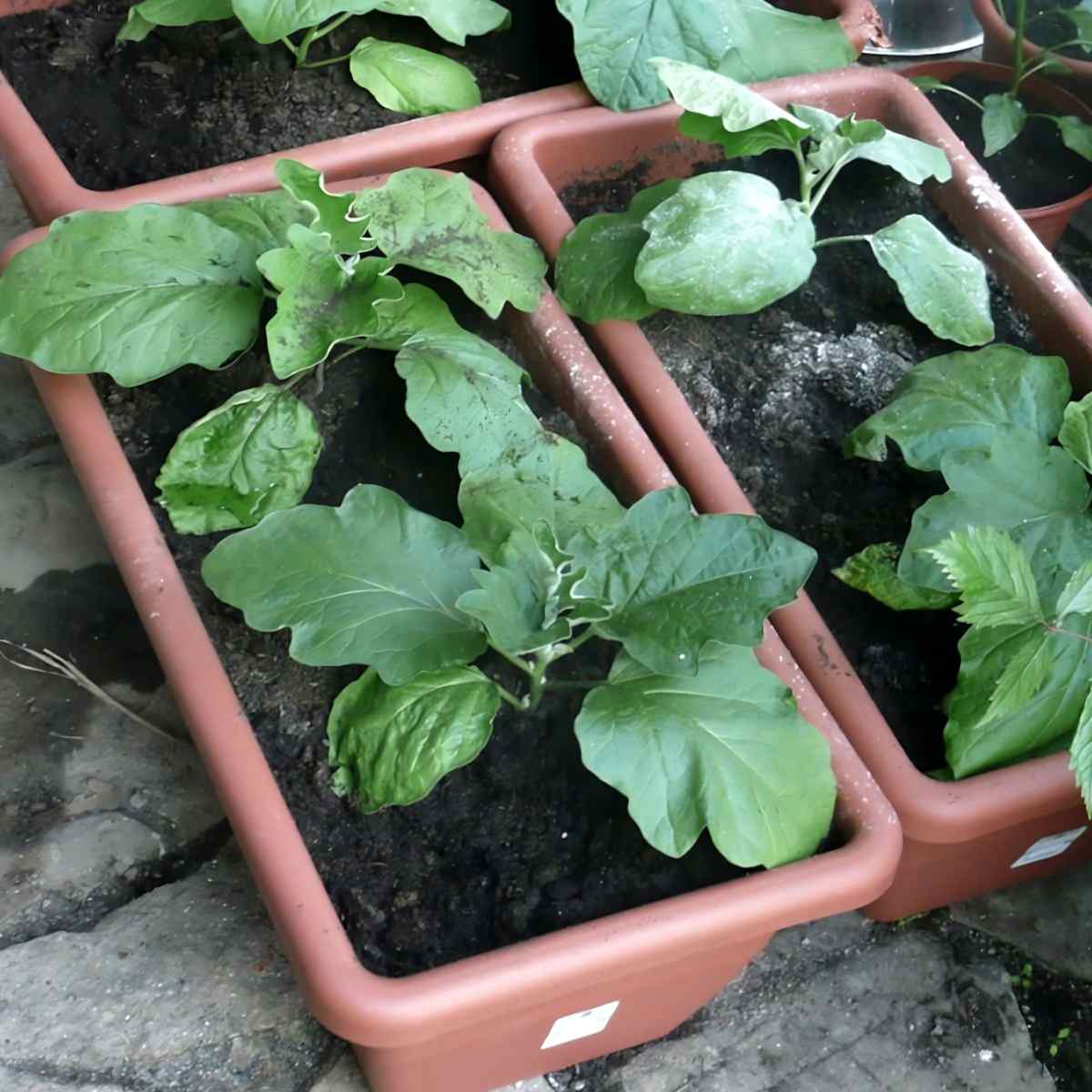
Eggplant can be started under cover, sown straight into the bed, transplanted as young plants or grown in a container. Here is what each route asks of you.
| Method | When | Spacing or container | Key point |
|---|---|---|---|
| Sowing under shelter | Early to mid-spring | Nursery pots, 2 to 3 seeds each | Needs a cold frame; keep pots until the last frost has passed |
| Direct sowing in the bed | Late spring, once freezing has ended | Furrows 1 in (2-3 cm) deep, 1½ ft (50 cm) apart | The catch-up option if early sowing was missed |
| Planting seedlings in the ground | Late spring, after the last frost | 20 in (50 cm) to all sides | Work in plenty of compost, up to half the soil |
| Planting in a pot | Late spring, after the last frost | Pot at least 2 ft (60 cm) across | Drainage hole, clay pebbles and a mulch to slow evaporation |
Whichever route you take, plants only go out once all risk of freezing is over.
Planting carnation before or alongside eggplant is recommended. This flower helps repel whitefly and nematode pests. Ideally, try to plant eggplant after growing Allium (garlic, shallot, onion, leek), corn, lawn grass and green manure. However, avoid growing onion and potato in the vicinity of eggplant.
Leave three to four years before eggplant returns to a bed where it has already grown.
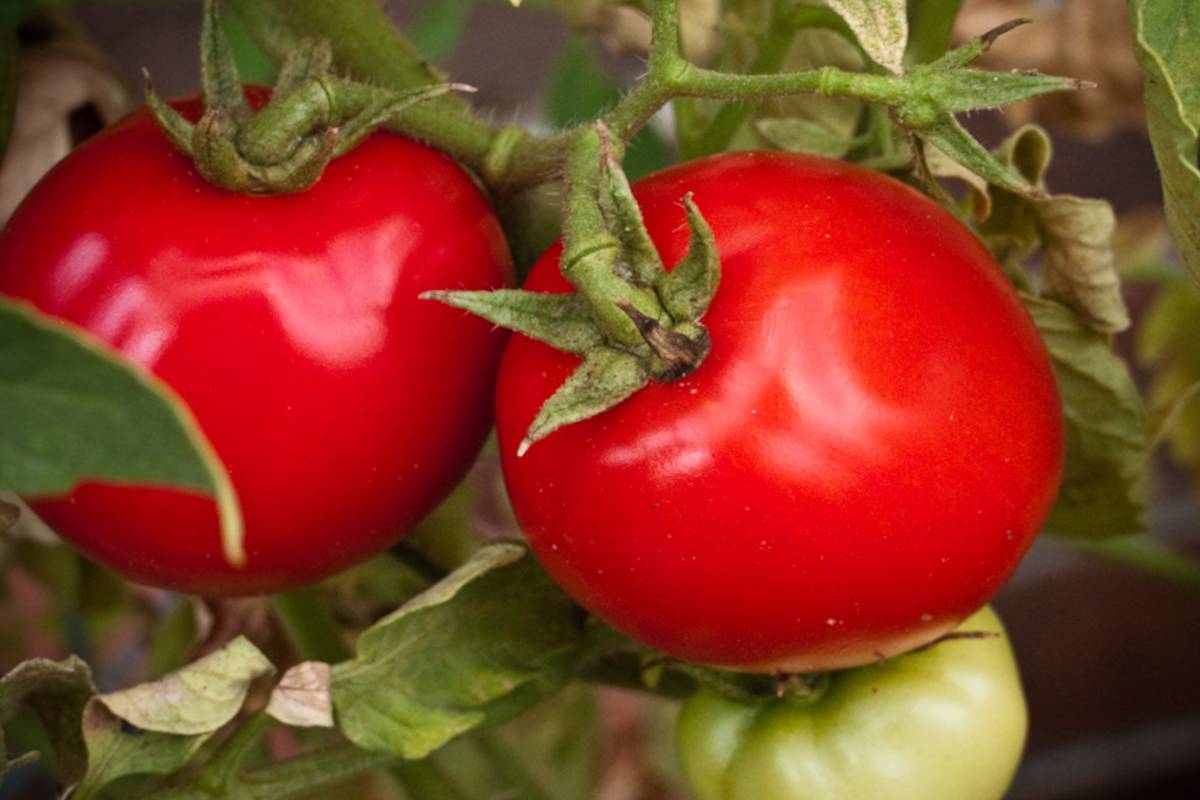
Tomato, pepper and chilli belong to the same family as eggplant and carry the same troubles, so a bed that has just grown them is a poor choice.
The Colorado potato beetle readily moves from potato foliage onto eggplant, since both are favored solanaceous hosts, so growers often separate the two crops to limit the pest’s spread between them.
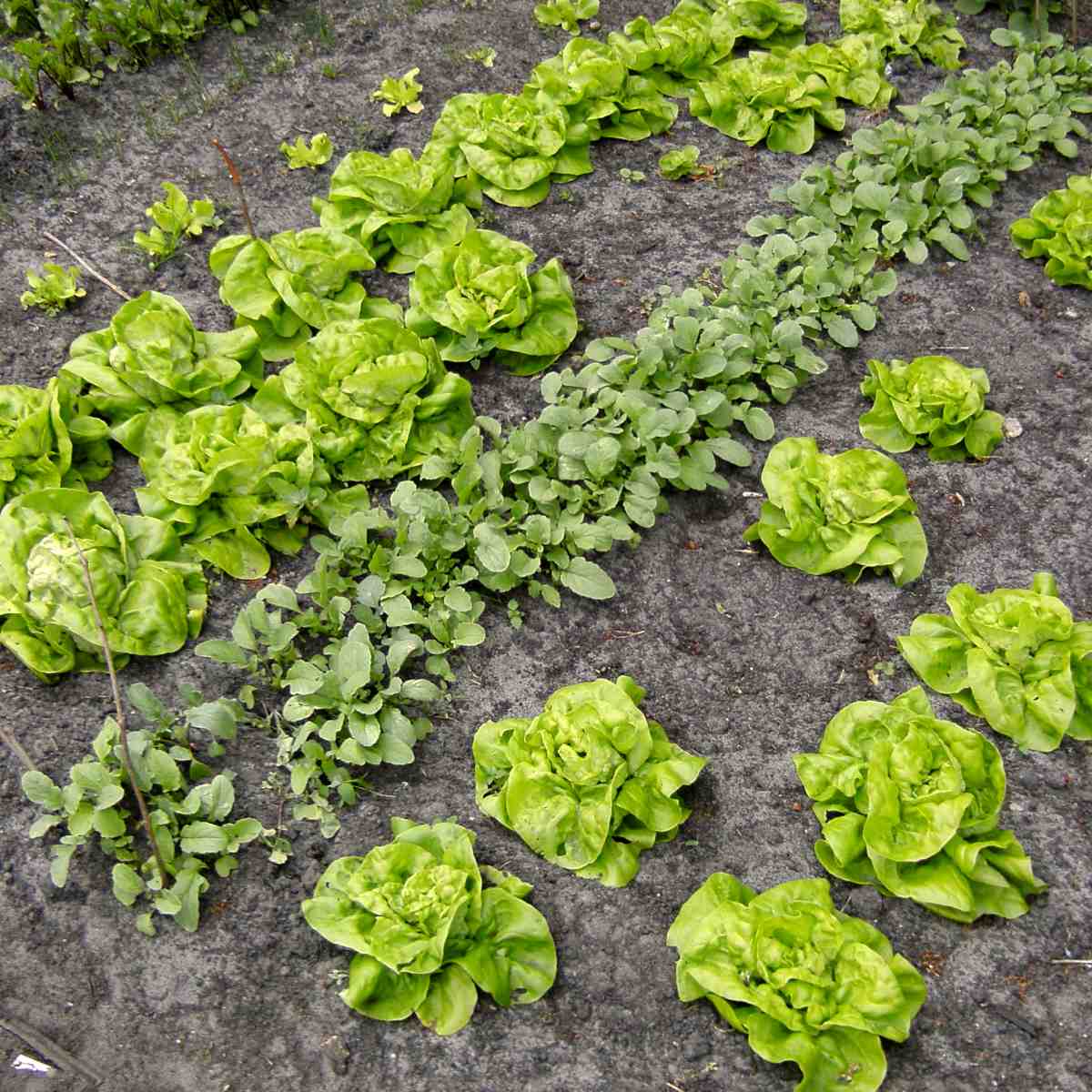
Bush beans make useful neighbours, and a row of lettuce can occupy the gaps between young eggplants until the foliage closes over.