Home » Gardening » Climbing plants » Parthenocissus henryana: expert tips for growing this elegant climbing vine
Parthenocissus henryana: expert tips for growing this elegant climbing vine
0
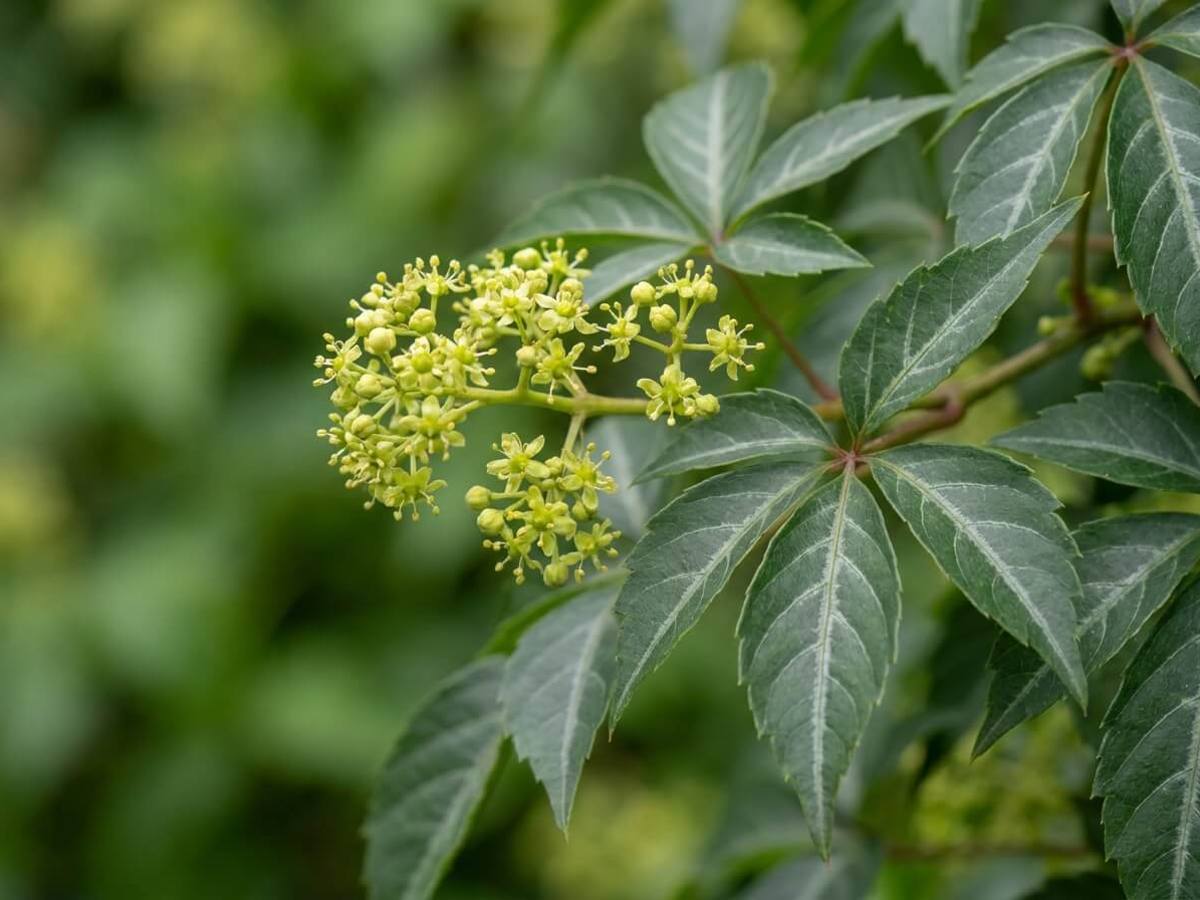
Parthenocissus henryana, the Chinese Virginia creeper, is the most refined member of its genus: its five-fingered leaves are a deep velvety green flushed bronze-purple, each leaflet traced with silvery-white veins that glow in shade. It is a self-clinging climber that needs no wires or trellis, making it ideal for clothing a shady wall, an outbuilding or a dull north-facing boundary. In autumn the whole plant turns a blazing crimson-scarlet before falling, often accompanied by small inky-blue berries.
Growing conditions
This is one of the few climbers that genuinely looks better out of the sun. Partial or even full shade intensifies the silver veining and the plum-purple leaf undersides, whereas strong midday sun bleaches the markings to a plain green. A west- or north-facing wall is ideal in mild regions; in cooler northern gardens, an east-facing aspect gives good colour too.
Any reasonably fertile, moisture-retentive but free-draining soil suits it, including chalk and improved clay. It is unfussy about pH, but it dislikes waterlogging and will sulk in a dry, compacted strip at the foot of a wall. Dig in garden compost or well-rotted manure before planting to hold moisture through summer.
It is slightly more tender than the common Virginia creeper, so in exposed inland gardens give it shelter from cold, drying easterly winds. Late frosts may scorch new shoots, but established plants regrow readily from the older wood.
How to plant Parthenocissus
Plant in autumn, from September to November, so roots establish in warm, moist soil before winter. Spring planting, from March to April, also works well provided you can water reliably through the first summer.
Space plants 1.5–2 m apart along a wall; a single plant will eventually cover 5 m or more, so resist overplanting.
Set the rootball at the same depth it sat in the pot, with the crown level with the surrounding soil.
Plant 30–45 cm out from the wall base to escape the dry, rubble-filled “rain shadow”, and fork compost into the planting hole.
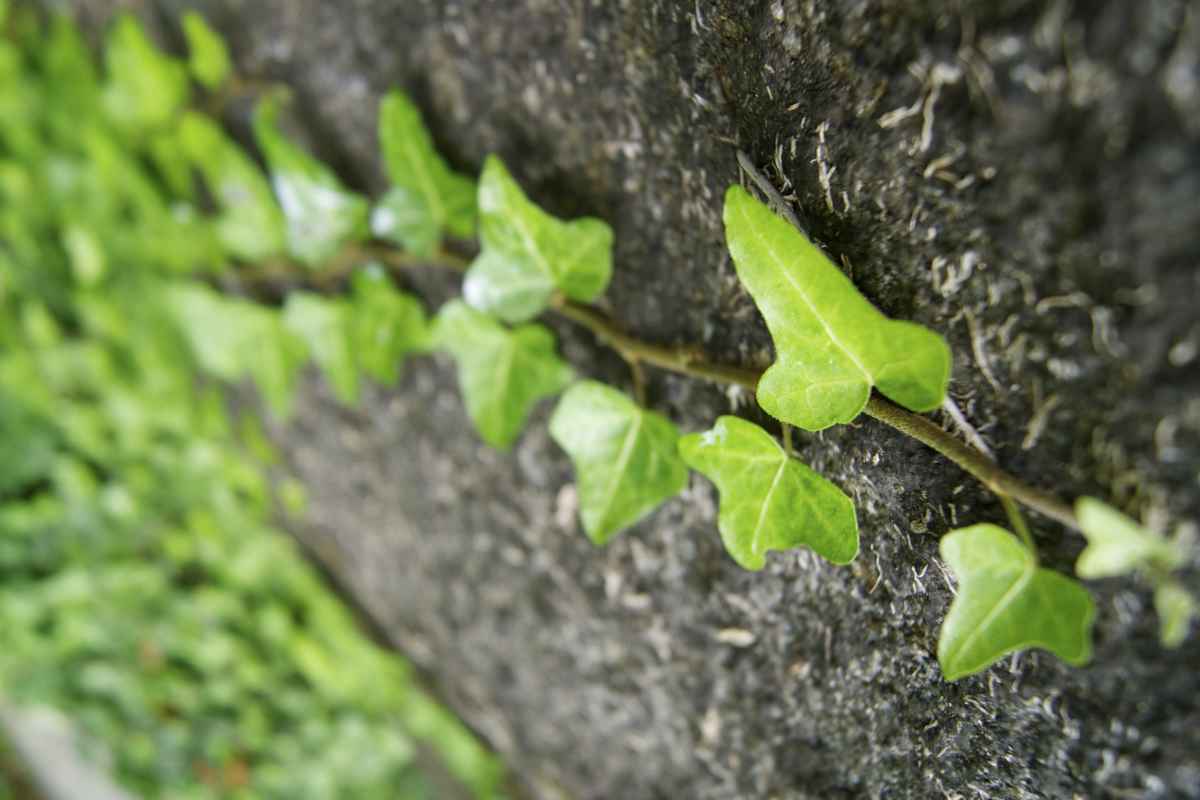
Lean a bamboo cane from the rootball to the wall to guide the first shoots until the adhesive pads take hold, then water in with at least 10 litres.
Propagate from softwood cuttings in June, hardwood cuttings in November, or by pegging a trailing stem into the soil to layer — rooting usually takes a single season.
Parthenocissus henryana growing in a naturalistic garden border
Care through the seasons
Spring: Apply a balanced general fertiliser in March and mulch the root zone with 5 cm of compost, keeping it clear of the stems. New shoots emerge bronze-pink and are brittle, so tie in or redirect them gently. This is also the moment to prune, cutting back wayward growth before the leaves fully expand.
Summer: Water young plants deeply once a week in dry spells; established specimens are fairly drought-tolerant but colour better with consistent moisture. Clip shoots away from gutters, window frames, painted woodwork and roof tiles as soon as they stray — monthly checks are easier than one annual battle. The tiny greenish flowers in June and July are barely visible but valuable to bees and hoverflies.
Autumn: Leave the plant entirely alone to enjoy the crimson and scarlet display, usually peaking in October. Blue-black berries follow and are taken by blackbirds and thrushes. Rake up fallen leaves from paths, where they can become slippery, and add a fresh mulch once the soil is still warm but moist.
Winter: Fully dormant and leafless, the plant reveals a tracery of stems and needs no protection in most gardens. Container-grown or newly planted specimens benefit from a thick mulch or fleece over the root area below −10 °C.
Best varieties to grow
Named cultivars of P. henryana itself are scarce, so most plants are sold as the straight species — which is no hardship, as it holds the RHS Award of Garden Merit; these close relatives make useful alternatives.
Parthenocissus henryana (species) — the benchmark for shaded walls, with silver-veined foliage and reliable crimson autumn colour; AGM.
Parthenocissus tricuspidata ‘Veitchii’ — Boston ivy with smaller, glossy three-lobed leaves and spectacular scarlet autumn tints, better suited to large sunny façades.
Parthenocissus quinquefolia — the classic Virginia creeper, far more vigorous and best reserved for big walls, barns or screening eyesores.
Parthenocissus tricuspidata ‘Fenway Park’ — a compact golden-leaved form for a shadier spot, turning orange-red in autumn.
Pests, diseases and common problems
Powdery mildew: White dusty patches on leaves in hot, dry summers, especially on sheltered walls. Mulch and water at the roots, improve air circulation by thinning congested growth, and remove affected leaves.
Scale insects and mealybugs: Sticky honeydew, sooty mould and small limpet-like bumps on stems. Brush off light infestations, encourage ladybirds and lacewings, and use an organic plant-oil spray in late spring when crawlers are active.
Faded or green leaves: Loss of silver veining is almost always too much direct sun rather than a disease. Move young plants to a shadier aspect, or accept plain foliage and enjoy the autumn colour instead.
🌿 Nature & Garden Newsletter
Gardening tips, recipes & seasonal advice, twice a week.