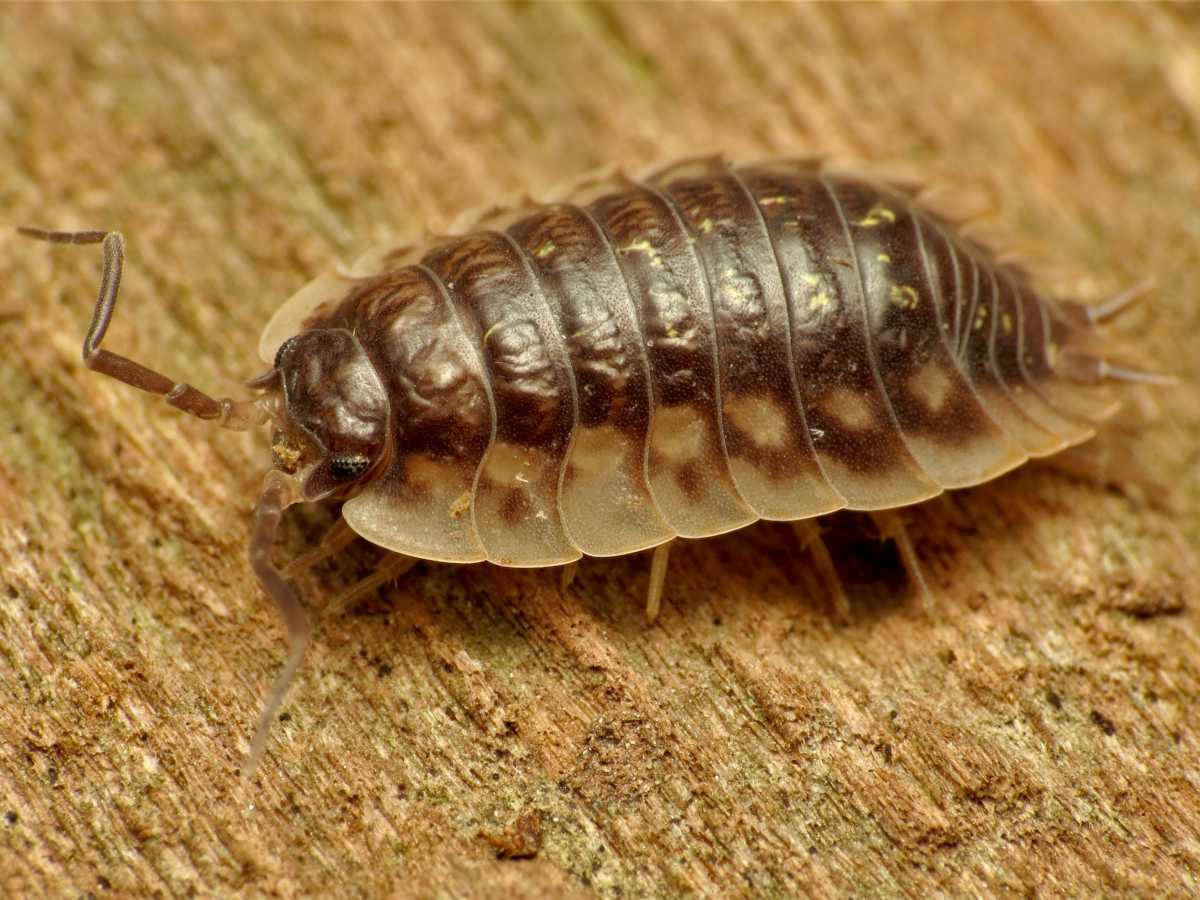
Small white maggots tunnel around the roots of flowers, ornamental plants and vegetables, feeding on rootlets and the root crown: these are weevil larvae (Otiorhynchus). A few do little harm, but as numbers build the root system is destroyed and growth slows; nematodes, used on potted plants only, are the proven remedy.
Even though it isn’t considered fatal or threatening for a plant’s life when only a few bugs appear, if ever numbers rise and stay for a long time it can become dangerous.
How can one recognize if this larva has infected a plant?
Small insects, like white maggots, tunnel around the roots to feed on rootlets and the root crown.
They slowly add on more and more thin tunnels, destroying the root system in the process and slowing the plant’s growth, weakening it.
Notched, U-shaped bites along leaf edges are a classic sign of adult vine weevils (Otiorhynchus sulcatus), which feed at night and hide near the plant’s base by day.
Tip the rootball out of the pot and examine the compost and roots for grubs, checking the outer surface of the rootball as well as the compost deeper inside.
How to fight these white maggots?
There is no specific treatment tailored to target only these Otiorhynchus larvae.
Some recommend to spray treatments normally applied against vegetable flies.
The adult weevil whose larvae attack root crowns
A more elaborate solution that has proven its effectiveness is to harness nematodes to get rid of this insect. Coming by these nematodes is a bit difficult, though.
Use only for potted infections, because nematodes are parasites for a good many other insects in your garden, even useful ones.
Adult vine weevils feed at night, so search for them after dark with a torch, checking leaves and stems for the flightless black beetles and the notched leaf edges they leave behind.
Nematodes only work while the compost stays warm enough, above roughly 5C for Steinernema kraussei and about 12C for Heterorhabditis bacteriophora.
Water the compost before and after releasing nematodes, then keep it damp for a few weeks, because they die quickly in dry potting mix.
Tip each new pot-grown plant out and check the root ball, because vine weevil grubs and similar soil pests can sometimes be carried in nursery compost, though many plants arrive uninfested.
Written by Gaspard Lorthiois | Loves helping out, especially when it comes to growing things. Worked in herbal medicine, runs a farm, and dabbles in tech. Master's degree and engineer.