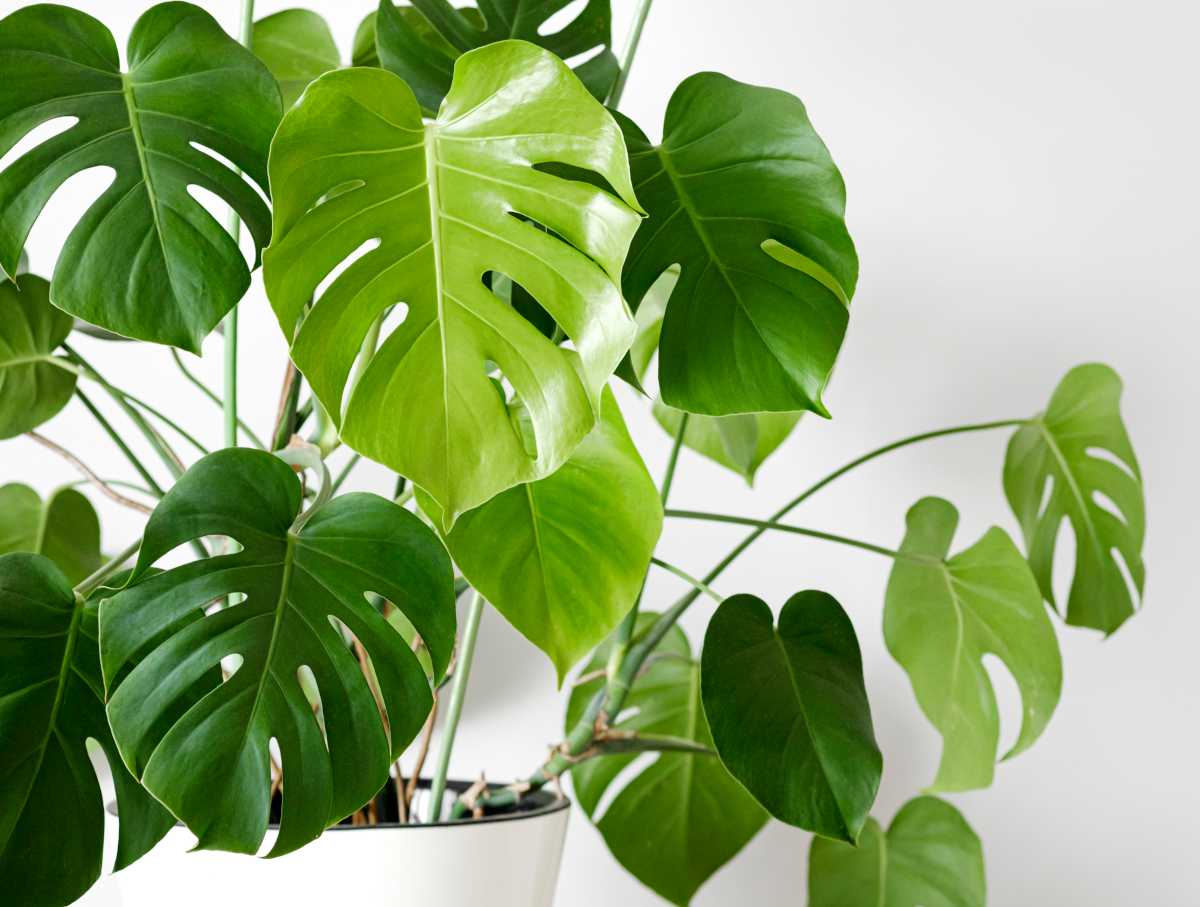
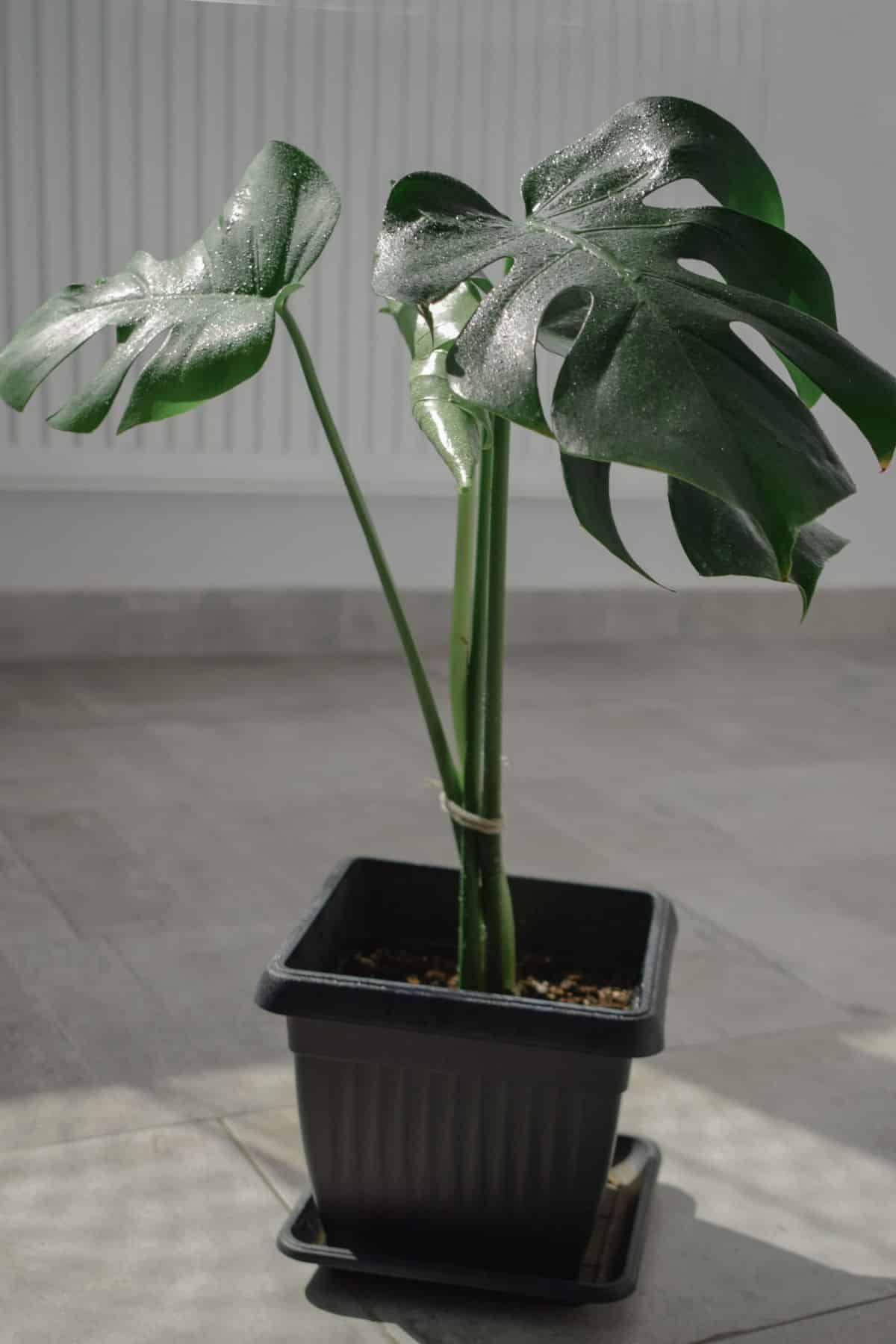
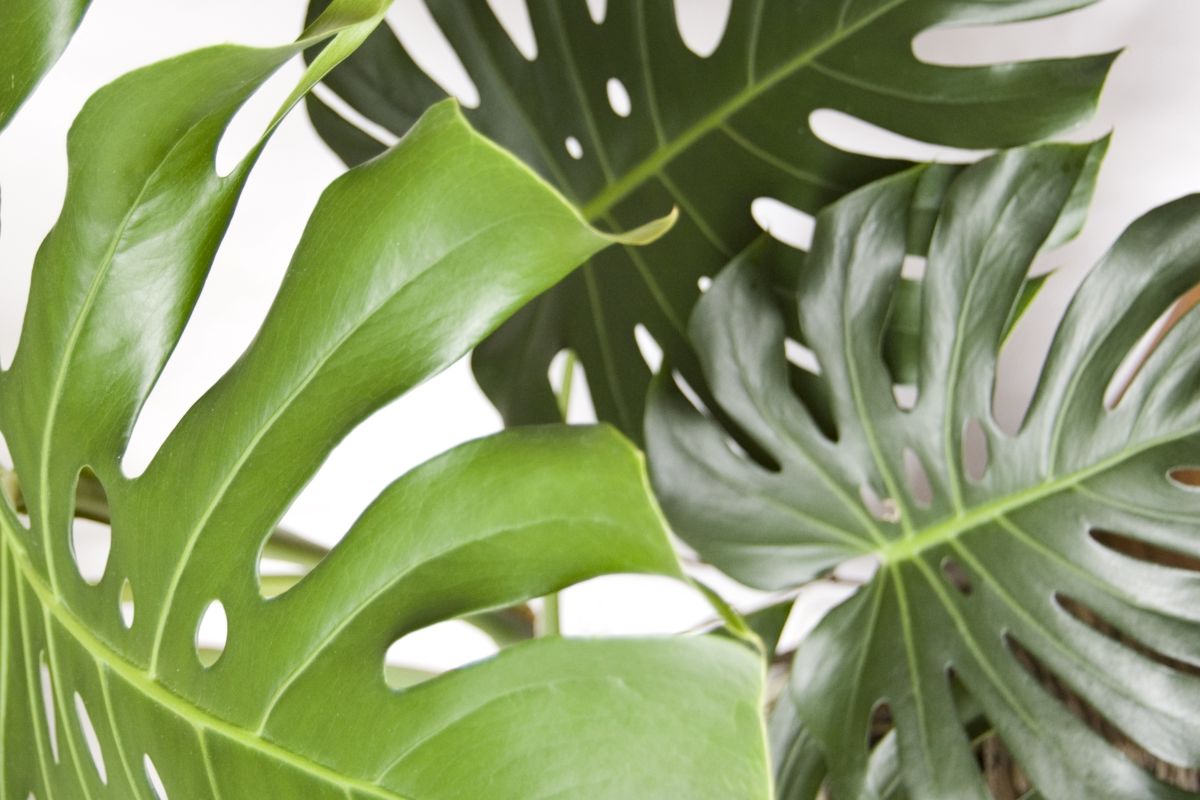
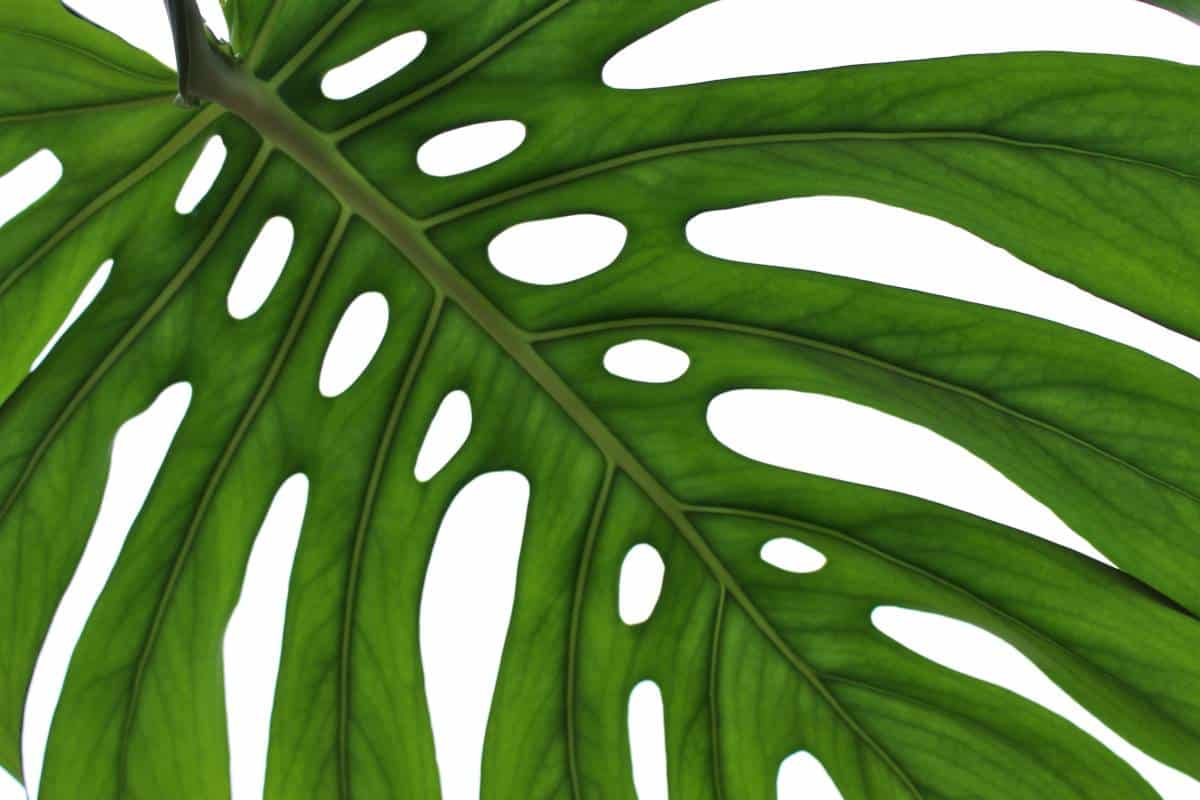
Evergreen leaves on a plant that, in the wild, latches on to tree trunks and thrives in their shade: monstera (Monstera deliciosa) is grown indoors for its high ornamental impact and unique foliage. Set it near a window but never in direct sunlight — excess sun dries the plant up — and it repays you with up to 10 feet of greenery.
Monstera at a glance
Name
Monstera deliciosa
Common
Monstera, false philodendron
Family
Araceae
Type
Indoor plant
Height
3 to 10 feet (1 to 3 m)
Exposure
Veiled light
Soil
Soil mix
Foliage
Evergreen
Care, repotting, watering and exposure, are items to focus your attention to make your monstera even nicer.
It brings joy to all with its high ornamental impact and unique foliage.
Follow our advice on caring for monstera below:
Planting and re-potting monstera
A drainage hole is essential: roots hate excess water
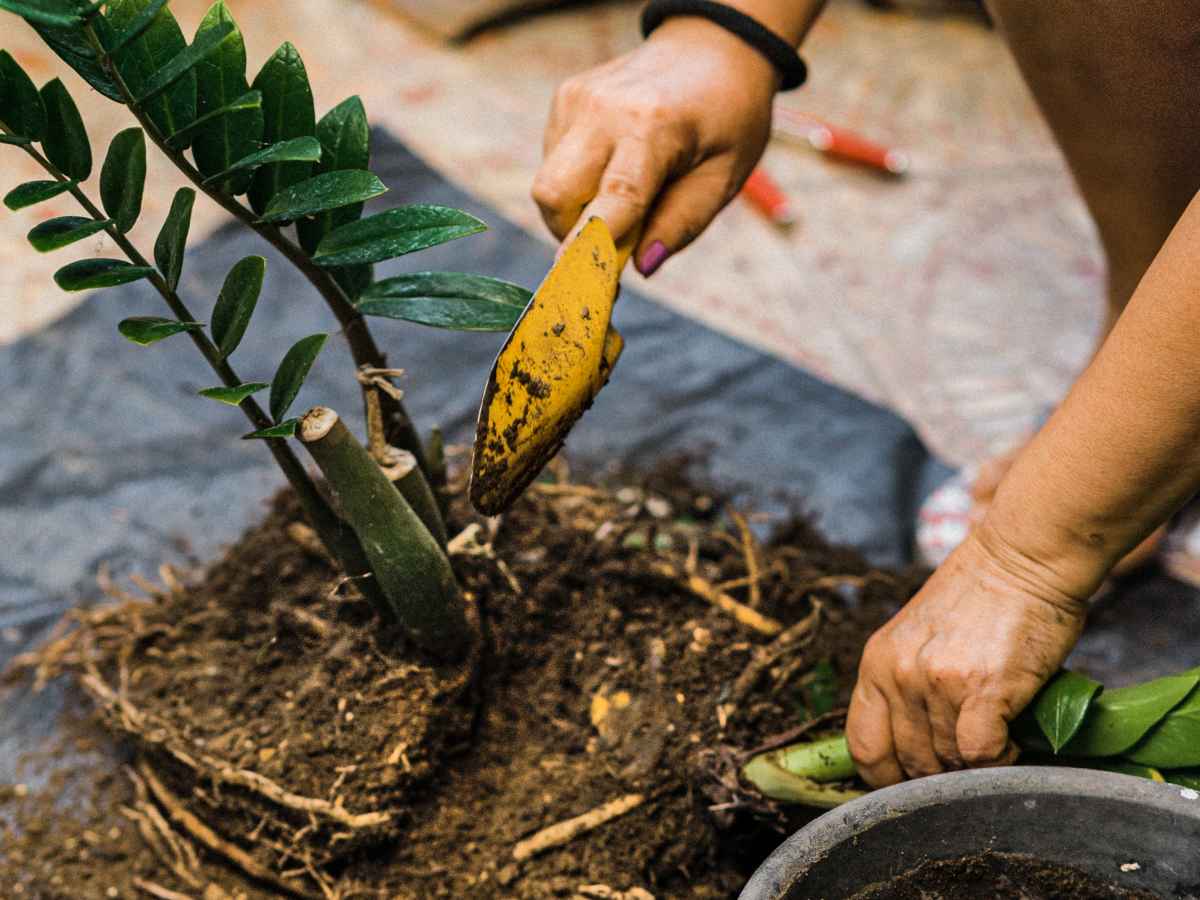
Upon purchasing, if the pot is too small, proceed to repot the Monstera so that it may grow adequately.
After that, every year or every 2 years and preferably preferably in spring, repot your monstera plant in a pot of a very slightly larger size.
Monstera roots hate having too much water.
Double-check that the pot has a hole in the bottom. Increase drainage with a layer of gravel or clay pebbles along the bottom of the pot, to make water flow through more easily.
Good soil mix is needed. The plant, when it lives indoors, needs soil mix because that is the only source for the nutrients it feeds on.
Pruning, and caring for Monstera
If ever your monstera grows too tall, it’s perfectly possible to cut the head off; you can even use this part to produce a cutting.
Stem portions on hydroton root from the leaf nodes
This plant generally copes quite well with pruning, so you can prune it to your heart’s desire. Trimming will actually rejuvenate your monstera.
You can cut stem trimmings into short portions and rest these on a bed of hydroton. From leaf nodes, both roots and new leaves will sprout. It’s an excellent way to prepare cuttings from your favorite ones!
Where to place your monstera
Best near a window, but never in direct sunlight
The best place to set up your monstera is near a window but not direct sunlight. In the wild, it latches on to tree trunks and thrives in their shade.
You can even set it away from any light source because Monstera manages indirect, reduced light well.
What it fears most is excess sun. That tends to dry the plant up.
The more light a monstera receives, the more its foliage suffers.
Absolutely avoid heat sources such as radiators. Moisture is critical to this tropical plant.
Ideal temperatures are around 70°F (20°C).
Watering monstera
Regular but moderate watering is called for.
All year long, and especially during summer, spray water on the leaves to recreate the moisture levels of its natural habitat.
In spring and summer:
Feed every three to four weeks while growing
Keep the soil mix a bit moist and check that water drains properly.
Add leaf plant liquid fertilizer every 3 to 4 weeks during the growing phase.
Spray the leaves on a regular basis, preferably with calcium-free water (distilled or rainwater is great).
In fall and winter:
From November to March, reduce watering and wait for the soil to be thoroughly dry in the surface before watering again.
Stop adding fertilizer.
Mist the leaves as often as you can, ideally, every day. Always use soft water.
Monstera care through the seasons
Watering, misting and feeding all change once autumn arrives. This table sums up what the article recommends for each half of the year.
Monstera care through the seasons
Task
Spring and summer
Autumn and winter
Watering
Regular but moderate; keep the soil mix slightly moist and check it drains
From November to March, water less and wait until the surface is thoroughly dry
Misting the leaves
Spray regularly, especially in summer, with calcium-free water
Mist as often as possible, ideally every day, always with soft water
Feeding
Leaf plant liquid fertiliser every 3 to 4 weeks
Stop adding fertiliser
Repotting also belongs to the growing season: pot on in spring, every year or every two years.
Common disease on Monstera
Red spider mite and scale insects are the usual culprits
Red spider mites thrive in dry, warm air, so look for fine webbing where the leaf meets the stalk and a dull, stippled speckling on the upper leaf surface.
Scale insects show up as small brown or beige limpet-like bumps along stems and leaf undersides, often with sticky honeydew below them that later turns black with sooty mould.
Wipe both sides of the leaves with a damp cloth to remove dust and dislodge some pests, and dab any scale insects or mealybugs individually with a cotton bud dipped in rubbing alcohol.
Yellowing lower leaves on a monstera sitting in constantly soggy soil often suggest overwatering and possible root rot, though aging, nutrient issues or pests can also be to blame; let the topsoil dry and check the drainage hole is clear.
Learn more about Monstera
A fabulous indoor plant, Monstera is one of the most sold indoor plants, which shows how resilient and easy to care for it is.
When a leaf is damaged or starts looking too old, gently tease it away from the stem and set it in a vase. After a few weeks, new roots will start appearing and a new plant will form!
Images: CC BY-SA 2.0: Quinn Dombrowski; dreamstime: CretiveByNature; Pixabay: an anonymous photographer, justynafaliszek, Medana; shutterstock: Sozina Kseniia
🌿 Nature & Garden Newsletter
Gardening tips, recipes & seasonal advice, twice a week.