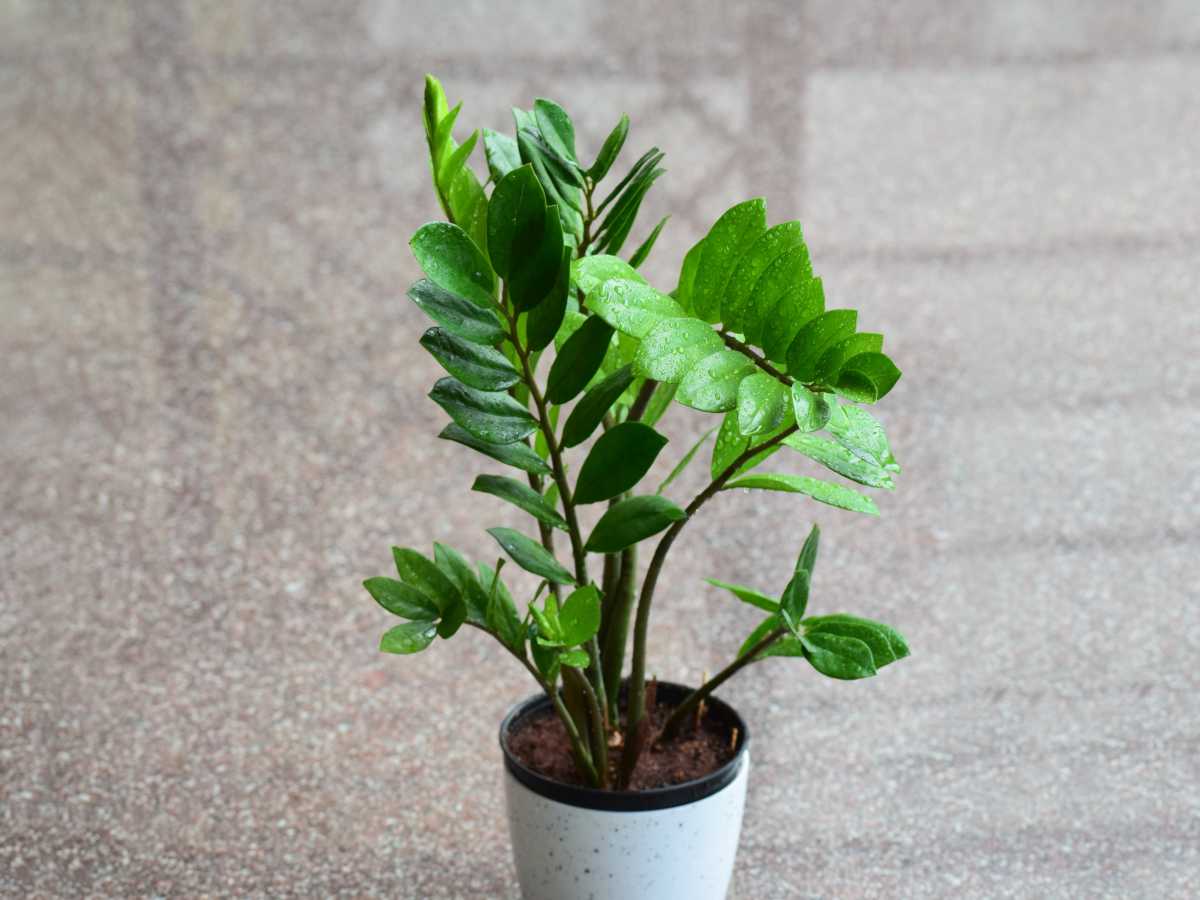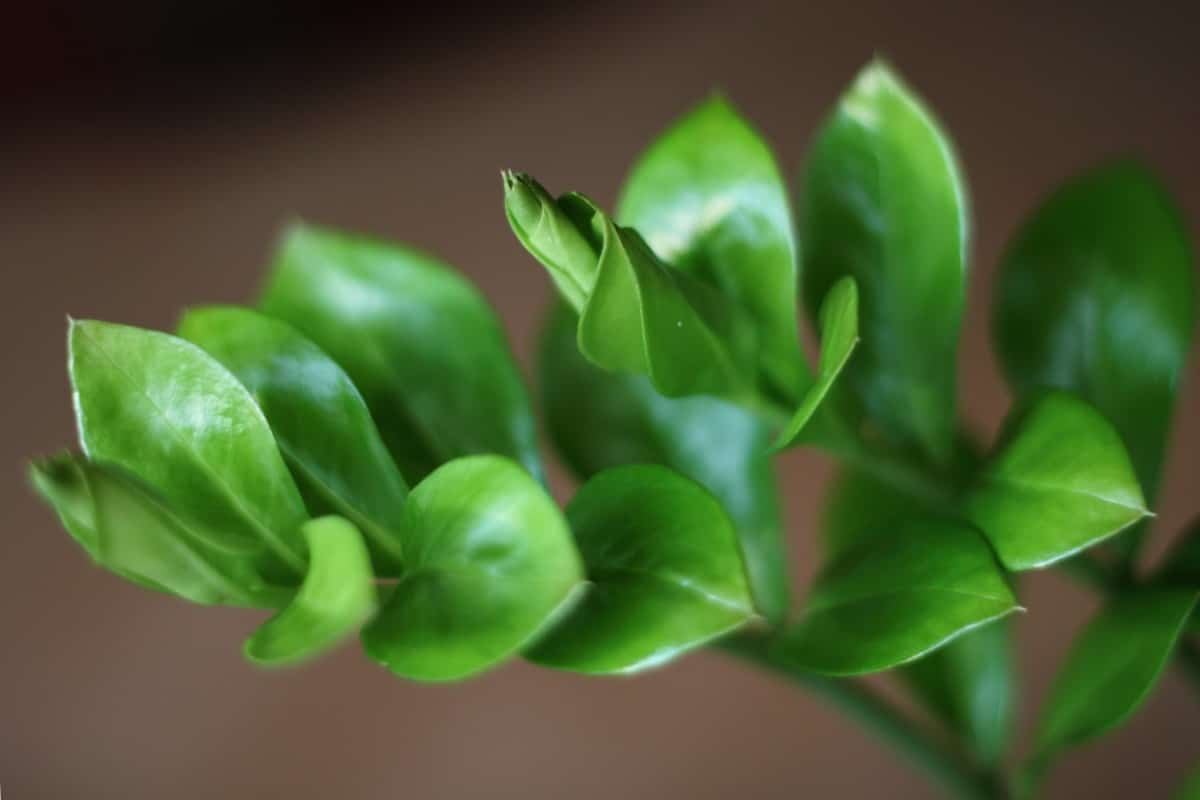
The ZZ plant is famous the world over: beautifully stunning and nearly impossible to kill, it is perfect for modern homes and gardens. But which of the types of ZZ plant is best for you? Let’s take a look at the main Zamioculcas varieties:
Read also:
The ZZ plant is a great indoor and office plant. In the tropics, it does great outdoors, too! The main varieties and types of Zamioculcas you can come across are here (links jump to the right paragraph in the page):
The types of Zamioculcas on sale differ mostly in height, leaf shape and leaf colour. Here is how the main varieties described below compare.
| Variety | Height | Leaf | Best for |
|---|---|---|---|
| Raven | Tall | Darkens steadily with age, ending almost black | A dark, elegant focal point indoors |
| Jungle Warrior | Tall, like the Raven | Black, virtually identical to Raven | Gardeners in Australia, where it is the one sold |
| Zenzi | Dwarf, doesn’t grow tall | Normal ZZ foliage on a compact frame | A short, stocky look beside Adenium or Ficus Ginseng |
| Zamicro | Tiny | Same proportions as full-size ZZ plants, scaled down | Apartments and smaller offices |
| Lucky Giant (Lucky Series) | Over 3-4 feet (1 to 1.30 m), even indoors | Oval with a rounded tip | Height with a softer outline |
| Variegated and albino types (‘Lucky White’, ‘Gold’) | As for the variety they arise from | White, cream or yellow markings on green | Collectors, since they are rare and hard to find |
Each of these varieties is described in more detail below.
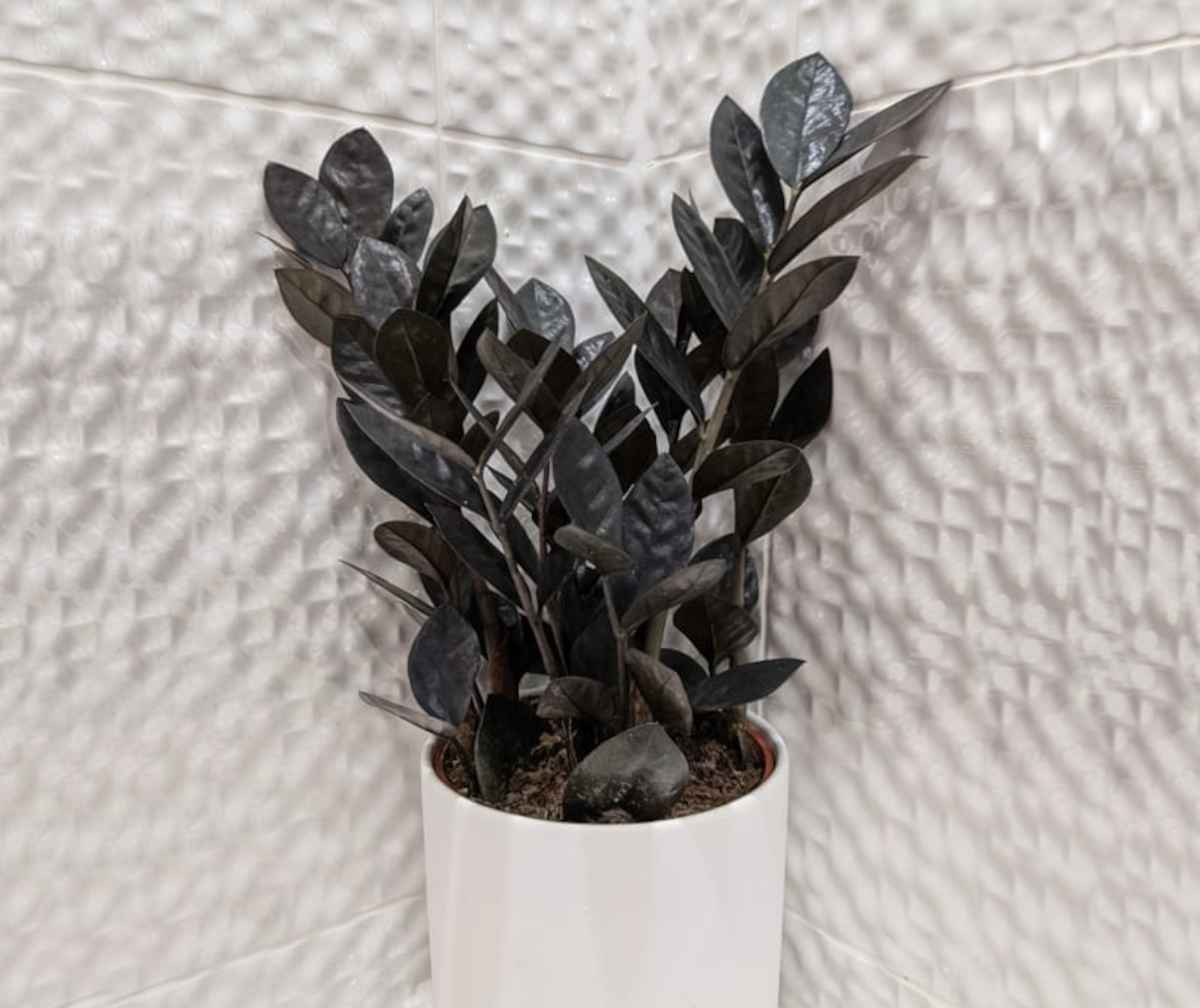
Black is a color that fits in every setting. When we’re talking about plants, there’s definitely something special going on!
The raven ZZ plant is a variety that has leaves that turn darker and darker as they age. It appeared on the market in 2017 and took it by storm.
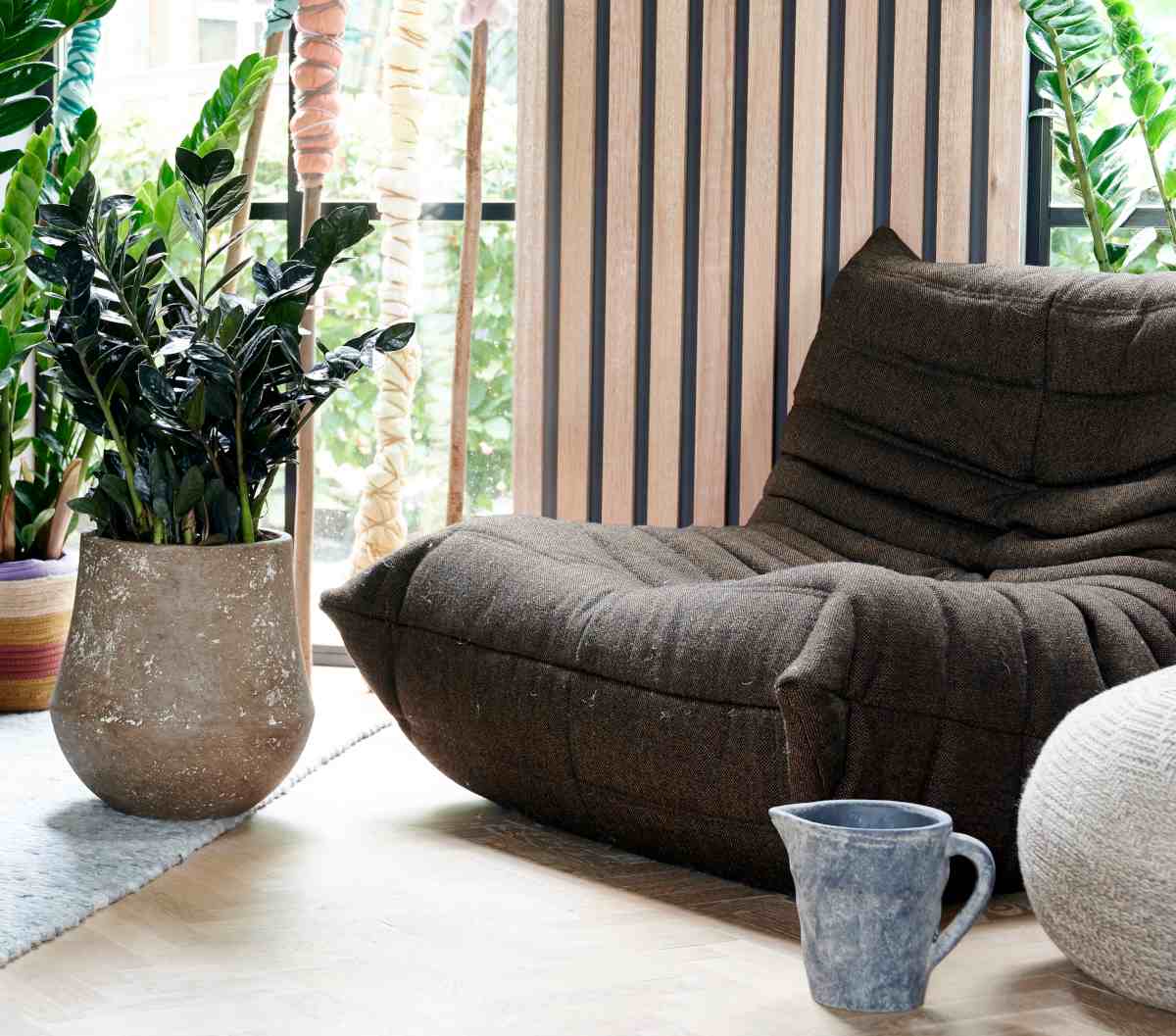
There’s very little difference between the ZZ Jungle Warrior and the now-famous Raven ZZ plant. The main difference is in the distribution networks.
Indeed, the Jungle Warrior is predominantly available in Australia, whereas the Raven appears in stores across North America and Europe.
Imported goods often carry a price premium from shipping, tariffs, and distribution costs, so when two comparable products differ mainly in origin, that extra cost need not reflect any difference in quality.
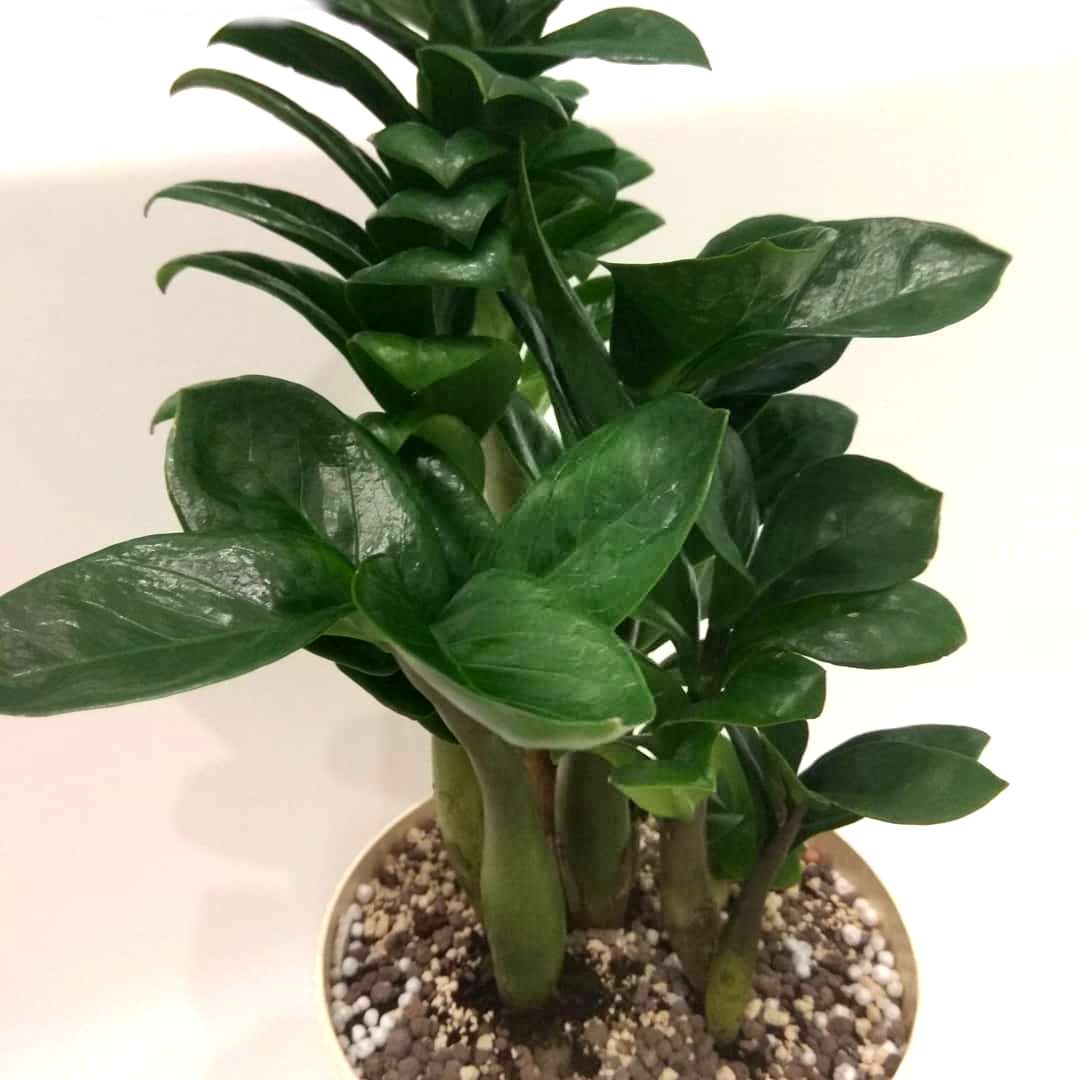
The Zenzi is a Zamioculcas cultivar that has a “dwarf” trait. This means it doesn’t grow tall!
The other features of the plant are nonetheless similar. The overall effect of this plant is that it looks short and stocky.
In a way, it pairs very well with plants that have similar traits, like Adenium and Ficus Ginseng!
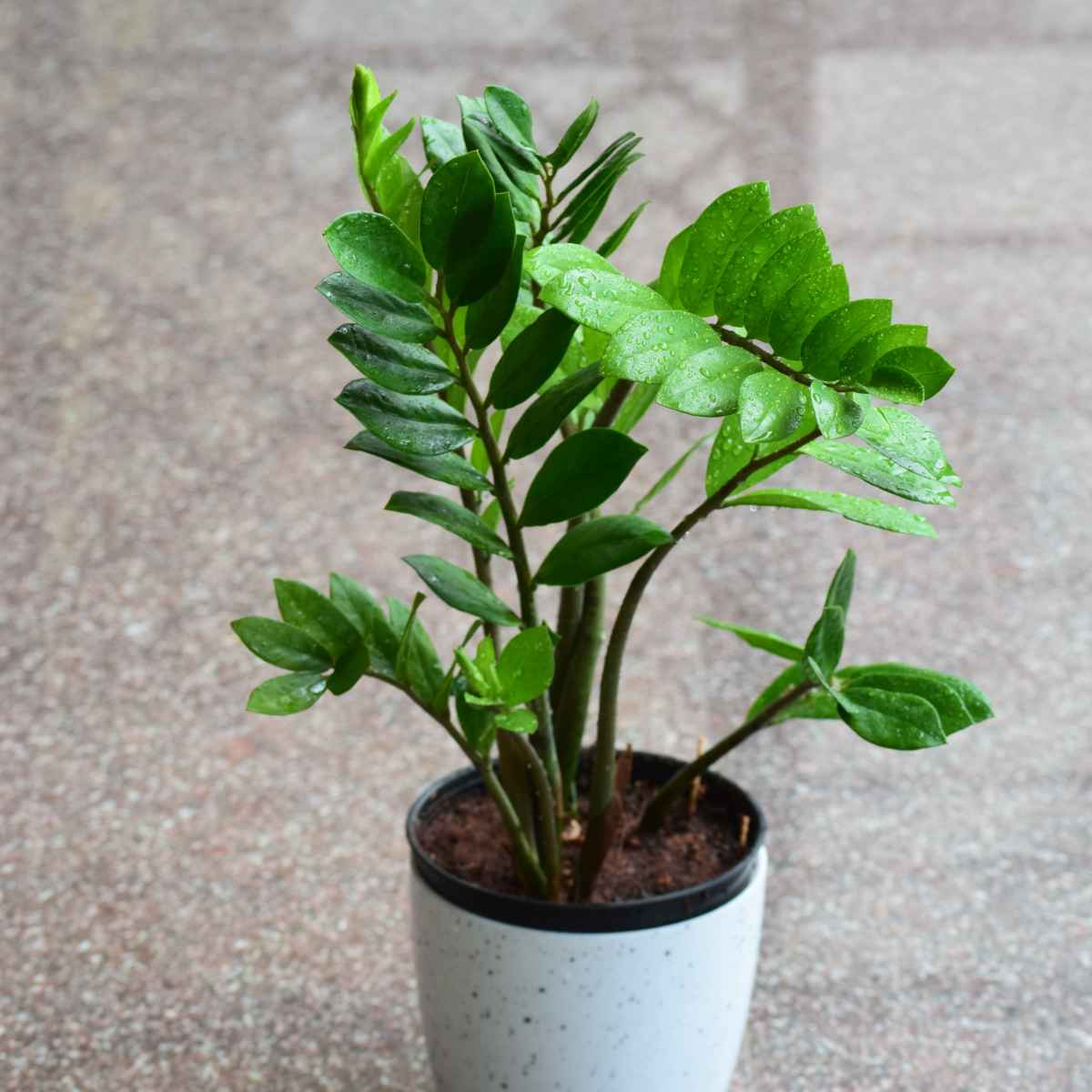
Zamicro is also a tiny cultivar, but the proportions of the plant are similar to the normal, taller varieties.
Zamicro is perfect for apartments and to decorate smaller offices. For the designer-savvy among us, a black version exists, too: the ‘Zamicro Dark’.
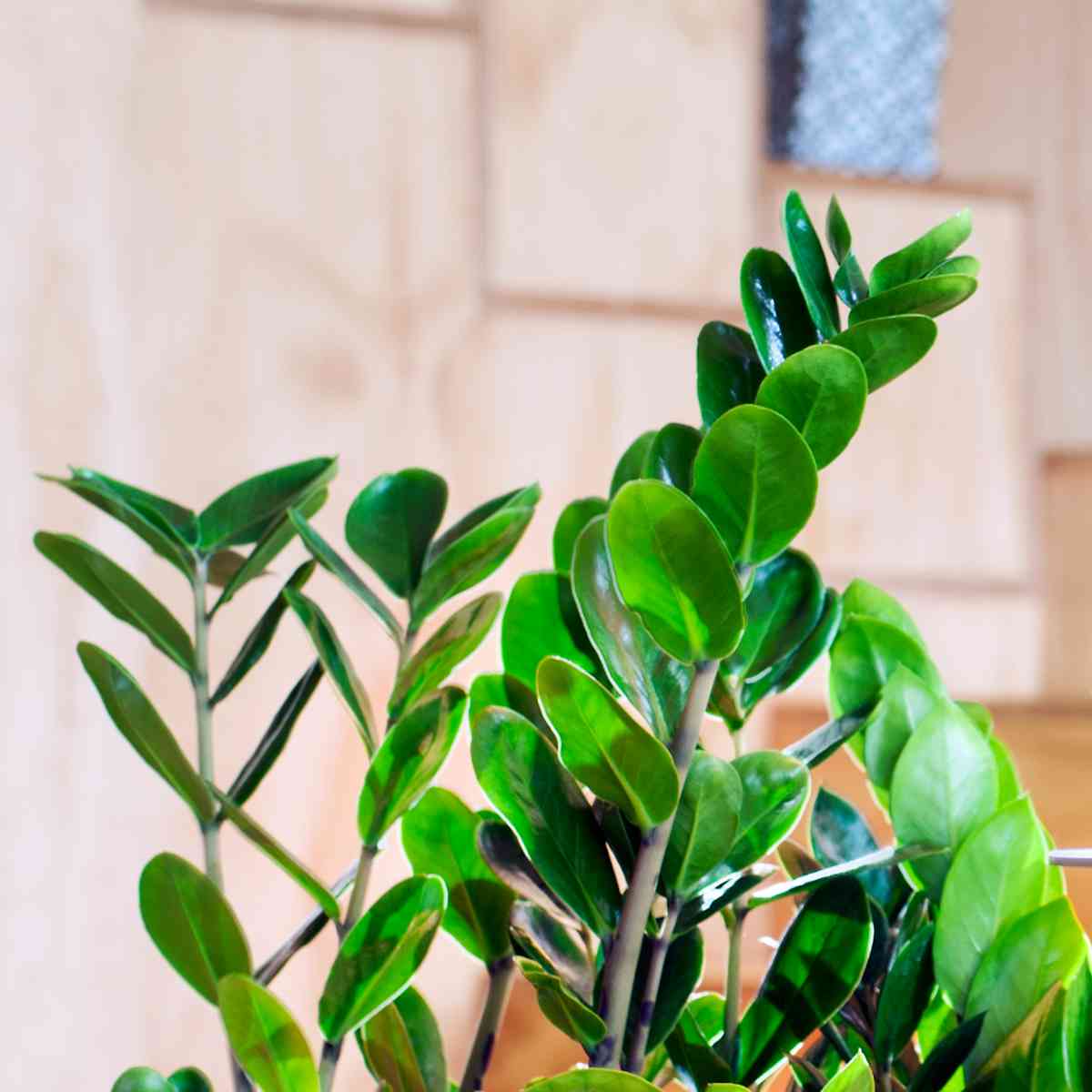
A series of round-leaved Zamioculcas also exists now. This is the Lucky Series.
In particular, the Lucky Giant stands out thanks to its height: it can reach to over 3-4 feet (1 to 1.30 meters), even indoors!
The leaf isn’t completely round, though. It’s more of an oval, but the round tip gives it a nice, soft touch.
Rotating a potted plant periodically evens out its light exposure and reduces leaning toward the window, though adequate overall light, and sometimes staking, is still needed to keep weak stems upright.
Some mutated leaves have given rise to variegated Zamioculcas zamiifolia. Variegated ZZ plants are quite rare with green and white leaves. They are much rarer and harder to find. There is a Lucky plant that is variegated, it’s called the ‘Lucky White’.
Two colors appear most often: white, and the more seldom yellow. This has led to new cultivars called ‘Gold’. And sometimes, an entire shoot turns out pale yellow, turning into an albino zz plant!
Read more: all about the ZZ plant