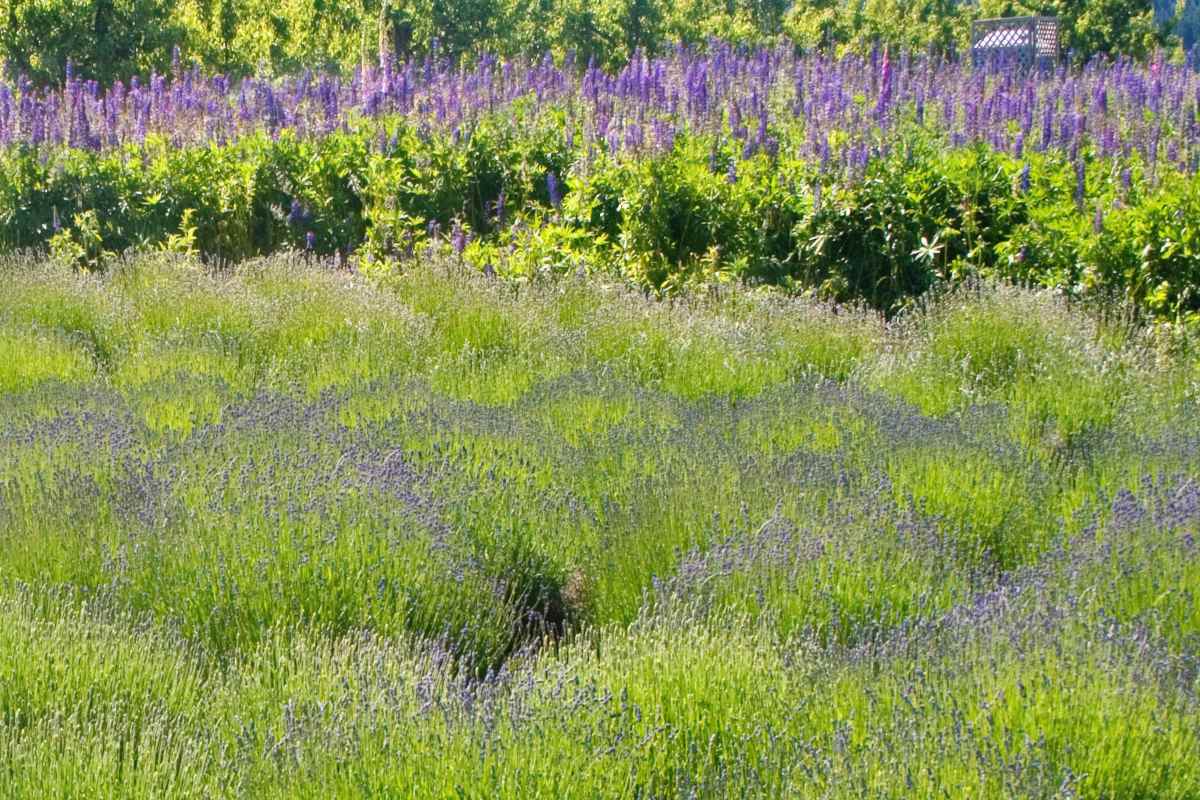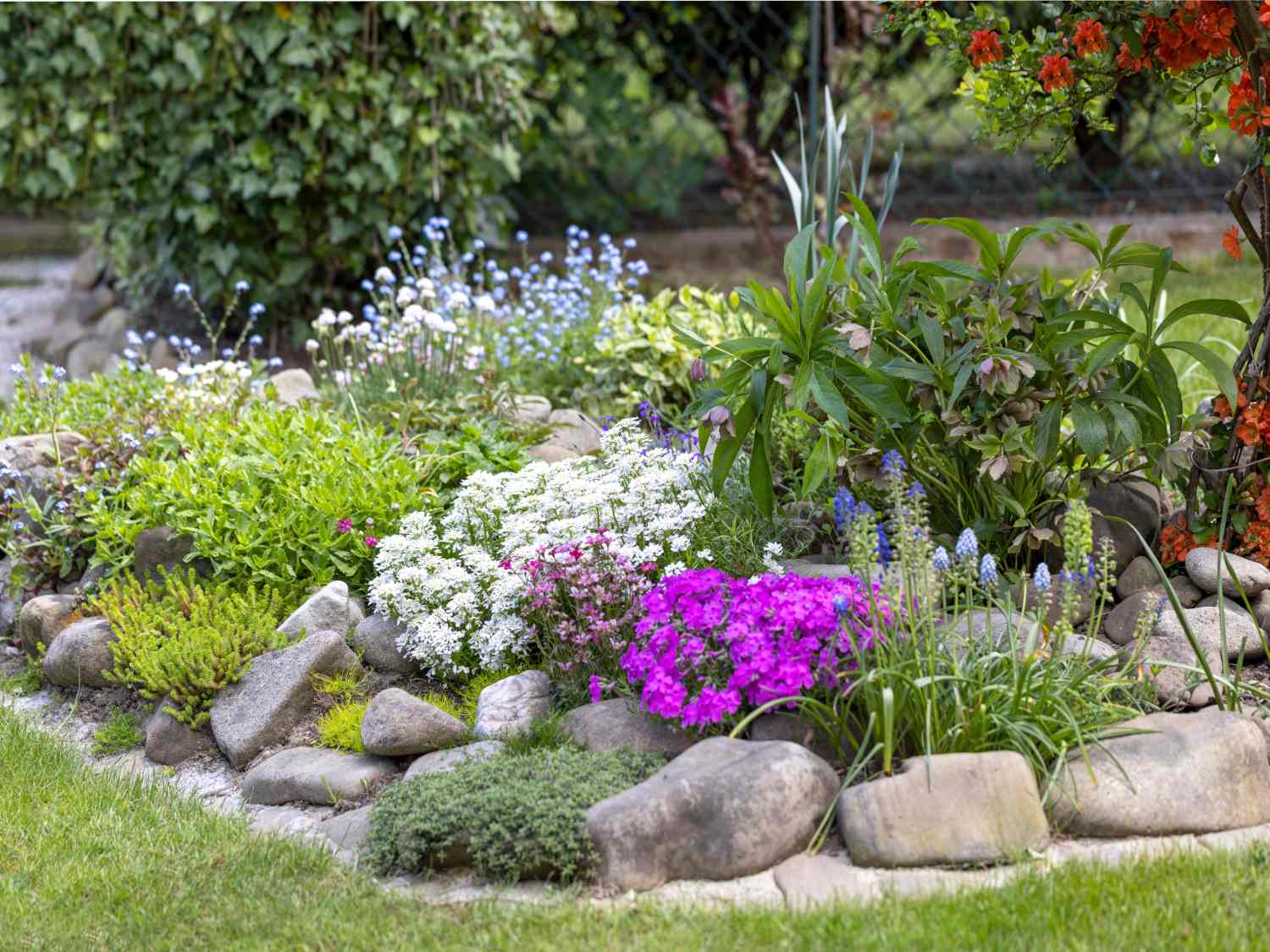
On the outskirts or in the middle of your outdoor space, a mound may seem a bit unsightly. Yet, once planted, these so-called “berms” truly become a real asset.Discover our ideas for landscaping a mound in the garden!
→ Also read:
Each of the ideas below turns the same bump into something different, and each asks something different of you. Read across to find the one that matches your slope, your light and the work you are willing to put in.
| Approach | Best suited to | Plants or materials | What it needs |
|---|---|---|---|
| Rock garden | Mounds made to look like mountains or cliffs | Bellflower, sedum, thistle, delphinium, thyme, rosemary | Local rocks and dry soil |
| Ground cover planting | Large slopes, in sun or in shade | Moss saxifrage, creeping phlox, houttuynia, carex, heuchera | Sun for saxifrage, moist soil in shade |
| Natural stream | A slope water can run down | Rocks, pebbles, foliage and a few flowering plants | A lower basin and a pump |
| Terraces | Taller mounds turned into living spaces | Evergreens by a pool, fragrant flowers, herbs by the table | Excavation to shape flat levels |
| Planted staircase | Getting up and over the mound | Boxwood balls, cotton lavender, euphorbia, wild flowers | Flowerbeds or a wooden frame alongside |
| Flowery meadow | Biodiversity and low upkeep | Mixtures of melliferous flowers | One to two mowings a year |
Whichever you pick, the mound stops being an awkward lump and starts earning its place.
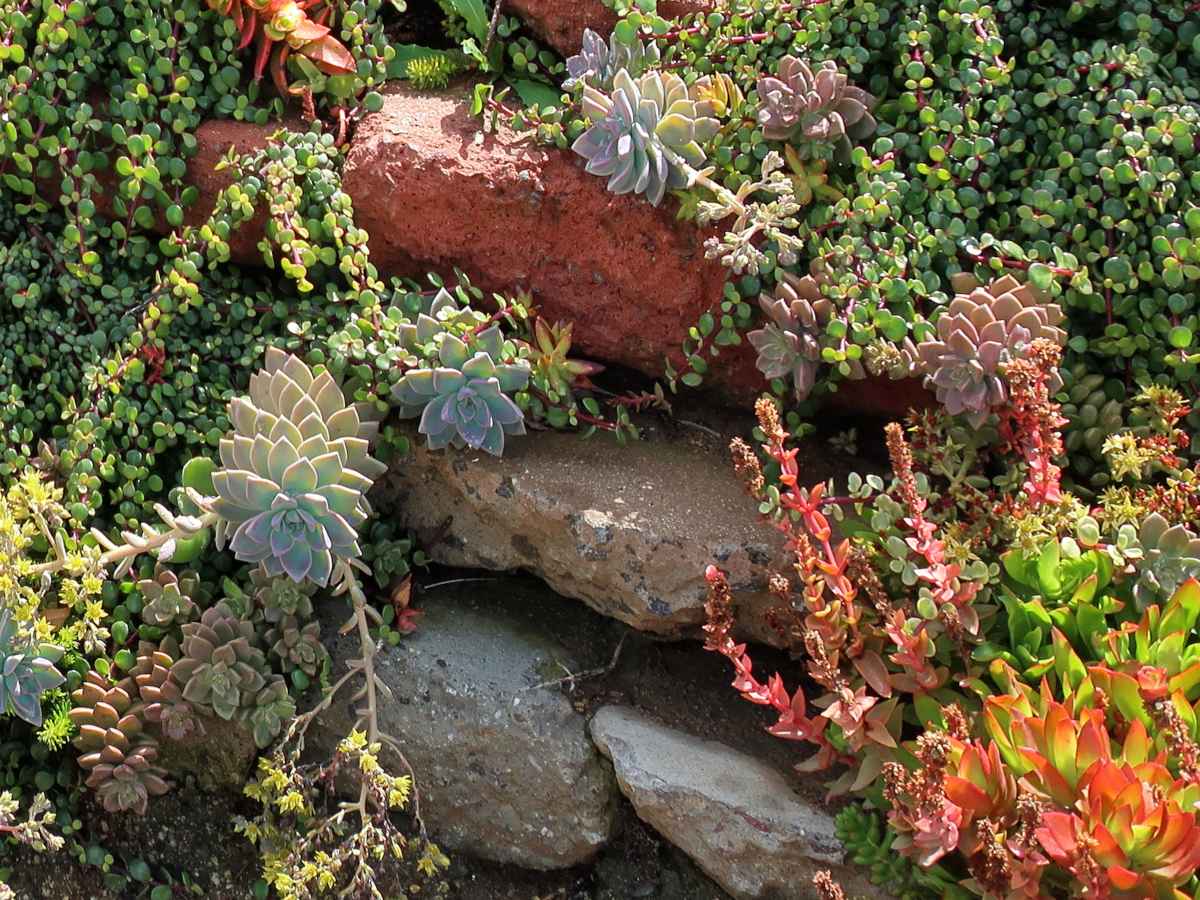
Rock gardens are arrangements inspired by mountain landscapes. Merging mineral and live aesthetics, plants climb between rocks. This type of arrangement suits mounds that can be made to look like mountains or cliffs.
In terms of plants, bet on Mediterranean and alpine plants that flourish in dry soil. Bellflower, sedum, thistle and even delphinium are perennials of the most beautiful effect in rock gardens.
Also consider herb plants like thyme or rosemary.
As for stones, choose local rocks that you can glean here and there, or by contacting a quarry. Also check around if there are any construction sites nearby: professionals usually love to get rid of dug-out material, you might not come back empty-handed!
→ Incredibly beautiful: flowered stone walls
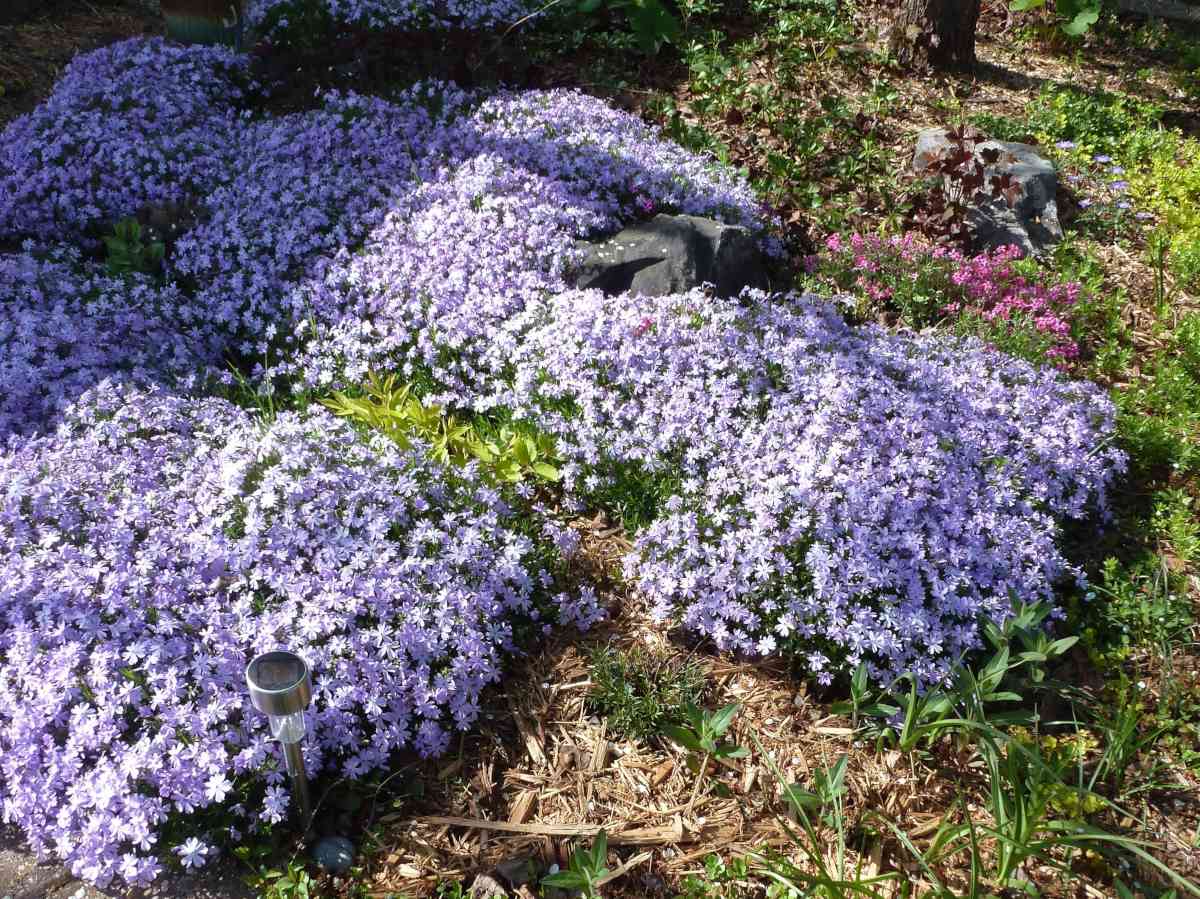
Nothing beats ground cover plants for dressing up a slope! They quickly cover a large area and look very ornamental. If you’ve got a large slope, it’s the perfect solution. Under full sun, go for saxifrage, like the moss variety that reveals pink flowers in late spring. Also, you can count on creeping phlox that grows well in both sun and half-shade. Reaching up to approximately 31.5 inches wide (80cm), this plant adorns itself with many small mauve star-shaped flowers in mid-spring to late spring.
In half-shade or shade on moist soil, opt for Houttuynia! Its pink variegated foliage will brighten up a dark corner. If you’re looking for evergreen foliage to cover a mound that’s in the shade all year round, better go instead with carex, Epimedium, heuchera or perennial geranium.
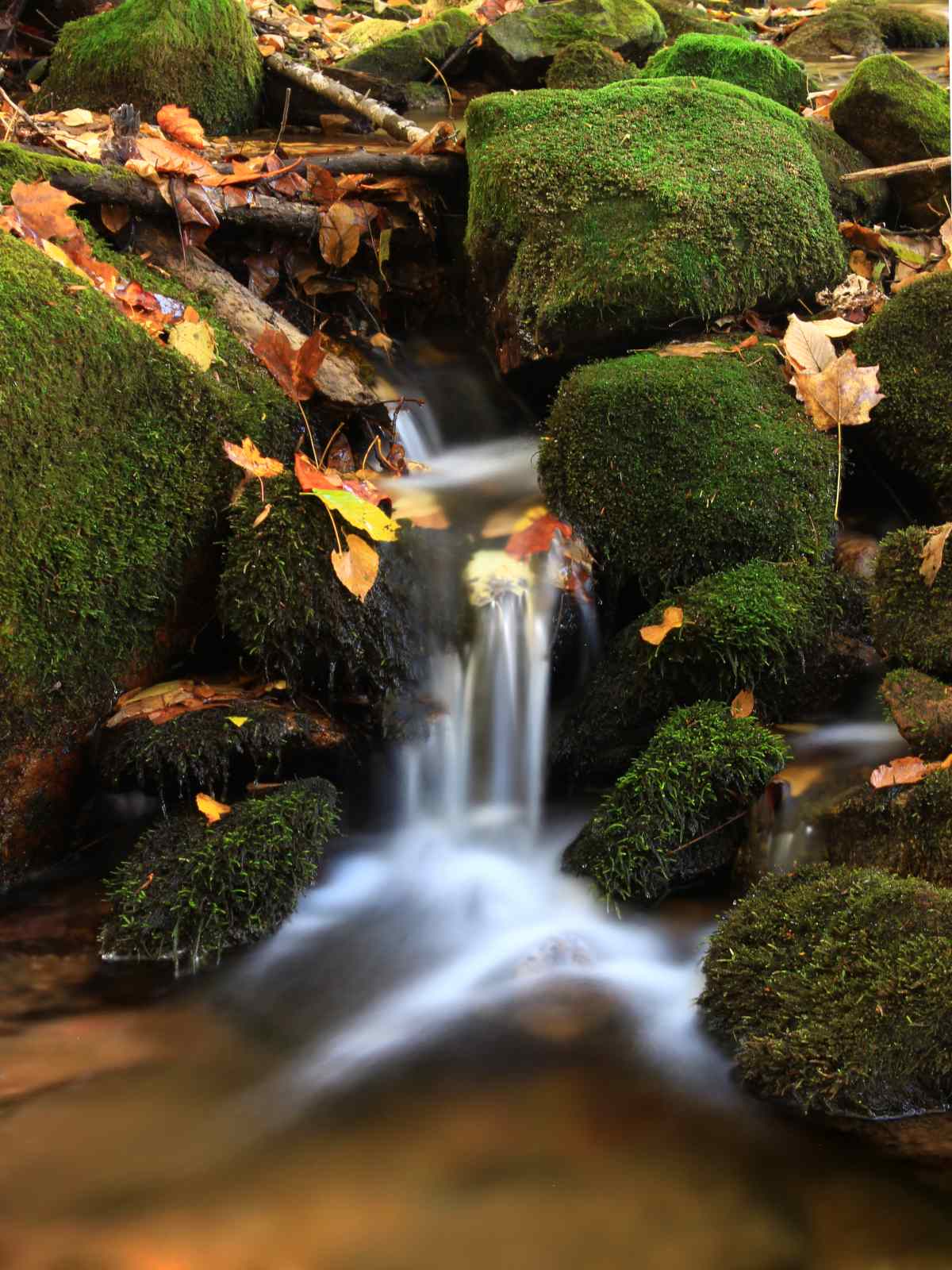
Make this slope a real asset by designing a stream! You’ll feel like you’re immersed in nature from the comfort of your own home.A lower basin collects the running water that a pump filters and sends back up. This little watercourse brings a breath of fresh air that you won’t turn down during heatwaves. The sound of flowing water creates a calming atmosphere within your relaxation space. On both sides of the stream, place rocks, pebbles, and plants. Blend lovely foliage with a few flowering plants to recreate a natural landscape. Finally, enjoy this arrangement by installing a pergola and a patio set nearby.
See your hill as an opportunity to shape the topography of your outdoor space. You can modify this bump-in-the-garden with a little excavation. Depending on the height of your hill, you can create multiple flat, terrace-accomodating spaces to arrange it and join them together at the lowest level. Then use these levels to create special living spaces: a garden lounge, a table for guests, a solarium, a play area for children, a small swimming pool…
Depending on the uses you choose, the plant palette will change. Evergreen plants near a swimming pool, fragrant flowers for the relaxation area, herbs near the dining area…
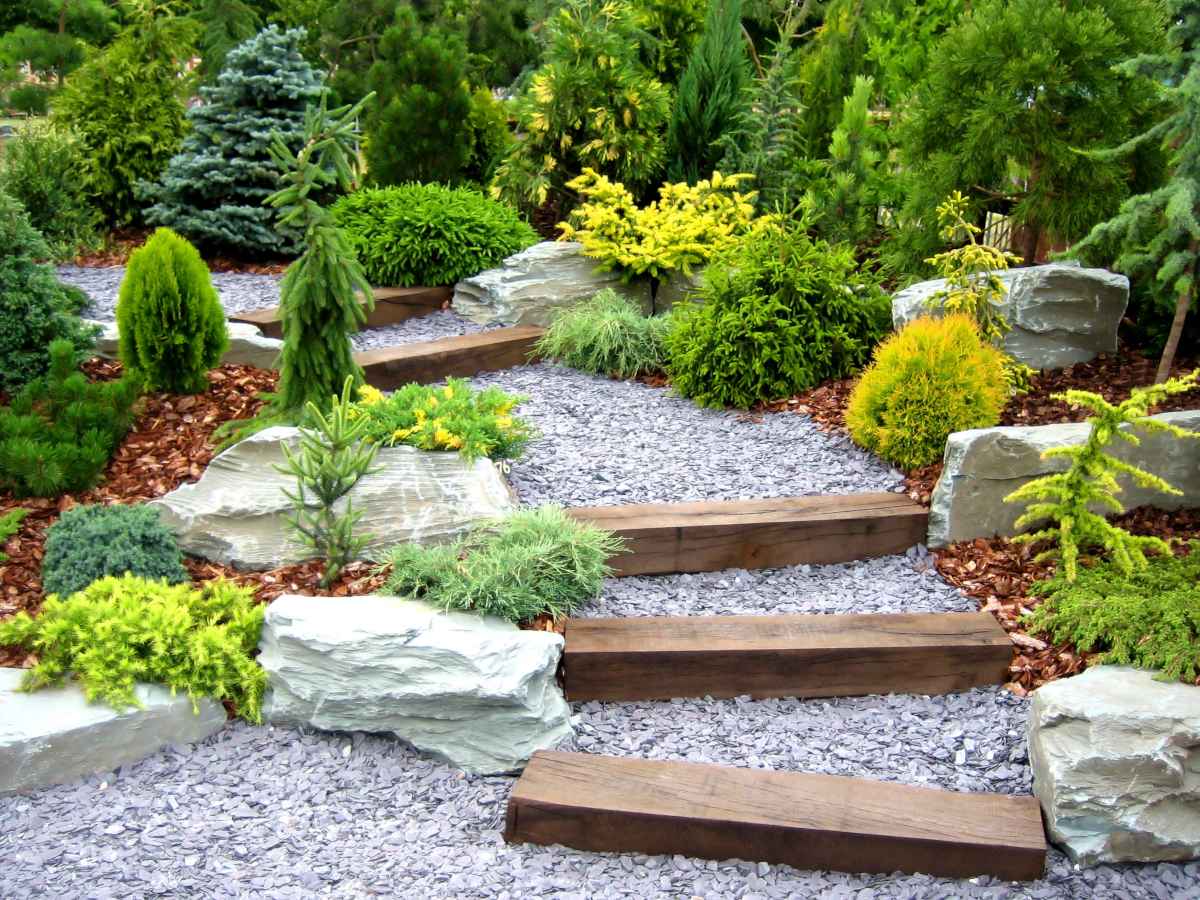
A staircase is a beautiful decorative element when paired with flowerbeds of perennials, annuals, shrubs, and grasses. Trimmed boxwood balls bring roundness and volume to your hill. Combine them with other round-shaped plants such as cotton lavender or euphorbia.
For a natural style, bet on a wooden staircase bordered by wild flowers.
Why not sow a flowery meadow? Your hill will then be invested with flowers throughout the beautiful season. A real biodiversity resource, mixtures of melliferous flowers provide shelter and food for many useful insects for the garden. In addition, only one to two mowings per year are enough to maintain a wildflower-filled patch of color!