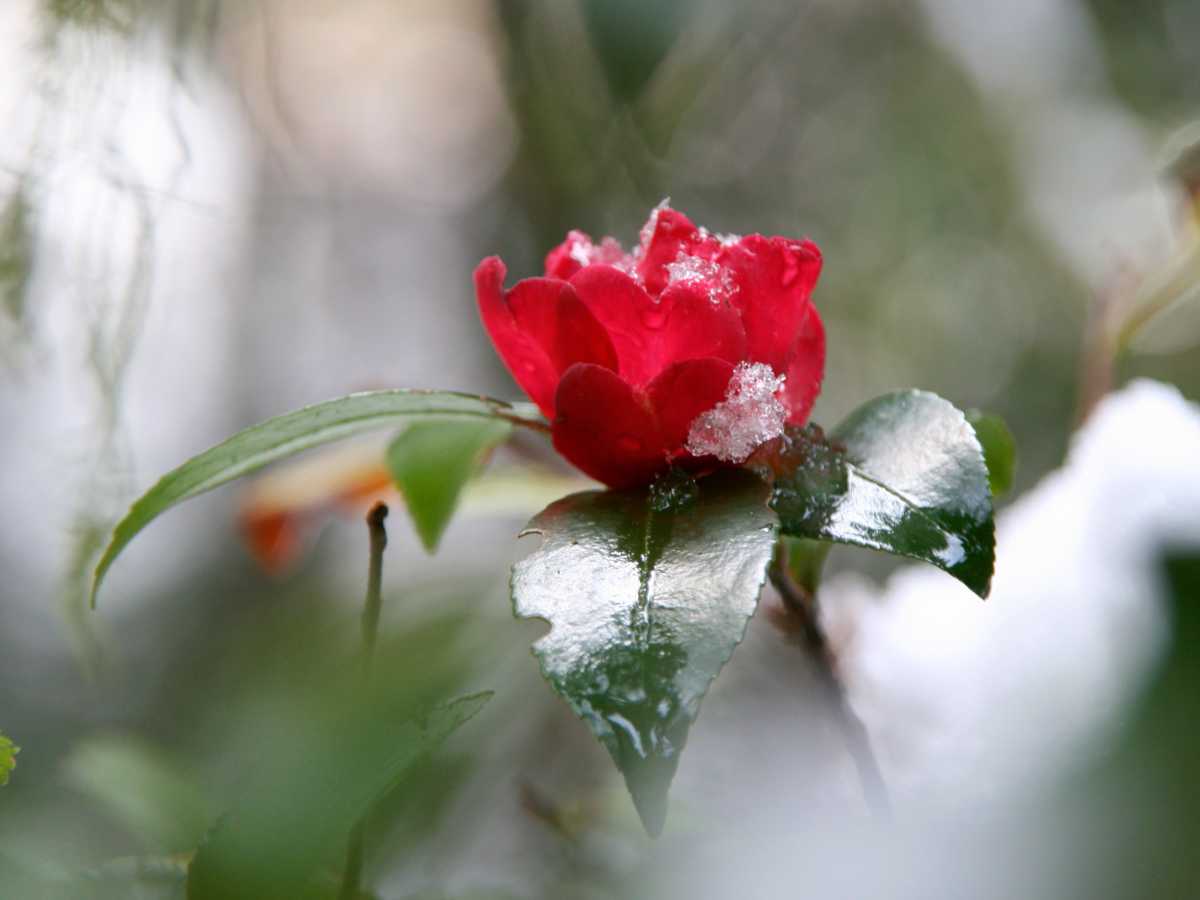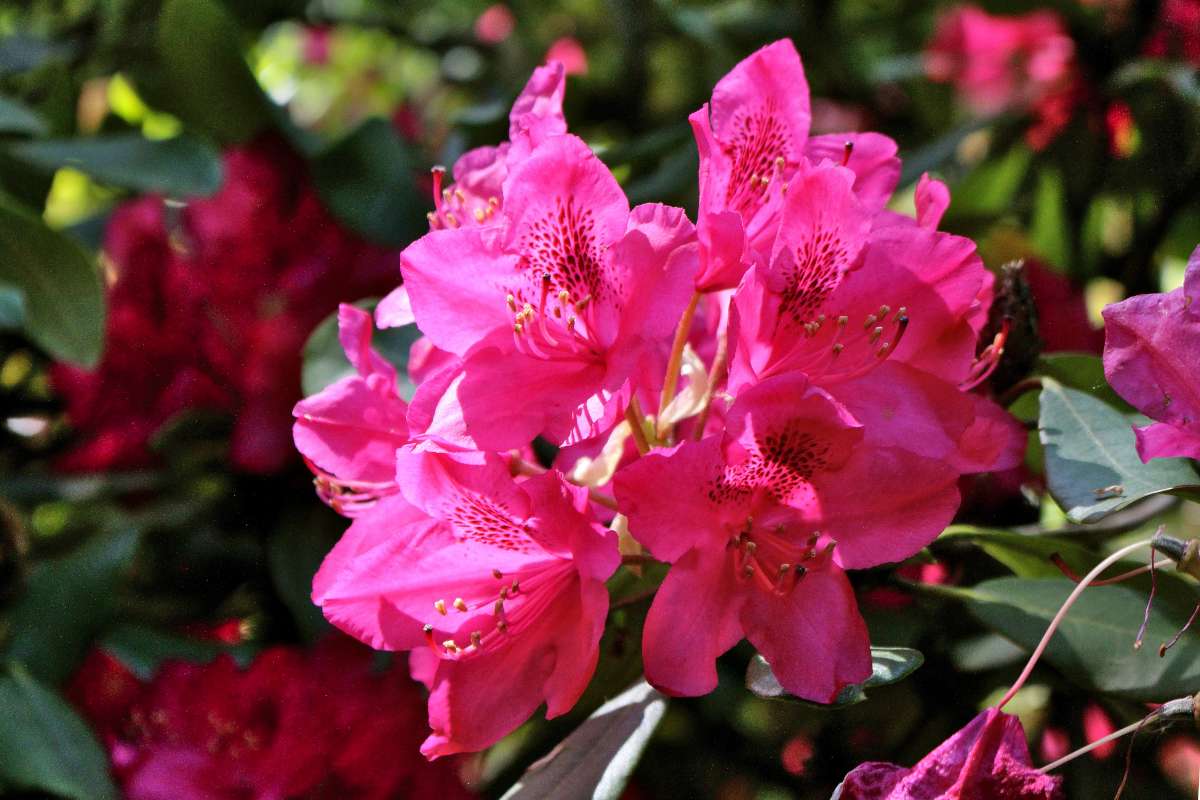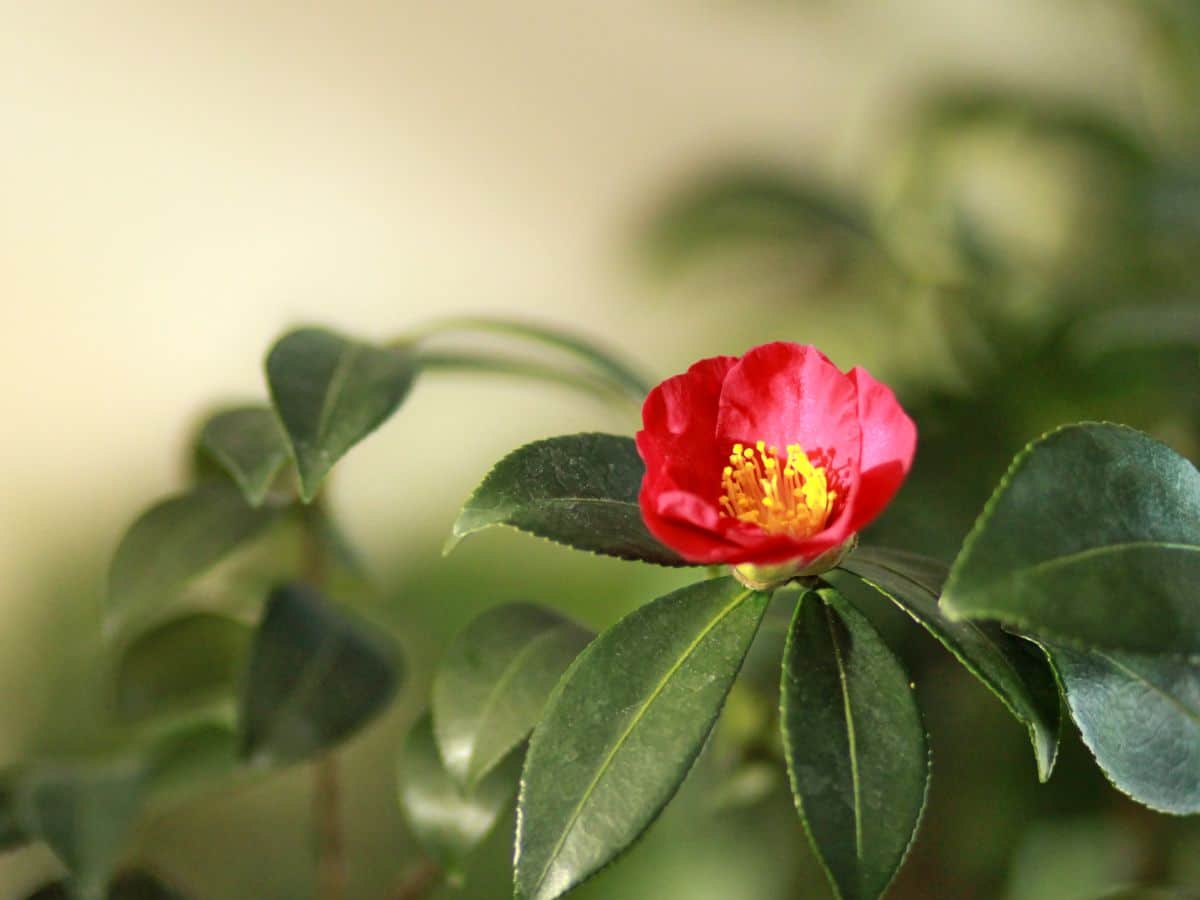
Flowers in every shade of red and pink, in an incredible diversity of shapes, unfolding just as winter hits its hardest: camellia takes the limelight at the season when little else is in bloom. Give it acidic, cool, well-drained soil, sheltered from cold wind and from burning sun, and it will mock the cold for months.
It mocks the cold by deploying abundant flowers, playing with ever so delicate hues and flowers with an incredible diversity of shapes.
Read also:
Though not a difficult shrub to grow generally, some Camellia species and varieties are easier to grow than others.
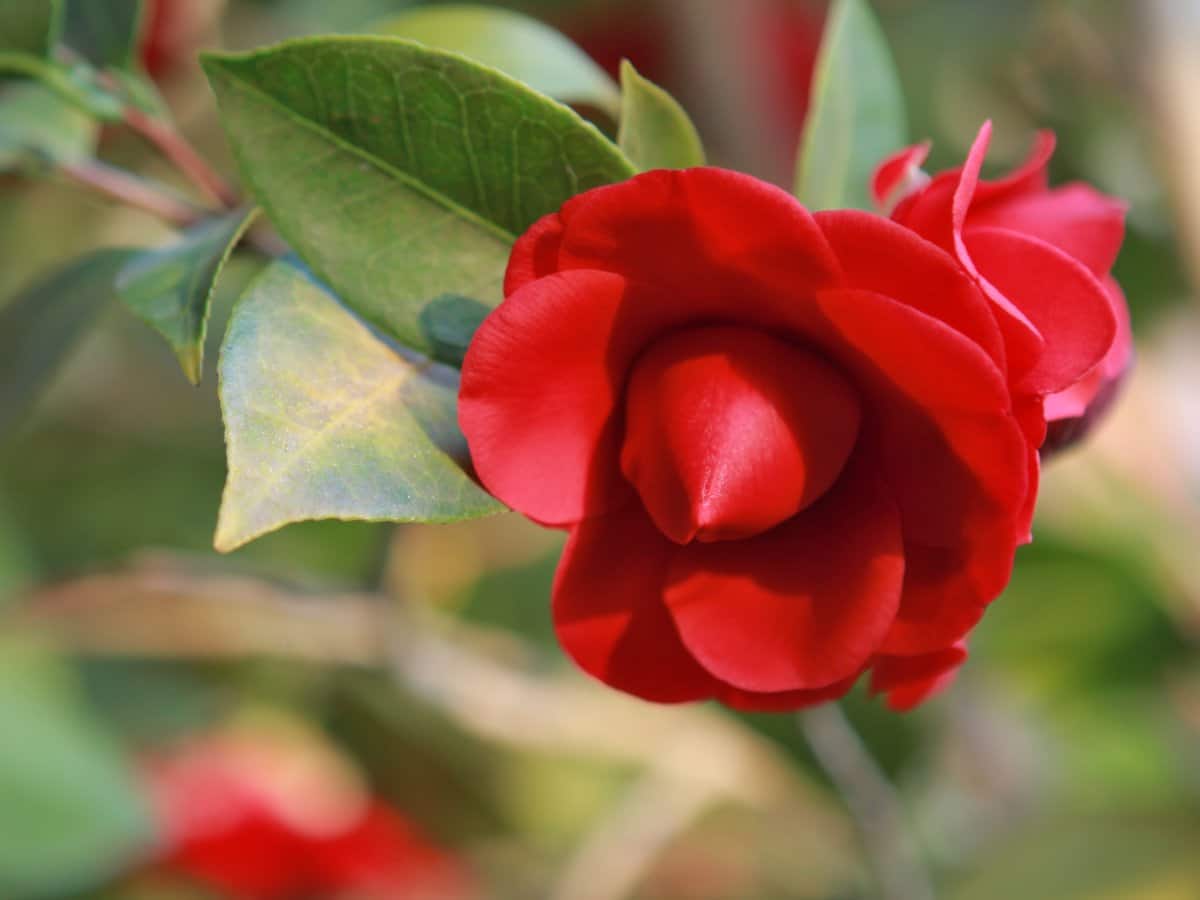
These usually have flowers that are in the red and pink range. Flowers aren’t as complex as for other camellia varieties, giving the shrubs a more natural, wild feel.
As long as they have a good, full foot of soil to grow in (30 cm), they’ll do fine in nearly every garden. The ‘Gloire de Nantes’ bears abundant blooms for nearly half the year.
→ More about winter camellia
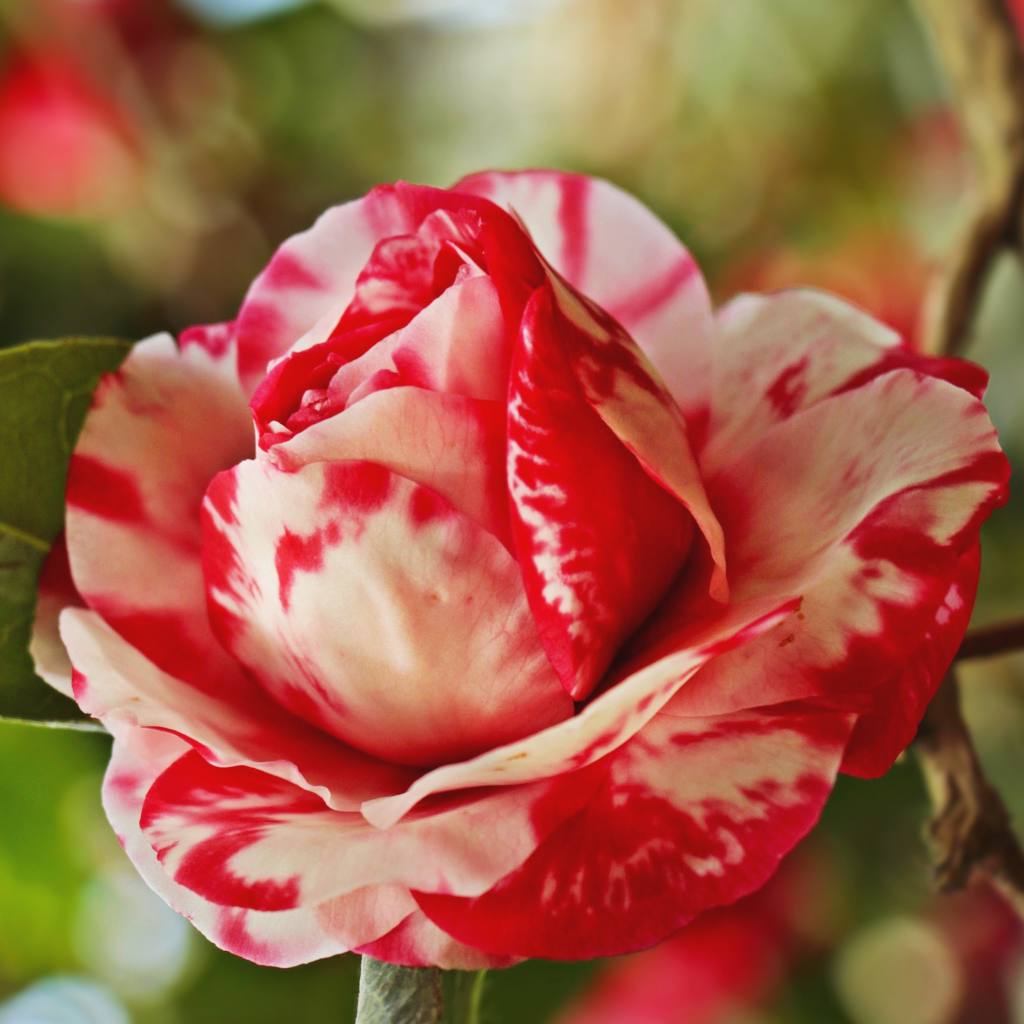
Its amazing flowers seem so perfect they might each be a masterpiece! Unfolding petals as winter hits its hardest, this is an excellent shrub to enliven drab winter days.
Many varieties are quite hardy, which makes it easier to find one that will grow in colder areas.
→ Discover: Camellia sasanqua, a fall and winter flower shrub
Perhaps the most famous of all… Tea! Indeed, the tea tree is a type of Camellia: C. sinensis. It is notoriously difficult to grow when not in its native environment.
With a few quick tips, it can do great in a home, though.
→ Learn how to grow the tea tree indoors
Three camellias turn up again and again, and they are not equally obliging. Here is what separates them before you buy.
| Species | Flowers | Flowering time | Ease of growing |
|---|---|---|---|
| Camellia japonica | Reds and pinks, simpler shapes, natural wild feel | ‘Gloire de Nantes’ blooms for nearly half the year | Easy with a good foot (30 cm) of soil |
| Camellia sasanqua | Elaborate, near-perfect blooms | Opens as winter hits its hardest | Easy, and many varieties are hardy enough for colder areas |
| Camellia sinensis (tea tree) | Grown for its leaves rather than show | Not grown for winter display | Difficult outside its native environment; better indoors |
For a first camellia, japonica and sasanqua are the safe bets; leave the tea tree for a pot indoors.
Notwithstanding the species, you can tweak the environment to get your Camellia growing right.
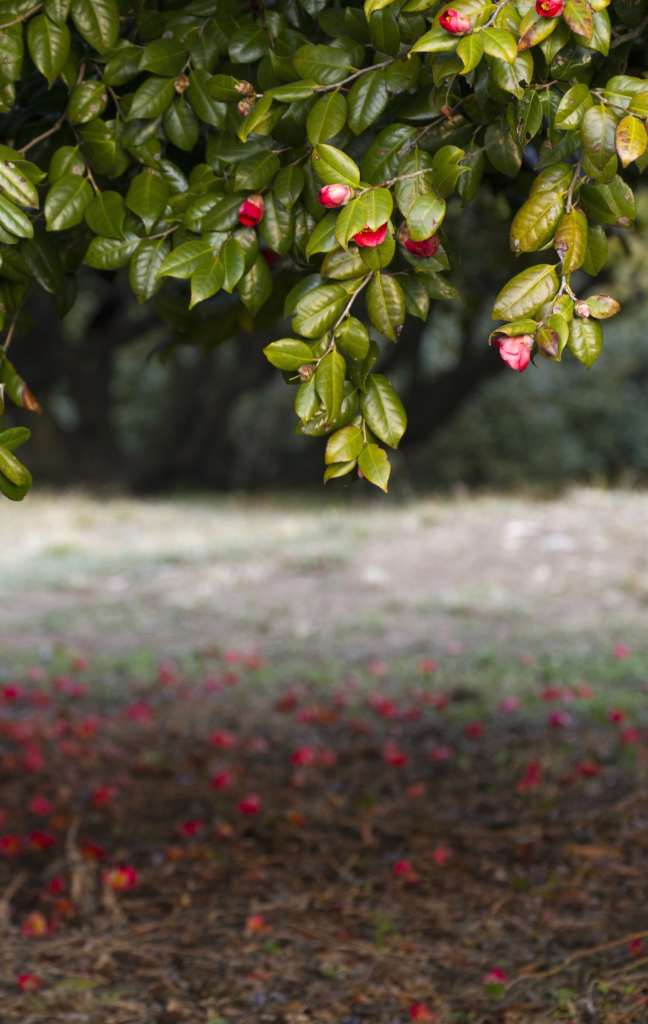
Set it up away from drafts of cold wind and from burning rays of the sun. The cooler the soil in summer, the better camellia will resist sun.
Feel free to plant it under the protective cover of large deciduous trees, while avoiding trees with superficial root systems that tend to absorb all the water.
Having some kind of wind breaker will protect the weakest flowers from foul weather and will keep the white flowers from experiencing rust. Avoid Eastern exposure, because the winter sun would feel too harsh just after a very cold night.
Acidic (pH around 6), cool, well drained and fertile! If your soil is chalky or neutral, dig up a special trench and layer the bottom of it with garden fabric or plant in a pot. Don’t plant in pure heath soil, it would be too light and doesn’t have many nutrients.
Enrich it with humus. In a pot, provide some “meat” to your substrate by adding a clay soil mix usually designed for rose trees.
Immerse the clump before planting to hydrate it well. The planting hole must be twice the volume of the clump itself, and wider than it is deep because the roots develop along the surface.
Increase drainage by pouring a layer of clay pebbles at the bottom of the hole. Don’t use white limestone gravel, since this would cancel out soil acidity. Camellia loves acidic soil!
Regular mulch with organic matter will enrich the soil.
Complement with fertilizer (for heath plants) in spring to supplement growth and formation of the upcoming flower buds.
And keep the substrate cool all year with regular watering (non-hard water like rainwater is perfect).
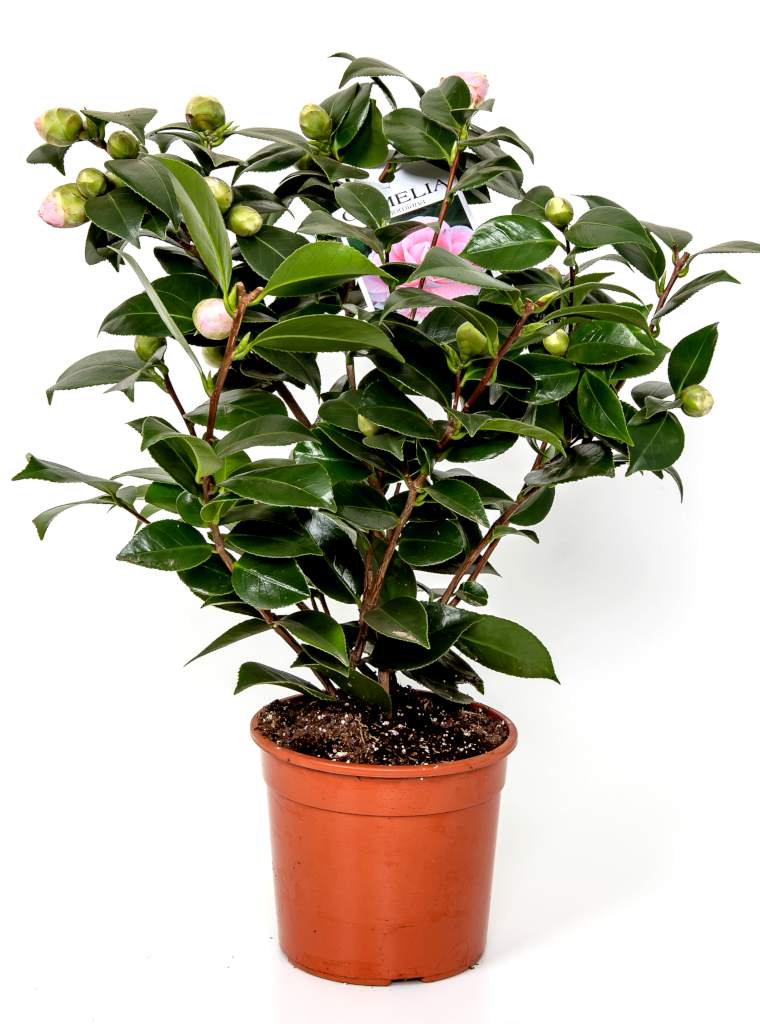
Camellia can live for many long years in a pot, provided it be at least 16 inches (40 cm) across. At the beginning of every spring, replace the top 2 inches (5 cm) of the surfaces with brand new substrate.
The pot will produce perfect flowers if it can be protected from the cold and harsh weather in a greenhouse or lean-in, unheated, around 40°F to 50°F (5°C to 10°C).
Never leave the pot standing in a saucer of water, as camellia roots rot in stagnant wet.
Superficial roots are vulnerable to drought and to cold.
The best strategy to overcome this is mulching. Whenever possible, even every couple months, spread a thick layer of dead leaves or garden trimmings, depending on the season. Keep the root crown clear, but layer it on anywhere else!