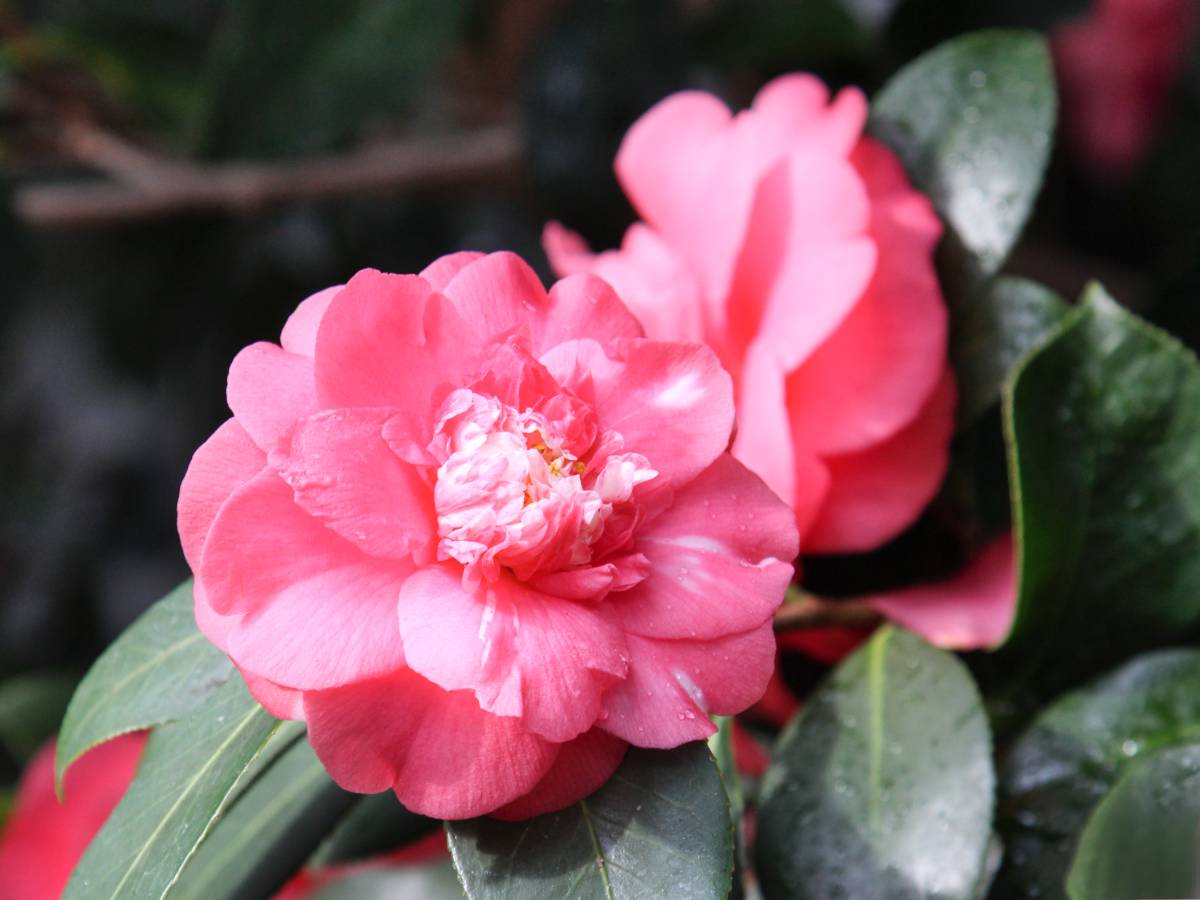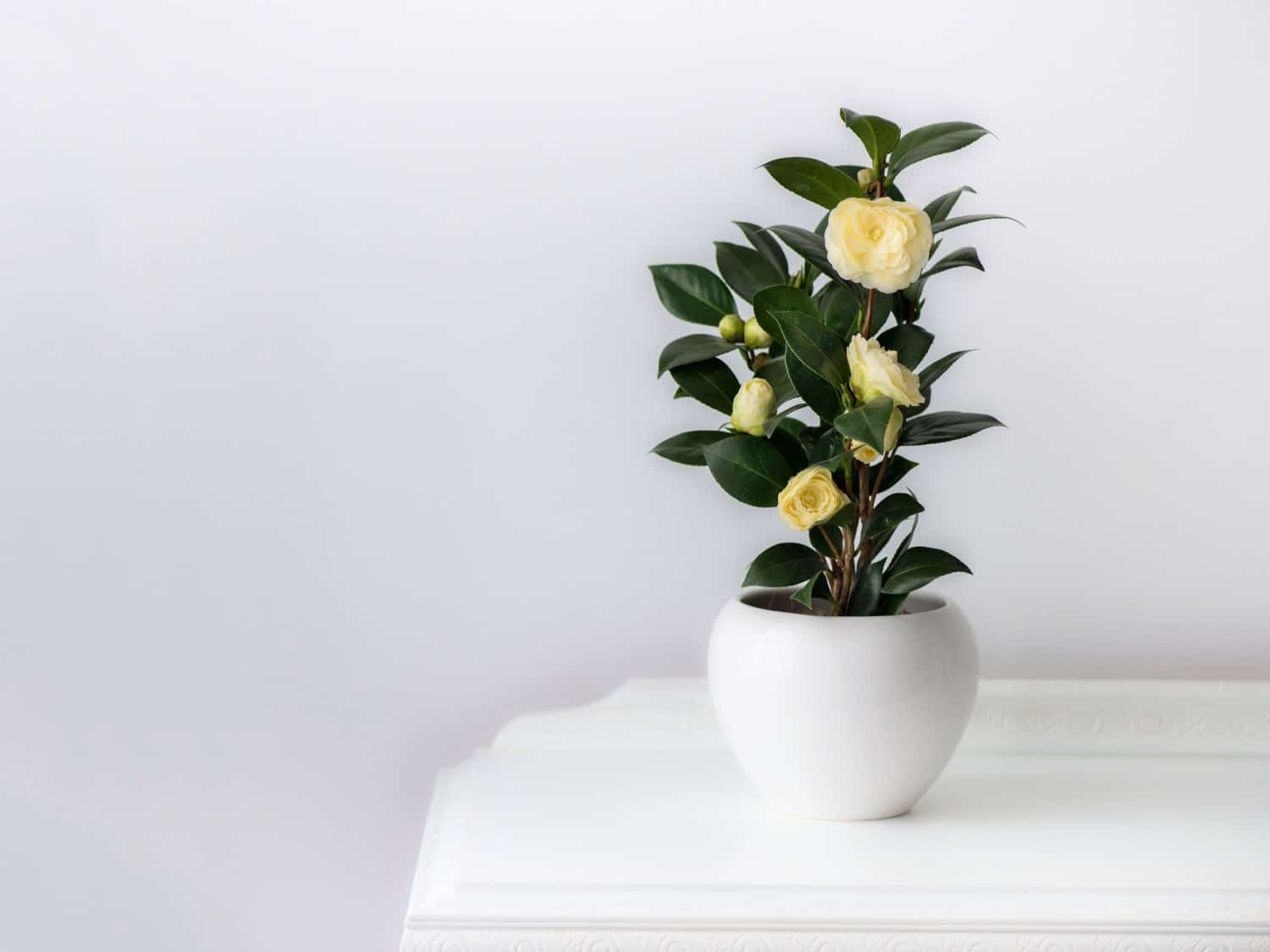
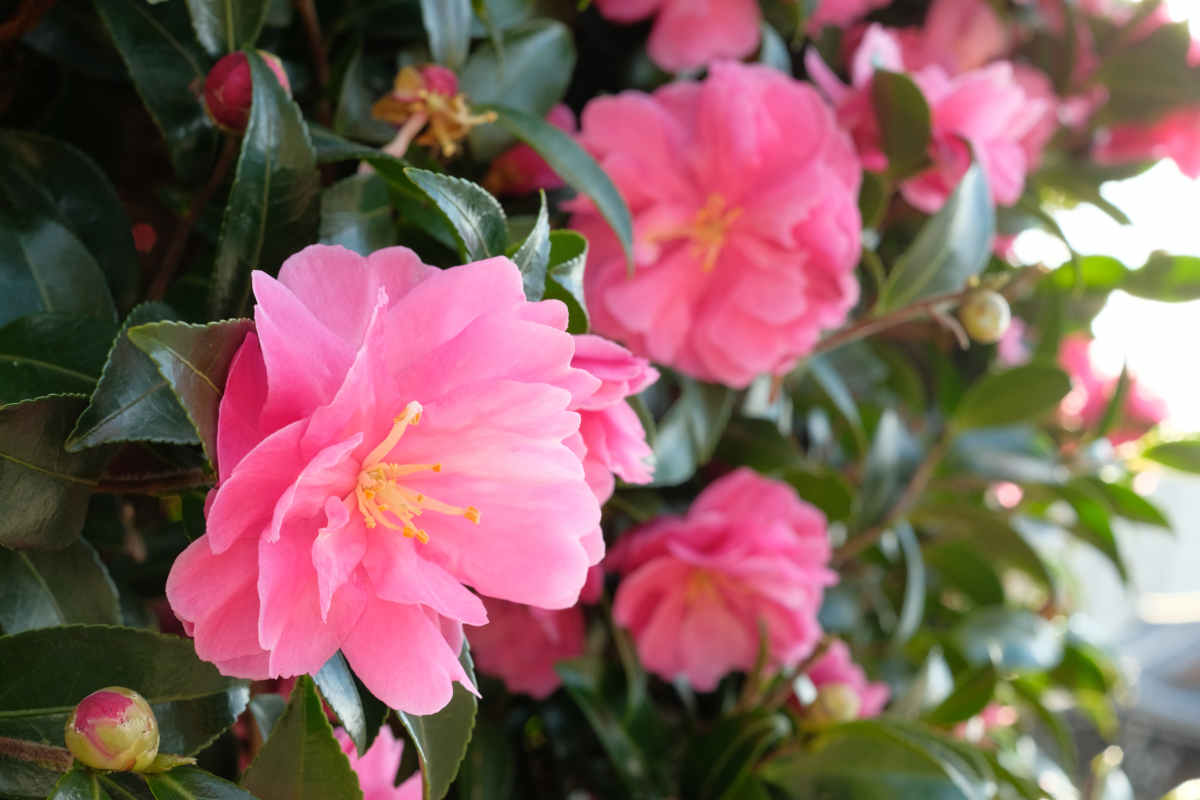
Simple, bright flowers open from autumn into the heart of winter, then shed their petals to carpet the ground much as cherry blossom does in spring. Sasanqua Camellia lights up the garden when the rest of the plant world is shutting down, provided it gets strong light, free-draining acid soil and shelter from wind.
Its petals as they drop litter the ground to form a colorful carpet, much like cherry trees do in spring.
There are 82 known species of camellia and an estimated 10,000 cultivars grown to date.
Sasanqua Camellia isn’t yet widely grown, which is surprising because it brings the garden to life in autumn and winter with its bright colors when the rest of the plant world prepares to sleep.
early spring and mid-spring is the ideal planting season for Sasanqua Camellia, but if you purchase it in a container, plant it whenever is convenient for you.
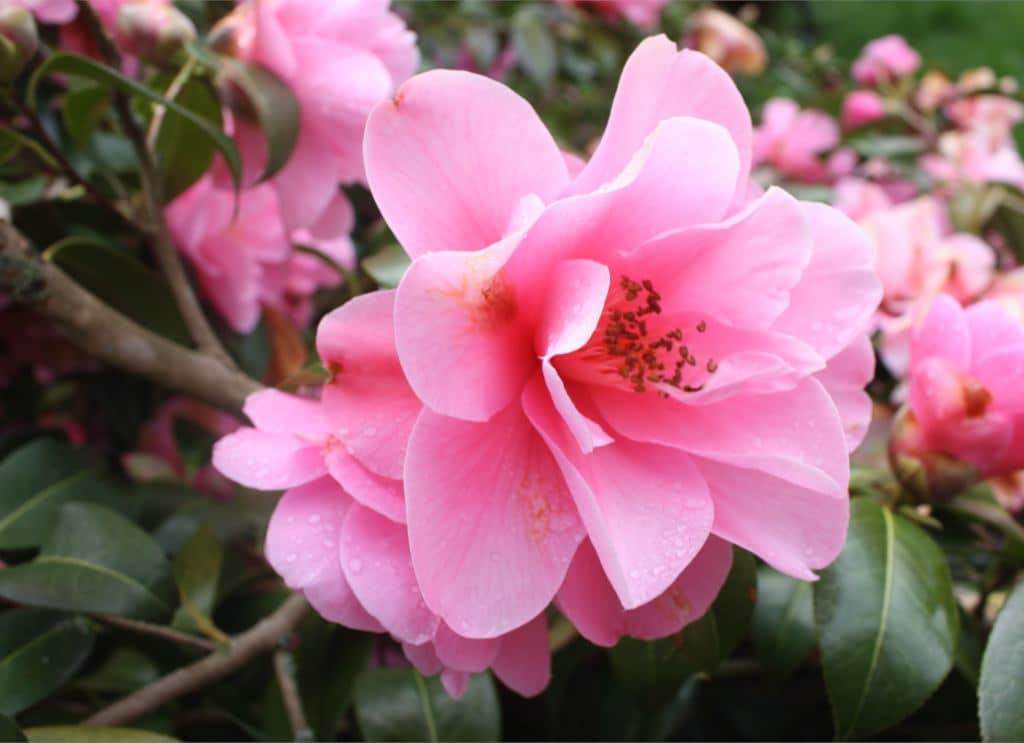
Set it up in full sun because it requires strong light, but avoid having it face South which might burn it in summer. Shelter it from wind or the flowers will fall apart in short time.
In regions where winters are cold, protect it from the cold and wind with a wind-breaker. Keep the ground from freezing by protecting the roots with a pile of dried leaves laden down with sand.
Autumn-flowering camellias are sold under a handful of long-established names, and they differ mostly in flower colour and in habit. Choose according to whether you want an upright screen or a low, spreading shrub.
| Variety | Flower | Habit and size | Main season |
|---|---|---|---|
| ‘Yuletide’ | Single, fiery red with a boss of yellow stamens | Upright, compact, 6–10 ft (2–3 m) | Late autumn into early winter |
| ‘Setsugekka’ | Large white semi-double with ruffled petals | Upright, vigorous, 8–10 ft (2.5–3 m) | Autumn |
| ‘Narumigata’ | Single white flushed pink at the edges, scented | Upright, 8–10 ft (2.5–3 m) | Autumn |
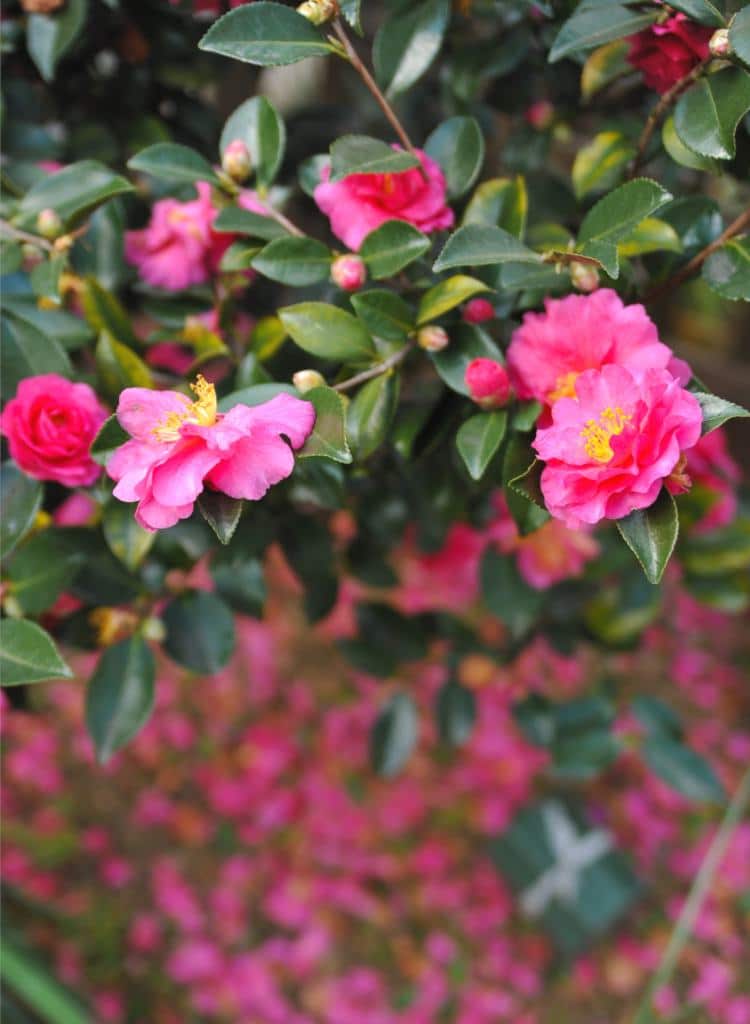
The soil must be kept cool at all times.
When rain comes to default, water your Sasanqua Camellia, especially during the first year after planting.
After a long hot day, drench the leaves, it will thank you because it likes mist and fog.
That’s why growing along the coast suits it well, it thus can benefit from the mildness and moisture of oceanic climate.
It isn’t mandatory to prune Sasanqua Camellia because letting it grow free will produce very appealing shapes. However, if you aim to have it grow as a sphere, a pyramid, or other, you can prune it without any problems.
Prune right after the blooming, because Sasanqua Camellia builds up its flower buds during summer on new growth. If you prune too late, you might cut off the branches that were supposed to flower. This won’t endanger the plant, though.