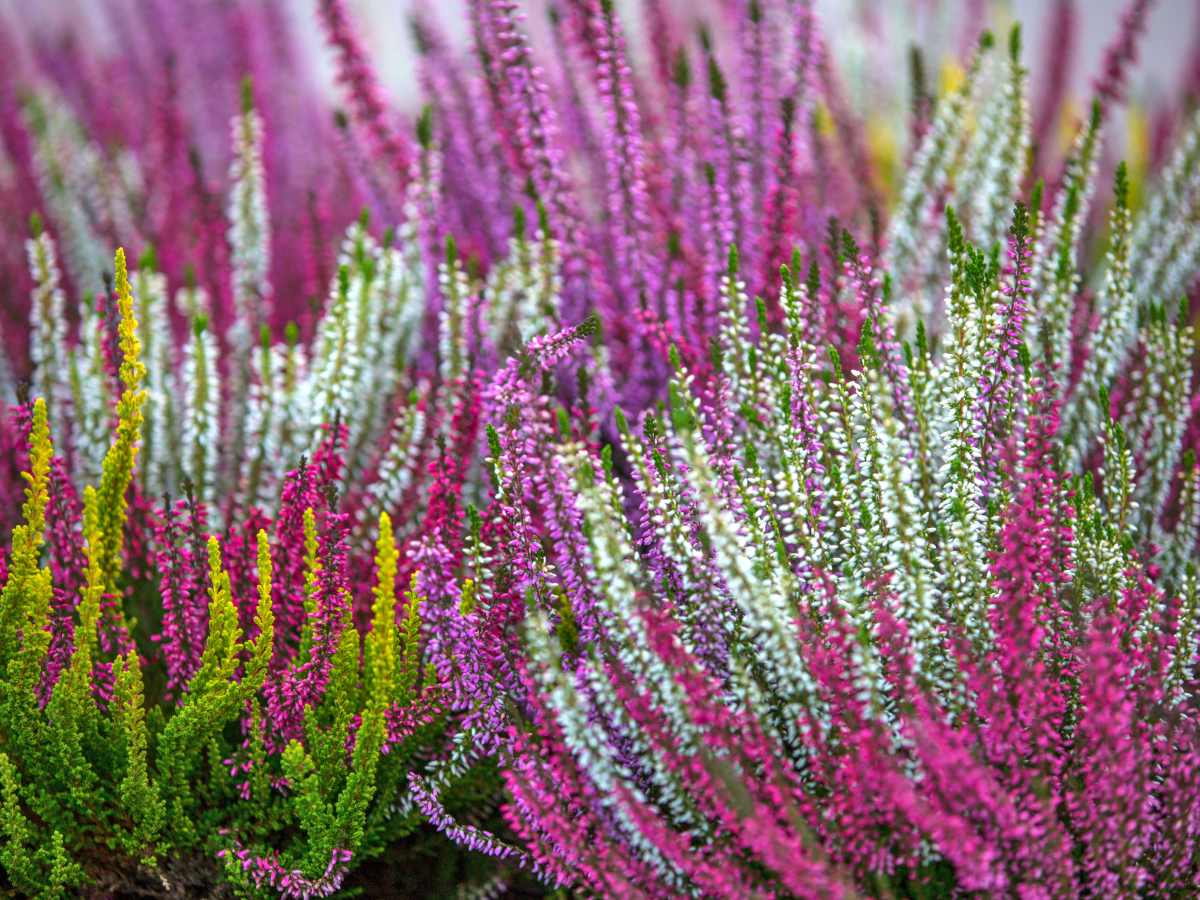
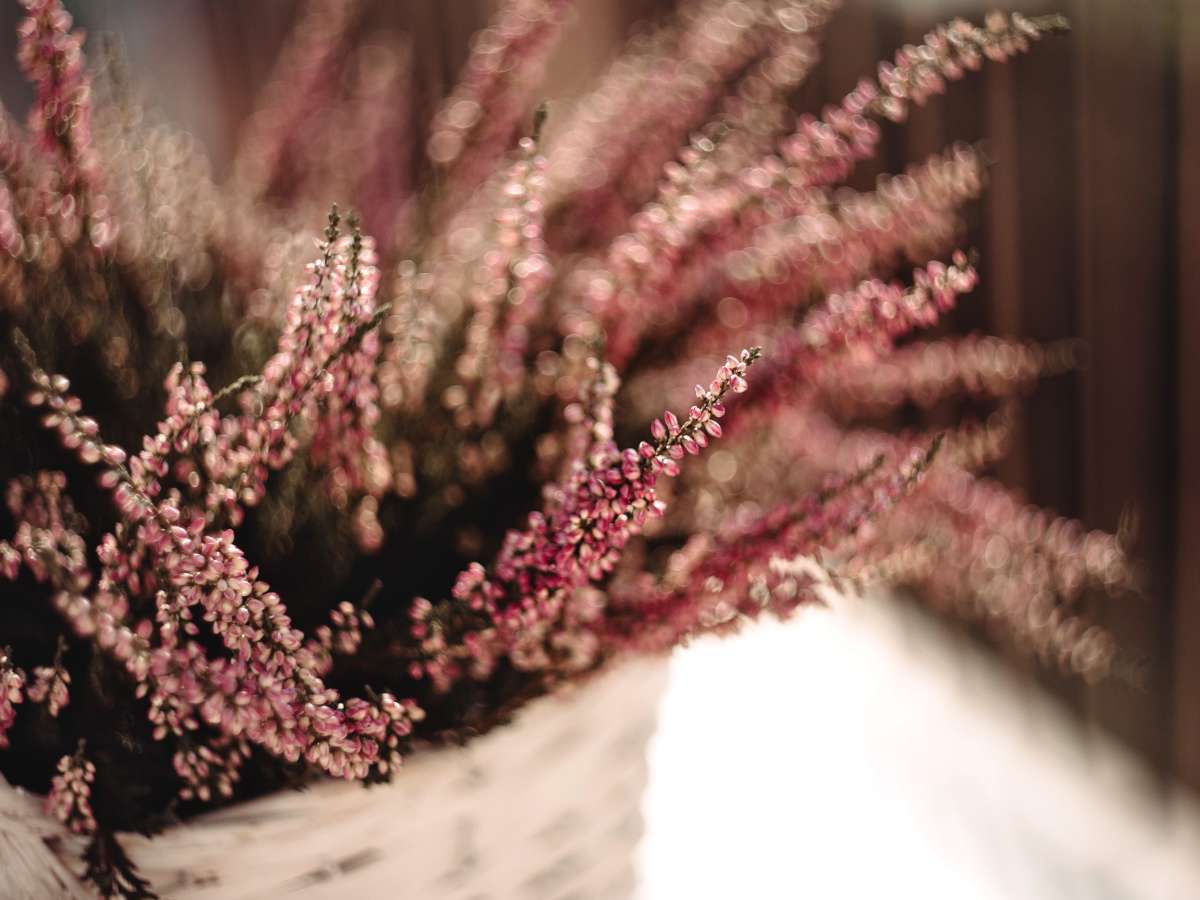
Evergreen and low-spreading, heather (Erica and Calluna) can be found in flower in almost any month of the year: summer and fall for common heather, fall and winter for the ericas. It is famous as a ground cover for acid ground, and one condition decides everything — well-draining heath soil, never chalk.
| Name | Erica or Calluna |
|---|---|
| Family | Ericaceae |
| Type | heath plant |
| Height | ½ to 5 feet (15 to 150 cm) |
| Exposure | full sun, part sun |
| Soil | heath soil |
| Foliage | evergreen |
| Flowering | midwinter to early winter (depends on species) |
It grows so well in old marshy land, that it gave its name to that soil type: heath soil and heathland. It does great in normal soil and pots, too.
What makes heather special is that it grows best in soil that is too acid for other plants. It’s difficult to grow it on limestone and chalk. A typical good soil is heath or peat.
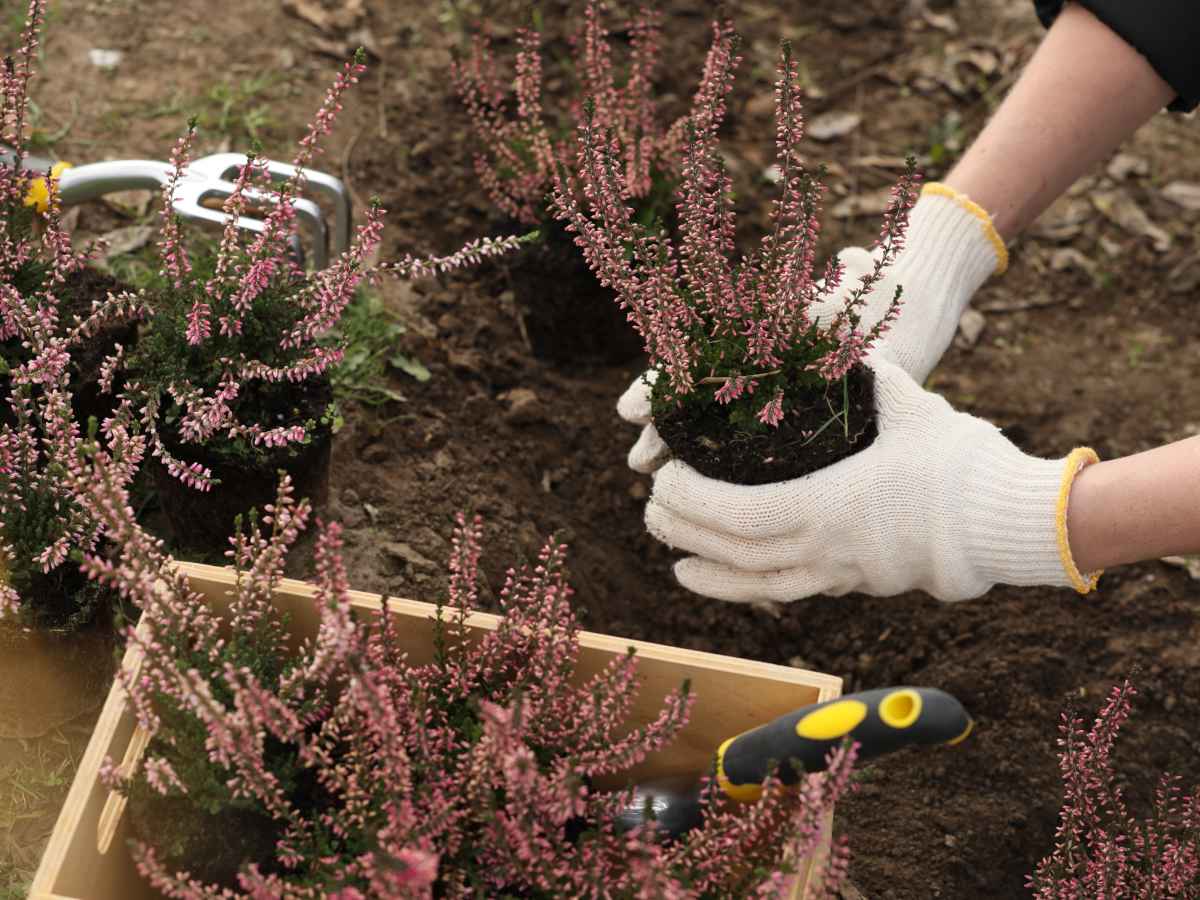
There are 2 different classes of heather, erica and calluna, but they’re very similar. Plant them in exactly the same manner.
Recently, new alternatives to peat are appearing on the market. Using substitutes avoids peat bog mining and preserves those fragile ecosystems. Favor these renewable options if they’re available.
Pay attention to which type you’re about to purchase: Calluna will bloom in summer/fall, and Erica will bloom in fall/winter.
The two classes of heather are planted in exactly the same way, but they do not flower at the same time of year. Check the label before buying, because that is what decides when your bed is in colour.
| Type | Botanical name | Flowering period | Good to know |
|---|---|---|---|
| Summer heather, or common heather | Calluna | Summer, into fall | Blooms in summer, the classic carpeting heather |
| Winter heather | Erica | Fall and winter | Brings flowers to the garden in the cold months |
| Hardiest winter heather | Erica carnea | Fall and winter | Among the hardiest of all the Erica species |
| Special cultivars and varieties | Erica and Calluna selections | Fall and spring | Fill the gaps so a bed can flower all year round |
Alternating types in the same bed is the simplest way to have heather in flower whatever the month.
Heather can grow without any pruning.
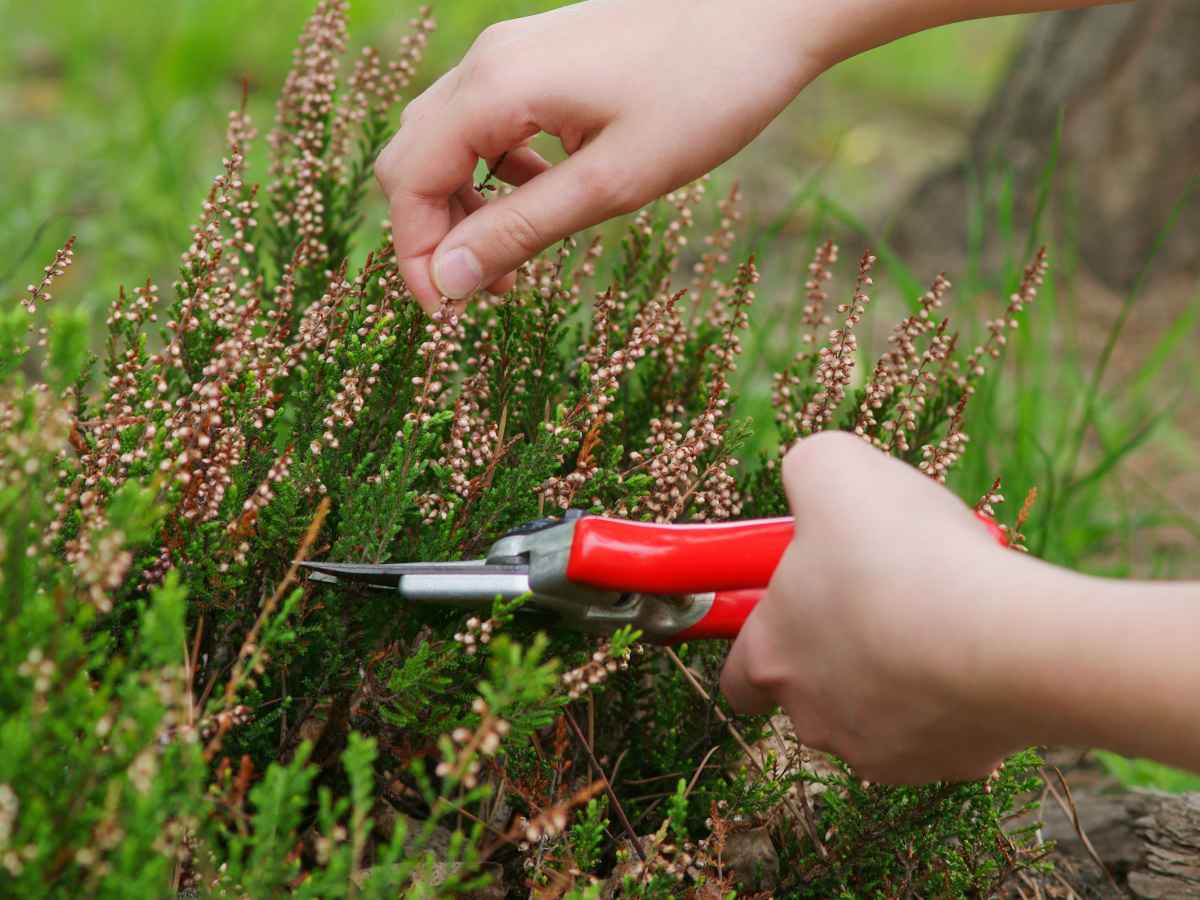
Nonetheless, as years go by, the plant may need to be pruned to a more harmonious silhouette.
Remember to fertilize from time to time (once a fortnight during the growing phase).
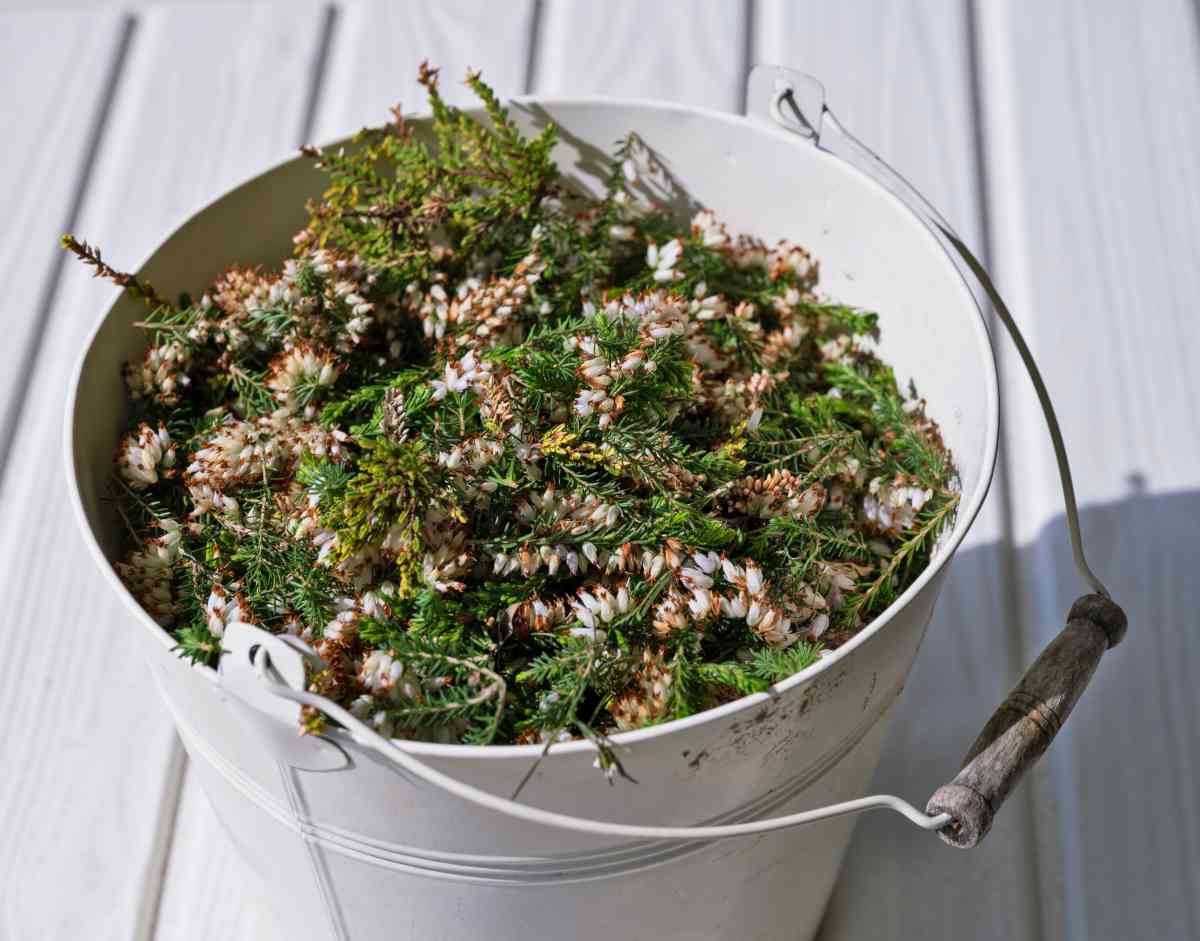
Home-made fertilizer is fine, simply toss your heather clippings in a plastic pail of rainwater with a lid and let it rot. Eventually, add in plant material from other heath plants.
Use it after 2-3 months, adding half a cup for every quart of water (about 1:8 or 1:10 ratio).
This fertilizer contains exactly what heather needs, since it’s made from heather! Other heath plant fertilizers are fine, too.
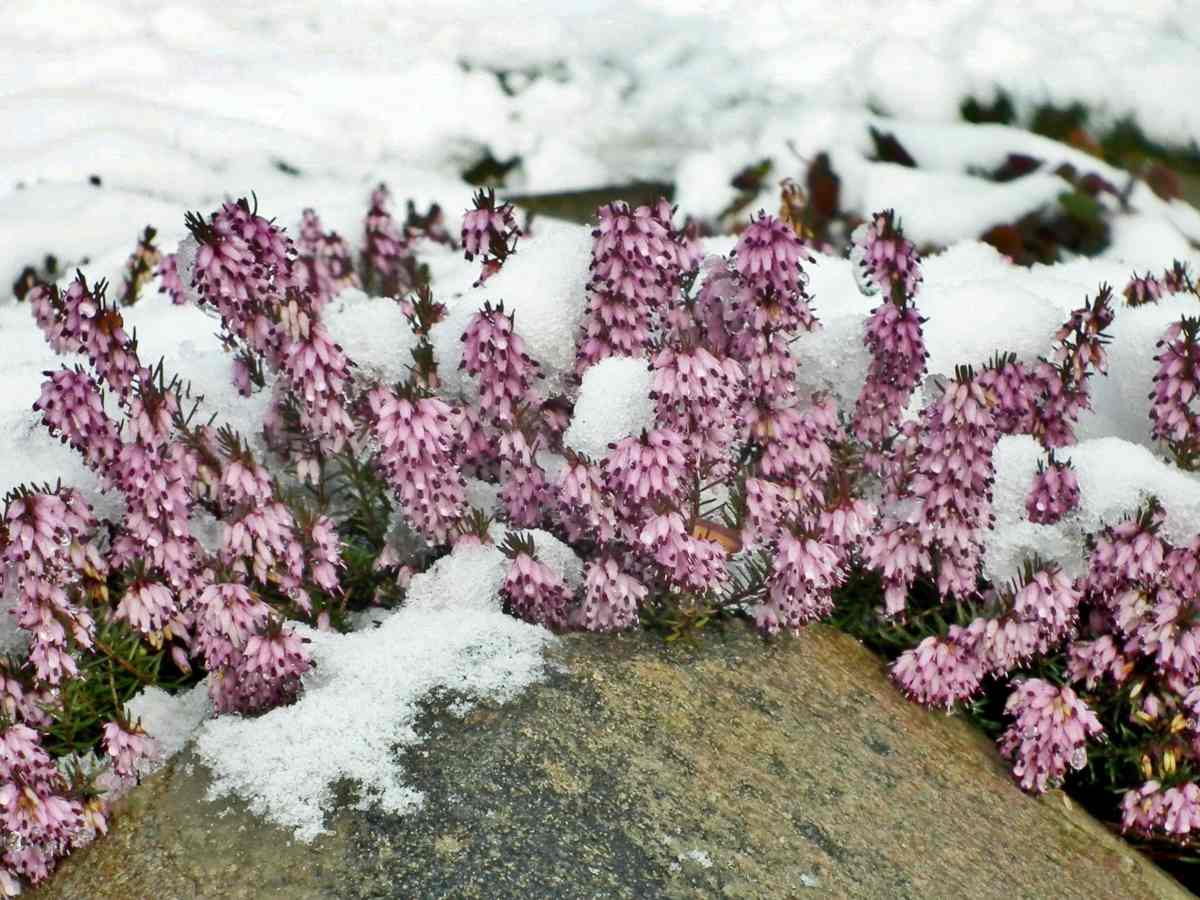
Heather is generally very hardy and doesn’t require any care. Just mind our planting tips and avoid chalky or limestone soil.
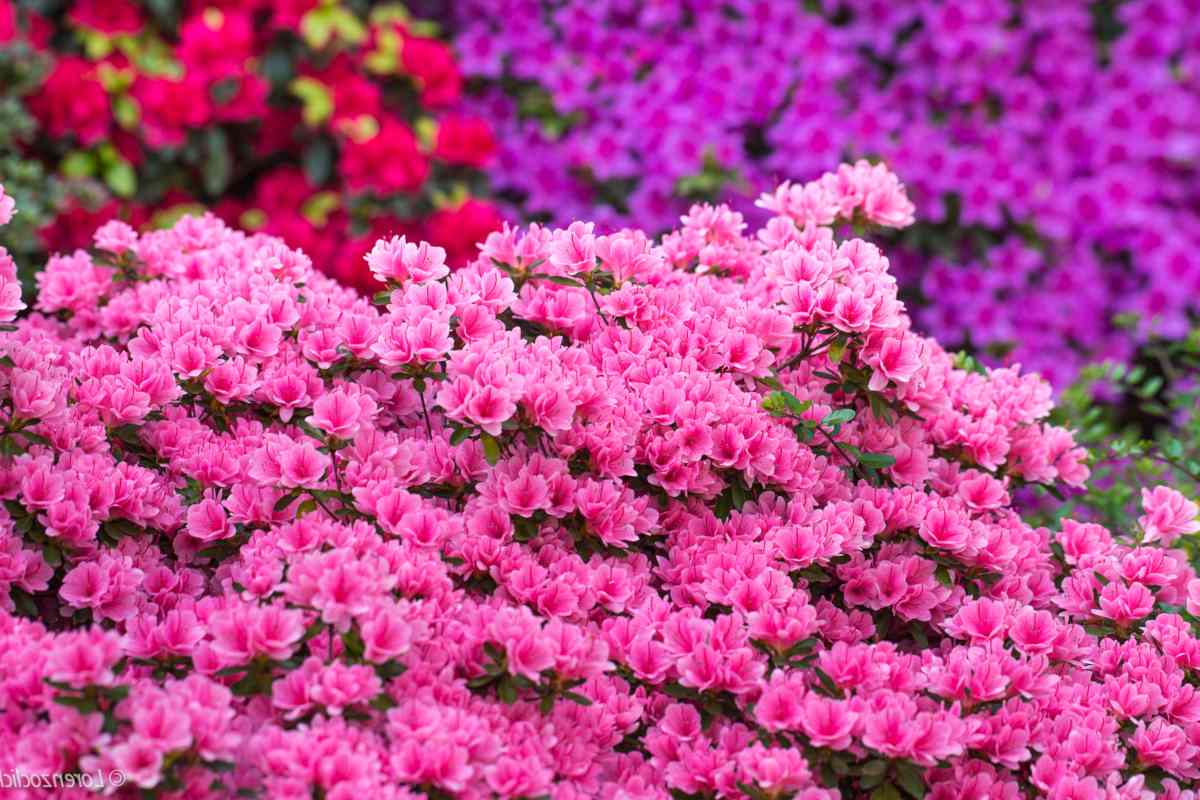
An entire set of plants from many families is now included under the generic name “heath plants” like rhododendron, camellia and azalea.
You can plant heather along edges, in rocky beds and create beds together with other heath plants .
Heather is famous for its ground-covering properties.
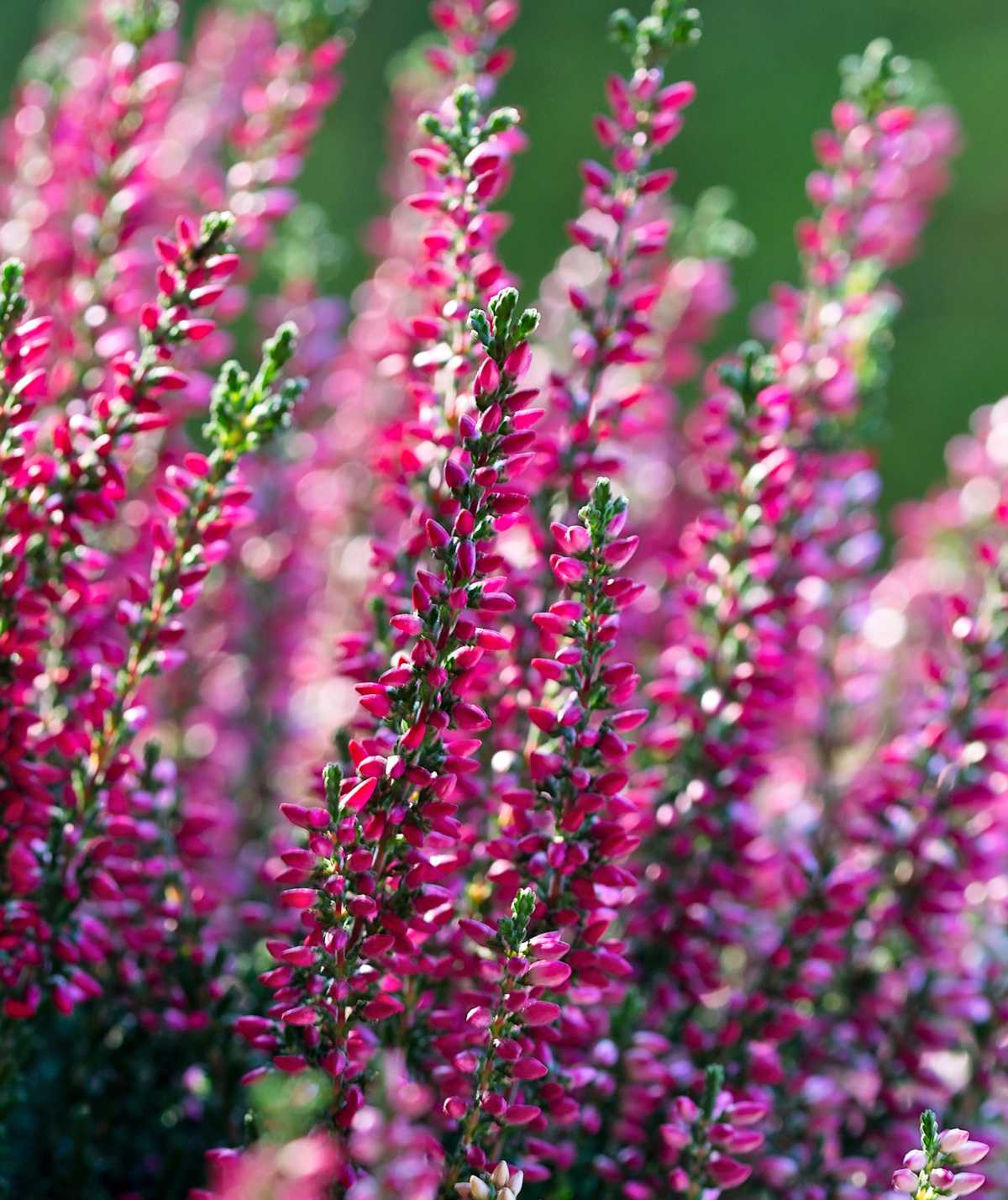
There are two types of heather:
There are also special cultivars and varieties that bloom in fall and spring. When planting a bed of heather, try alternating varieties and you’ll have flowers all year round!
Although “heath” and “heather” share the same root, they’re pronounced quite differently:
Read also:
Add special heath plant fertilizer to spectacularly boost flower-bearing.