Home » Gardening » Citrus » Pomelo or Grapefruit tree – advice on caring for it
Pomelo or Grapefruit tree – advice on caring for it
·
0
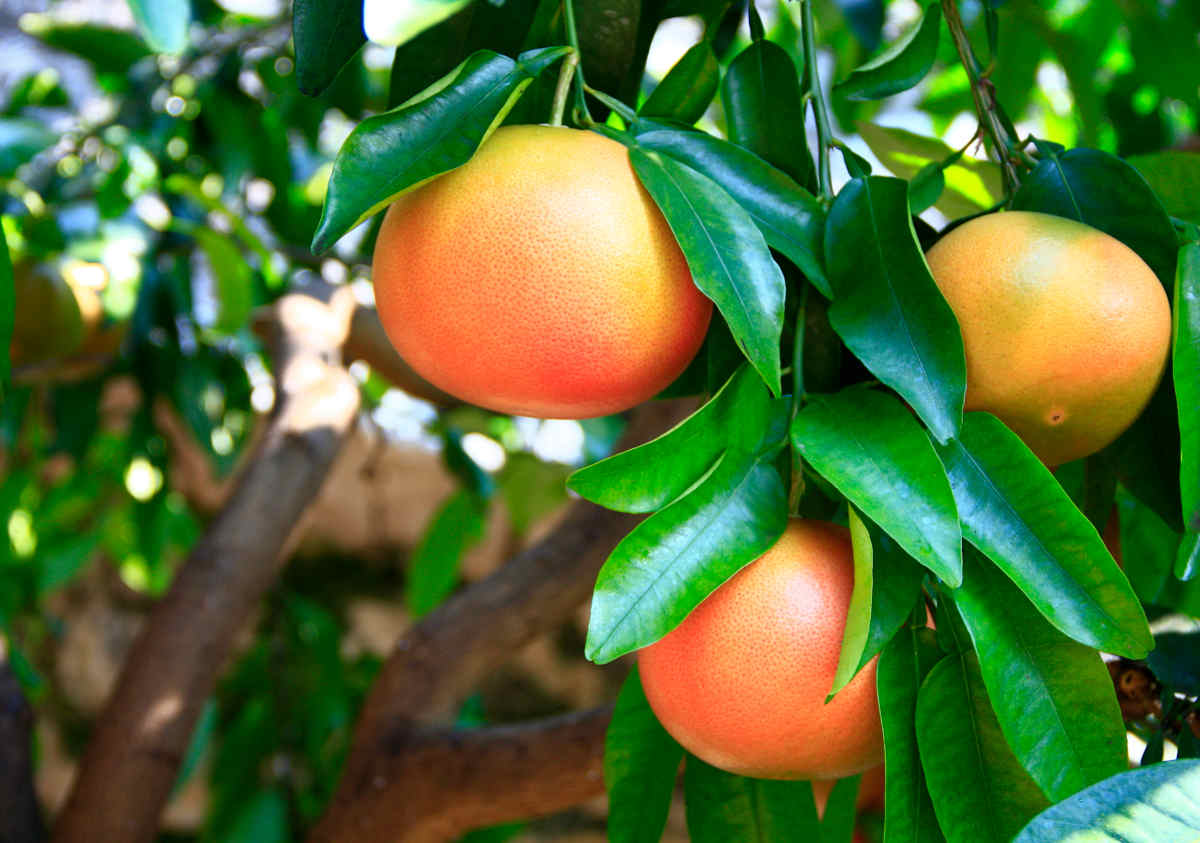
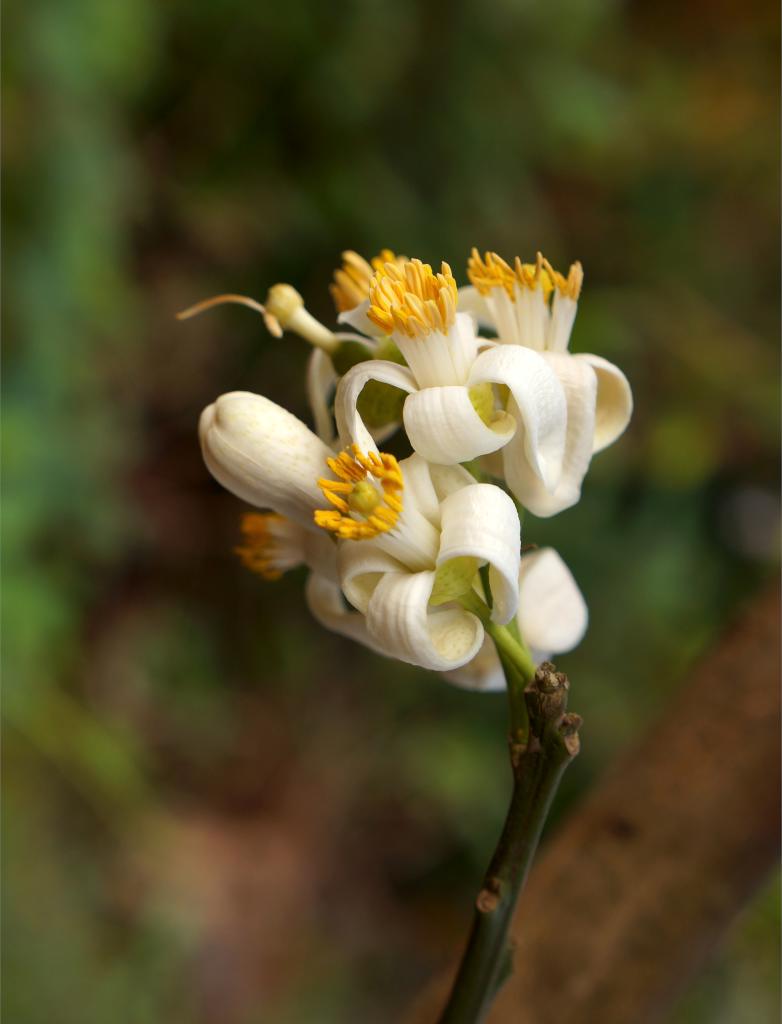
Evergreen, autumn-flowering and heavy with fleshy fruit picked in winter, the grapefruit tree (Citrus paradisi) is a cross between pomelo and orange, and far tastier than the sour pomelo itself. It reaches 10 to 20 feet in full sun, but frost decides everything: below 23°F it needs a pot and shelter indoors.
Grapefruit tree (Citrus paradisi) at a glance
Name
Citrus paradisi
Family
Rutaceae (Rue family)
Height
10 to 20 feet (3 to 6 meters)
Exposure
Full sun
Soil
Well-drained
Foliage
Evergreen
Flowering
Autumn
Harvest
Winter
Caring for it from planting to pruning, largely contributes to the quality of the grapefruit harvest.
Choose a sheltered spot well-endowed with sunlight.
Pomelo and grapefruit don’t survive temperatures lower than 23°F (-5°C) and must not be subjected to freezing too long.
Planting a potted grapefruit tree
Growing plants in pots is best for all your citrus if it freezes in your area.
You’ll have to bring them indoors from mid-autumn to late spring.
Repot upon purchasing into soil mix and then every 2 or 3 years.
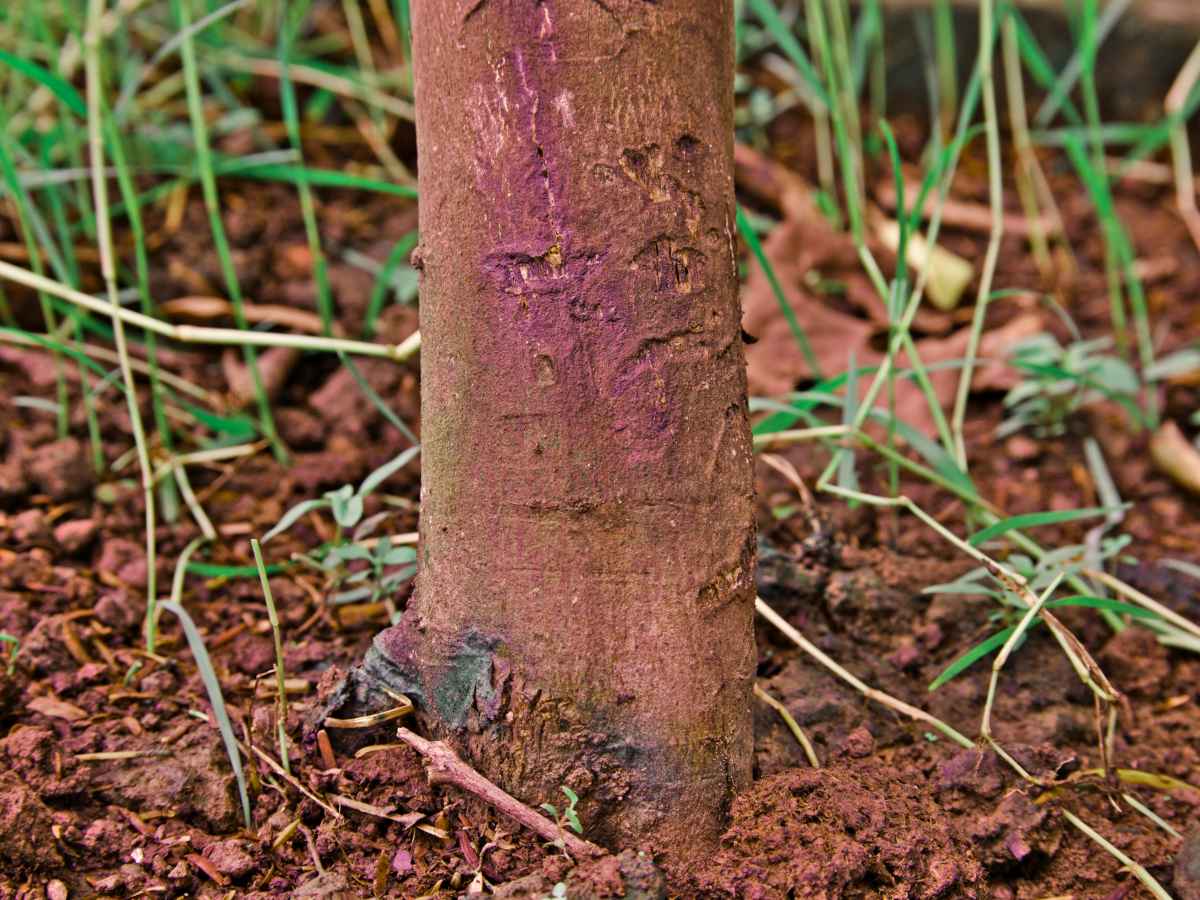
Keep the graft union, the bulge low on the trunk, clearly above the finished soil level when planting.
Grapefruit roots will not tolerate standing water, so on heavy clay plant on a slight mound or raised berm of native soil and backfill with the unamended soil you removed.
Water potted grapefruit with rainwater where the tap water is hard, since lime causes yellowing between the leaf veins.
Pruning the grapefruit tree
No pruning is really needed for the grapefruit tree, but if you don’t prune your pomelo tree, it will quickly grow very large.
To support fruit formation, reduce each new shoot by about half its length, taking great care to cut just above a pair of leaves, an eye, a bud.
This will help your citrus keep a nice, compact shape.
You might need to do this several times a year.
Cut off dead wood as you notice it, and if possible clear the center of the grapefruit tree to let light penetrate to the center.
Grapefruit tree care at a glance
Everything the grapefruit tree asks for falls into a handful of moments in the year. Here is what to do, and when.
Grapefruit tree care at a glance
Stage
When
What to do
Planting in the ground
Preferably spring
A sheltered spot with plenty of sunlight, in well-drained soil
Growing in a pot
Wherever winters freeze
Pot culture is the safer option for all citrus in cold areas
Winter shelter
mid-autumn to late spring
Bring potted trees indoors, away from freezing
Repotting
On purchase, then every 2 or 3 years
Move up into fresh soil mix
Pruning
Several times a year
Shorten each new shoot by half, cutting just above a bud
Harvest
Winter
Pick only ripe fruit, since it will not ripen further once off the tree
Miss none of these and the harvest looks after itself.
Which grapefruit variety to grow
Named grapefruit varieties differ mainly in flesh colour, seediness and how sweet the juice turns out. Here are the ones most often sold as young grafted trees.
Which grapefruit variety to grow
Variety
Flesh colour
Seeds
Best for
Thompson (Pink Marsh)
Light pink
Seedless
Mild, low-acid fruit
Star Ruby
Deep red
Seedless
Sweetest fruit, compact tree
Marsh Seedless
Pale yellow-white
Seedless
Classic tart juice
Flame
Bright red
Seedless
Thin skin, fresh eating
Rio Red
Deep red
Few seeds
Heavy cropping, juice
Buy a grafted tree rather than raising one from a pip, since seedlings take many years to fruit and rarely match the parent.
Ask which rootstock the tree is grafted on: the dwarfing cultivar Flying Dragon keeps a grapefruit small enough for a large pot, while vigorous stocks let it approach its full 20 feet.
One tree is enough, as grapefruit is self-fertile.
Learn more about the grapefruit or pomelo tree
Grapefruit isn’t the same as the pomelo tree (Citrus maxima).
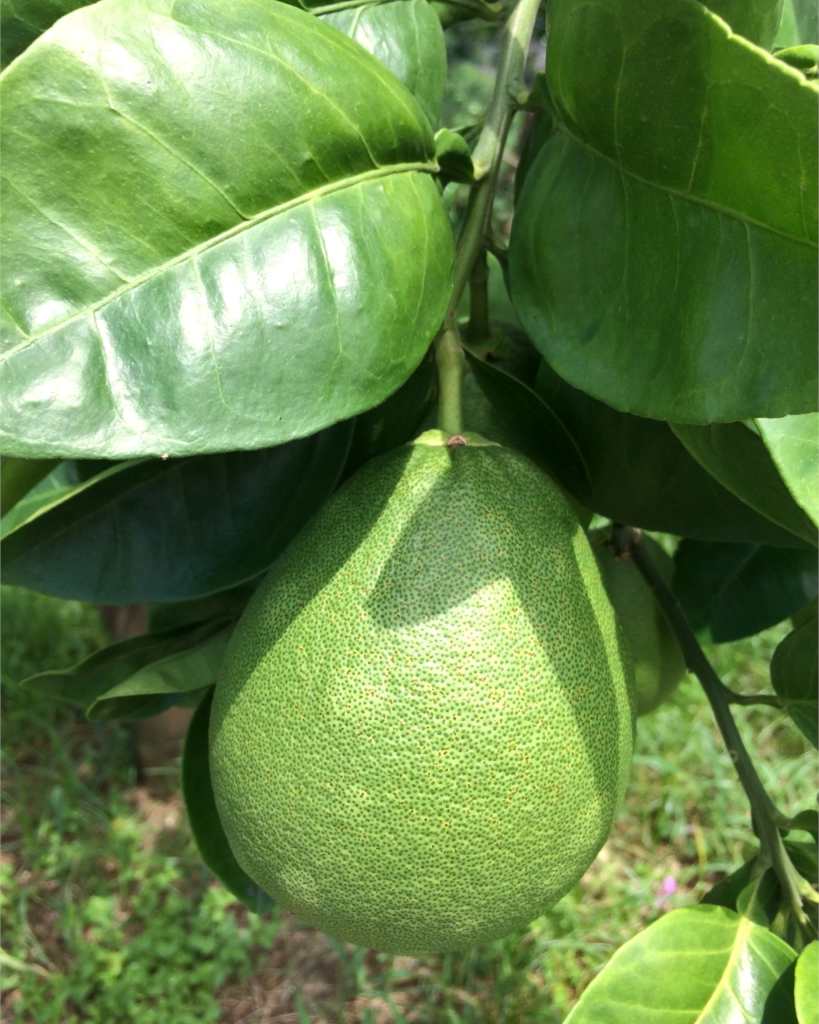
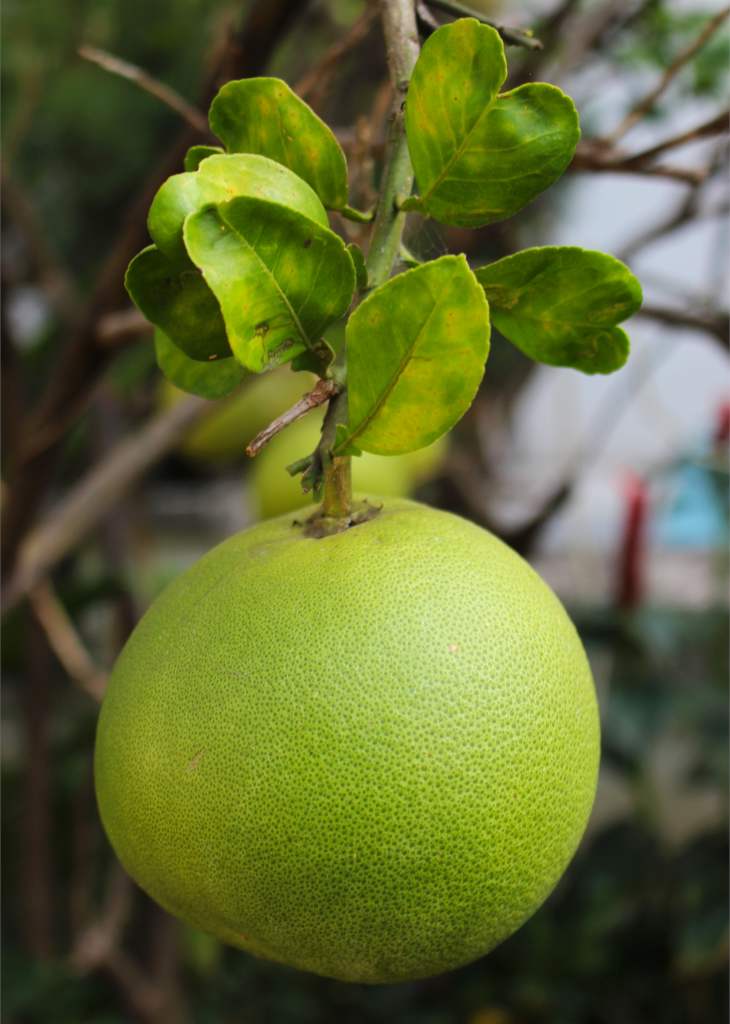
Grapefruit is a cross between pomelo and orange, whereas pomelo fruit itself tends to be very large, somewhat pear-shaped with thick skin, and is not so edible because it tastes very sour.
Pomelo, within the citrus family, is the plant that produces the largest and heaviest fruits.
It is grown in the Mediterranean area and warmer climates and should be brought inside, away from freezing over the winter in cooler climates.
Harvesting pomelo
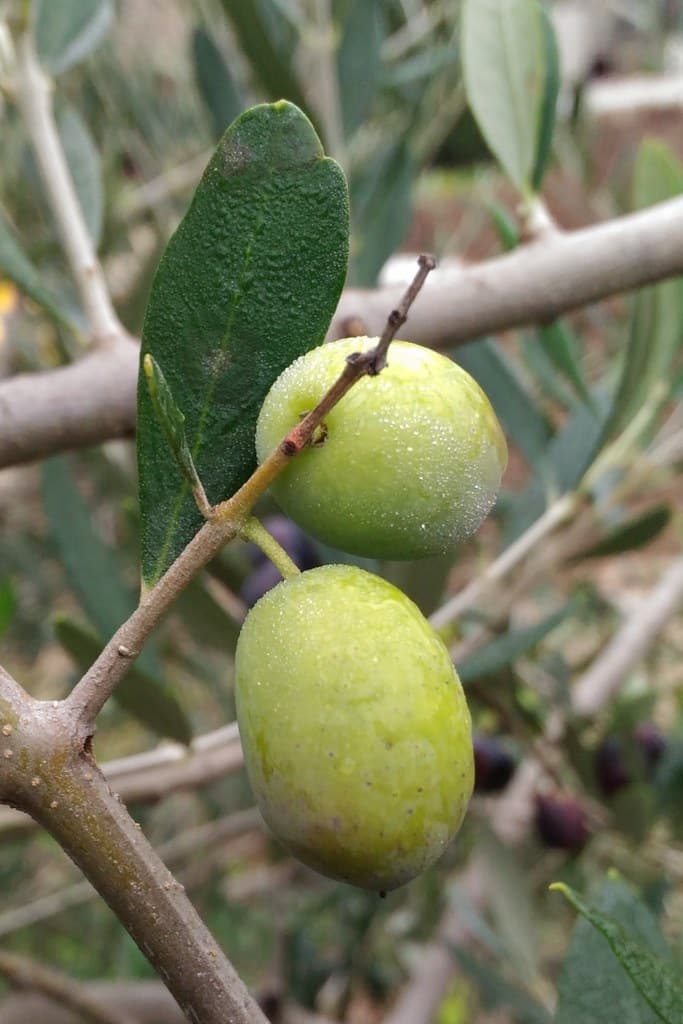
Still green: picked now, it will never ripen
Grapefruits and pomelo are harvested when fruits have developed a nice yellow color and easily detach from their stem.
Take note that pomelo doesn’t mature anymore when picked, so harvest only when ripe.
When harvesting pumpkins and winter squash, cut the stem with secateurs rather than pulling the fruit free, because a stem torn from the rind leaves a wound where storage rots can enter.
A ripe grapefruit usually feels heavy for its size, a sign of juiciness, while one that feels light for its bulk is more likely to be dry or pithy inside.
Written by Gaspard Lorthiois | Loves helping out, especially when it comes to growing things. Worked in herbal medicine, runs a farm, and dabbles in tech. Master's degree and engineer.