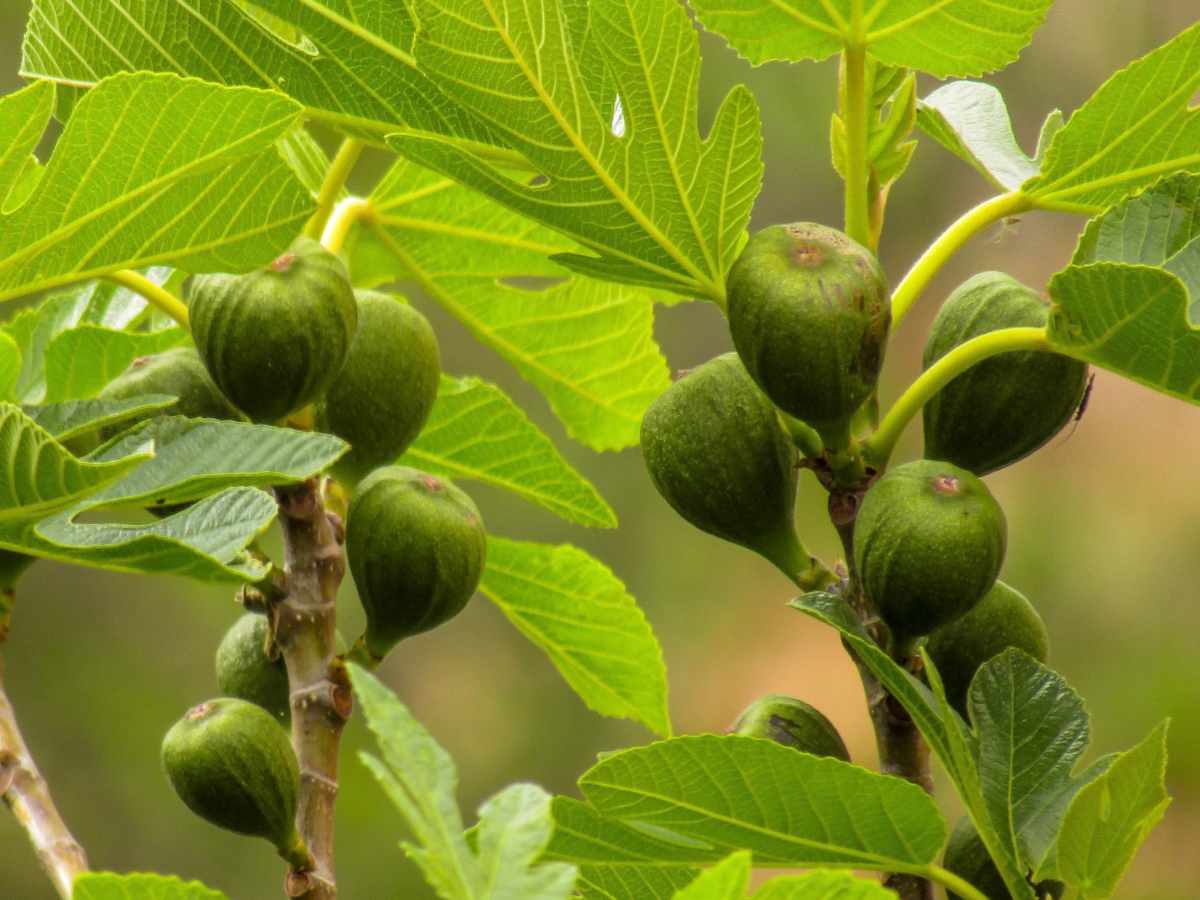
Green, black or purple figs ripen on a deciduous tree hardy to 5°F (-15°C) and long counted, with the olive, among the symbols of the Mediterranean. The common fig (Ficus carica) is grown for its edible, delicately flavoured fruit, and a warm, sunny position is almost mandatory: meet it and one tree can top 220 pounds of figs.
| Name | Ficus carica |
|---|---|
| Family | Moraceae (mulberry family) |
| Type | fruit tree |
| Height | 16 to 32 feet (5 to 10 m) |
| Exposure | full sun |
| Soil | ordinary |
| Foliage | deciduous |
| Fruit formation | late spring to early autumn |
| Harvest | midsummer to early autumn |
Fig fruits are appreciated of course for their taste, but connoisseurs know that it helps deal with stress and troublesome digestion.
Ideally, Ficus carica should be planted in fall or in spring for colder climates.
Bare-rooted Ficus carica should only be purchased and planted in fall: mid-november to mid-december is best, if it doesn’t freeze.
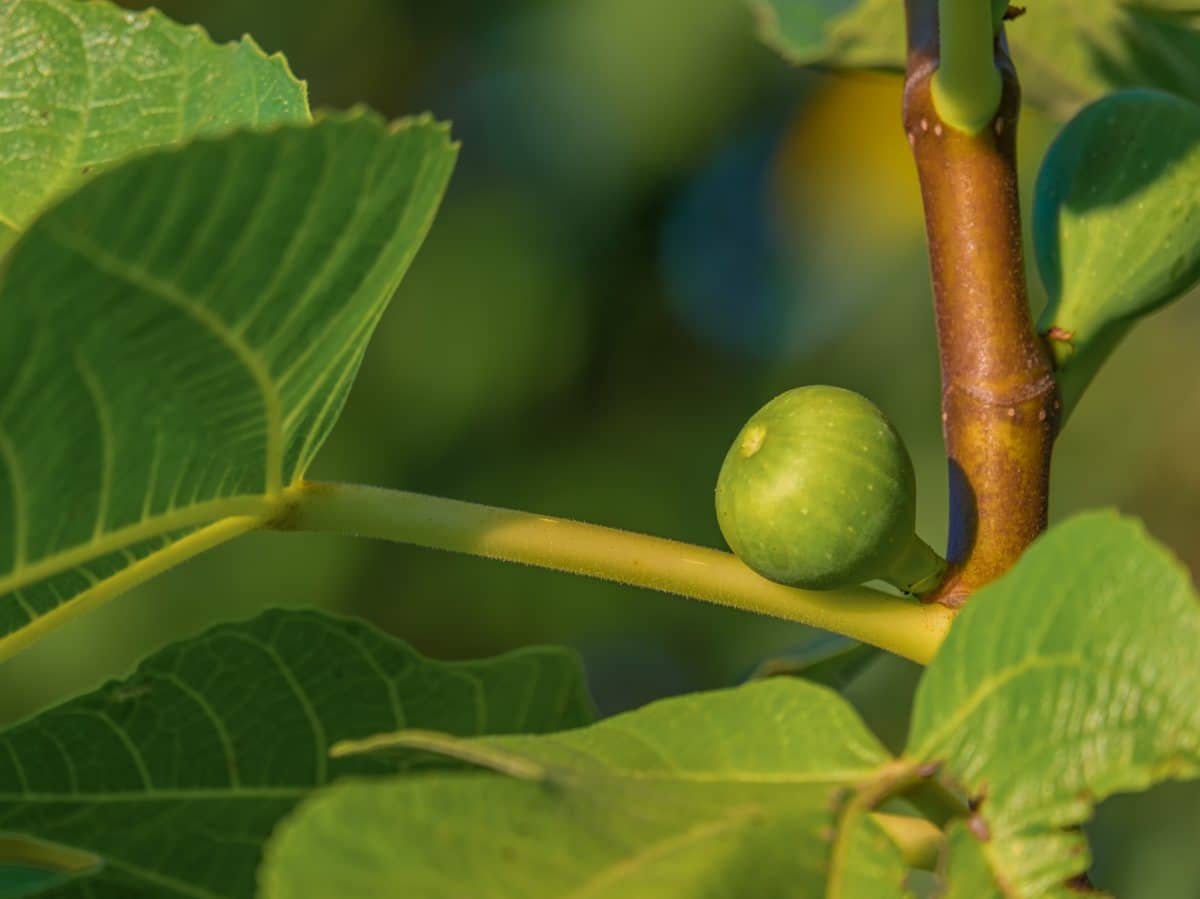
Almost everything a fig asks of you falls into a handful of moments in the year. The table below gathers the timings given in this article, so you can see at a glance what comes next.
| Task | When | Why it matters |
|---|---|---|
| Plant a container-grown tree | Early autumn, or spring in colder climates | The recommended planting window for Ficus carica |
| Plant a bare-rooted tree | Late autumn to early winter, on frost-free days | Bare-root stock should only be bought and planted then |
| Prune | Late winter to early spring | Sap is just starting to flow; pruning speeds growth and fig production |
| Pinch young branches | Early to mid-spring | Snip the tip off with your fingernails |
| Feed with fruit tree fertiliser | Early spring | Increases fig production, and helps trees that drop unripe fruit |
| Fruit formation | Late spring to early autumn | Continuous flowering spreads the crop over a long season |
| Harvest | Midsummer to early autumn | A single well-established tree can top 220 pounds (100 kg) |
Water regularly over the first two to three years after planting, whatever the season.
Although Ficus carica can produce beautiful figs if left unpruned, there are good reasons to prune anyway.
Pruning your Ficus carica will speed their growth and increase fig productivity.
It is fairly common for figs not to ripen on some Ficus carica.
Fruits appear after flowering, grow to about an inch (a couple centimeters) across, then fall off before having ripened completely.
The cause for this is often quite straightforward, and can be related to one or more of the following factors:
Ficus carica is one of those fruit trees that require a long root development phase before fruits appear.
There isn’t much to do about it: you must simply wait until roots have developed enough.
Go easy on nitrogen-rich feeds: they push out leaves, not figs.
Restricting the roots, either by planting close to a wall footing or by growing the tree in a large tub, often persuades a shy fig to start fruiting.
Avoid shortening every one of the previous year’s shoots in the same pruning session, as this strips away the wood that would have carried the crop.
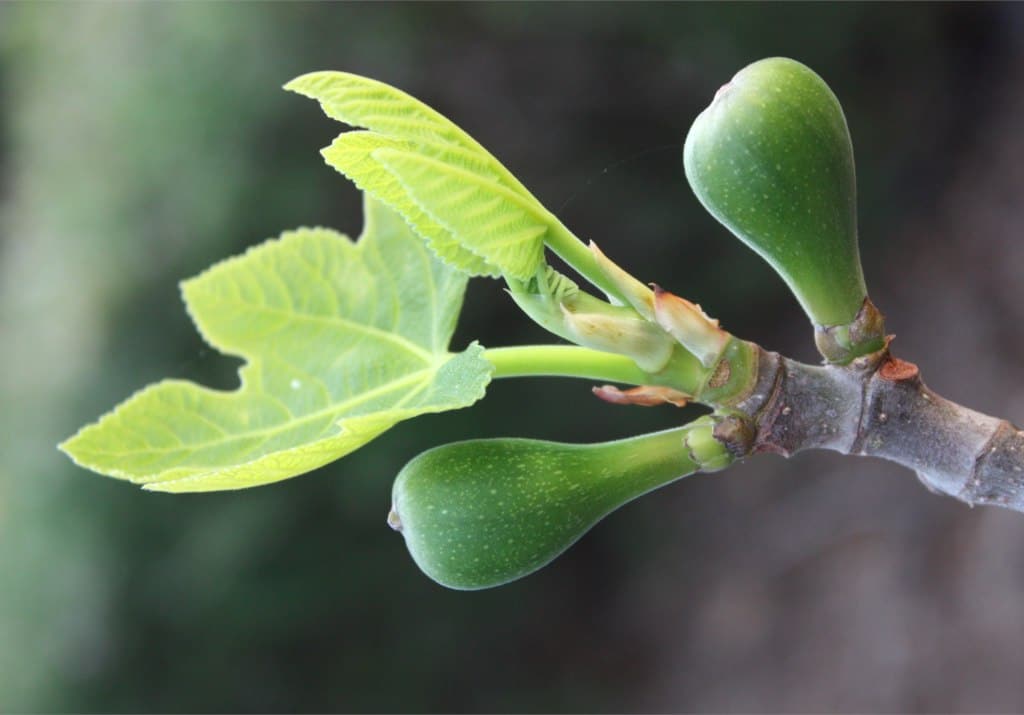
Ficus carica is the scientific name of common fig trees which bear edible fruits. They grow into beautiful shapes and bear amazing fruits.
Fig trees are the only European native member of the genus, and they are considered symbols of the Mediterranean and of Provence in particular, together with olive trees.
Fig trees are also very appealing fruit trees, famous for the delicate and consistent taste of their fruits which are associated to numerous health benefits.
These are easygoing trees, hardy and versatile in that they adapt to most types of soil. Ficus carica is hardy to 5°F (-15°C), and sometimes even colder if the cold bursts are short.
Figs are produced over an extended period of time thanks to continuous flowering, and productivity can top 220 pounds (100 kg) for a single tree!
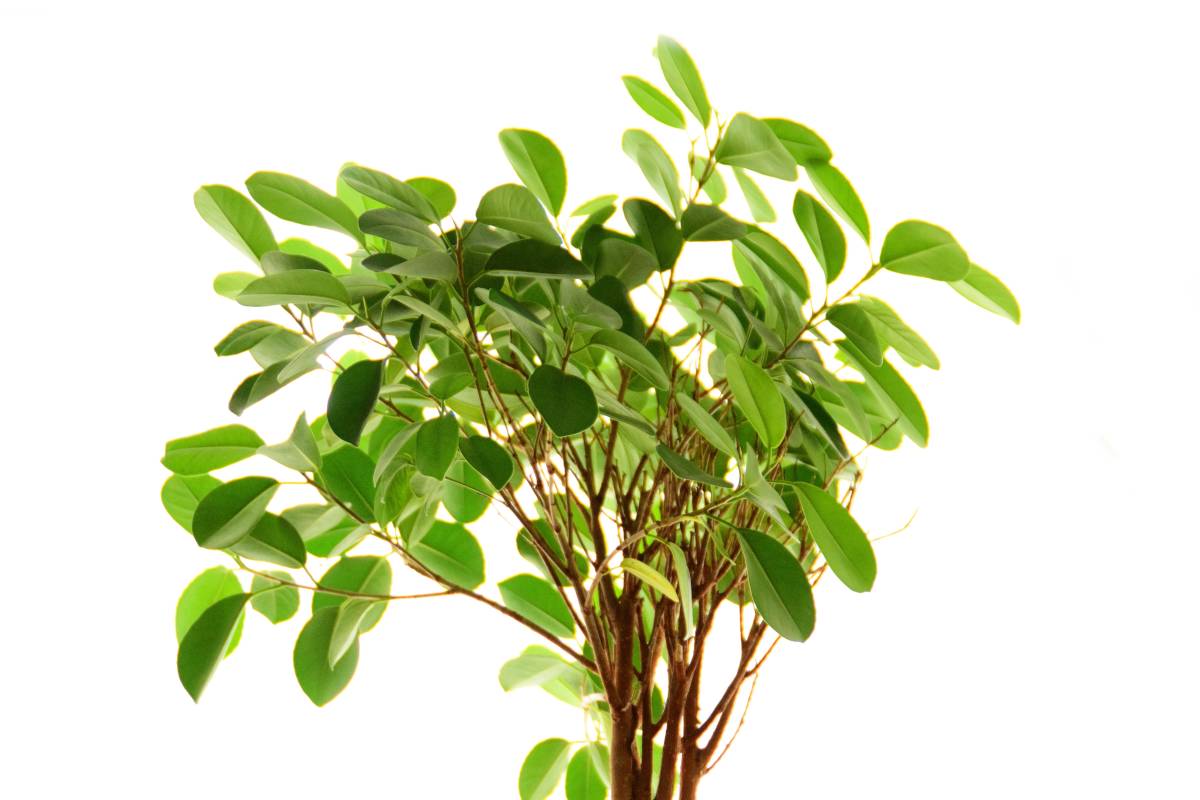
Did you know that the sap or latex of Ficus carica is very similar to that of certain types of rubber trees?
Ficus carica is very easy to layer, choose a nice branch and prepare your own layering!