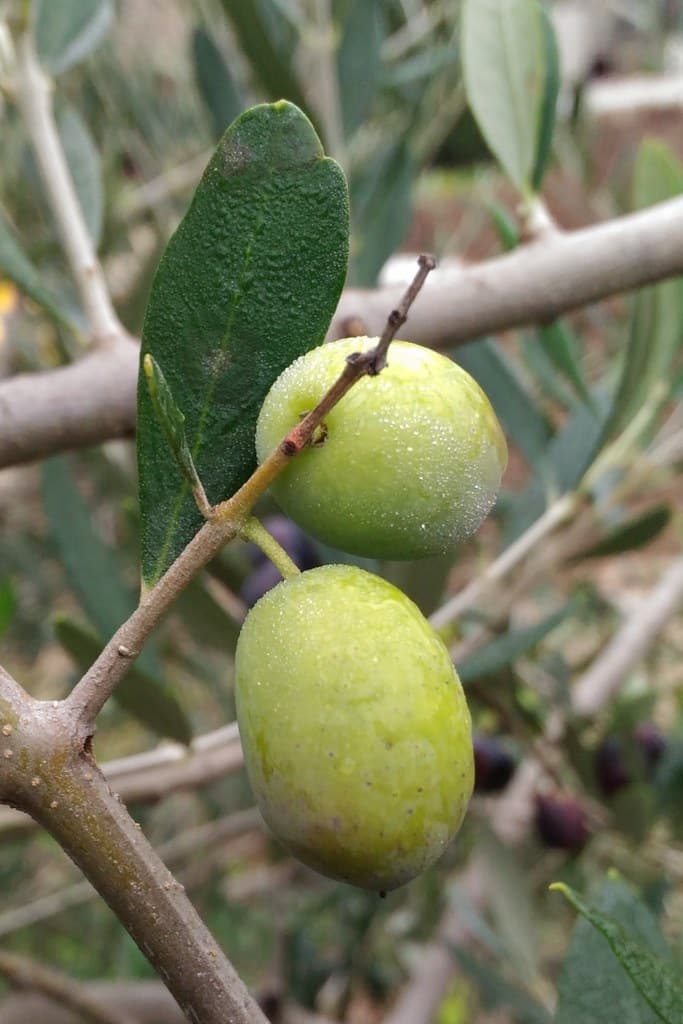
Picholine olive is a special olive variety native to southern France. Consumers are often unaware of the fact: olive oil from Nîmes was awarded in 2004 the title of “controlled designation of origin“: Appellation d’Origine Contrôlée (AOC) in French.
This is a testimony to the quality of the product, and a recognition of the dedication to keeping ancestral local knowledge alive!
Growing conditions for an olive tree are ideal in the Gard region:
Read also:
Several olive cultivars ripen side-by-side in Gard olive orchards. Dominant among these is the ‘Picholine’ variety, boasting a unique taste both rough and slightly peppered.
This specificity made it possible to distinguish the oil and resulted in the AOC title: 70% of this AOC oil comes from this particular variety.
Other varieties are added during processing to polish the base variety’s taste, like the ‘Aglandau’ and ‘Negrette’ varieties. Some producers offer single-variety oils made from each of these cultivars.
Since the title was awarded, Nîmes orchards are burgeoning and developing significantly. Today, the Gard area has dedicated nearly 10,000 acres (3 900 hectares) to growing olive trees for oil production. This is around 8% of all surfaces in France used to produce plant-based oil. The area ranks in 3rd place in oil production volume compared to other French areas.
From flowering to the last pressing, the Picholine follows a fixed calendar, and the date of picking decides what kind of oil comes out of the mill.
| Period | What happens on the tree | What it means for the harvest |
|---|---|---|
| late spring | Discreet flowering | Nothing to pick; fruit set begins |
| midsummer | Fruits swell and the stone hardens | Still no oil in the flesh |
| late summer | Oil forms in the fruit | Olives begin to plump quickly |
| early autumn to mid-autumn | Fruit still green and unripe | First green olives are picked |
| late autumn | Veraison: the fruit changes colour | Start of the run of olives destined for oil |
| Up to midwinter | Fully dark, mature fruit | Less intense oil, but a higher yield |
Pick early for flavour and polyphenols, pick late for volume.
Planted at the beginning of fall or in spring, young olive trees are pruned when they turn three years old. They bear their first fruits at five years of age, and produce a full harvest at eight years.
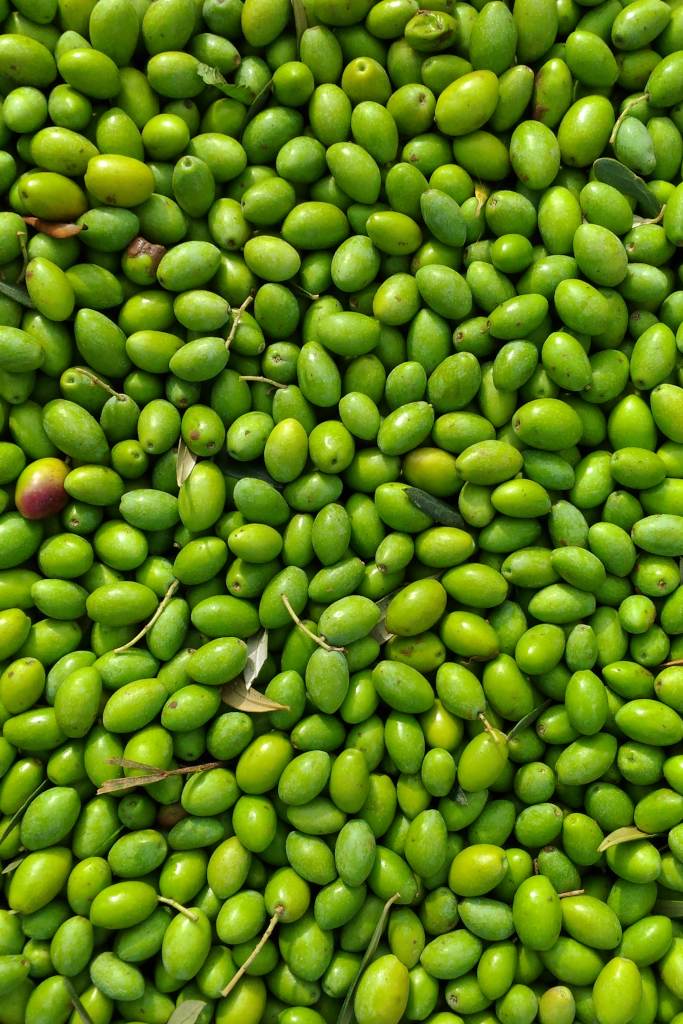
The low-key blooming of olive trees happens late spring. In midsummer, fruits grow larger, the seed itself turns rock-hard. Oil appears in the olives in late summer, and speeds their plumping until early autumn to mid-autumn when the first green olives are harvested. Late autumn is when the olives change color (this is called veraison), and they are harvested for oil until midwinter.
Whatever the variety, a green olive is an olive that is not yet ripe, whereas a dark olive is clearly mature. How dark they get depends on the variety. Harvest date is decided depending on how intense the oil should be when produced. Barely ripe olives are more flavorful and contain more polyphenols, and black ripe olives are less intense, but have a higher, more productive, oil content.
Marie Petitcerf