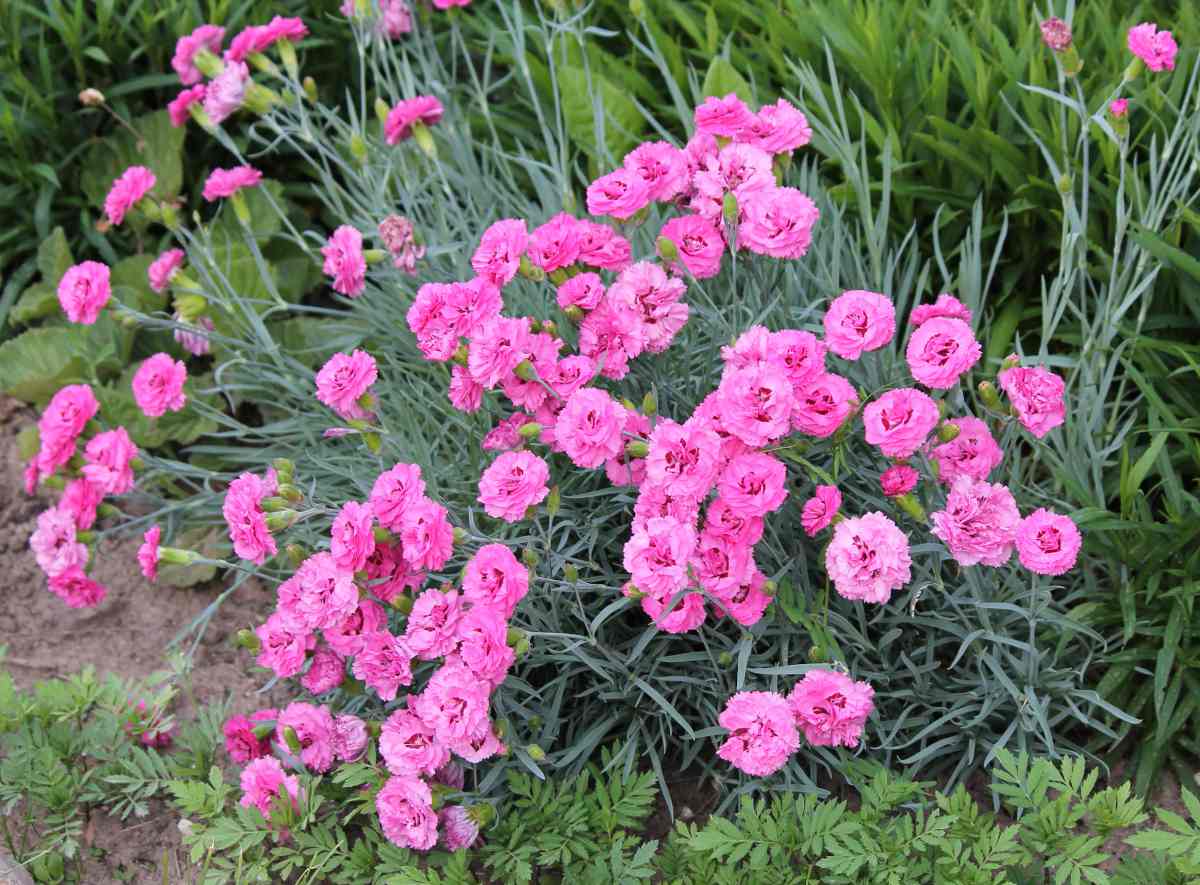
A bed that looks after itself is decided before planting: plants set far enough apart to breathe and catch the light, chosen to match soil that may sit wet in winter or run chalky. Get that right, mulch to hold moisture, and upkeep shrinks to deadheading and a light surface feed.
Before you jump into buying plants to fill your flower beds, consider the natural elements of your plot.
→ Read also: setting up an easy flower bed

If your soil holds water in winter, avoid installing dry soil plants right off the bat. If your ground is chalky, forget the range of azalea, rhododendron and other heath plants. They won’t grow at all.
Your flower beds will undergo strong weather constraints due to their exposure, so choose hardy, robust varieties adapted to your soil.
Avoid fragile plants if you don’t want to spend all your free time maintaining them!
The easiest bed is the one whose plants already suit the ground and the exposure they are given. Check your plot against the situations below before you spend anything.
| Your plot | What to avoid | What to plant instead |
|---|---|---|
| Soil that stays wet through winter | Dry-soil plants put in straight away | Plants that tolerate ground holding water in the cold months |
| Chalky ground | Azalea, rhododendron and other heath plants, which will not grow at all | Anything suited to lime, rather than the heath-plant range |
| Exposed bed under strong weather | Plants unsuited to the site | Hardy, robust varieties adapted to your soil |
| Little free time for upkeep | Fragile plants that need constant attention | Strong, sturdy subjects that look after themselves |
Getting this choice right at the outset is what keeps later maintenance down to a few simple gestures.

During planting, space your plants well to let them breathe and allow them to receive as much light as possible. This precaution will prevent cryptogamic diseases (related to fungi) from developing on your plants.
Provide a natural surface fertilization with mature compost or with commercial organic fertilizer, not too rich in nitrogen and containing magnesium. Scratch the surface lightly. Repeat the fertilization operation in June for your roses and plants blooming in summer or fall.
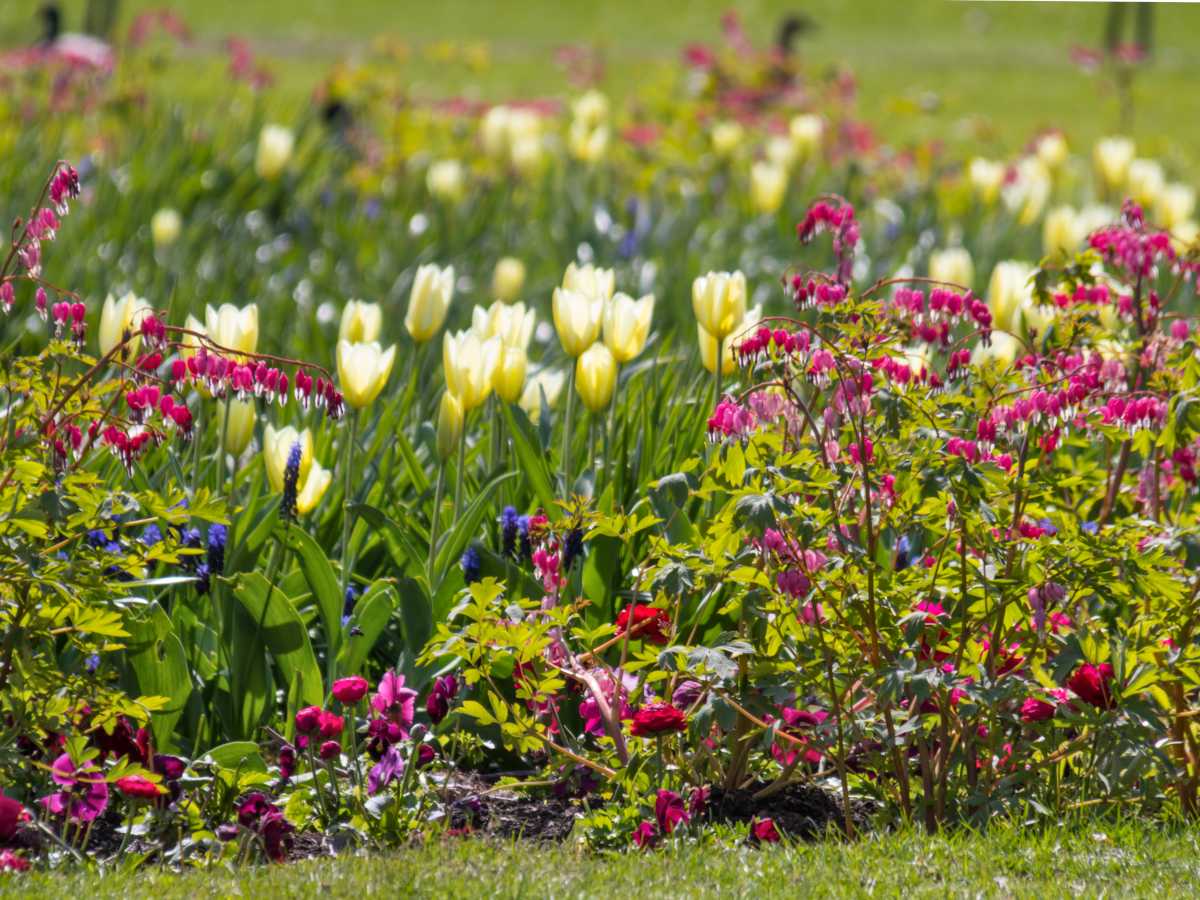
Trim shrubs in your flower beds with a well-sharpened tool for a clean cut that heals quickly. Cut off flowers that have faded regularly to keep plants from tiring out. Burn sick stems and leaves to prevent the spread of diseases. Remove anything that can hinder the circulation of air and the spread of light, to keep your plants healthy, capable of defending themselves against parasite attacks.
Mulch your flower beds to maintain moist soil. If your ground dries out too quickly, install porous watering tubes, a form of drip irrigation that is easy to maange.
M.-C. H.