Hazelnut hulls, crushed eggshells, cherry pips and shredded coconut husks all make handsome mulch, each with its own colour and texture. Sorting kitchen scraps and garden trimmings instead of binning them gives you free, good-looking cover for beds, pots and tree bases — collect enough, with help if need be, and the ground stays covered all year.
Waste and scraps are treasures, those from the kitchen unquestionably so. Segregate your scraps when preparing meals and you’ll have lots to give your garden!
“All nuts and hulls can be converted into mulch” shares garden coach and landscaping expert Fernandan Voulgaropoulos.
Indeed, apart from compost, you can start keeping and storing several types of recyclable material: hazel nut or walnut hulls, coconut husks that you can shred to pieces, and even chocolate cacao hulls.
Cherry pips stand in for red or black clay pebblesCrushed eggshells enrich soil under vegetables and fruit trees
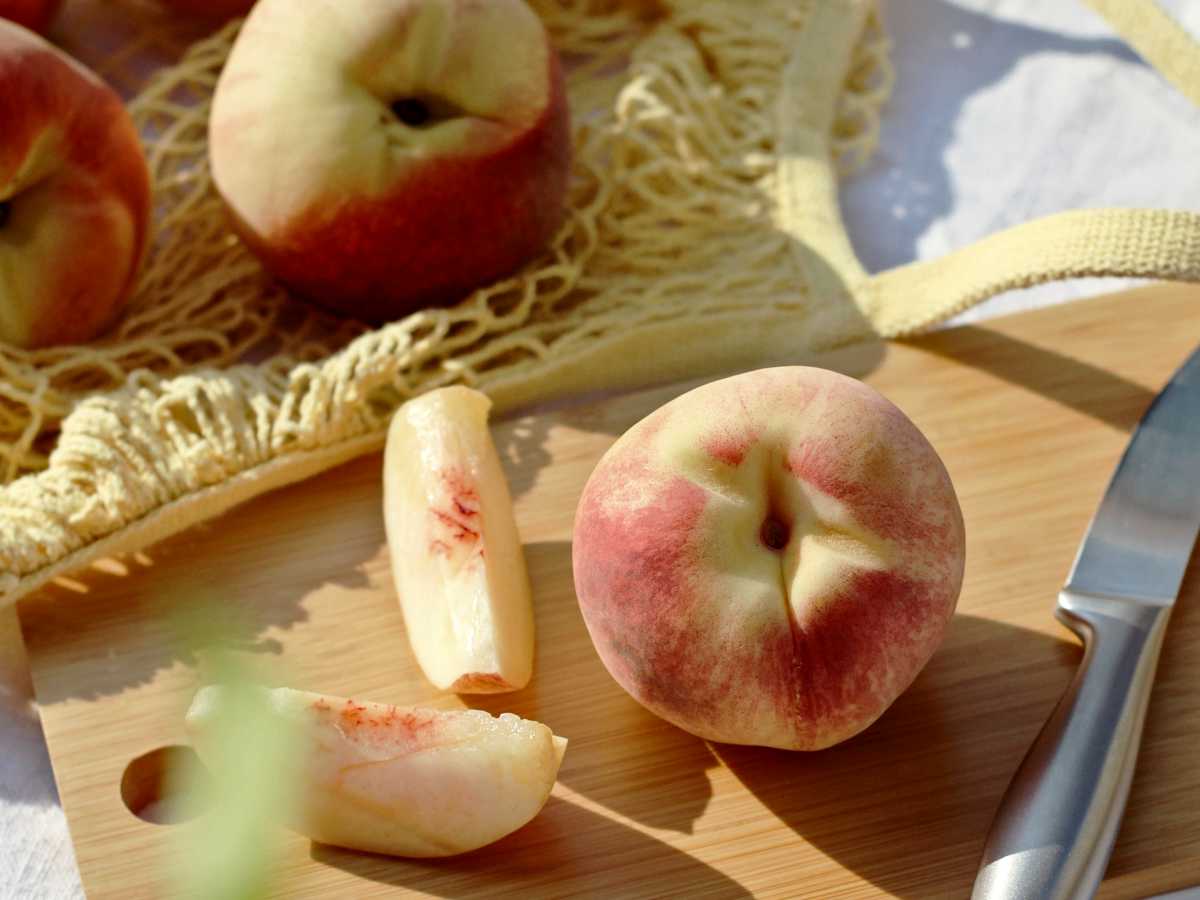
Also remember to collect peach stones and cherry pips, they’ll excel at replacing the usual red or black clay pebbles, as well as peanut shells, eggshells and oyster shells.
Marie Cochard, an expert in fighting against wastage, also recommends throwing these items in your compost pile, and also to spread crushed eggshells at the foot your vegetable and fruit trees to enrich the soil mix there.
Kitchen scraps you can turn into mulch
Before anything leaves the kitchen, ask whether it could cover soil instead. Here is what the scraps bin can supply, how to prepare each one and where it works best.
Kitchen scraps you can turn into mulch
Kitchen scrap
How to prepare it
Where to use it
Hazelnut and walnut hulls
Store dry, use whole
General-purpose mulch, all nuts and hulls suit
Coconut husks
Shred to pieces
Home-made mulch from recyclable material
Peach stones and cherry pips
Collect and use whole
In pots, in place of red or black clay pebbles
Eggshells
Crush them
At the foot of vegetables and fruit trees, to enrich the soil
Peanut shells and oyster shells
Use as they come
Mulch, alongside eggshells
Set a second container beside the compost bucket and these will pile up faster than you expect.
In the garden, lots to recover, too!
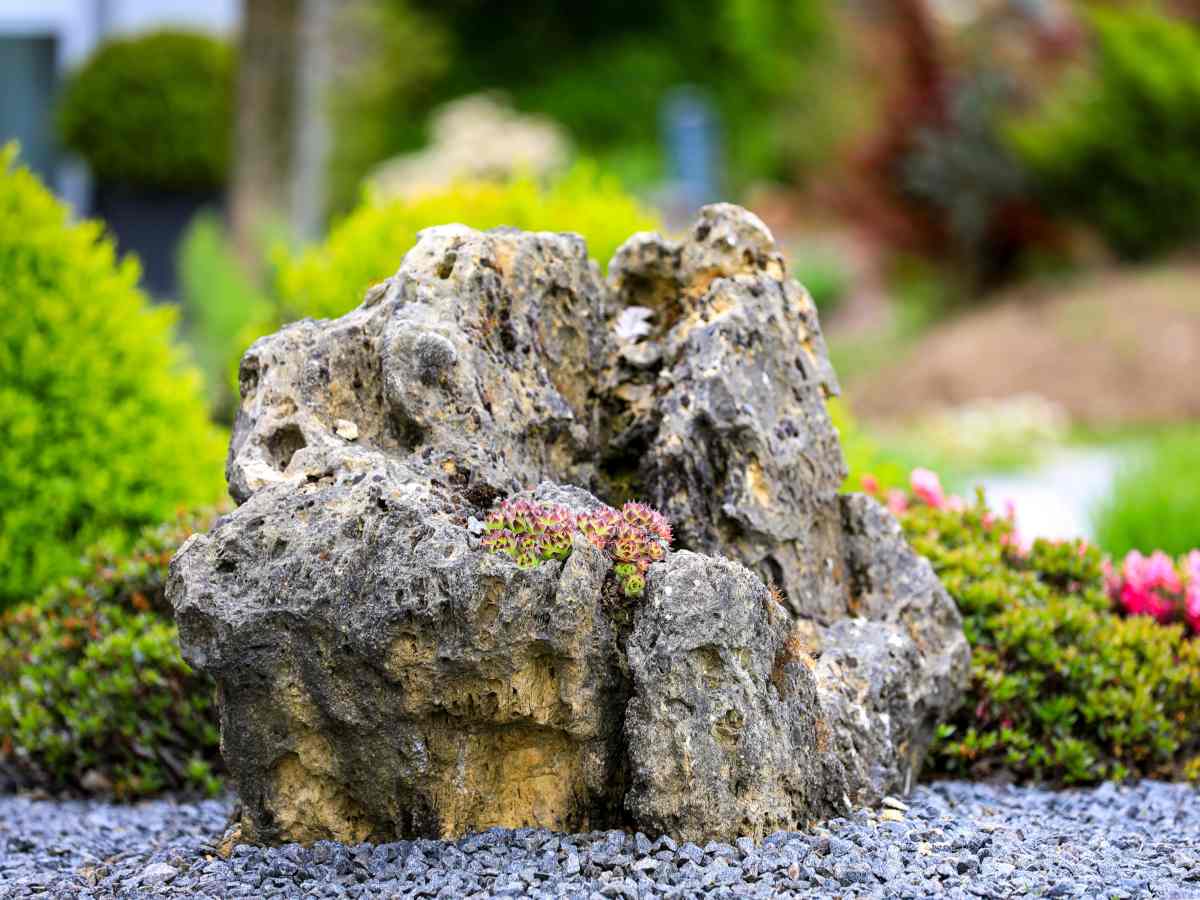
Crushed shingles give a high-quality mineral mulch
In the garden, try to re-use bark (if not diseased) and pine tree needles, shingles that you crush to mineral shards, and plant matter like miscanthus and hemp… These all make for high-quality home-made mulches!
If need be, also involve your neighbors and family so you can increase the quantities and make batches that are larger. Investing in a shredder might also be a great idea!
Most mulches are very versatile and can be used in many ways: shrub bed mulch, underneath trees, around annuals and biennials… They’re also visually pleasing, with the different colors and textures that let you change the atmosphere in your garden.
“Pair colors of mulch with that of your flower beds and garden”, concludes Fernanda Voulgaropoulos.
Written by Gaspard Lorthiois | Loves helping out, especially when it comes to growing things. Worked in herbal medicine, runs a farm, and dabbles in tech. Master's degree and engineer.