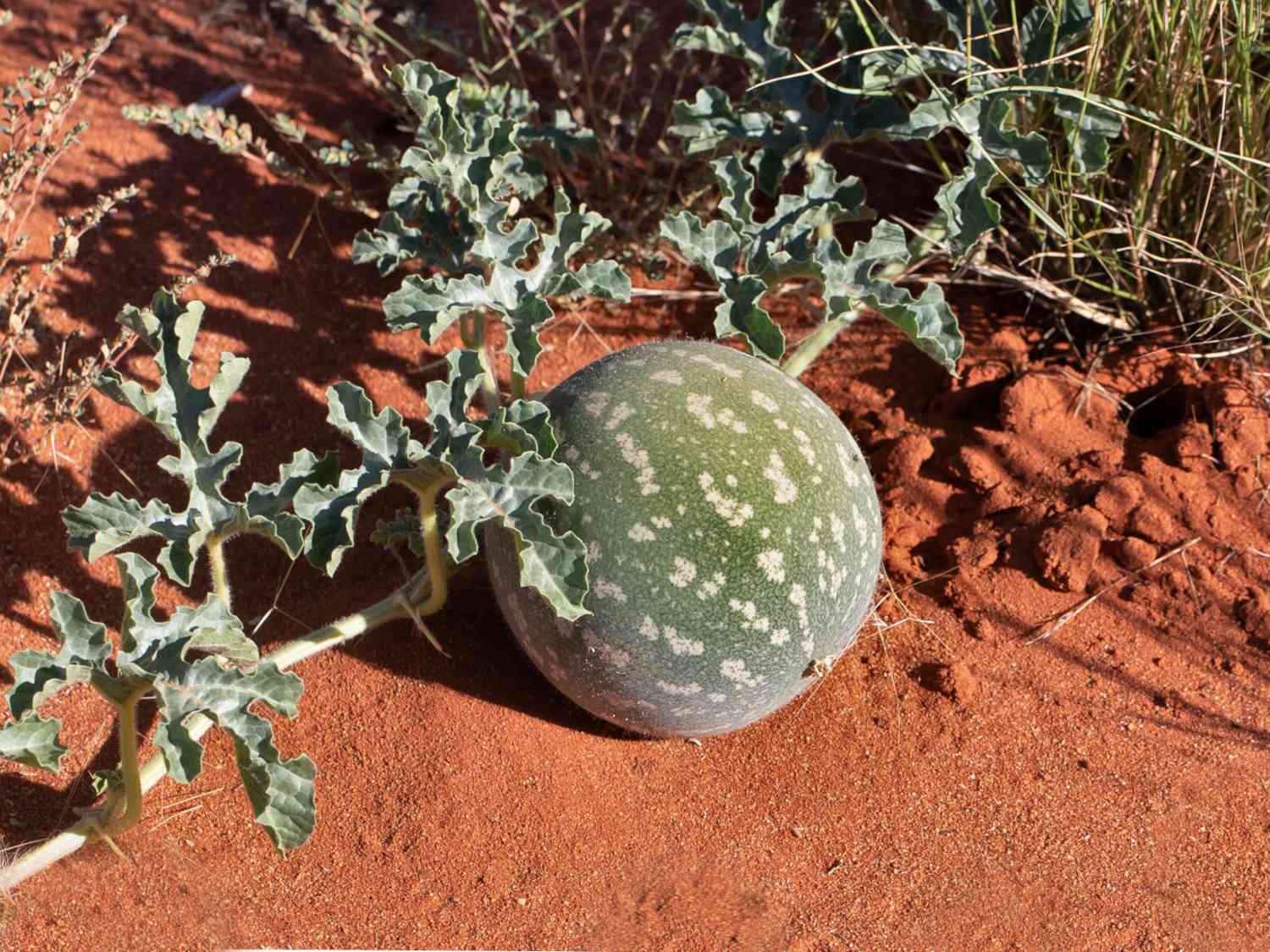
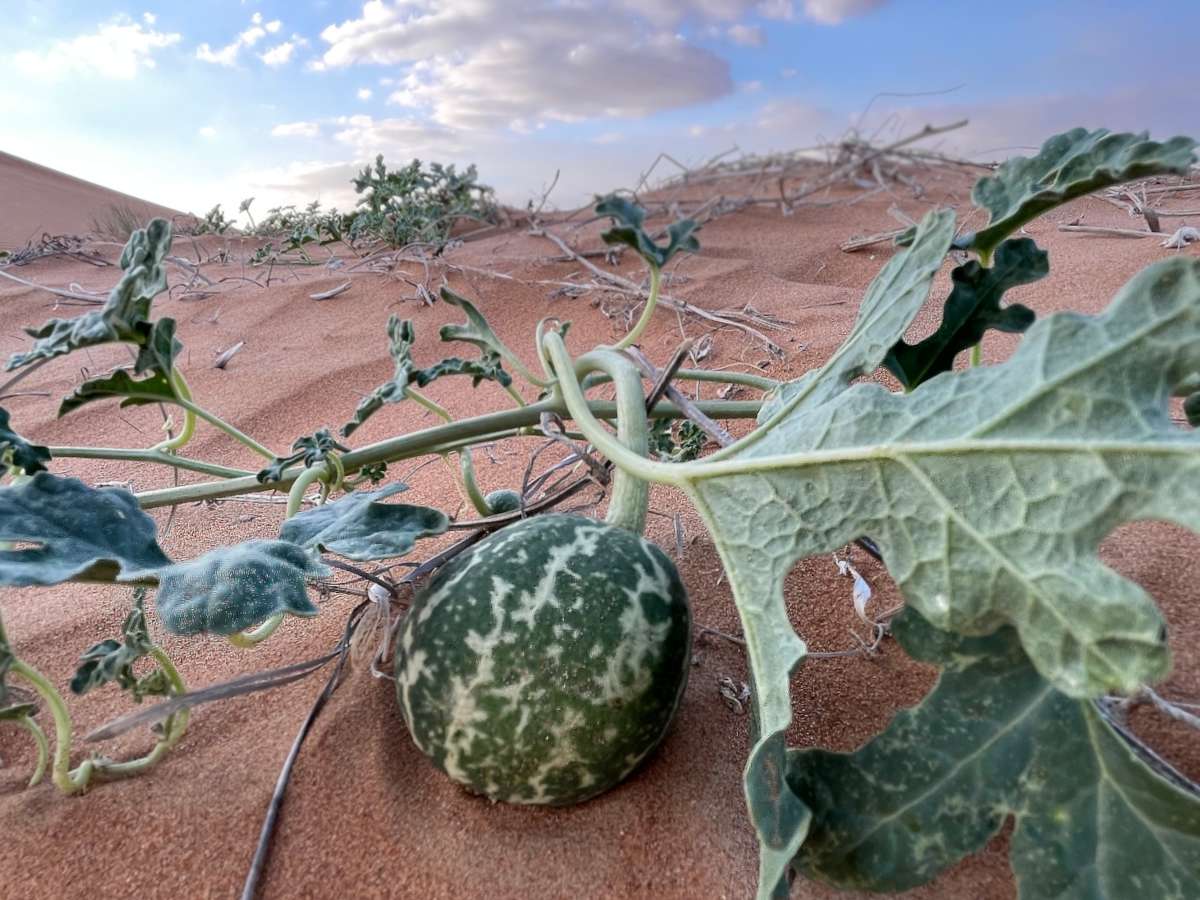
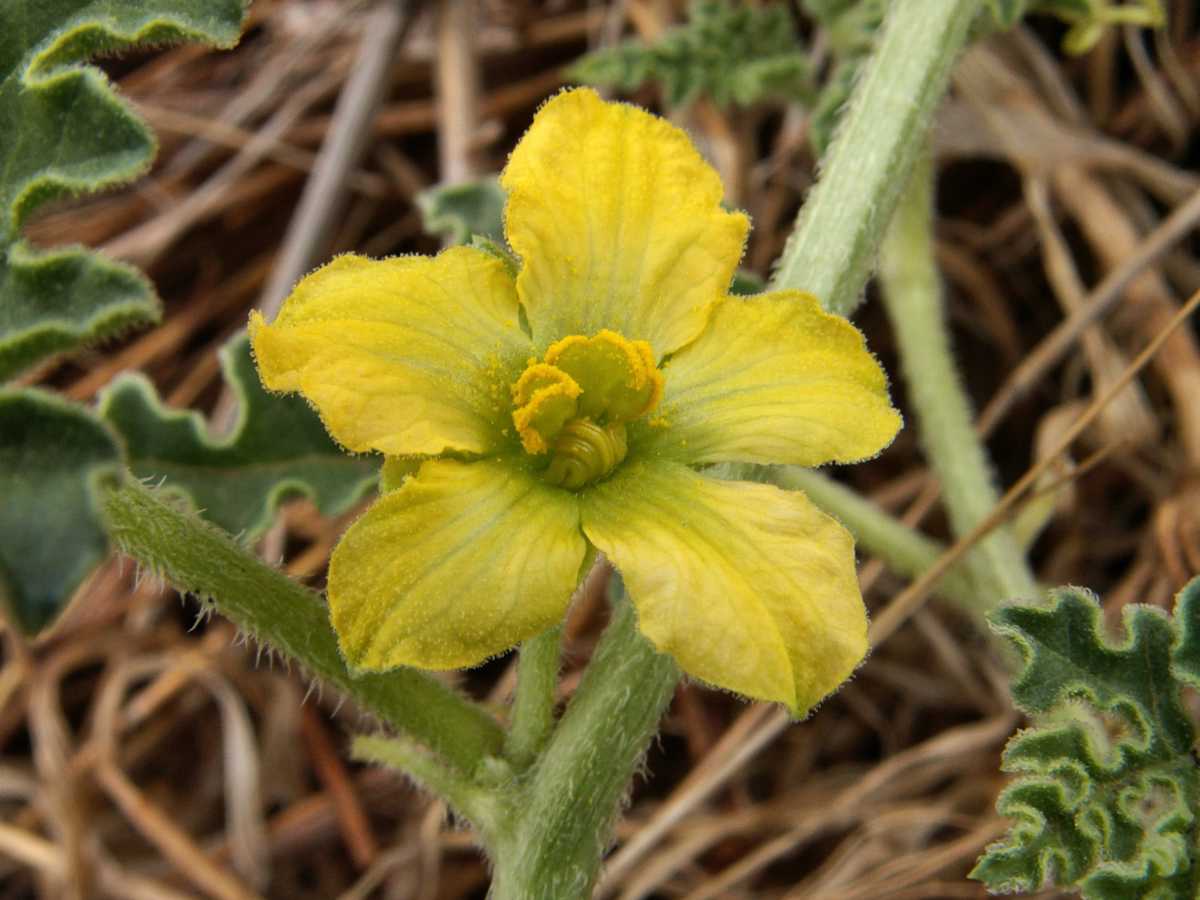
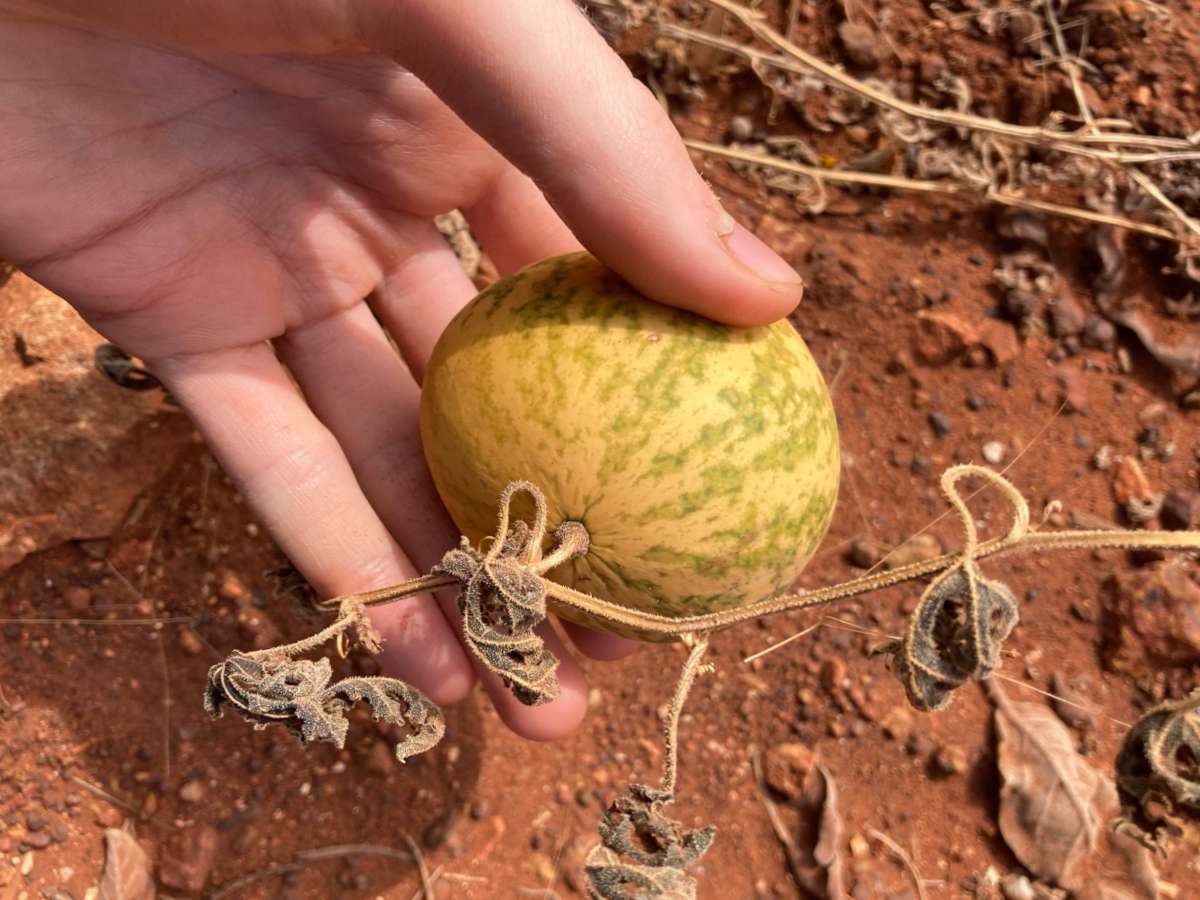
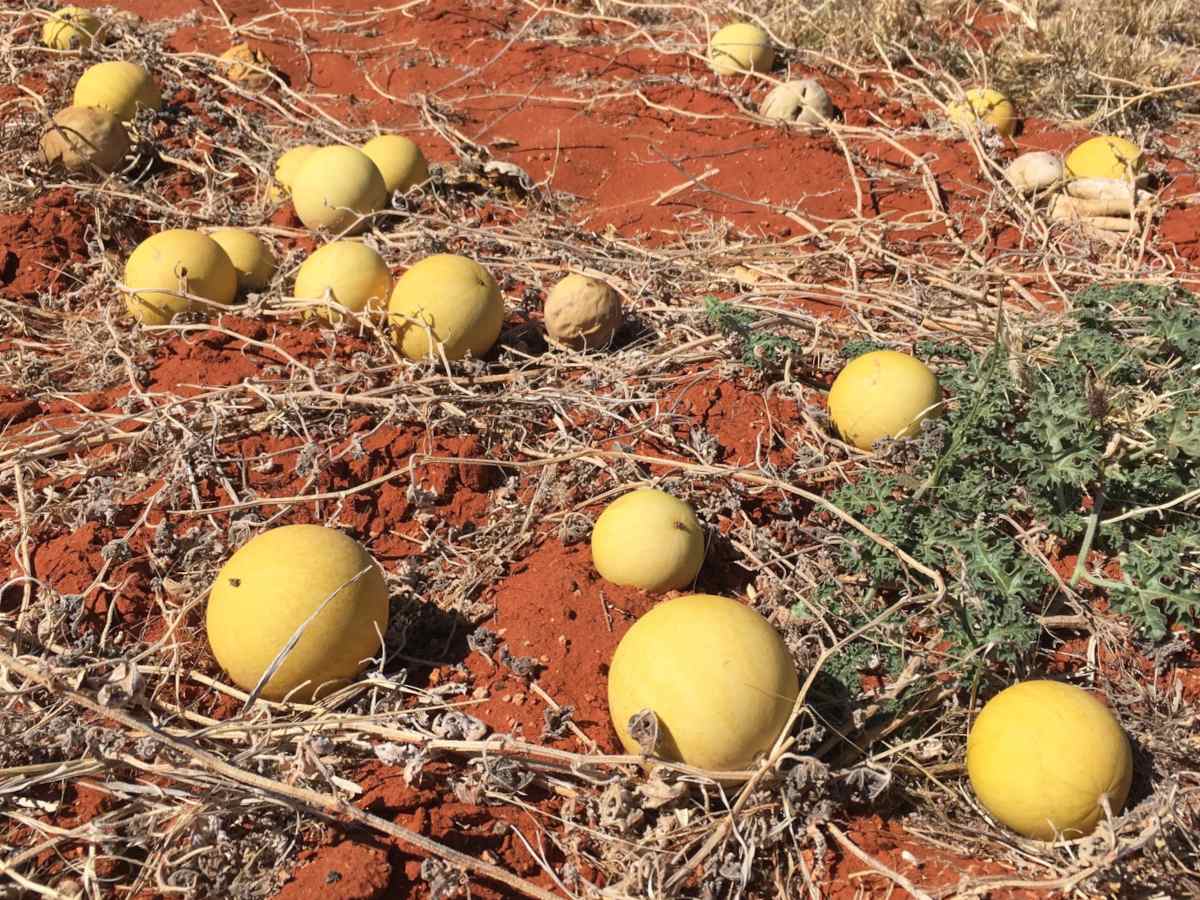
Round, striped fruits the size of a fist trail from a sprawling desert vine: colocynth (Citrullus colocynthis) is grown across the Middle East and North Africa for the medicinal properties of its fiercely bitter flesh, while only its oil-rich seeds are edible. Give it heat, full sun and rich, well-drained soil, and the harvest is abundant.
Colocynth at a glance
Name
Citrullus colocynthis
Family
Cucurbitaceae (gourd family)
Type
herb vegetable
Height
8 to 20 inches (20 to 50 cm)
Exposure
full sun
Soil
rich and well drained (sandy is ideal)
Harvest
fall
Fruits are round and striped, the size of your fist. The flesh of the fruit has many medicinal properties.
→ It’s a relative of another rare but useful fruit:Citron melon.
Sowing and planting colocynth
Grow colocynth just as you would watermelon, they both come from the same family.
Since it’s a vine, you can sow colocynth at the foot of a fence, lattice or pergola.
When transplanting seedlings or sowing seeds directly, give each plant 3 feet (1 meter) growing space to all sides. Colocynth needs enough room to spread.
Colocynth likes growing in a well-lit place.
It thrives in hot weather and doesn’t tolerate frost. Not hardy at all, but very drought-resistant.
The richer your soil, the better the drainage, the more abundant will your harvest be.
Feel free to add fertilizer or decomposed manure upon planting. It can make do with not much, but you’ll get more fruits with rich soil.
Pruning and caring for colocynths
Keep ripening fruits off the bare soil
Pinch off stems after the 3rd or 4th leaf to stimulate plant growth.
This will give you a better harvest and higher productivity.
Keep colocynth fruits from staying in close contact with the soil. This could lead it to rot, so it is better to add a slab of wood, mulch or plastic between fruit and ground.
Mulch also inhibits weeds which are detrimental to growing colocynth.
Water at the base of the plant where practical, since dry foliage discourages many fungal diseases, though overhead watering is acceptable for lawns, seedlings, and plants that tolerate wet leaves.
Once established, water colocynth sparingly and let the soil dry between waterings: this desert-adapted cucurbit grows naturally in arid, sandy, well-drained ground, where prolonged soil saturation around the roots encourages rot.
For climbing plants that do not attach themselves, loosely tying the lengthening stems to a fence or lattice guides them upward rather than sprawling, which generally keeps developing fruits off the ground.
Harvest, when is colocynth ripe?
Dry the flesh, then collect the seeds
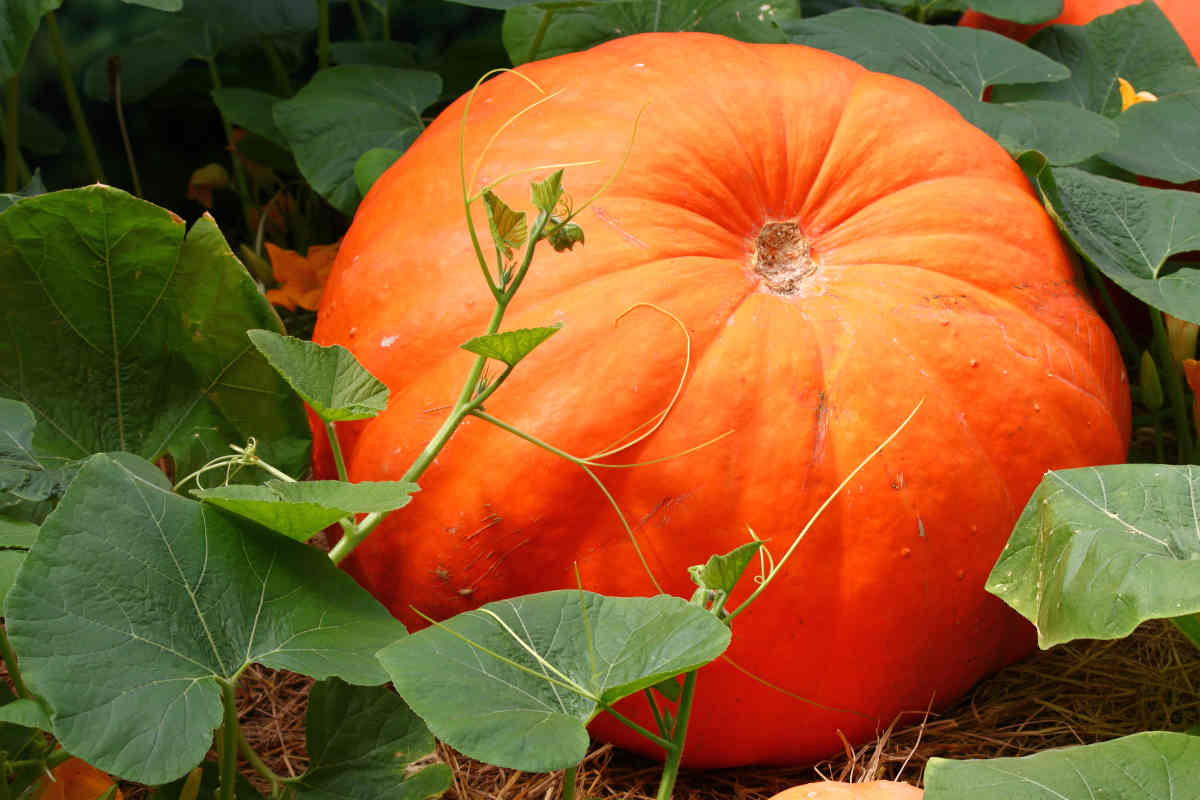
Unlike pumpkins for which keeping and ripeness are important, the harvest period of colocynths is much earlier. The younger the fruit, the more potent its medicinal effects.
For seeds, harvest the colocynth as soon as leaves dry up.
Peel the rind off and let the flesh dry out. Then you can collect the seeds.
Wear gloves when peeling limes or bergamot oranges, because their peel oils contain furanocoumarins that can sensitize the skin and cause phytophotodermatitis, a blistering, darkening rash triggered by later sun exposure.
A bottle gourd left on the vine past maturity fades from green to pale tan and rattles when shaken, because the pulp inside has dried and shrunk away from the loosened seeds.
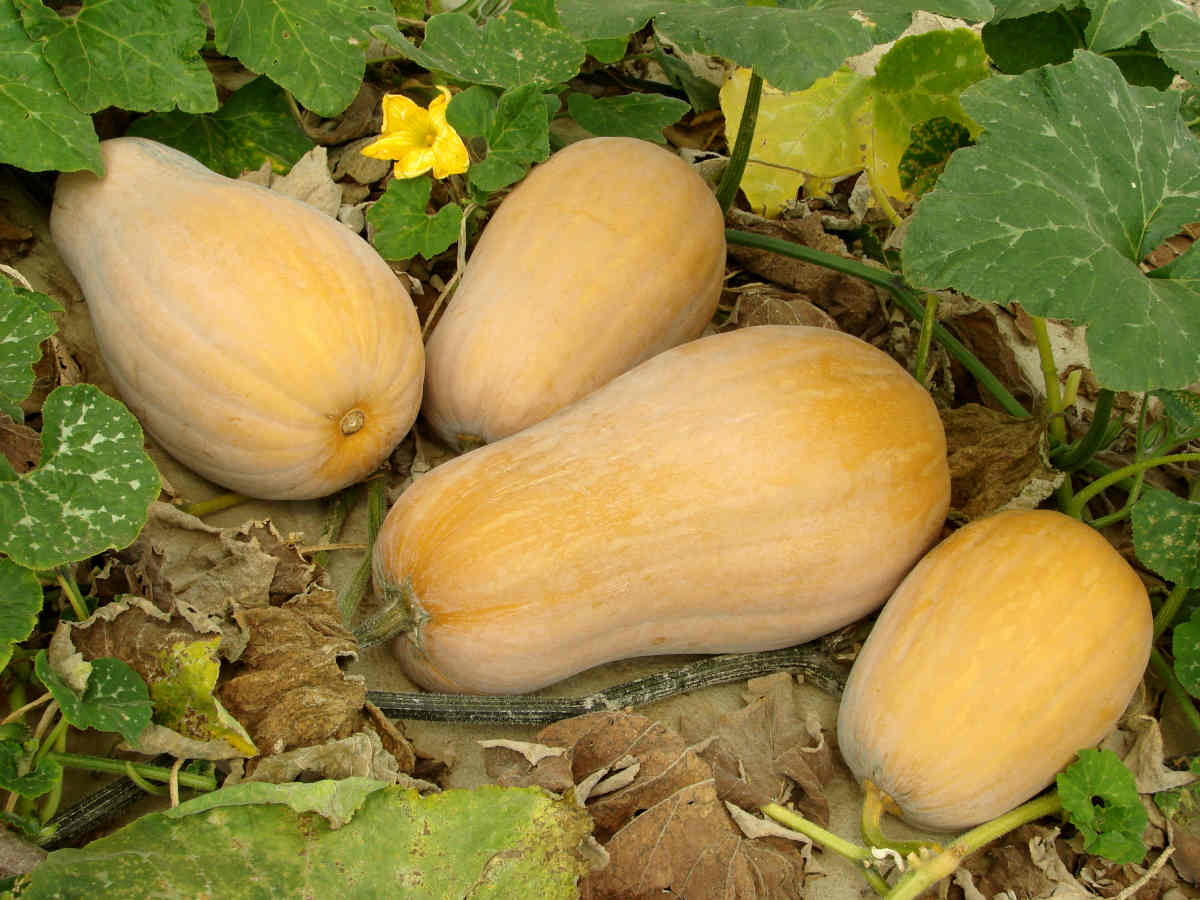
When harvesting pumpkins and winter squash, cut each fruit from the vine with secateurs, leaving a few centimetres of stalk attached, rather than tugging it free and tearing the plant.
Let the extracted seeds dry right through, then store them in a labelled paper envelope kept somewhere cool and dry, since clear labelling saves you guessing later about which seeds are which.
Which parts of colocynth can be used?
Colocynth is unusual among gourds: the fruit and the seeds are used in completely different ways. Here is what each part of the plant is good for.
Which parts of colocynth can be used?
Part of the plant
Edible?
What it is used for
Precautions
Flesh of the fruit
No – extremely bitter
Medicinal use, powerful laxative
Use only with great caution
Seeds
Yes
High oil content; roasted and eaten whole in some African cultures
Not toxic in any manner
Rind
No
Peeled away to reach the flesh and the seeds
Remove before letting the flesh dry out
Young fruit
No
Strongest medicinal effect of all
Harvested much earlier than pumpkins
In short, the fruit is a remedy to handle carefully, while the seeds are the only truly edible part.
All there is to know about colocynth
A desert crop grown for its medicinal fruit
Colocynth is grown in desert regions of the Middle East and Northern Africa for its medicinal properties. Fruits are extremely bitter and a power laxative, to be used only with caution.
Colocynth seeds, however, are edible and have a high oil content. They’re not toxic in any manner. Some African cultures roast the seeds and eat them whole.
Wear gloves when cutting open colocynth fruits and wash your hands afterwards, since the pulp contains toxic cucurbitacins that irritate mucous membranes and can sting painfully if transferred to the eyes.
Smart tip about colocynth
Take care not to let too many fruits develop on a single plant (at most 5 or 6).
Having too many fruits might reduce the quality of the entire harvest overall.