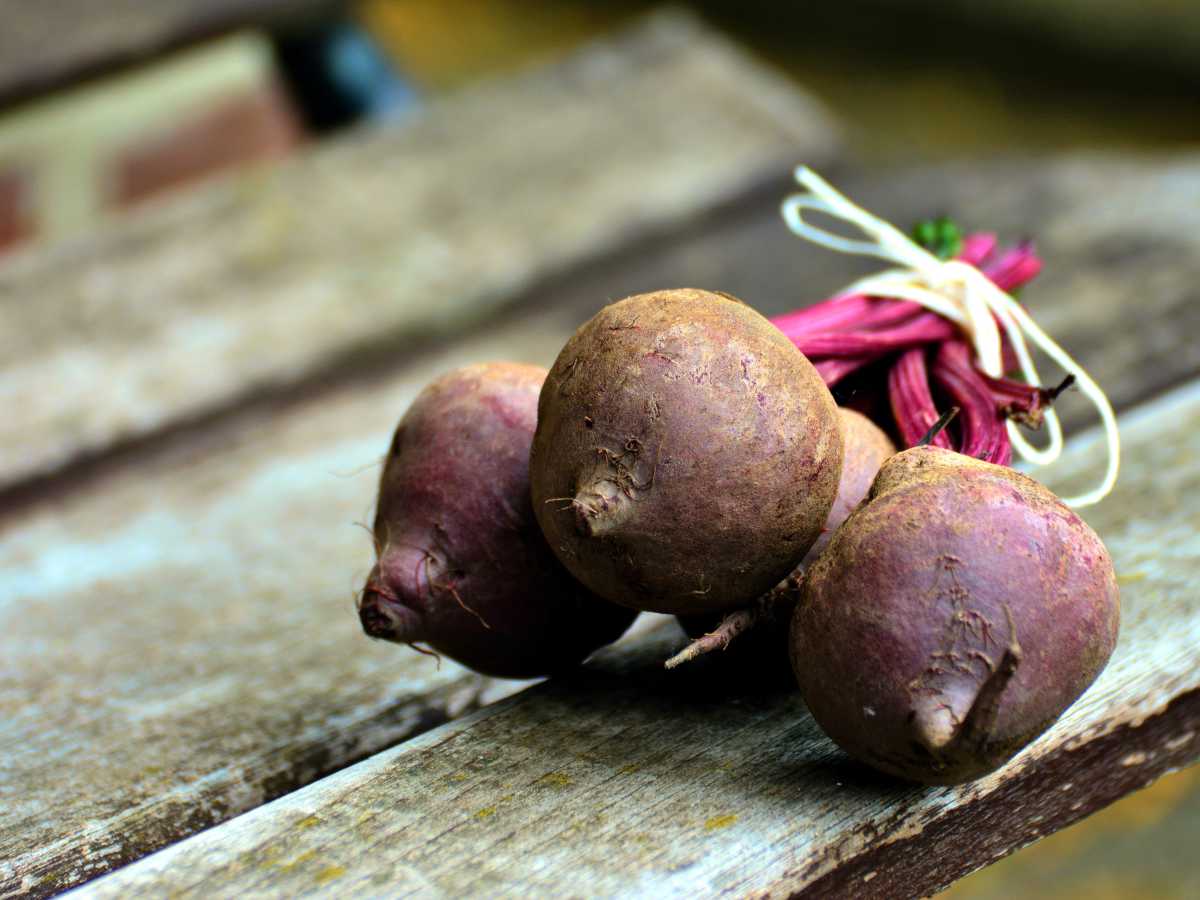
Lifted when the root is about 4 inches (10 cm) across, red beet brings a touch of sweet refreshment to a mixed salad in high summer, then turns into a warm, nourishing vegetable once the first colds hit. It asks for only one thing: soil that never runs dry, and the roots stay soft and juicy.
Perhaps you haven’t yet dared to grow it! But red beet is very easy to care for, and takes off quickly after having been sown.
How then can you resist growing this vegetable, which can be eaten in mixed salads to bring a touch of sweet refreshment in the middle of a hot summer?
Better than that, it keeps for a very long time and can treat you to nice warm nourishing sensations as a hot vegetable when the first colds hit.
Read also:
But before landing in your plate, there is at least some work to do. First step: planting
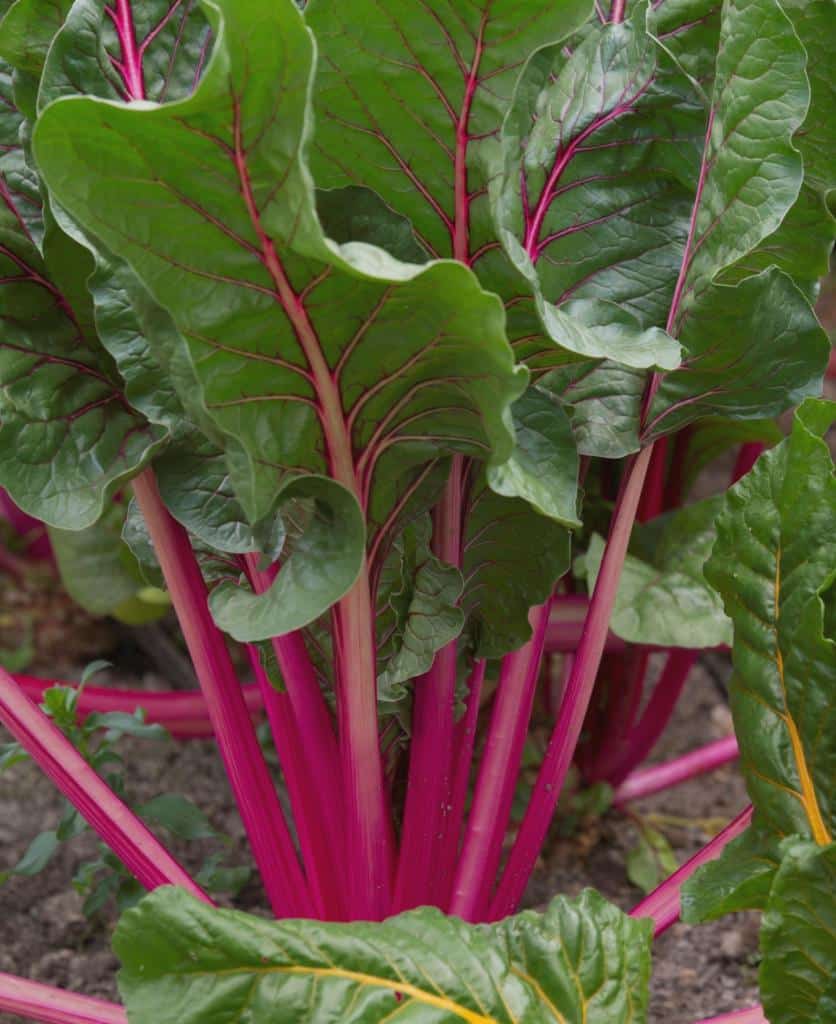
There are two options:
After that, best to just leave it alone for 10 to 12 days, in rather rich soil. You can even mix fertilizer such as manure or seaweeds to the soil.
Once it has sprouted, check your plant every now and then, and remember to thin neighbors down to 10 inches (25 cm) apart as soon as the first leaves appear. Water regularly.
Although easy to grow, one point of attention is really to ensure that the red beet doesn’t run dry. This vegetable is vulnerable to dry spells and high temperatures. To avoid this, you can spread mulch around the stems of your red beet. This mulch will help retain moisture a little longer, keeping the roots soft and juicy. This is even more true for warm-weather beetroot varieties.
Not all beetroot behaves the same way in the row: some resist bolting well enough for a very early sowing, others are grown for slicing, for storing or even for their coloured leaves. The table below compares varieties widely offered in garden centres and seed catalogues.
| Variety | Root shape | Flesh colour | Bolting resistance | Main use |
|---|---|---|---|---|
| Boltardy | Round globe | Deep blood red | Very good, early sowings | Salads, boiling |
| Pablo F1 | Round globe, smooth | Deep red | Good | Baby beet, salads |
| Detroit 2 | Round globe | Dark red | Average | Maincrop, winter storing |
| Chioggia | Round globe | Pink and white rings | Average | Raw, sliced in salads |
| Cylindra | Long, cylindrical | Dark red | Average | Even slices, storing |
| Albina Vereduna | Round globe | White | Average | Roasting, non-staining dishes |
Beet keeps for a very long time
You will be able to harvest your red beet from late spring up to late summer, but this really depends on when you sowed them.
Wait for the roots to reach around 4 inches (10 cm) across before pulling them out. At that point, lift the red beet delicately with a spade or forked spade without damaging it.
If your harvest is more abundant than you ever planned for, don’t force yourself to harvest everything at once. Red beet keeps better in the ground than it does in the refrigerator.
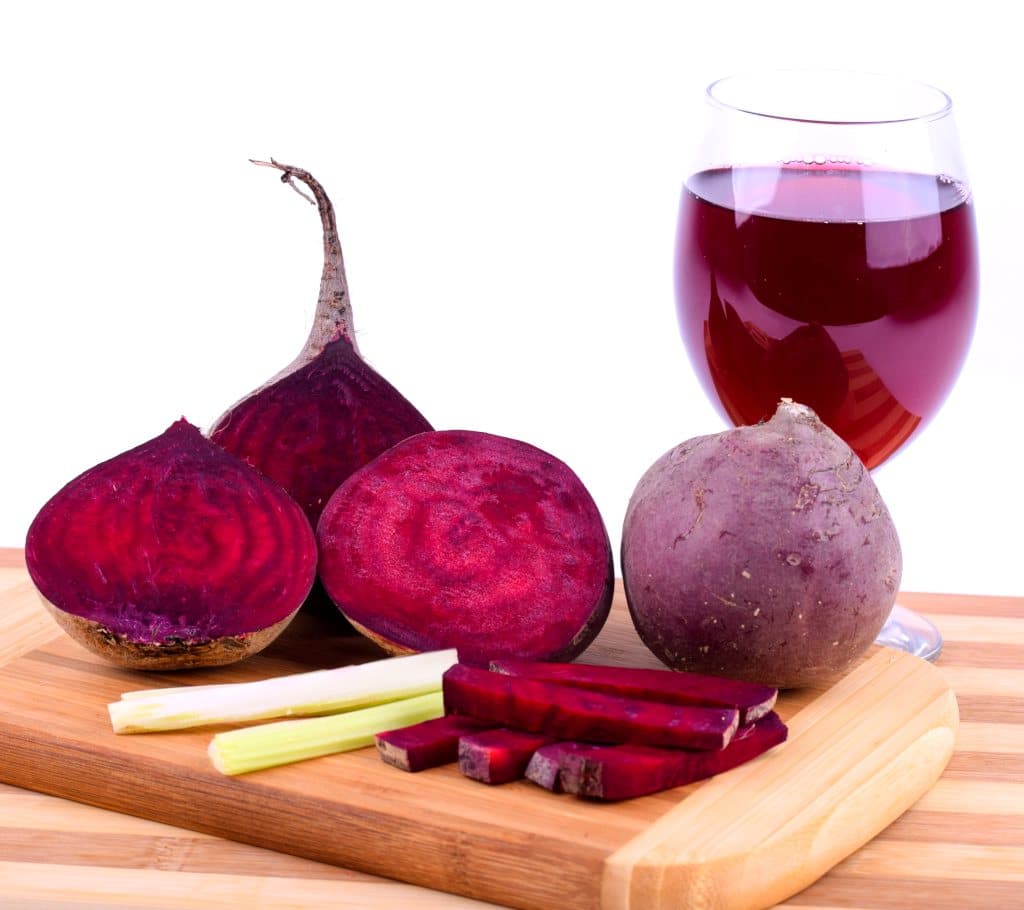
Since this vegetable has so many uses, it’s great to have some at hand.
It can keep over winter for a long time in a crate filled with sand. You’ll be able to savor your harvest all winter long and indulge without feeling in a hurry.
No mixed feelings about it either, since red beet is replete with vitamins, fiber and minerals.