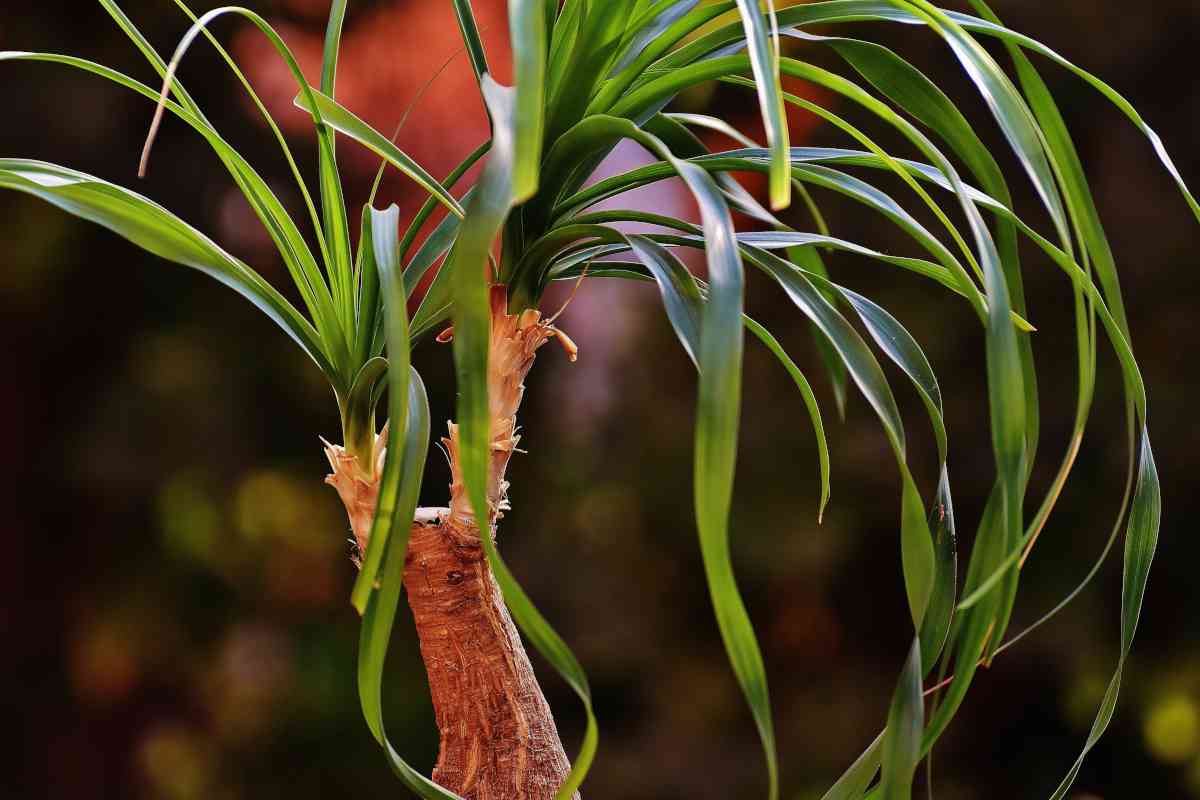
Arching, ribbon-like leaves spill from the top of a swollen, elephant’s-foot trunk: beaucarnea is grown indoors for that sculptural silhouette, and its very slow growth keeps it in scale for years. It is a plant of dry, arid soil that abhors excess water, so sharp drainage and a monthly drink are about all it asks.
| Name | Beaucarnea |
|---|---|
| Family | Agavaceae |
| Type | shrub |
| Height | 20 feet (6 meters) outdoors |
| Exposure | full sun |
| Soil | light, well-drained |
| Foliage | evergreen |
| Flowering | insignificant |
The planting, repotting, watering and care are are all good practices that will increase its growth and protect it from falling sick.
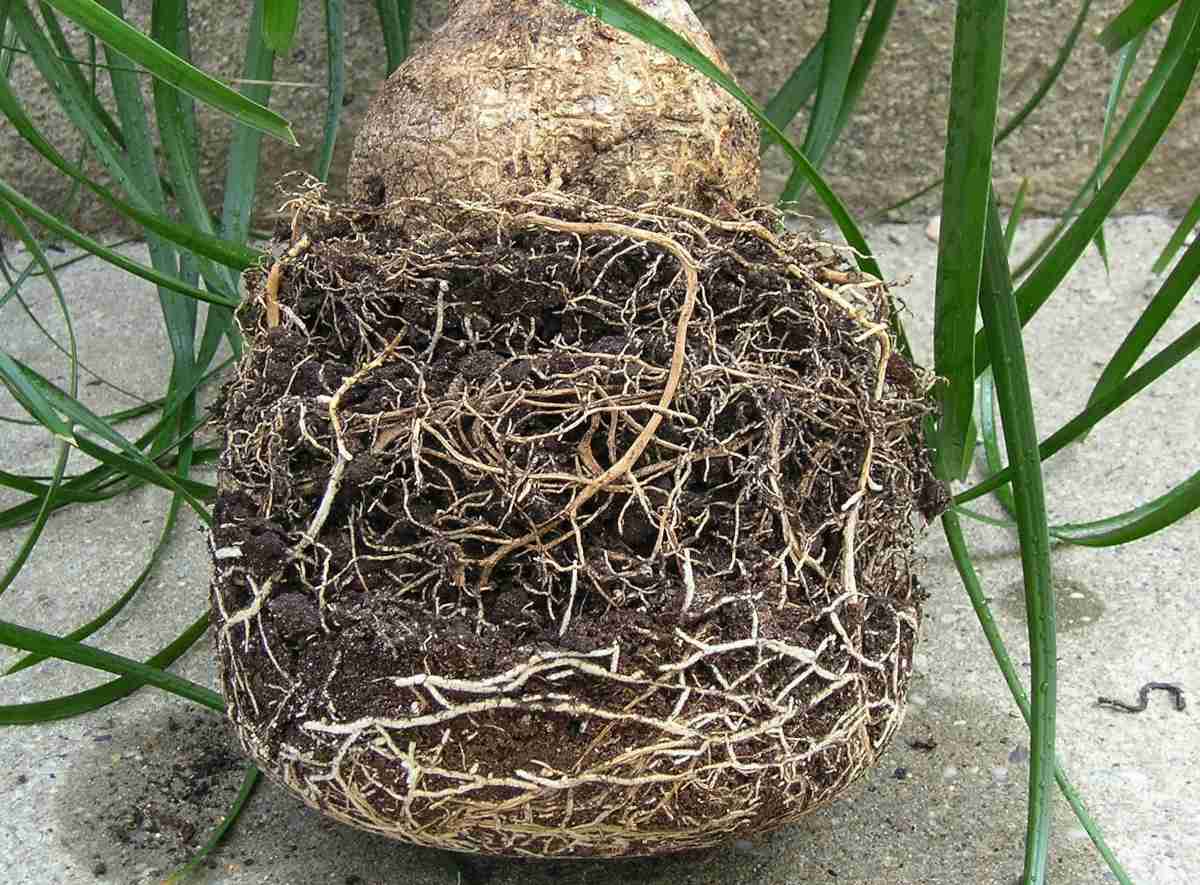
Even though it isn’t really picky in terms of soil and substrate, proper planting of your beaucarnea should help you extend its lifespan.
Beaucarnea abhors excess water and must be planted in a pot with a hole in the bottom together with a bed of gravel or clay beads at the bottom of the pot.
It loves a tight fit and must never be planted in too wide a pot.
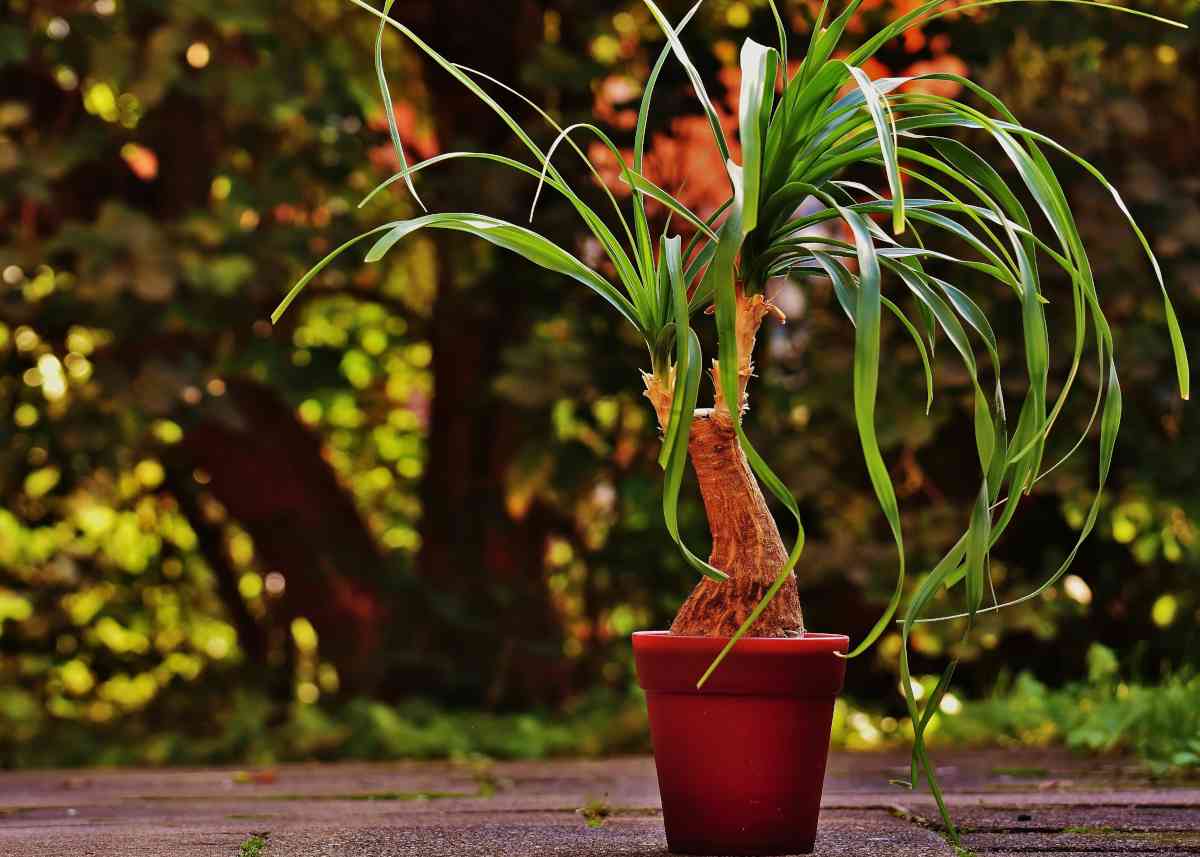
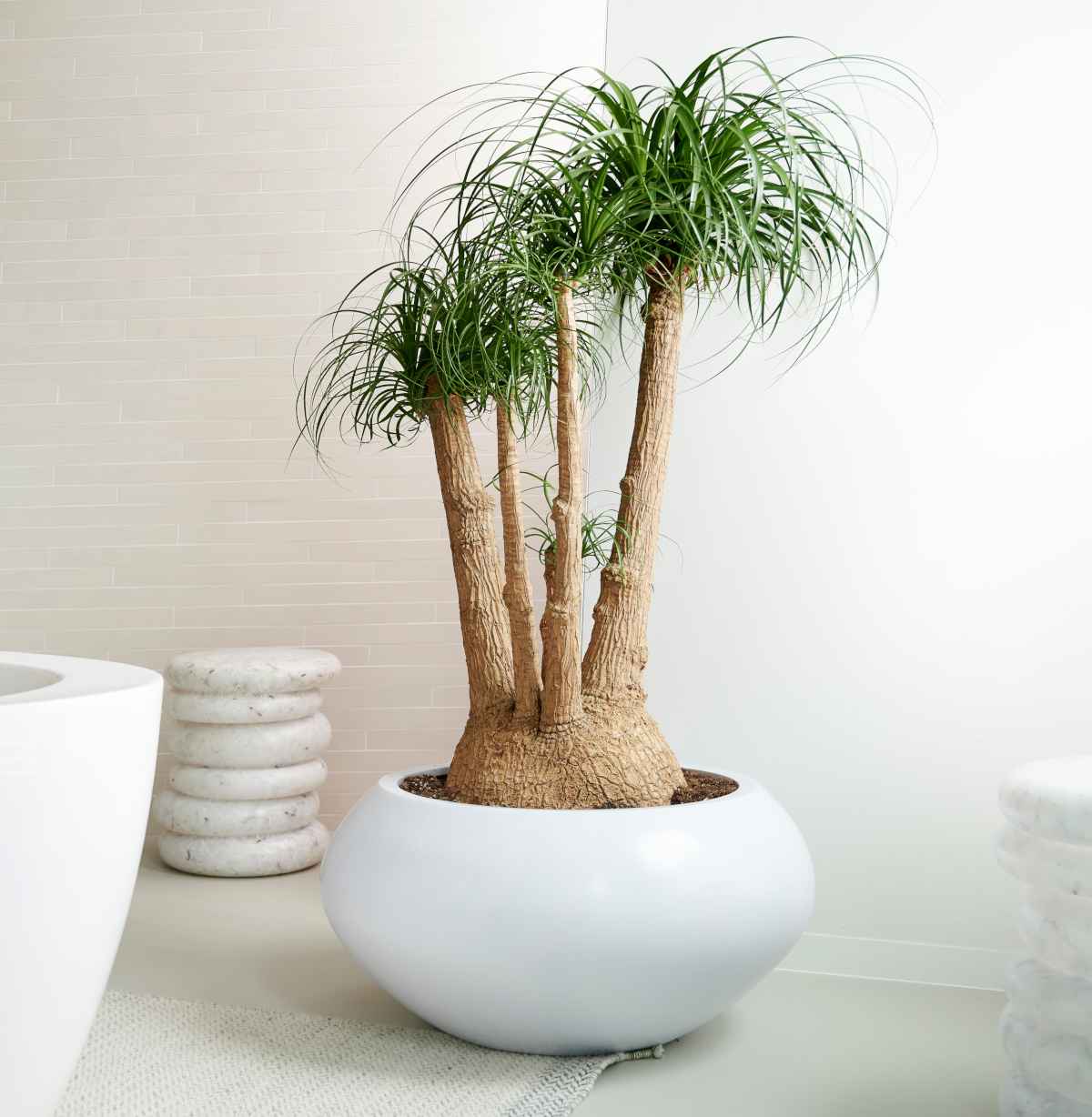
Beaucarnea is easygoing since it only requires minimal care once it is properly settled in in your house or apartment.
Beaucarnea loathes it when temperatures drop below 50°F (10°C) in winter.
Avoid letting water sit in the crown where the leaves emerge, though in practice most Beaucarnea rot begins at the roots or base of the caudex from overwatering and poor drainage.
Beaucarnea is a plant that only requires very little water. That’s why it is actually one of the easiest indoor plants to care for in terms of watering.
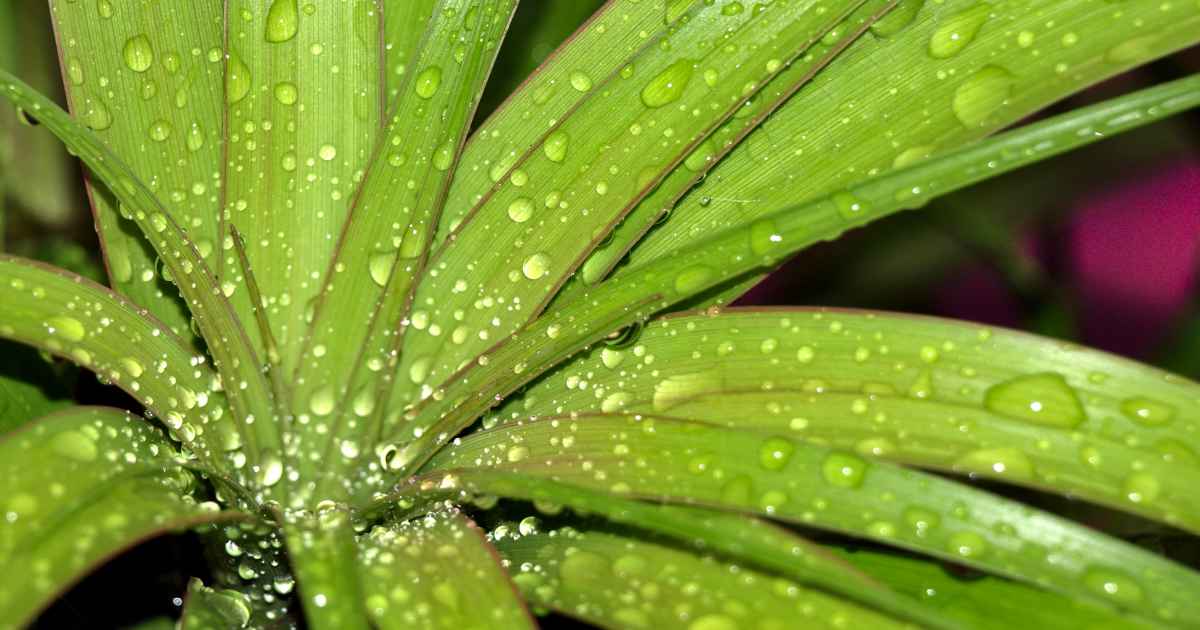
If you discover cottony white clumps, there is no doubt about it: scale insects.
It is then important to treat immediately because a major mealybug invasion your spell death for your beaucarnea and might even spread to other plants in your house or apartment.
The same plant is handled quite differently in a pot in the house and in the open ground of a warm climate. This table sums up what each situation asks of you.
| Aspect | Indoors, in a pot | Outdoors, in the ground |
|---|---|---|
| Position | Very luminous spot, indirect light, never behind a south-facing window | Full sun, tropical climates only |
| Potting and planting | Repot after purchase, then roughly every 3 years, into a barely larger pot | Planted indifferently in spring or fall |
| Watering | Once a month, twice in a heat wave, none in winter | None needed at all |
| Pruning | Leaves may be shortened slantwise for a compact shape | No pruning required |
| Flowering and seed | Does not flower, so no seed | Flowers in its natural environment, seeds germinate well |
In both cases the rule is the same: too much water, not too little, is what kills a beaucarnea.
Beaucarnea is native to Mexico and is particularly at ease in dry, arid soil.
It is particularly well suited to growing indoors, but you can bring it out from late spring to early autumn to let it breathe fresh air.
It loves feeling cramped and so it doesn’t need huge pots or garden boxes.
Beaucarnea has a very slow growth, which makes it an ideal indoor plant in our climates.
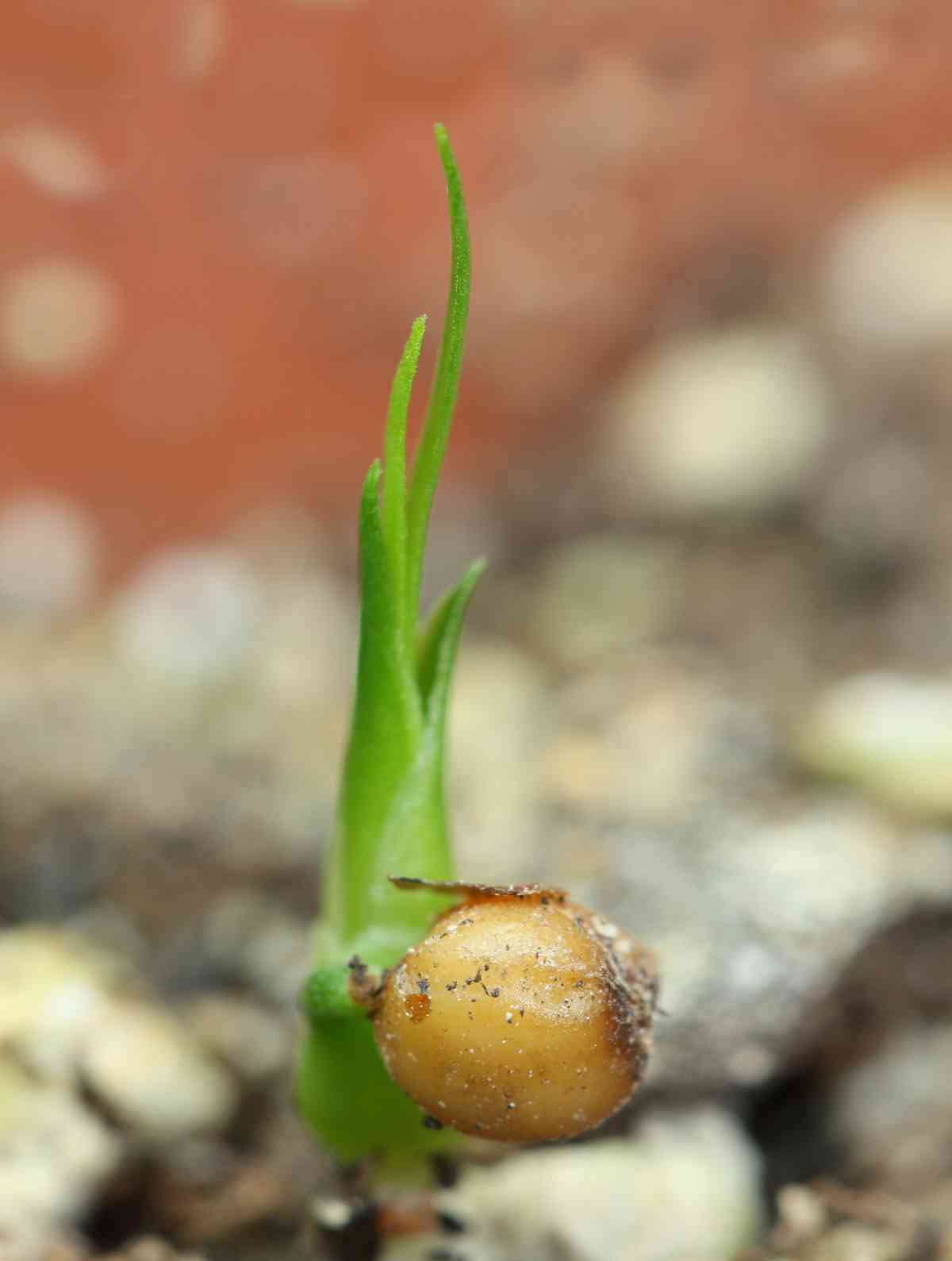
Propagation, for beaucarnea, is rare as an indoor plant.
When it’s particularly healthy, it will produce offshoots. These appear around the base of the trunk, at the crown. Wait until a handful of leaves have formed, and carefully dig away around the offshoot. When you can see it clearly, cut the bulblet free from the mother plant with a sharp knife. Take care to keep roots whole on the offshoot.
Seeds are also usually fertile and germinate well. However, the plant only ever flowers outdoors in its natural environment.
When watering, best to use water at room temperature instead of cold tap water, because any temperature difference will put your beaucarnea in shock.