Avocado is more than a salad ingredient. Its buttery flesh feeds the skin as readily as the plate, its pressed oil turns up in massage blends, and in its native Central America the roasted seed and the tree’s leaves have long been infused. Here is what each part is, how to prepare it tonight, and who should leave some of it alone.
Avocado at a glance
Item
Detail
Botanical name
Persea americana
Family
Lauraceae
Origin
Central America, chiefly Mexico
Parts used
Flesh, pressed oil from the flesh, skin, seed (roasted), leaves
Forms of use
Raw and cooked food, purée, oil for massage and masks, roasted seed infusion, leaf infusion
Harvest season
Fruit from late autumn to late spring depending on variety; leaves picked in any mild season
Taste
Flesh mild, buttery, faintly nutty; roasted seed bitter and tannic; leaf infusion green and slightly aniseed
What it is credited with
Naturopathy values the ripe flesh as an easy-to-digest food, its fibre traditionally used to support a regular, unhurried transit.
Herbal tradition in Central America infused the roasted seed for coughs and a tight chest.
Infusions of avocado tree leaves have a long folk reputation for soothing period discomfort and tension headaches.
A rinsed leaf, chewed and not swallowed, was a household remedy for mouth ulcers and sore gums.
Avocado oil is credited by herbalists with softening dry, tight skin and is a classic base for stretch-mark massage blends during and after pregnancy.
Naturopaths often suggest the flesh to people rebuilding after fatigue or heavy physical work, for its fats, minerals and vitamins.
Cosmetic tradition uses the mashed flesh as a nourishing mask for dull or wind-burnt skin, and the inside of the skin to rub dry heels.
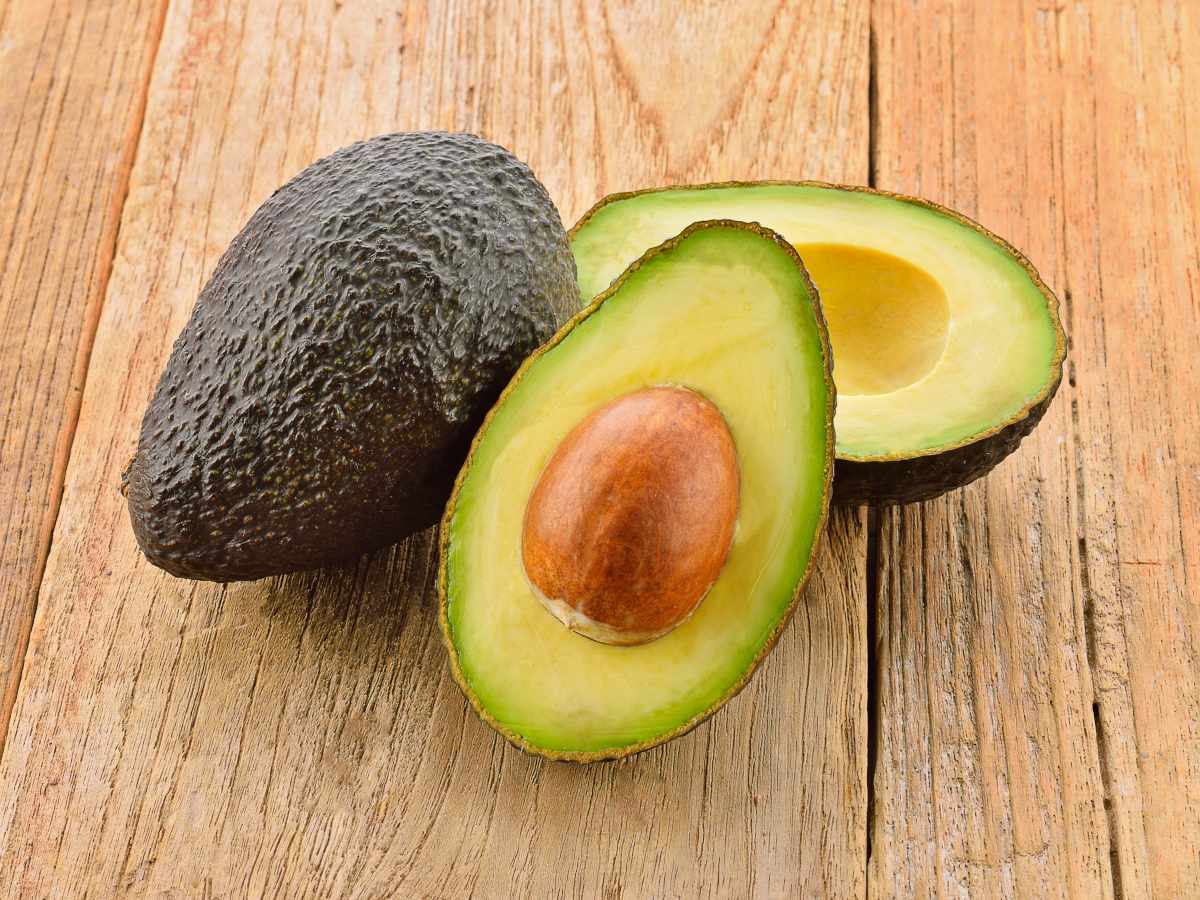
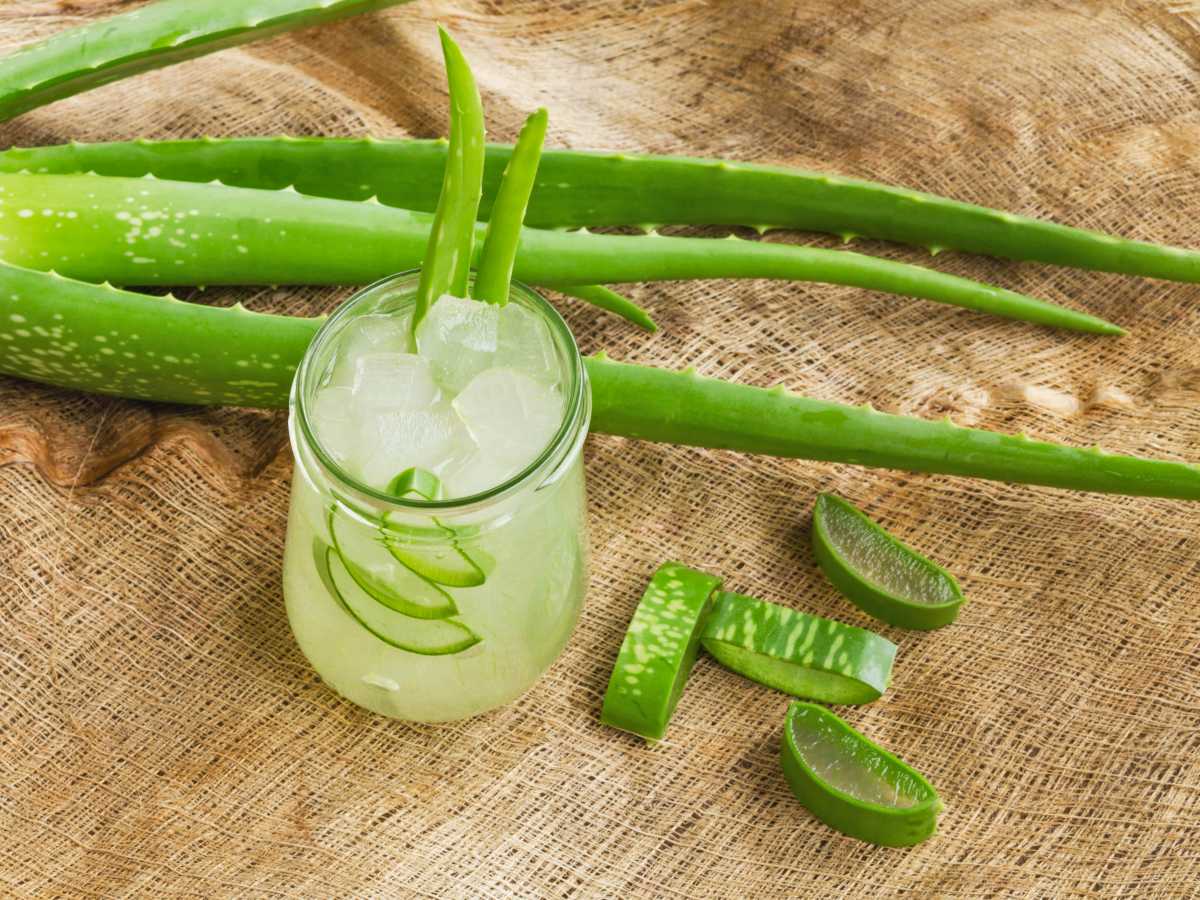
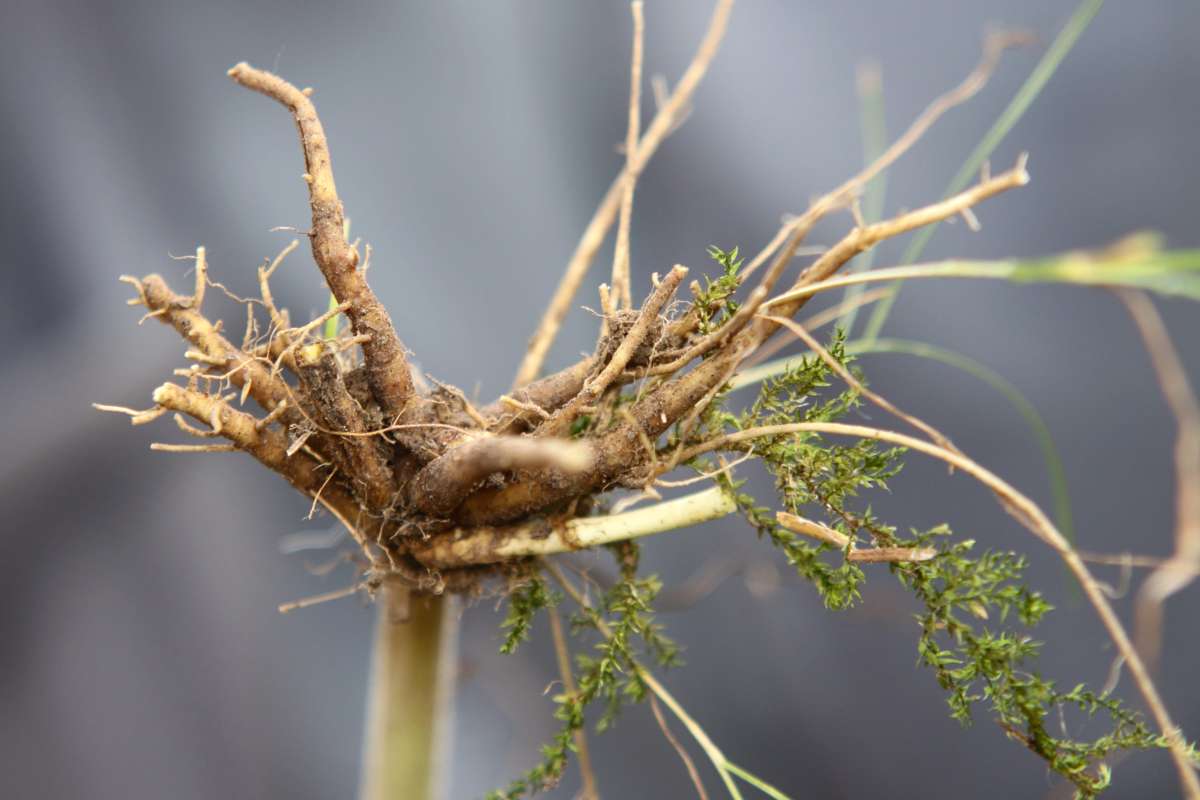
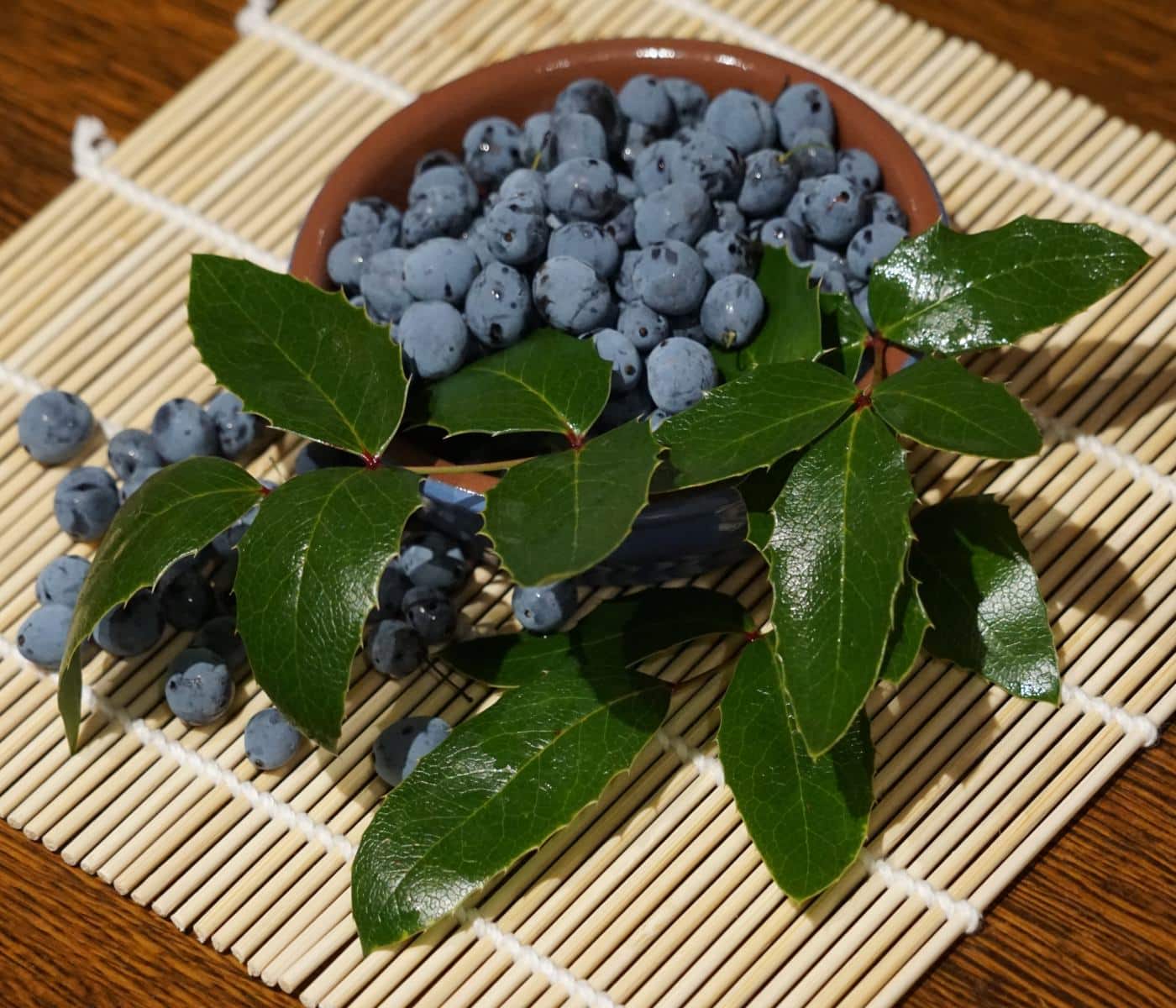
Flesh, oil, seed and leaf: four different preparations, four different uses
How to use it
The flesh, at the table
Ripe test: the fruit yields to gentle thumb pressure near the stalk. Under-ripe avocado is indigestible and tastes of nothing.
Halve, twist out the seed, scoop with a spoon. Lemon or lime juice over the cut surface keeps it green.
Half a fruit per person is the everyday serving: in a mixed salad, on toast, stuffed with prawns, or mashed into guacamole with fresh vegetable sticks.
Swap it for butter or mayonnaise: mashed avocado with a squeeze of lemon spreads on bread and binds a sandwich.
Hot dishes: add cubed avocado to an omelette or scrambled eggs in the last seconds off the heat. Long cooking turns it bitter.
Avocado mousse: mash one fruit with fresh cream, finely chopped shallot and lemon juice, serve chilled in a glass, topped with a prawn.
Roasted seed infusion
Peel the thin brown skin off the seed, then grate it coarsely.
Dry-toast the gratings in a pan over low heat, stirring, until they turn reddish-brown.
Pour boiling water over a small pinch, cover and infuse for around ten minutes, then strain.
It is frankly bitter and tannic; a little honey helps. Keep to the odd cup rather than a daily habit, and see the cautions below.
The toasted gratings can also be scattered sparingly over salads, soups and stews.
Leaf infusion
Pick two or three healthy leaves from an untreated tree, rinse, tear and cover with boiling water.
Infuse, covered, for about ten minutes; drink warm, one cup, occasionally.
For the mouth, rinse a single leaf and chew it slowly without swallowing, then spit it out.
Oil and skin care
Massage blend: a small bottle of avocado oil with around twenty drops of lemon essential oil, worked into the stomach, thighs and chest in slow circles. Use it in the evening, as lemon essential oil makes skin sun-sensitive.
Nourishing mask: mash a ripe avocado, stir in two teaspoons of lemon juice, two teaspoons of honey and a tablespoon of thick cream. Spread on the face, avoid the eyes, leave 10 to 20 minutes, rinse with warm water.
Feet: turn an emptied avocado skin inside out and rub the flesh side over dry heels, then rinse.
Forms of use compared
Form
How it is prepared
What it is used for
Fresh flesh
Raw, mashed or added to hot dishes at the last moment
Everyday food; traditionally valued for easy digestion and fibre
Roasted seed infusion
Grated, dry-toasted, infused ten minutes in boiling water
Folk remedy for coughs and a tight chest; occasional use only
Leaf infusion
Two or three fresh leaves, covered, ten minutes
Traditionally taken for period discomfort and headaches
Pressed oil
Applied neat or blended with an essential oil
Massage and stretch-mark care, dry skin, dry heels
Skin and mask
Mashed flesh with lemon, honey and cream; skin rubbed on heels
Cosmetic nourishing of face and feet
Frequently Asked Questions
The one thing to remember: eat the ripe flesh freely as a food, use the oil generously on skin, and treat the seed and leaves as occasional traditional preparations with real limits.
Can I really eat the avocado seed?
Traditionally, yes, in small amounts: peeled, grated and dry-toasted until reddish, then infused or sprinkled over food. Its tannin content is high, so it is bitter and best kept occasional. It is not suitable during pregnancy, breastfeeding or for children.
Is avocado too fatty for a slimming diet?
It is calorie-dense, around 200 kcal per 100 g, but the fats are mainly monounsaturated and the fibre is filling. Naturopathy usually suggests half a fruit as a satisfying part of a meal rather than an extra on top of it.
What are avocado leaves infused for?
Folk tradition in the fruit’s native regions used a short infusion of two or three fresh leaves for period discomfort and headaches, and a chewed rinsed leaf for mouth ulcers. Only use leaves from an unsprayed, correctly identified tree, and not while pregnant or breastfeeding.
How do I use avocado oil for stretch marks?
Herbalists blend avocado oil with a little lemon essential oil and massage it in slow circles into the stomach, thighs and chest. Do it in the evening, because lemon essential oil makes skin sun-sensitive, and patch-test the blend first.
How do I ripen a rock-hard avocado quickly?
Wrap it in newspaper or slip it into a paper bag with a banana or apple and leave it at room temperature. Check daily: it is ready when the flesh gives under gentle thumb pressure near the stalk.
This information is provided for general interest and reflects the traditional use of plants. It is not a substitute for medical advice. If you are on medication, pregnant, or in any doubt, ask a healthcare professional.
Written by Gaspard Lorthiois | Loves helping out, especially when it comes to growing things. Worked in herbal medicine, runs a farm, and dabbles in tech. Master's degree and engineer.