Growing Trollius: expert tips for golden globe flowers
0
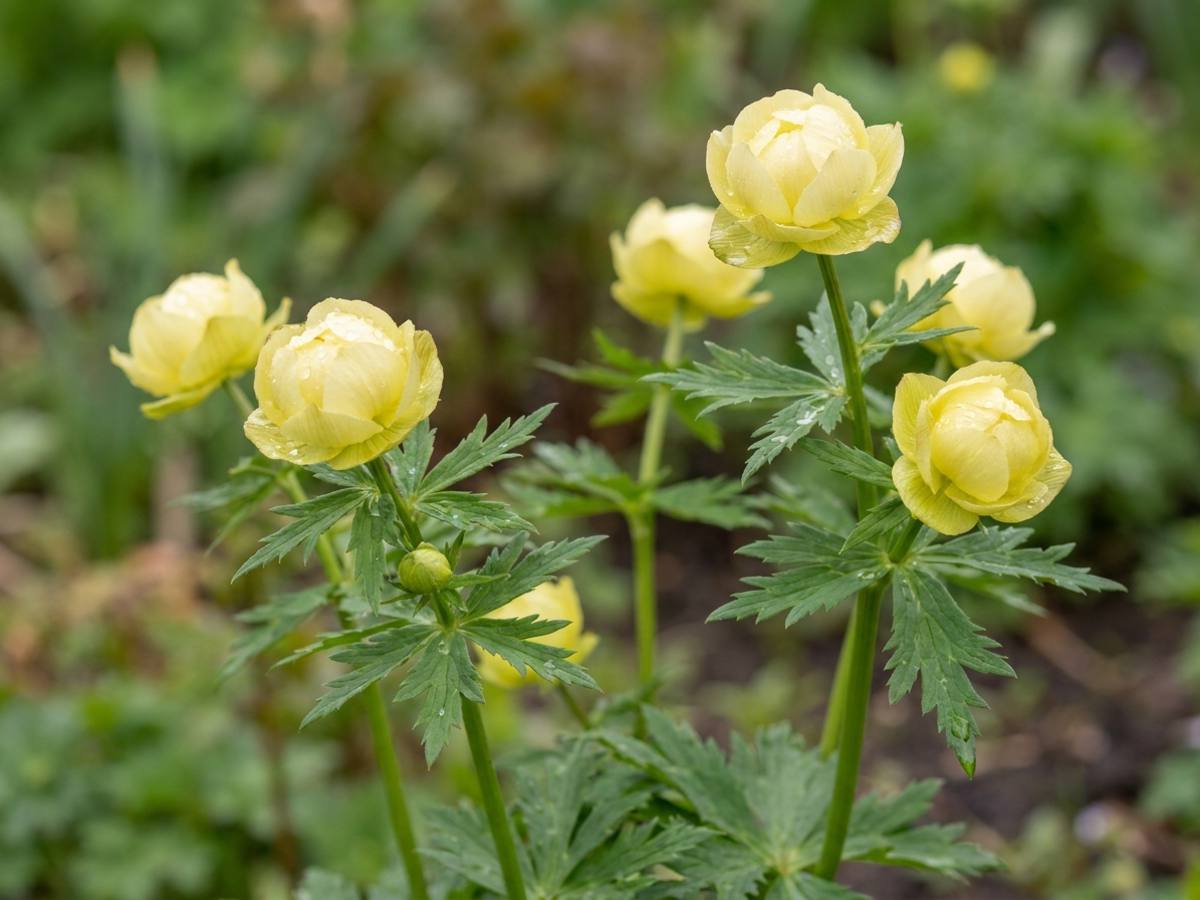
The common globeflower is one of those quietly glorious natives that turns a damp corner into a highlight of early summer. Its lemon-yellow, almost spherical blooms sit atop wiry stems above deeply cut, buttercup-like foliage, glowing in the low light of a streamside or bog garden. Unusually among moisture-lovers, it is completely trouble-free once settled — provided its roots never dry out.
Growing conditions
Globeflowers are happiest in full sun where the soil stays permanently damp, such as a pond margin or a heavy clay border. In drier gardens, or in warmer regions of southern Europe and the southern United States, give them dappled or afternoon shade instead. Deep shade is tolerated but produces fewer flowers and floppier stems.
The ideal soil is deep, fertile and moisture-retentive, with plenty of organic matter worked in. Heavy clay suits them perfectly, and they will even grow in ground that floods occasionally in winter. They are not fussy about pH, thriving in anything from mildly acidic to alkaline soil, but sharply drained sandy or chalky soils are the one situation they truly resent.
This is a plant of northern and upland Europe, so cold is never the problem — drought and heat are. Gardeners in mild, dry climates should treat it as a bog plant and site it accordingly.
How to plant Trollius
Autumn and early spring are the best planting seasons, when soil is naturally moist and roots can establish before summer heat arrives. Pot-grown plants can go in at almost any time, but a July planting will need constant watering.
Spacing: Set plants 40–45 cm apart so clumps can knit together without competing for moisture at the root.
Depth: Plant with the crown level with the soil surface — burying it invites rot, whilst planting proud leaves roots exposed to drying.
Soil preparation: Dig in two bucketfuls of garden compost, leaf mould or well-rotted manure per square metre to hold moisture through summer.
Watering in: Soak thoroughly after planting and keep the ground damp for the whole first growing season; never let a new plant wilt.
Propagation: Divide congested clumps in early autumn or just after flowering, replanting fist-sized pieces immediately; seed germinates erratically and needs a cold winter outdoors.
Trollius europaeus growing in a naturalistic garden border
Care through the seasons
Spring: New foliage pushes up early, so scatter a general-purpose organic fertiliser or a mulch of compost around the crown as growth begins. Protect emerging shoots from slugs, which find them irresistible. Once flowering starts, remove faded blooms individually to encourage a scattering of later flowers.
Summer: Water is the single most important task — a globeflower that dries out will scorch at the leaf margins and go dormant weeks early. In borders, mulch generously and water deeply once or twice a week in dry spells rather than sprinkling daily. After the main flush, cut flowered stems back to the base to tidy the plant and sometimes trigger a second show in late summer.
Autumn: Foliage yellows and collapses naturally; cut it down once it has died back and compost the debris. This is the ideal moment to lift and divide clumps that have become woody in the middle, usually every three to four years. Top-dress with well-rotted manure to feed next year’s growth and lock in winter moisture.
Winter: Globeflowers are fully dormant and utterly hardy, needing no protection whatsoever, even in waterlogged ground. Mark the position with a label so you do not accidentally dig into the crown.
Best varieties to grow
The wild species is lovely in naturalistic planting, but the Trollius × cultorum hybrids offer bigger flowers and a broader colour range.
Trollius europaeus ‘Superbus’ — a refined selection of the species with clear lemon globes over a long season; holds an RHS Award of Garden Merit.
Trollius × cultorum ‘Alabaster’ — softest ivory-cream flowers that glow at dusk; slower and slightly fussier, so give it the moistest spot you have.
Trollius × cultorum ‘Orange Princess’ — deep tangerine-orange, vigorous and reliable, and an excellent partner for blue camassias.
Trollius × cultorum ‘Cheddar’ — pale buttery yellow with a neat habit around 60 cm, an AGM holder and a good border choice.
Pests, diseases and common problems
Slugs and snails: They shred the tender spring foliage and can strip young plants entirely. Use wildlife-safe ferric phosphate pellets sparingly, or set beer traps and hand-pick after dusk in damp weather.
Powdery mildew: A white bloom on leaves, almost always a symptom of dry roots rather than damp air. Cut affected foliage away, water deeply and mulch — plants usually regrow clean.
Leaf scorch and early dormancy: Brown, crisped leaf edges in June or July mean the plant is drought-stressed. Cut it back hard, soak the ground, and it will reshoot; move it in autumn to a damper site.
🌿 Nature & Garden Newsletter
Gardening tips, recipes & seasonal advice, twice a week.