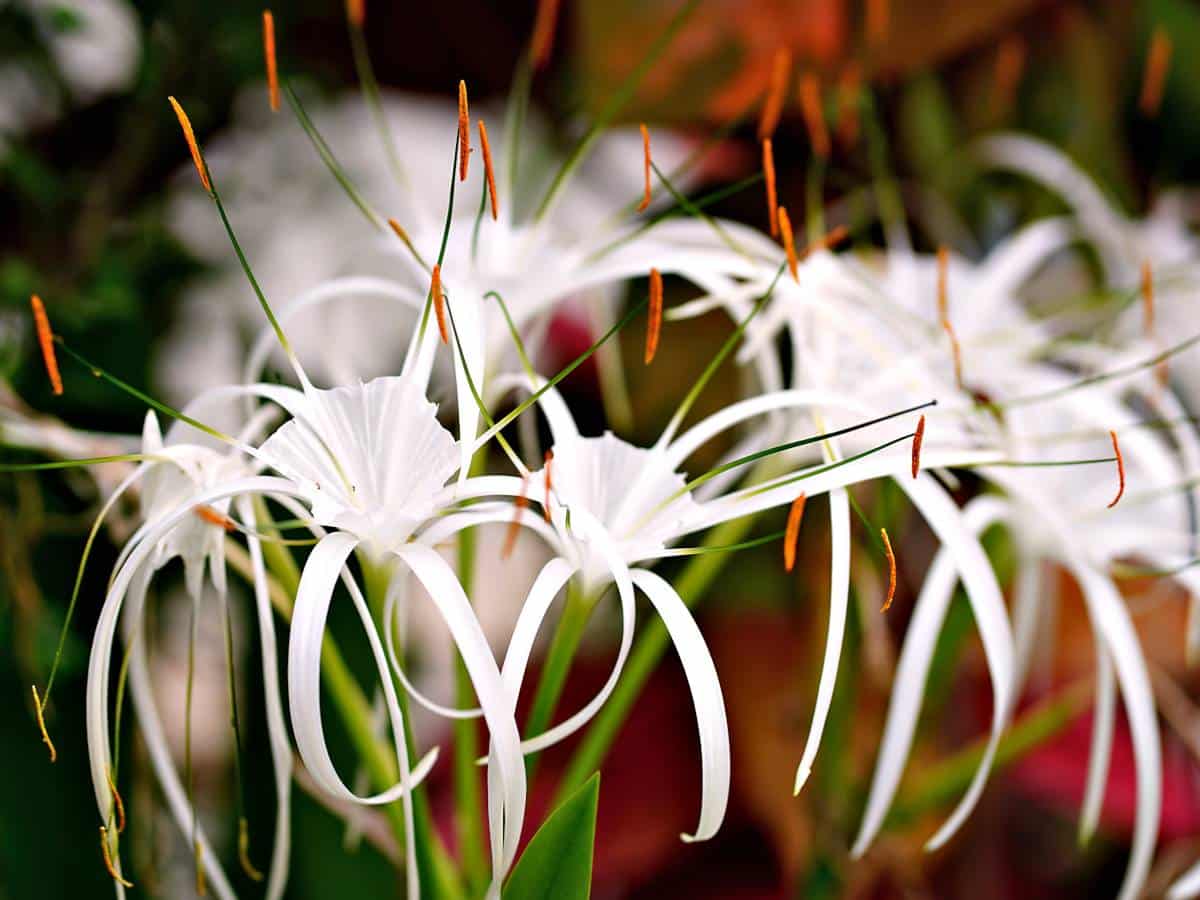
Fragrant and highly ornamental, the white spider lily (Hymenocallis) blooms right through the summer season on stems reaching 32 inches (80 cm), and is as much at home in flower beds as in pot arrangements. Everything turns on warmth: it needs real heat to grow in open ground, and repays it with an elegant display lasting into autumn.
| Name | Hymenocallis |
|---|---|
| Family | Alliaceae |
| Type | flower, bulb plant |
| Height | 32 inches (80 cm) |
| Exposure | full sun, part sun |
| Soil | ordinary, well drained |
| Foliage | deciduous |
| Flowering | summer→fall |
Fragrant and very ornamental, it will give your flower beds and pot arrangements a definite edge for them to be brought indoors.
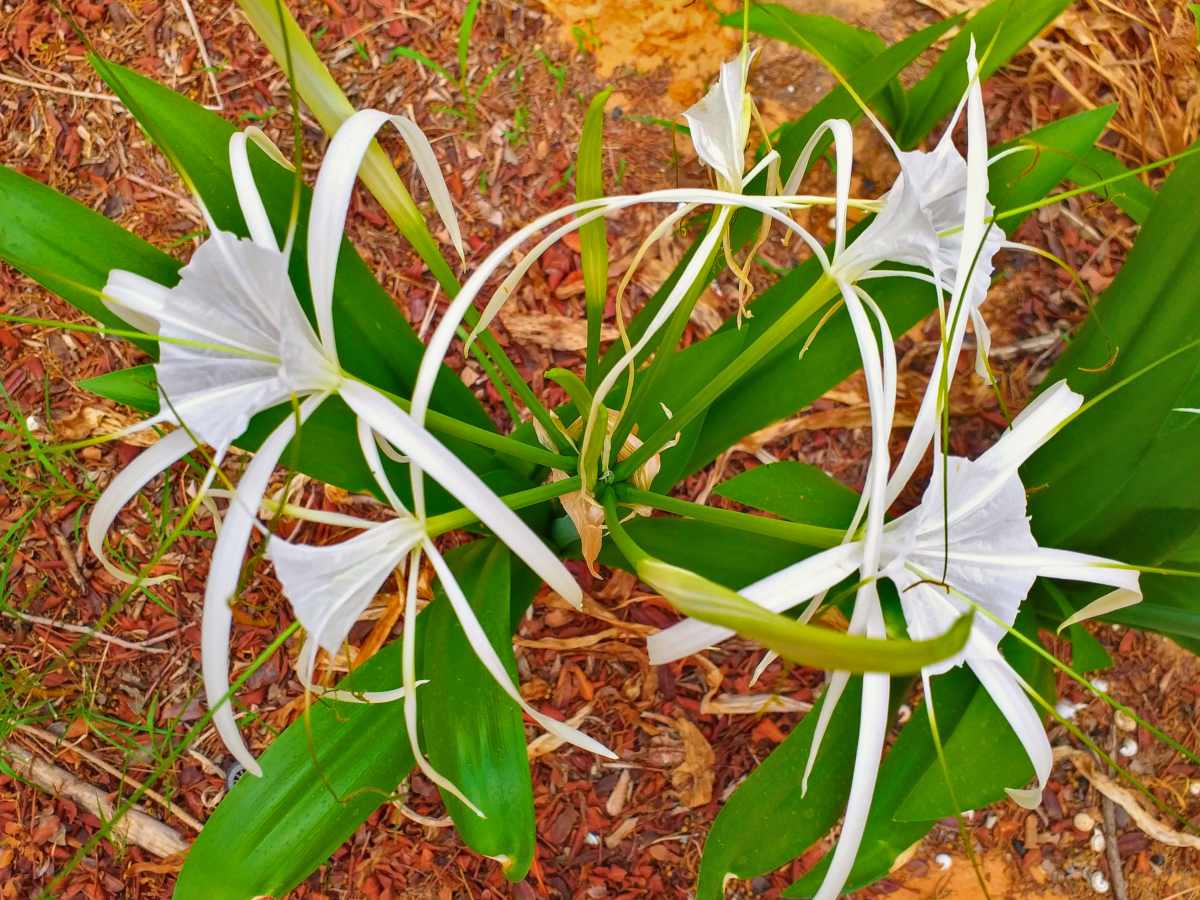
Favor planting in spring, covering the bulbs only very lightly.
Hymenocallis can only grow directly in the ground in climates that are warm enough in both summer and winter.
Outside of these areas, go for growing in pots or take on the duty of bringing the bulbs indoors in a cool and ventilated space as soon as temperatures drop to around 40°F (5°C), even at night.
Mediterranean-climate bulbs such as tulips and alliums are commonly lost to rot in heavy, poorly drained soil that stays wet, a risk that often matters more than winter cold itself.
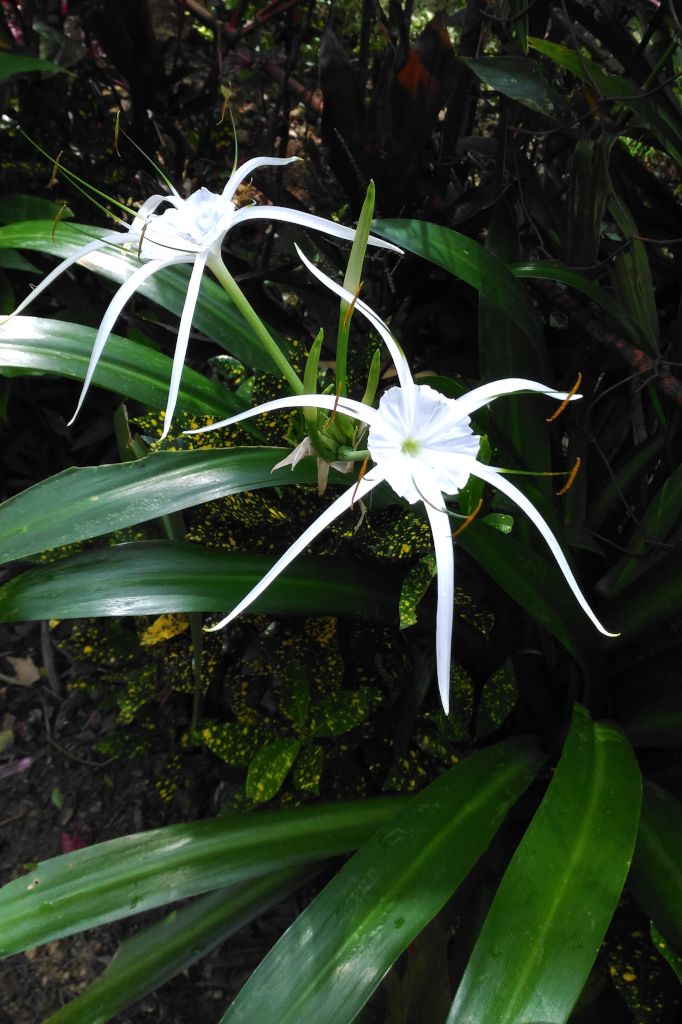
Remove wilted flowers regularly (deadheading).
This helps new flowers appear.
Wait for the foliage to have turned yellow completely before cutting it off, because the plant needs this step to fully replenish its nutrients for the next blooming season.
In warmer places, some leaves might survive over winter. Feel free to cut one or two away when you feel they look too damaged and old. This will lead the bulb to unfurl fresh new leaves within a few weeks.
Warmth is what decides whether hymenocallis can stay outdoors. Match your climate to the growing method below before you plant a single bulb.
| Climate | Growing method | What it needs |
|---|---|---|
| Warm summers and warm winters | Straight into the ground | Heat, and a sunny, well-drained spot |
| Slightly cool climate | Pots | Stand the pots outside only in the warmest months |
| Cold areas | Greenhouse, pot or indoor plant | A cool, non-freezing place over winter |
| Bulbs already in the ground, frost expected | Lift and store | Indoors, cool and ventilated, once nights fall to 40°F (5°C) |
Spider lily is a demanding plant, but its beauty makes up for the extra trouble.
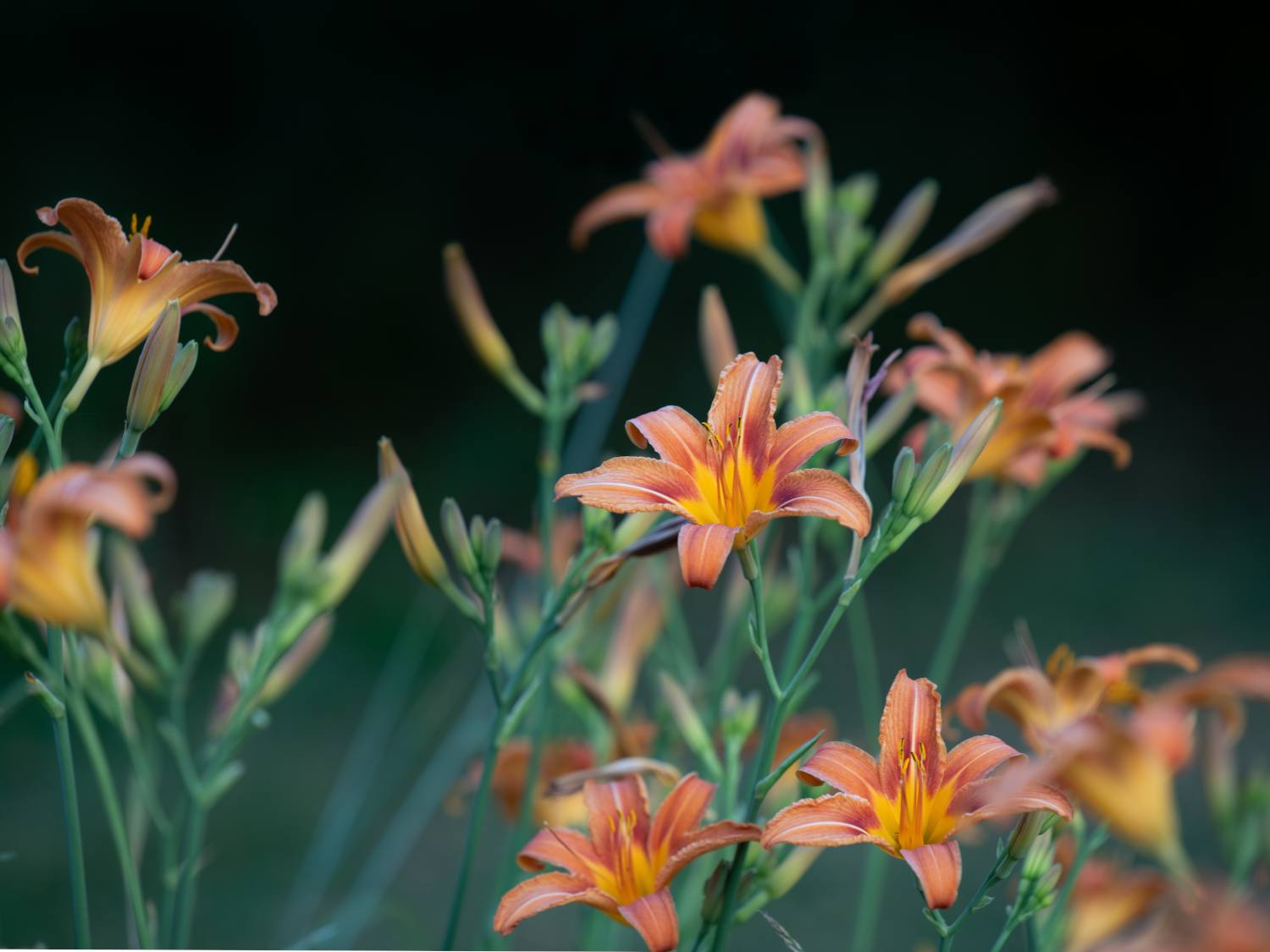
Other families of flowers are also sometimes called spider lily:
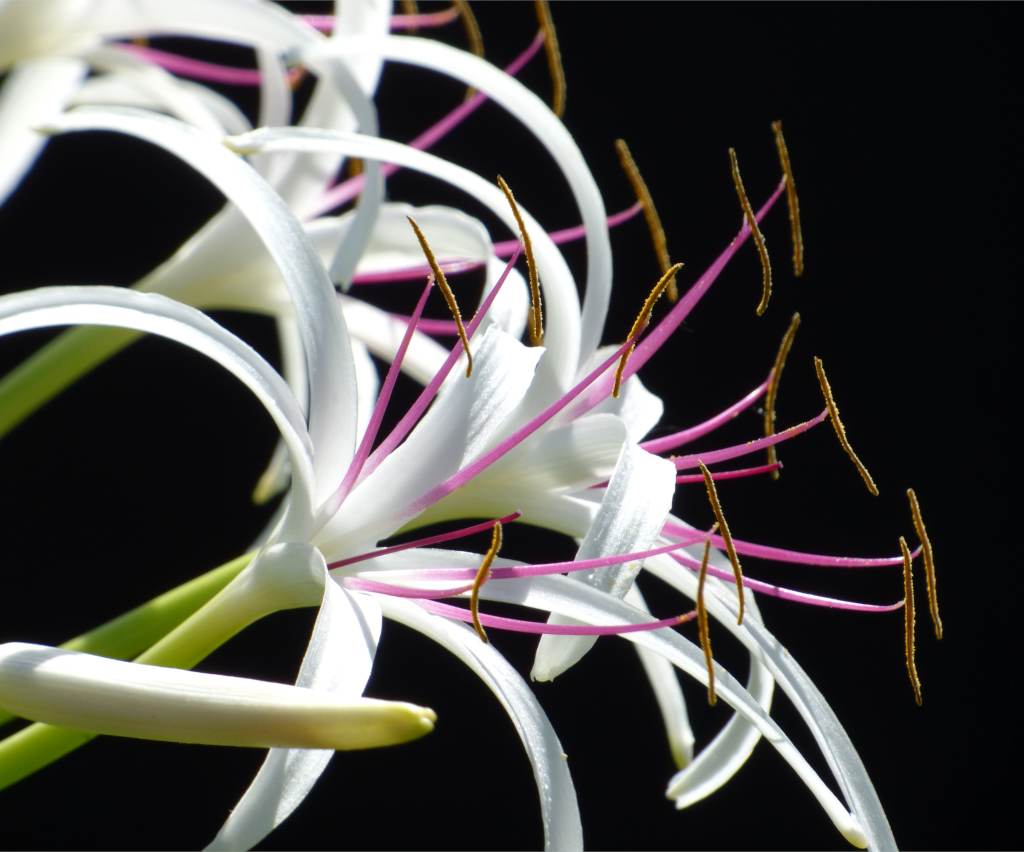
Sometimes also called sea daffodil, or Peruvian daffodil, the white spider lily is unique and quite elegant.
This plant reveals a very beautiful blooming during the entire summer season.
It requires heat to grow in full earth: that’s why growing it in warmer oceanic climates is common.
In colder areas, you’ll have great success growing it in greenhouses, pots or as an indoor plant, provided you keep it in a cool, non-freezing place over the winter.
You’ll have understood that spider lily is quite a demanding plant, but its beauty makes up for that entirely.
If the climate in your area is a bit cool, opt for growing it in pots, and only bring the plant outside during the warmest months.