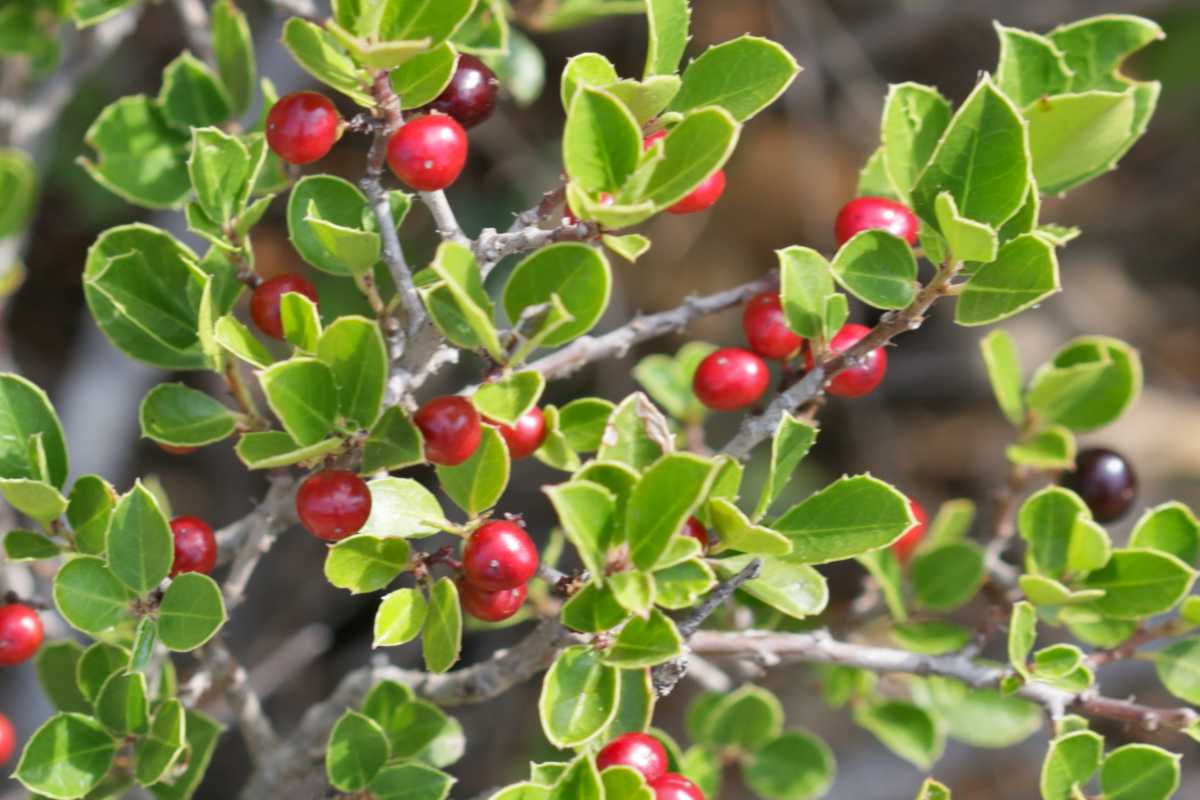
The flowering is nothing to write home about, but it is followed by small drupes that turn red then black at the end of summer, and the variety ‘Argentovariegata’ rims every evergreen leaf with ivory. Italian buckthorn (Rhamnus alaternus) is an easy shrub for a mixed hedge or a lattice; plant it in spring and it asks for almost nothing.
| Name | Rhamnus alaternus |
|---|---|
| Family | Rhamnaceae |
| Type | shrub |
| Height | 10 to 16 feet (3 to 5 meters) |
| Exposure | full sun, part sun |
| Soil | ordinary |
| Foliage | evergreen |
| Flowering | early spring to late spring |
Plant in spring preferably.
If you plant in fall, the cold might block proper development and regrowth, especially if winter is harsh in your area.
Pick a free-draining spot, as Italian buckthorn resents soil that stays wet in winter.
For a hedge line, set young plants around 3 feet (1 metre) apart so the screen closes up without the shrubs strangling each other.
Water the shrub through its first summer after spring planting; once the roots are down it copes with dry, chalky ground on its own.
It stands up to sea spray and wind, which makes it a sound choice for a coastal garden hedge.
Italian buckthorn asks for very little, but a few moments in the year are worth knowing before you plant. Here is what happens when, and what it means for you.
| Stage | Season | What to expect |
|---|---|---|
| Planting | Early to late spring | Spring planting is preferred; autumn cold can block development and regrowth |
| Flowering | Early spring to late spring | Bloom is not spectacular, but it opens the season |
| Fruiting | Late summer | Cute little red then black drupes — poisonous, so watch children |
| Pruning | Whenever it outgrows its space | Cut it back freely; the shrub won’t suffer from it |
Beyond these few moments, the shrub largely looks after itself.
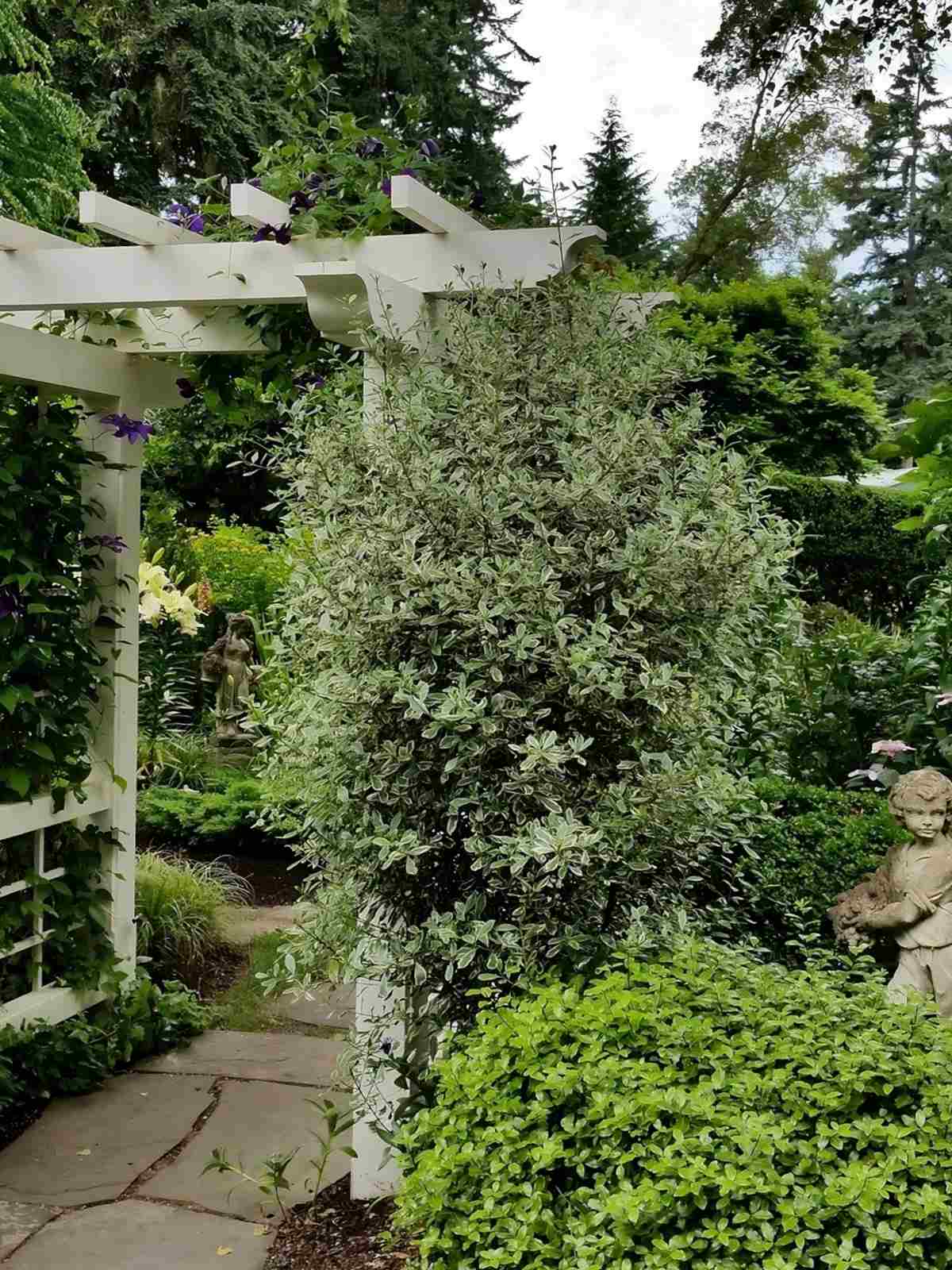
If your Italian buckthorn becomes invasive, feel free to cut it back: it won’t suffer from it.
→ Follow our advice on pruning shrubs
You can prune this shrub into a mixed hedge, or train it up a lattice or arbor.
Shear before the berries ripen if you want to limit self-seeding.
The flowers open in spring, so a hard spring clip costs you the red-then-black drupes that follow in late summer.
Bare, leggy specimens tolerate renovation: shorten the main stems into old wood and they break again from low down.
Italian buckthorn makes for easy growing and doesn’t require any particular attention.
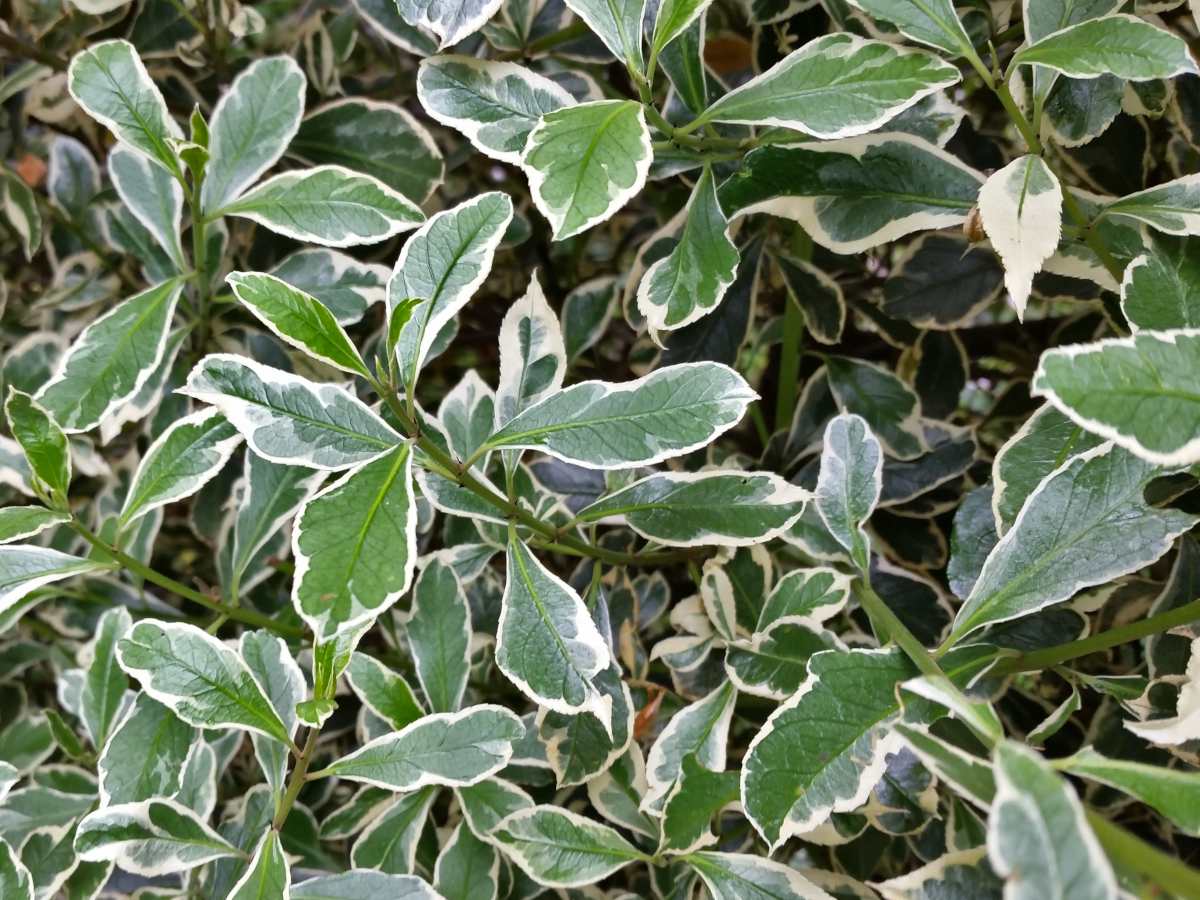
Its blooming clearly isn’t spectacular, but it has the advantage of producing cute little red then black drupes at the end of summer.
Make a note that these cute drupes which can look like fruits to children are actually poisonous.
An interesting variety is the ‘Argentovariegata’, which has an ivory-colored rim along the edges of leaves.
When purchasing it, check or ask about the variety: some of them are deciduous and will lose their leaves.
Read also: