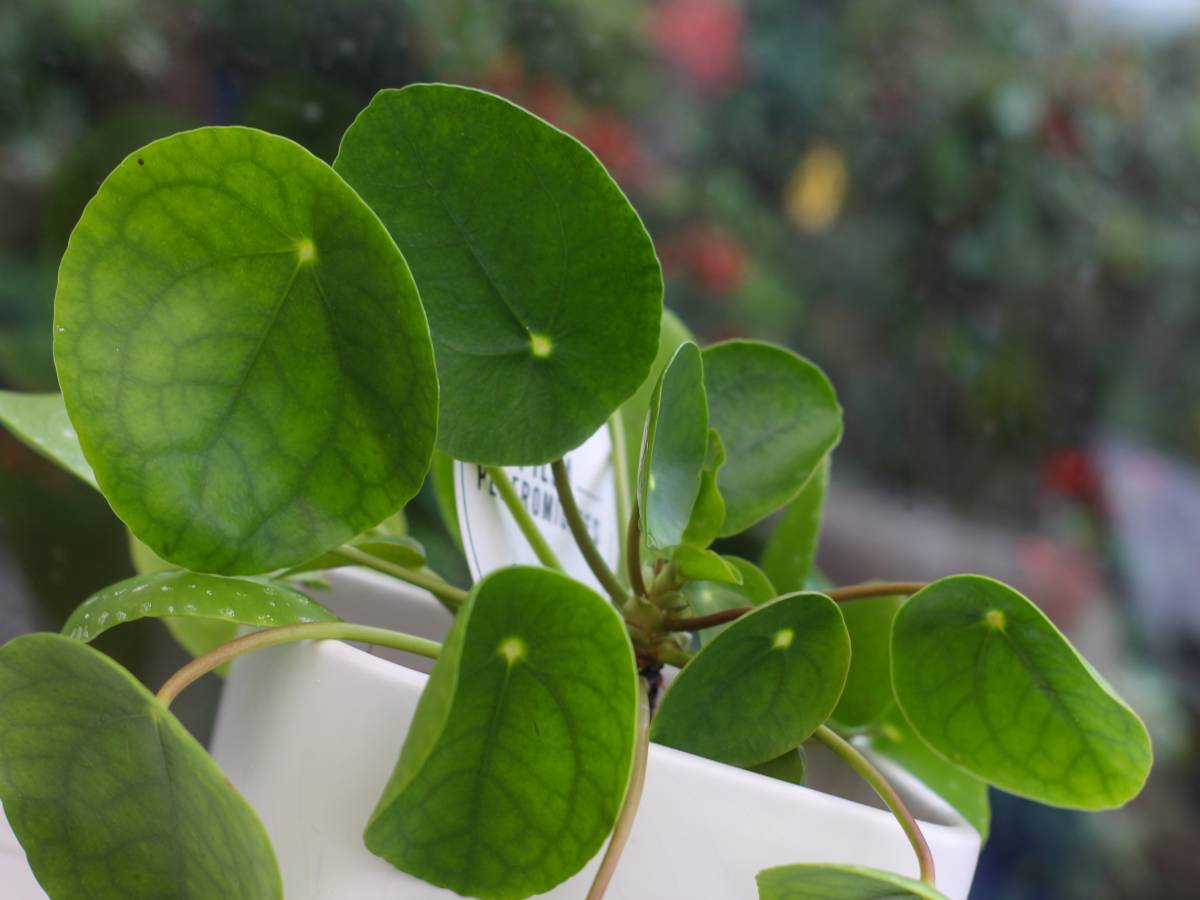
Evergreen leaves on slim stems that can be pinched into a compact, bushy shape: the Chinese money plant (Pilea peperomioides) is a very ornamental houseplant, ideal in designer settings and easily shared as cuttings. Give it bright light but no scorching south-facing window, and it reaches its adult 12 inches (30 cm) in about two years.
| Name | Pilea peperomioides |
|---|---|
| Family | Urticaceae |
| Type | succulent plant |
| Height | 12 inches (30 cm) |
| Soil | light, well-drained |
| Exposure | well-lit |
| Foliage | evergreen |
Pilea plants are called money plants, but they won’t cost you much to care for!
Pilea will slowly grow larger if you provide it slightly larger pots every year. If not, size will stabilize and offshoots will sprout to replace older stems.
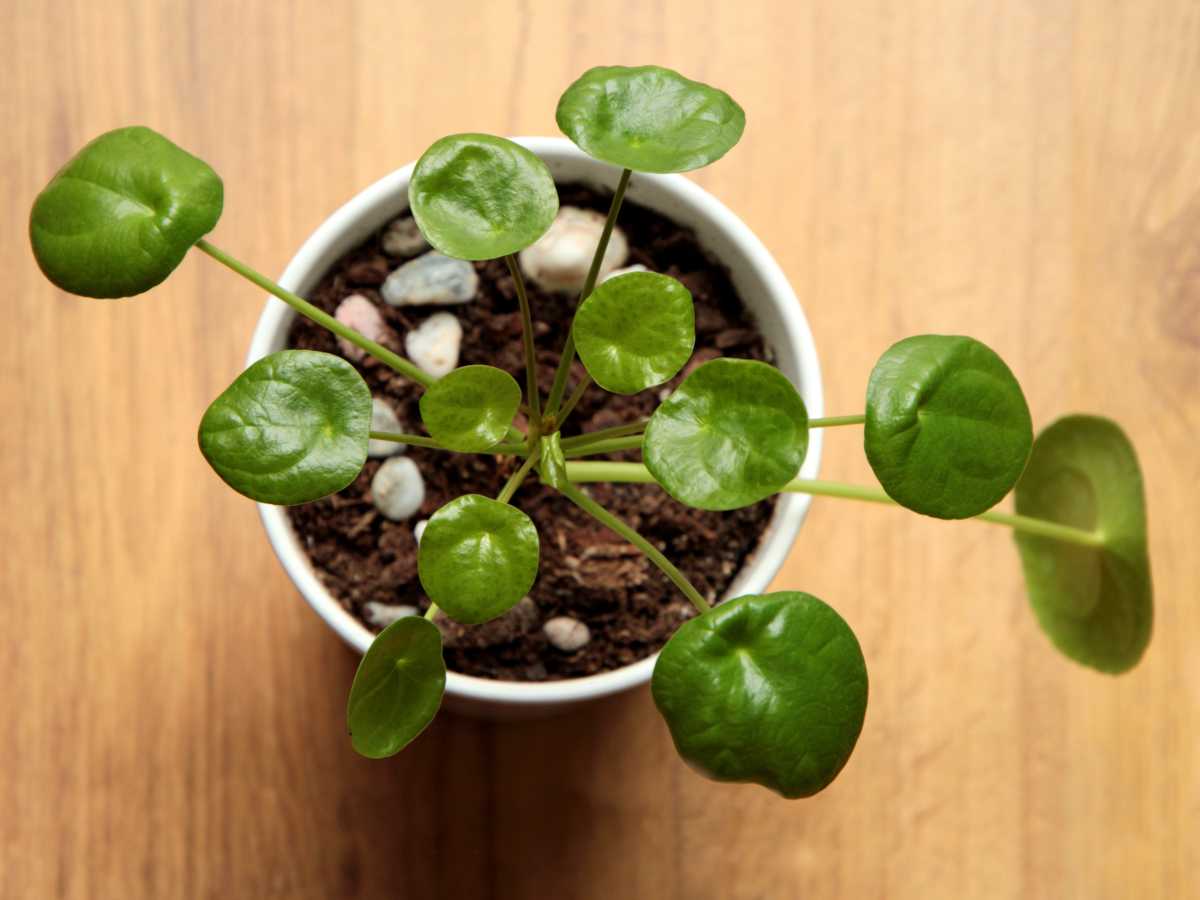
But you can also wait: for this plant, pots are usually designed for another two good years of service before growing too small.
In summer, bring your pilea outside earliest in late spring to make sure it doesn’t freeze. Find a spot that is well-lit but that doesn’t get direct sun during the hottest hours.
The Pilea plant is native to South-West China, and it thus bodes best in climates where summers are warm and winters are mild.
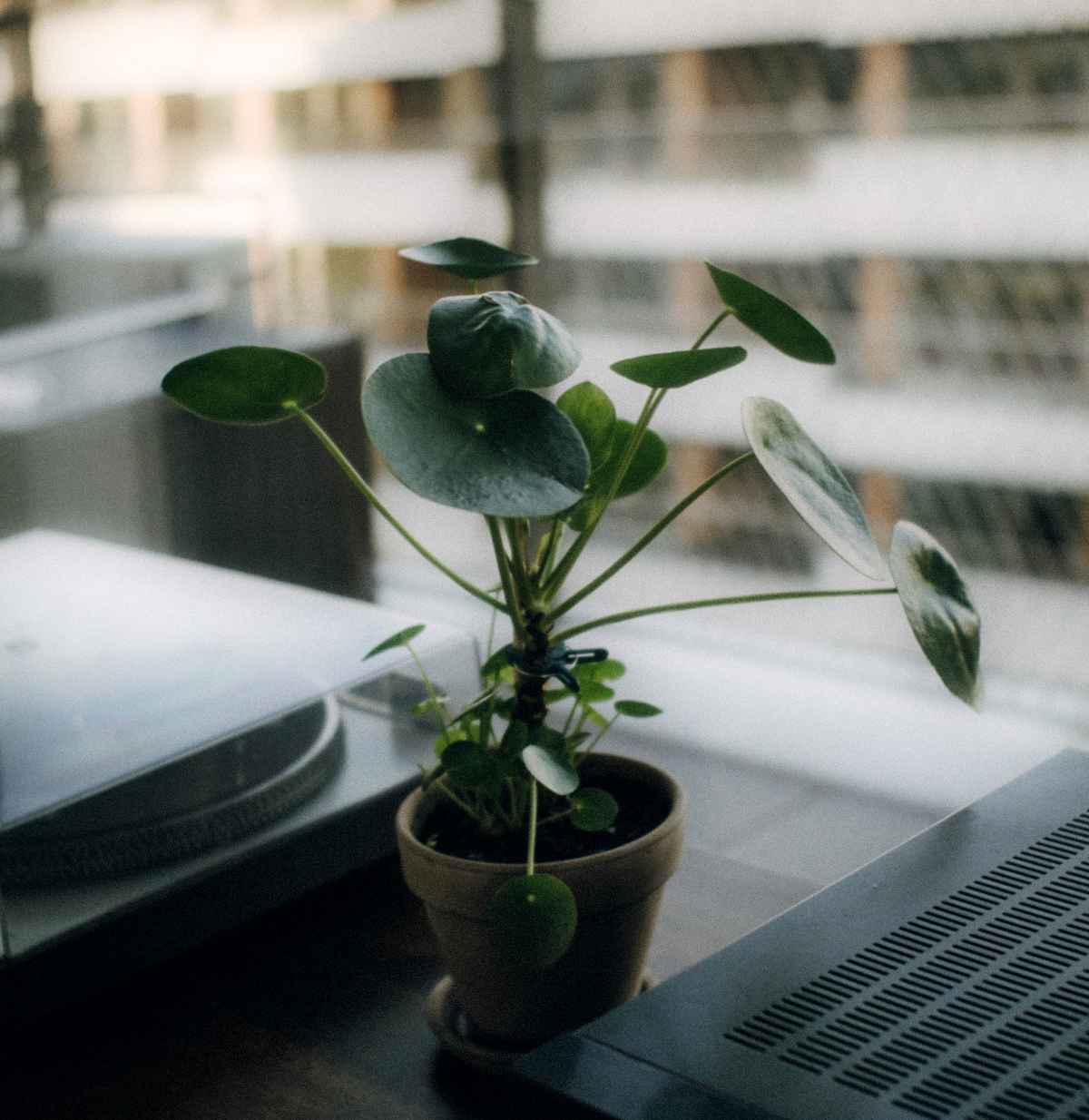
Outdoor Pilea normally can’t survive temperatures lower than 50°F (10°C) in winter.
Pilea loves sunny emplacements as long as they’re not scorching hot, so avoid placing it behind a window that faces full south, especially in summer.
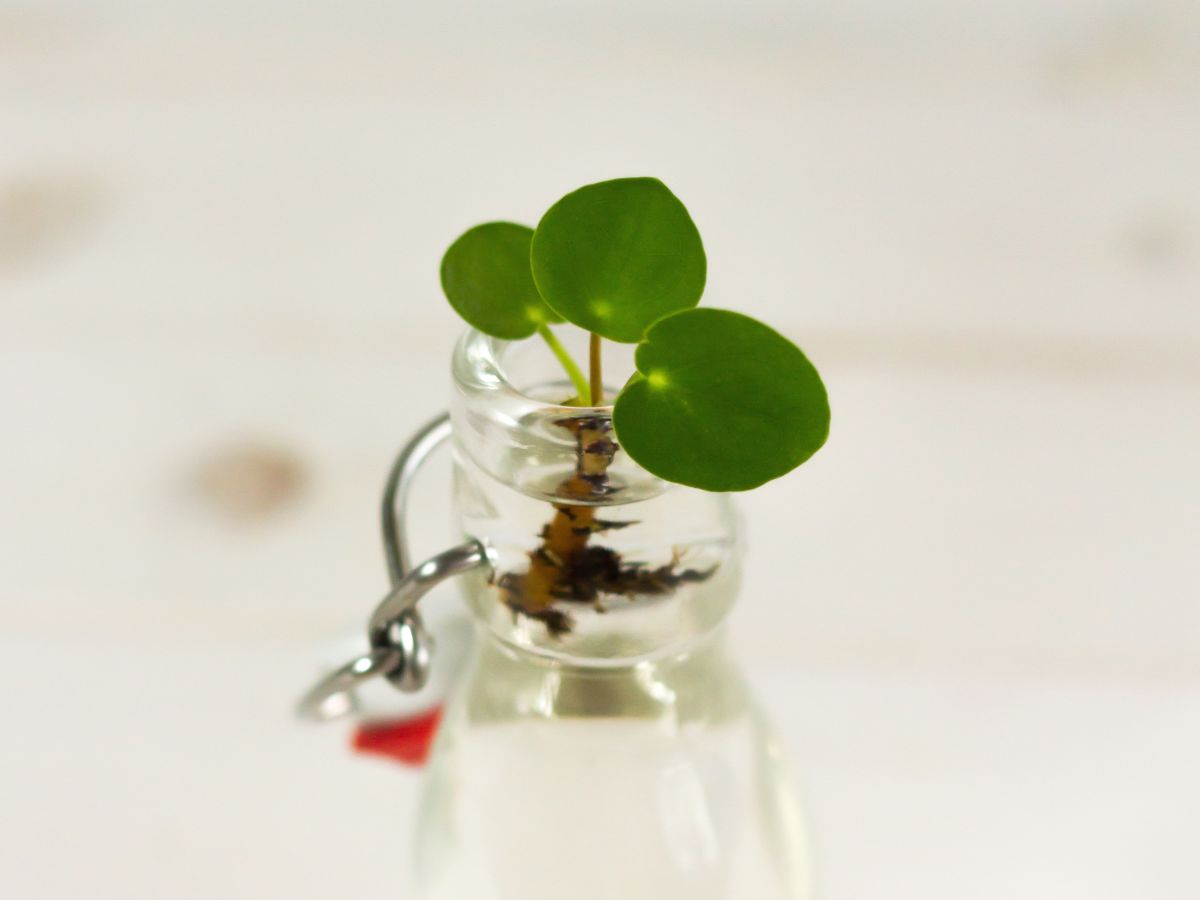
Pilea can be propagated by preparing 2-3 inch (6-7 cm) cuttings from young stems. It is usually quite easy to get the plant to sprout roots.
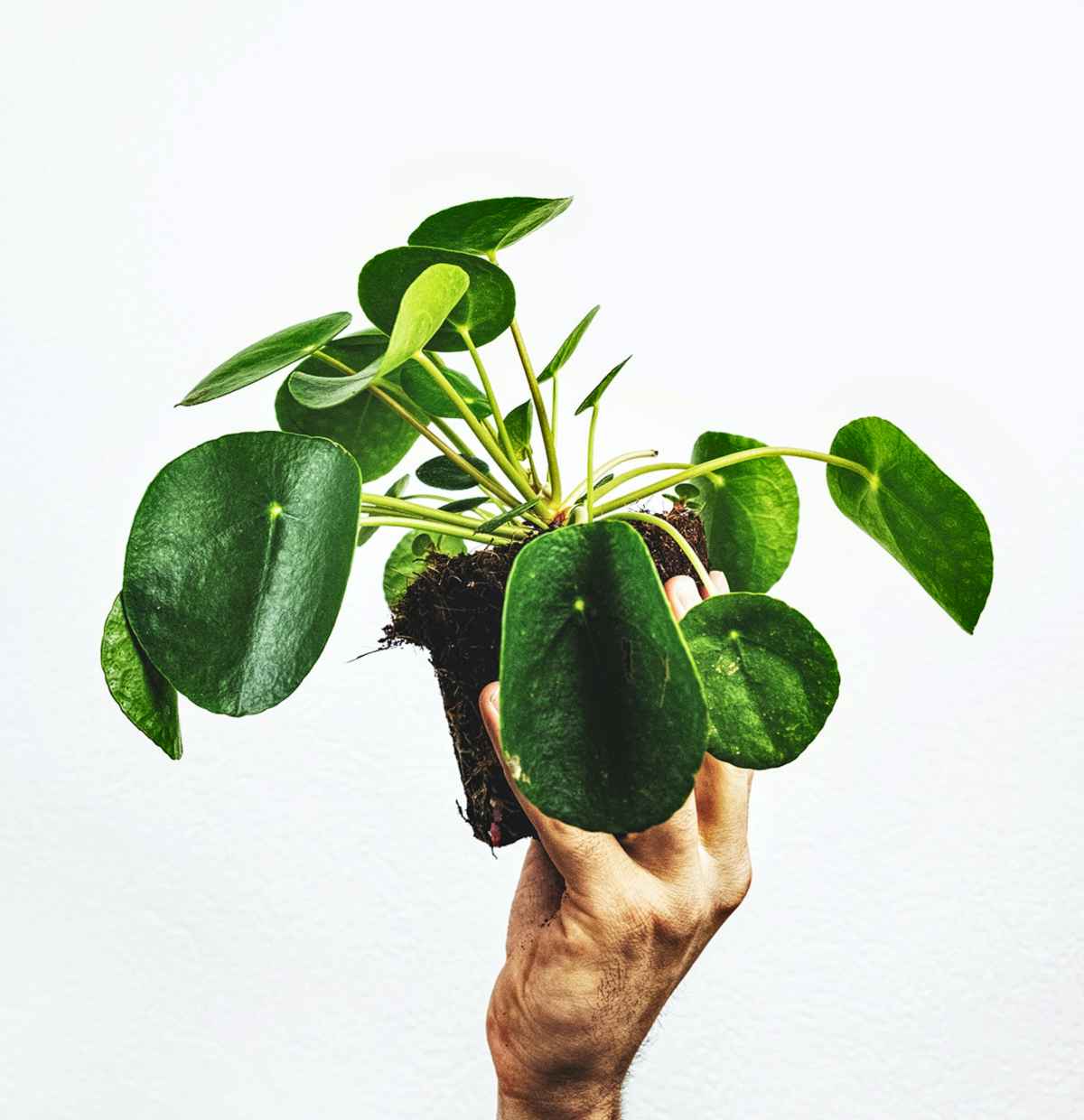
Although caring for pilea is straightforward, a few tips will help you grow a very nice, long-living plant:
If you wish for the plant to keep a compact, bushy bearing with many branches, keep pinching young shoots off. Every time a couple leaves unfurl, nip the bud so new stems will appear on the side.
Pinching means snipping the bud off with your fingernails, short blade or small scissors. This stop the stem’s growth and forces the plant to branch out.
Here is how to fight these mites and ticks off: red spider mites.
Caring for a Chinese money plant comes down to a handful of simple tasks, each with its own timing. Here is what to do and when.
| Task | When | What to do |
|---|---|---|
| Repotting | After purchase, then yearly | Use soil mix and sand, one part each |
| Moving outdoors | From late spring onwards | Well-lit spot, out of hot midday sun |
| Watering | About twice a week | Stay regular but never soak the pot |
| Feeding | Spring and summer | Special indoor plant fertilizer |
| Taking cuttings | When young stems bear a couple of leaves | 2-3 inch cuttings set in cutting soil mix |
| Pinching | Each time new leaves unfurl | Nip the bud to force side branching |
Follow this rhythm and your pilea should reach its adult size in about two years.
Learn more about the Pilea
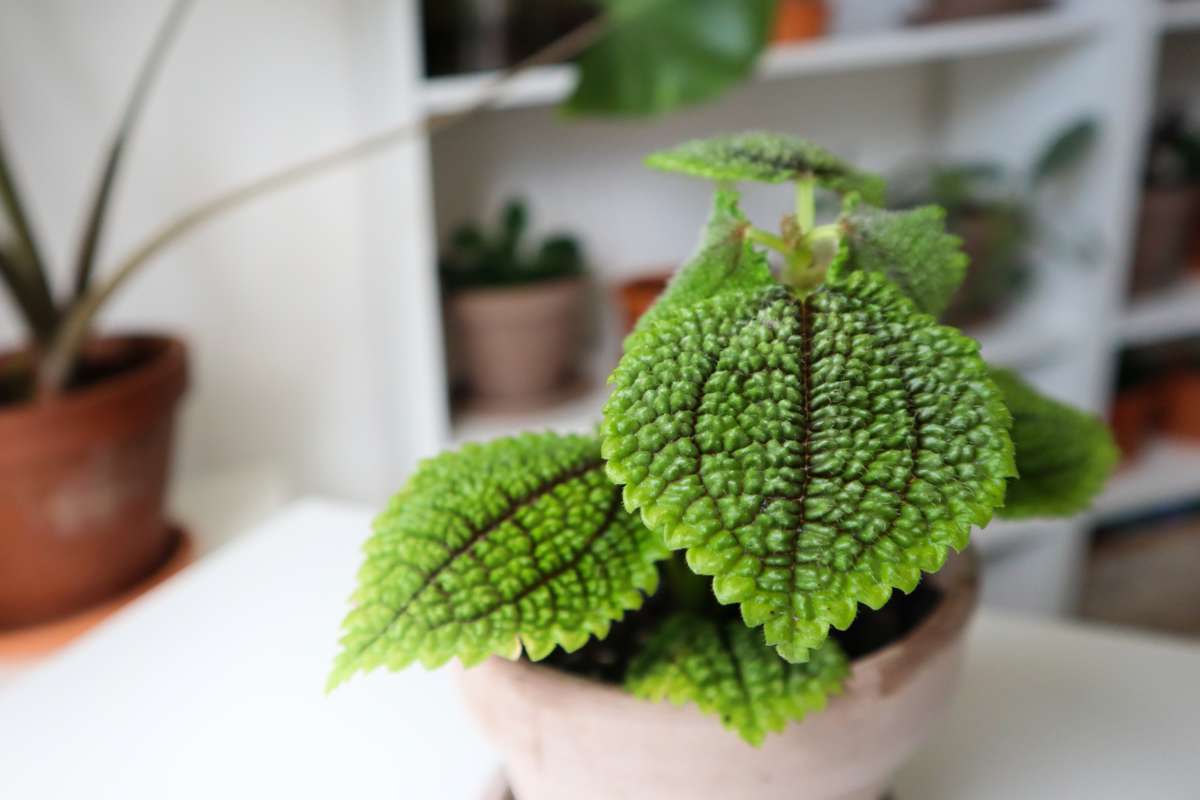
Native to China, Pilea peperomioides first entered the West from Scandinavian countries, Norway in particular: a missionary had the great idea of bringing a cutting along in 1945.
Pilea peperomioides is the typical example of a plant that first spread thanks to passionate amateur gardeners who shared cuttings without the knowledge of professional botanists.
Although the Pilea genus numbers over 600 different tropical species, the most common one and therefore the one most appreciated as an indoor plant is the peperomioides variety.
However, it’s also possible to find crawling pilea varieties that look wonderful in hanging pot arrangements.
A rather fast-growing plant, your pilea should reach its adult size – about 12 inches (30 cm) – within about 2 years.
Tradition says that burying a coin under a pilea plant will grant prosperity to your household. Why not try it? If it works, give your pilea a share of the tidings: give it a gold-covered pot!