Blue Passionflower: Growing Guide, Care & Varieties
·
0
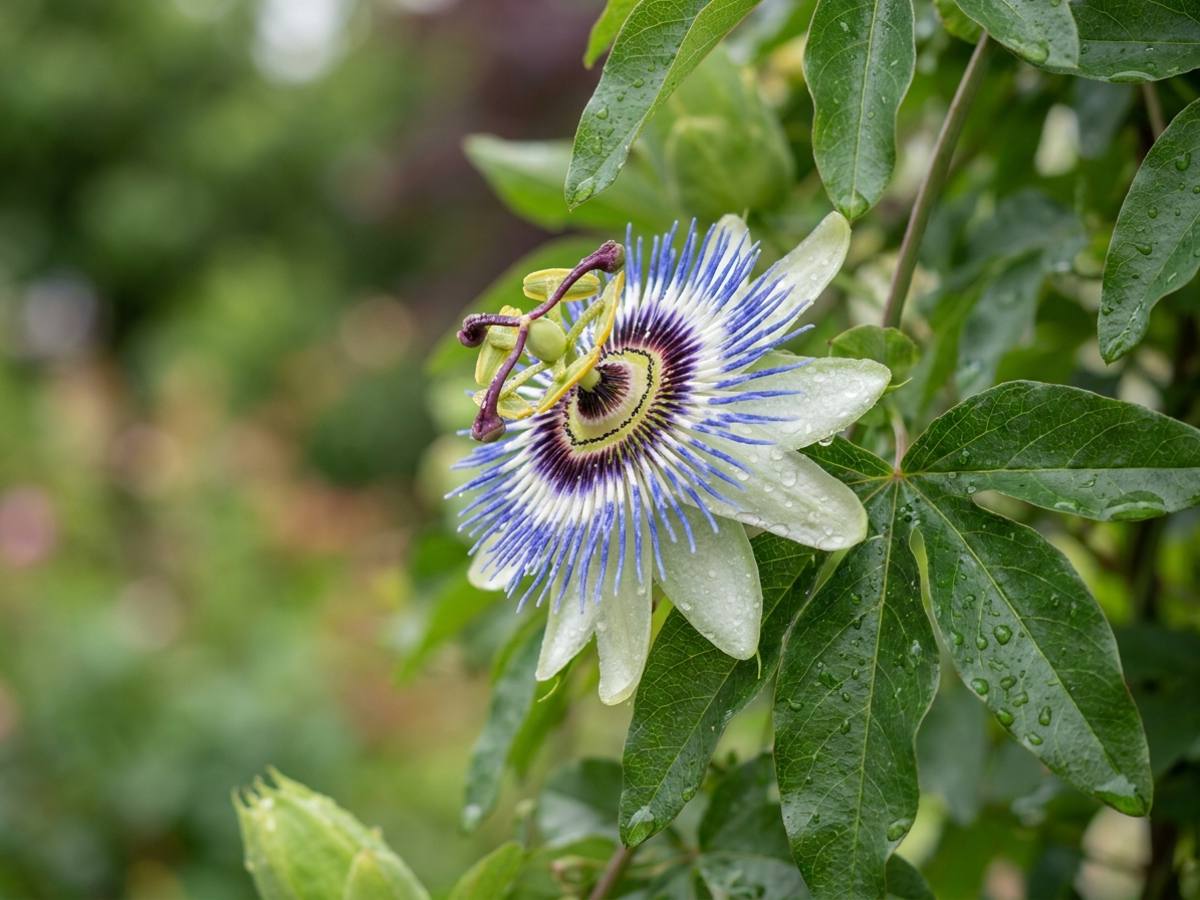
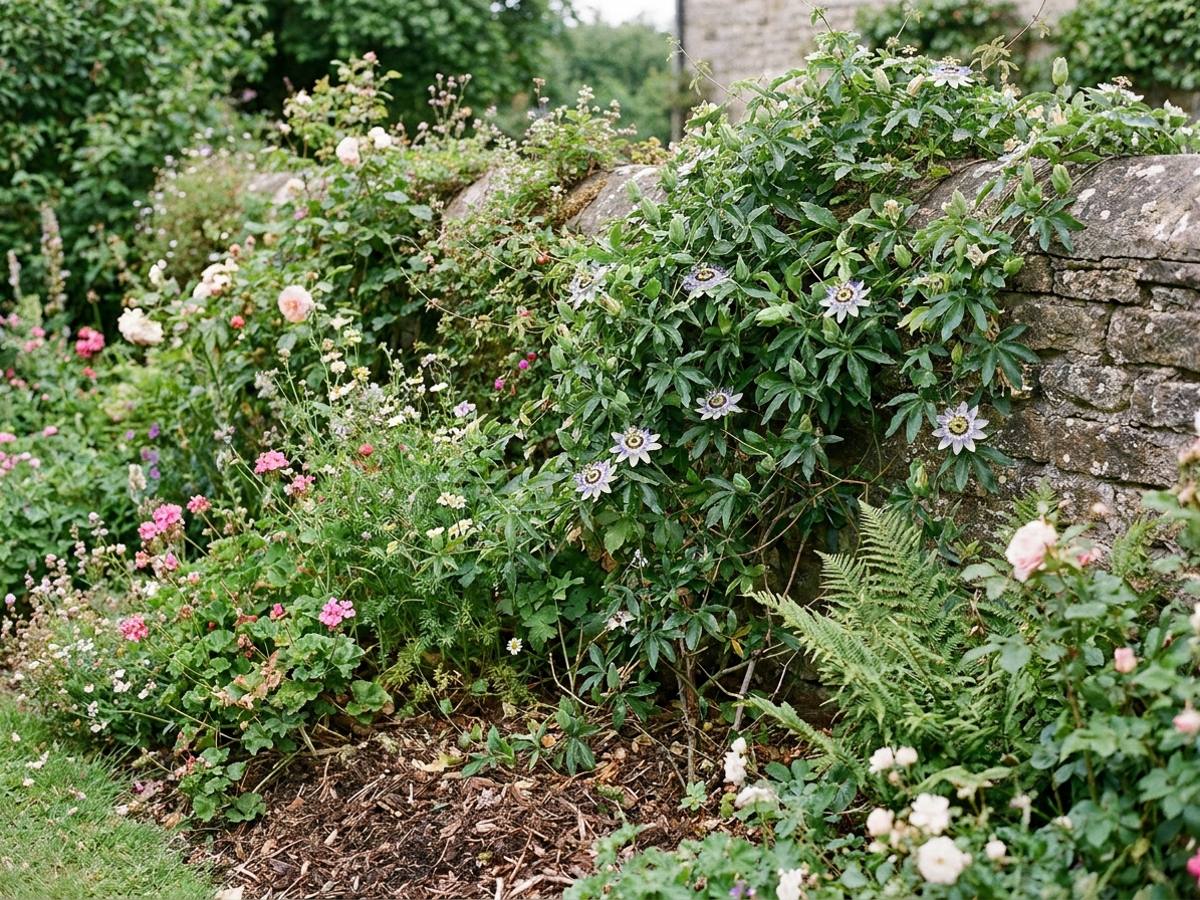
Passiflora caerulea, the blue passion flower, is a spectacular climbing vine celebrated for its intricate, exotic blooms and vigorous growth habit. Native to South America, this tender perennial produces striking flowers with distinctive blue and white corona filaments, followed by golden egg-shaped fruits in mild climates. It’s an ideal choice for south-facing walls, pergolas, and conservatories where its dramatic flower display can be fully appreciated from late spring through autumn.
Growing conditions
Blue passion flower thrives in full sun and needs at least six hours of direct sunlight daily to produce abundant flowers. Insufficient light results in fewer blooms and weak, leggy growth, so position your plant against a south- or west-facing wall or structure where it receives maximum warmth and light throughout the day.
This climber prefers well-drained soil enriched with organic matter but is tolerant of most soil types provided waterlogging is avoided. A slightly neutral to alkaline pH suits it best, though it adapts reasonably well to slightly acidic conditions; add compost or leaf mould before planting to improve fertility and structure.
In the UK, grow Passiflora caerulea outdoors only in sheltered, mild gardens (South West England, London, sheltered areas of southern counties) or in a greenhouse or conservatory in colder regions. In frost-prone areas, move containerised plants under cover before the first hard frost, typically October or November.
How to plant Passiflora
Plant in late spring (May) once all frost risk has passed, or in early autumn (September) in mild regions where the plant has time to establish before winter. Choose a sheltered spot on a sturdy support structure such as a trellis, wire frame, or fence.
Space plants 1.5–2 m apart if planting multiple vines along a structure, allowing room for mature spread
Plant at the same depth as the root ball; do not bury the crown, which invites rot
Incorporate 5 cm of compost or well-rotted manure into the planting hole and surrounding soil
Water thoroughly after planting and maintain consistently moist (not waterlogged) soil for the first growing season
Propagate from softwood cuttings in late spring or semi-ripe cuttings in summer; layer stems in pots for easier rooting
Six hours of direct sun daily bring abundant flowers
Which passion flower to choose
Four forms are commonly grown, and they differ in flower colour, vigour and hardiness. Use the table to settle on one before reading the care notes below.
Which passion flower to choose
Plant
Flower colour
Vigour
Best for
Passiflora caerulea var. caerulea
Blue and white corona
Vigorous
The reliable first choice in UK gardens, given protection
P. caerulea ‘Constance Elliott’
Pure white with pale purple corona filaments
Slightly less vigorous than the blue form
Smaller spaces
Passiflora edulis
Smaller white and purple flowers
Slightly more tender than P. caerulea
Edible fruit in warm summers
Passiflora x violacea
Deeper purple-blue
Good vigour
Borderline climates needing extra hardiness
Whichever you pick, the planting and pruning routine that follows is the same.
Care through the seasons
Spring: In March, prune back last year’s growth to 30 cm above the previous season’s framework to encourage compact, bushy flowering. Feed with a balanced fertiliser (NPK 7–7–7 or similar) in April as new growth emerges. Tie in new shoots to your support structure as they develop.
Summer: Water deeply and regularly during dry spells, aiming for 5 cm of water per week; drought stress leads to flower drop and reduced fruiting. Pinch out the growing tips of vigorous shoots in July to manage spread and promote branching. Deadhead spent flowers regularly to encourage continuous blooming.
Autumn: Reduce watering as growth slows in September and October. Allow spent flower heads to develop if you wish to collect seed or enjoy the ornamental fruit; otherwise, continue light deadheading. In late October, apply a 5–7 cm mulch of compost around the base to insulate the roots through winter.
Winter: In cold areas, cut back frosted stems and protect the rootball with horticultural fleece or cloches if temperatures fall below −5 °C. In frost-free regions, minimal winter pruning is needed; simply remove any dead wood or untidy growth.
Best varieties to grow
Several cultivars offer variations in flower colour and hardiness:
Passiflora caerulea ‘Constance Elliott’ — Pure white flowers with delicate pale purple corona filaments; slightly less vigorous than the blue form and excellent for smaller spaces.
Passiflora edulis — A purple passion fruit with smaller white and purple flowers; produces edible fruit in warm summers; slightly more tender than P. caerulea.
Passiflora caerulea var. caerulea — The classic form with blue and white corona and vigorous growth; the most commonly grown and reliable in UK gardens with protection.
Passiflora x violacea — Hybrid with deeper purple-blue flowers and good vigour; offers a hardier alternative for borderline climates.
Pests, diseases and common problems
Red spider mite: Leaves develop a fine mottled appearance and may yellow; spray undersides of leaves fortnightly with organic neem oil or insecticidal soap from June to September. Improve humidity by misting foliage in hot, dry weather.
Scale insects: Brown bumps appear on stems and leaf undersides; wipe affected areas with a soft cloth dipped in methylated spirits, or spray with neem oil. Check regularly as reinfection is common in glasshouses.
Powdery mildew: White coating appears on leaves in humid, poorly ventilated conditions; improve air circulation, avoid overhead watering, and spray with organic sulphur dust or potassium bicarbonate fungicide if needed.
Failure to flower: Insufficient sunlight is the primary cause; ensure the plant receives at least six hours of direct sun daily. Over-feeding with nitrogen promotes foliage at the expense of flowers; use a balanced or flower-promoting feed instead.
Frost damage: Young shoots blacken and wither after frost; prune out dead wood once new growth appears in spring and move container plants to frost-free shelter before winter.
🌿 Nature & Garden Newsletter
Gardening tips, recipes & seasonal advice, twice a week.