Neillia thibetica: expert tips and planting advice
0
Neillia thibetica is an elegant, arching deciduous shrub from western China, grown for its slender wands of tubular pink flowers that dangle from the tips of gracefully curving stems in late spring. It makes a superb informal screen, woodland-edge filler or backdrop to a mixed border, where its peeling, cinnamon-brown winter stems earn it a second season of interest. Unusually among spring shrubs, its flowers are narrow bells rather than open saucers, giving the racemes the look of a miniature pink bottlebrush.
Growing conditions
Neillia flowers most freely in full sun, but it is one of the better flowering shrubs for dappled or half shade, making it valuable along a woodland edge or beneath high-canopy trees. In deep shade the stems become drawn and the flower racemes sparse. Shelter from strong, drying winds keeps the arching habit intact and prevents leaf scorch.
It is genuinely unfussy about soil, succeeding on clay, chalk, sand and loam provided drainage is reasonable. What it dislikes is prolonged waterlogging in winter and bone-dry, impoverished sand in summer. A moisture-retentive soil enriched with leaf mould or garden compost, at any pH from mildly acid to alkaline, suits it best.
The species is reliably hardy throughout the British Isles and across much of northern Europe, tolerating roughly −20 °C once established. In hotter, drier continental summers, position it where it receives afternoon shade and keep it mulched.
How to plant Neillia
Autumn is the ideal planting season, from October to November, since the soil is still warm and the roots settle in before growth resumes. Early spring planting also works well, particularly on heavy, cold clay where winter wet is a risk.
Spacing: allow 1.8–2.5 m between plants, or 1.2 m if you want an informal hedge or thicket to knit together quickly.
Depth: set the plant so the top of the rootball sits level with the surrounding soil — never bury the base of the stems.
Soil preparation: fork a bucketful of well-rotted compost or leaf mould into the planting area, and break up any compacted pan beneath the hole.
Watering in: water thoroughly with at least 10 litres, then mulch 5–7 cm deep, keeping the mulch clear of the stems.
Propagation: lift rooted suckers with a spade in autumn or early spring, or take semi-ripe cuttings in July and root them in a shaded cold frame.
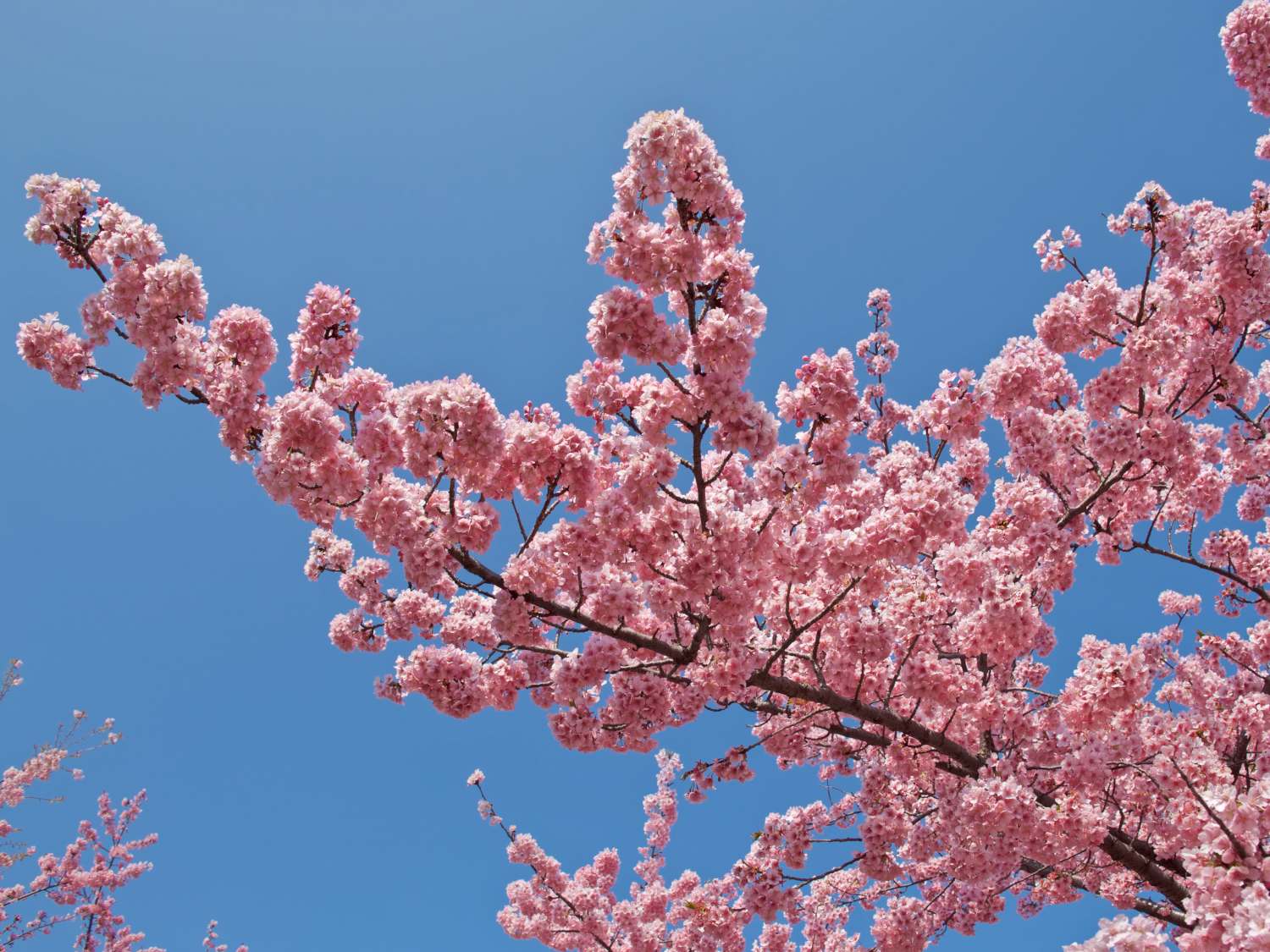
Neillia thibetica growing in a naturalistic garden border
Care through the seasons
Spring: Top-dress with a balanced general fertiliser as the buds break in March, then renew the mulch. Watch for the fresh, pleated, bronze-tinted leaves emerging along last year’s wood — these carry the flower racemes, so resist any urge to tidy the stems. Young plants benefit from a thorough soak in any dry spring spell.
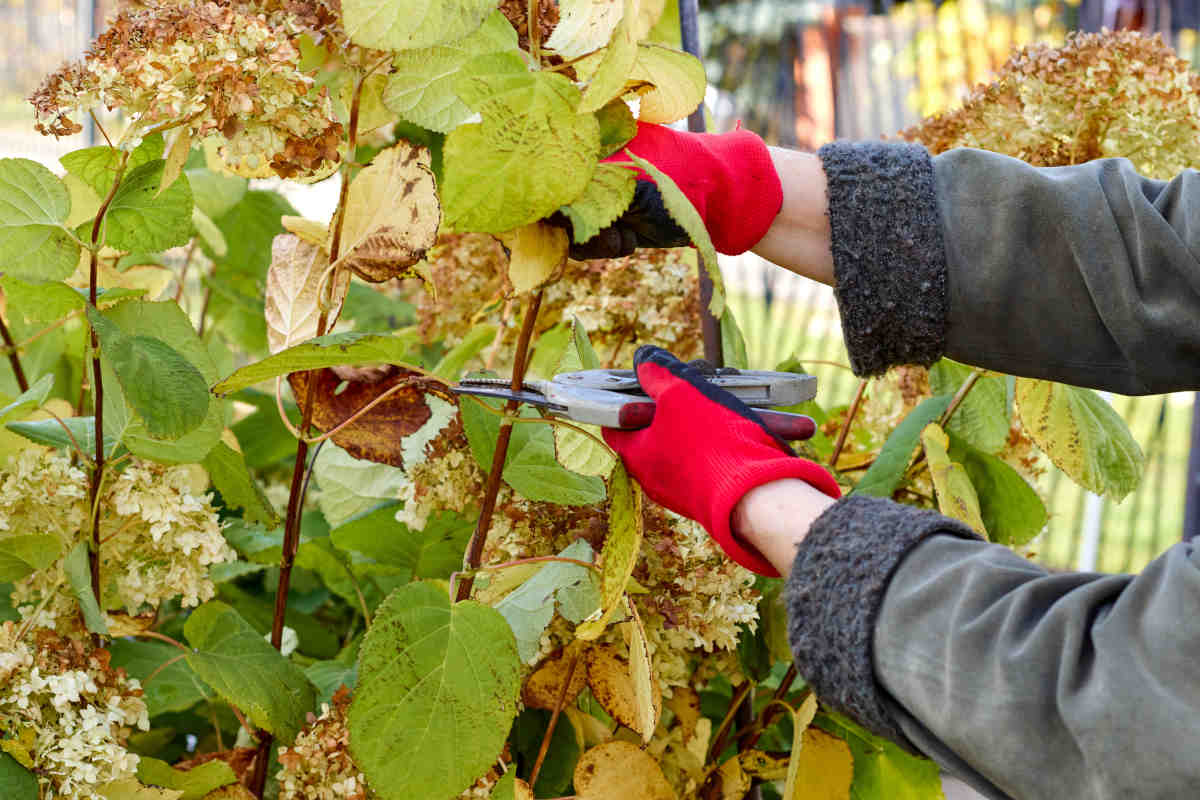
Summer: Prune immediately after flowering, in late June or early July, cutting a quarter to a third of the oldest stems right down to the base to encourage strong replacement growth. Water deeply once a week in prolonged drought rather than sprinkling daily. Slice off unwanted suckers with a sharp spade whenever they stray beyond their allotted space.
Autumn: The foliage takes on modest yellow and russet tones before falling; there is no need to cut anything back. Autumn is the best moment to lift and replant rooted suckers, and to apply a generous mulch of compost or composted bark over the root zone. Check that the crown is not sitting in a puddle on heavy soils.
Winter: The bare, ridged, warm-brown stems are attractive against low winter light and need no protection in temperate gardens. Only container-grown specimens require fleecing or moving to a sheltered wall in hard frosts.
Best varieties to grow
Named cultivars are scarce, so most gardeners choose between the species and its close relatives within the genus.
Neillia thibetica — the species itself holds the RHS Award of Garden Merit, with the longest and most graceful pink racemes of the group.
Neillia affinis — very similar but slightly more compact, with shorter racemes and neatly three-lobed leaves, useful in smaller gardens.
Neillia sinensis — earlier flowering, with paler, blush-pink bells and a somewhat tidier, less suckering habit.
Neillia incisa ‘Crispa’ (formerly Stephanandra incisa) — a knee-high, crinkle-leaved ground-cover relative for banks and edges, with creamy flowers and good autumn colour.
Pests, diseases and common problems
Aphids: colonies cluster on soft new shoot tips in late spring, distorting growth and leaving sticky honeydew. Dislodge them with a jet of water or an organic soap spray, and encourage ladybirds and hoverflies by leaving nearby flowering herbs uncut.
Powdery mildew: a white bloom on leaves during hot, dry summers, most common on plants that are dry at the root. Mulch generously, water at the base during drought and thin congested stems after flowering to improve airflow.
Excessive suckering: as a member of the rose family with a running rootstock, it can colonise borders and swamp smaller neighbours. Sever suckers annually with a spade, or plant it where a mown path or lawn edge will contain it naturally.
🌿 Nature & Garden Newsletter
Gardening tips, recipes & seasonal advice, twice a week.