Polka dot plant: your complete indoor houseplant guide
0
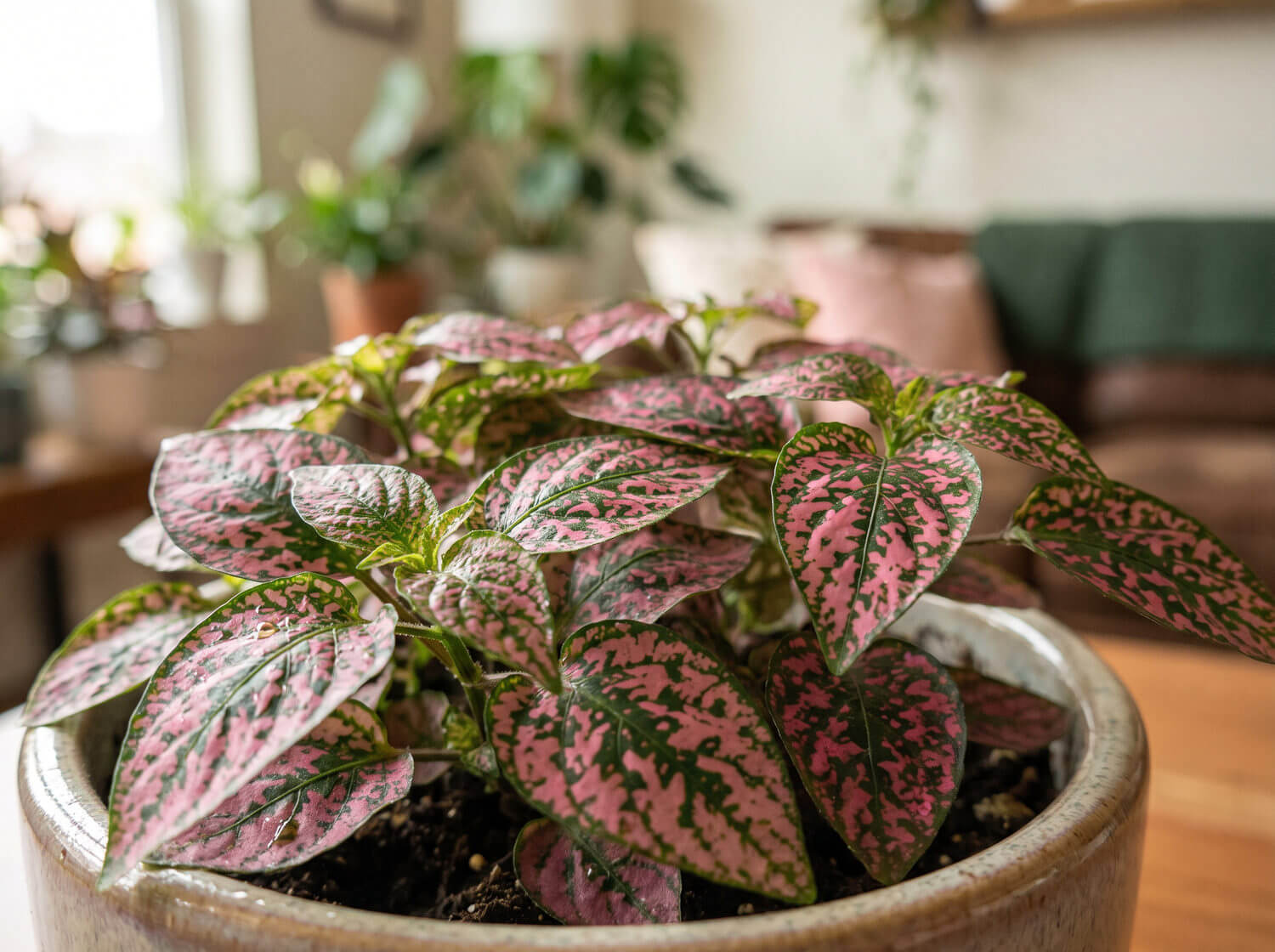
Few foliage plants deliver colour as cheerfully as the polka dot plant, whose olive-green leaves are freckled, splashed and marbled with pink, carmine or ivory. Grown almost everywhere as a houseplant or summer bedding filler, it brings the brightness of flowers without needing a single bloom. Its real party trick is that the spotting intensifies or fades according to the light it receives, so you can literally tune its colour.
Growing conditions
Bright, filtered light is the key to good colour. In too much shade the leaves turn predominantly green and the stems stretch; in harsh midday sun the pink pigments scorch and bleach to a washed-out beige. An east-facing windowsill, or a spot a metre back from a south-facing window, is close to ideal.
Use a free-draining but moisture-retentive medium: a peat-free multipurpose compost loosened with a fifth by volume of perlite or fine bark works well. Outdoors, choose humus-rich soil that never bakes dry nor stays waterlogged. A slightly acid to neutral pH of around 5.8–6.8 suits it best.
This is a strictly frost-tender plant. It sulks below 15 °C, drops leaves below 12 °C and collapses at the first frost, so in temperate climates treat it as a houseplant or lift it indoors before the end of September.
How to plant Hypoestes
Plant or pot on in spring, as lengthening days and rising temperatures trigger a flush of growth and roots establish fastest. For outdoor summer displays, wait until all danger of frost has passed and nights hold above 12 °C.
Space plants 20–25 cm apart in beds and containers — close enough to read as a solid ribbon of colour, far enough apart to keep air moving and discourage mildew.
Set the crown at exactly the level it sat in its previous pot; burying the stem base invites rot.
Fork in a couple of handfuls of leaf mould or well-rotted compost per plant to hold moisture in the top layer where the fine roots sit.
Water in thoroughly and keep the compost evenly damp for the first fortnight; wilting at this stage checks growth badly.
Propagate from 8 cm tip cuttings taken in spring or summer — they root in water or damp compost within 10–14 days at 20 °C. Seed sown in February at 22 °C also comes true to colour in the modern seed series.
Polka dot plant displayed as a houseplant in a home interior
Care through the seasons
Spring: Repot every second spring into a container one size larger, and start feeding fortnightly with a balanced liquid feed at half strength. Pinch out every growing tip once two or three pairs of leaves have formed — this is the single most effective way to build a dense, bushy plant rather than a lanky one.
Summer: Water when the top 2 cm of compost feels dry, never allowing the rootball to dry out completely, as wilting causes permanent leaf loss. Raise humidity above 50% by grouping plants or standing pots on a damp pebble tray. Continue pinching, and remove any flower spikes that appear, since flowering pushes the plant towards dormancy and decline.
Autumn: Bring outdoor plants under cover before night temperatures fall below 12 °C, checking the undersides of leaves for hitchhiking pests first. Reduce feeding from October and let the compost dry a little more between waterings. Take insurance cuttings in early September if you want fresh young stock for the following season.
Winter: Growth slows and some leaf drop is normal; keep the plant at 16–21 °C, away from draughts and radiators, and water sparingly. Cut leggy stems back by a third in late winter to prompt fresh, well-coloured shoots.
Best varieties to grow
Modern seed strains are far more compact and strongly marked than older stock, and most are sold by colour within a named series.
‘Splash Select Red’ — bold crimson-pink blotches on a narrow green margin, compact at around 25 cm and excellent in containers.
‘Confetti White’ — fine ivory speckling that lifts shady corners and pairs beautifully with ferns and dark-leaved begonias.
‘Hippo Rose’ — a vigorous, well-branched series bred for bedding, holding its colour better than most in brighter positions.
‘Carmina’ — deep wine-red leaves with only a thin green edging, the most dramatic choice for mixed foliage planters.
Pests, diseases and common problems
Whitefly and aphids: Clouds of tiny white flies or clusters of greenfly on soft shoot tips, followed by sticky honeydew and sooty mould. Rinse the foliage under a tepid shower, then treat with insecticidal soap or neem at weekly intervals until clear.
Powdery mildew: A dusty white film on upper leaf surfaces in stagnant, crowded conditions. Improve air circulation, avoid wetting the leaves in the evening, and remove affected foliage promptly; a milk-and-water spray at one part to nine is a useful organic preventative.
Leggy, green-looking growth: Not a disease but the commonest fault — stems stretch and spotting fades when light is too low. Move to a brighter spot out of direct midday sun and pinch back hard; colour returns on the new growth within a few weeks.
🌿 Nature & Garden Newsletter
Gardening tips, recipes & seasonal advice, twice a week.