Growing Forsythia: expert tips for vibrant spring blooms
0
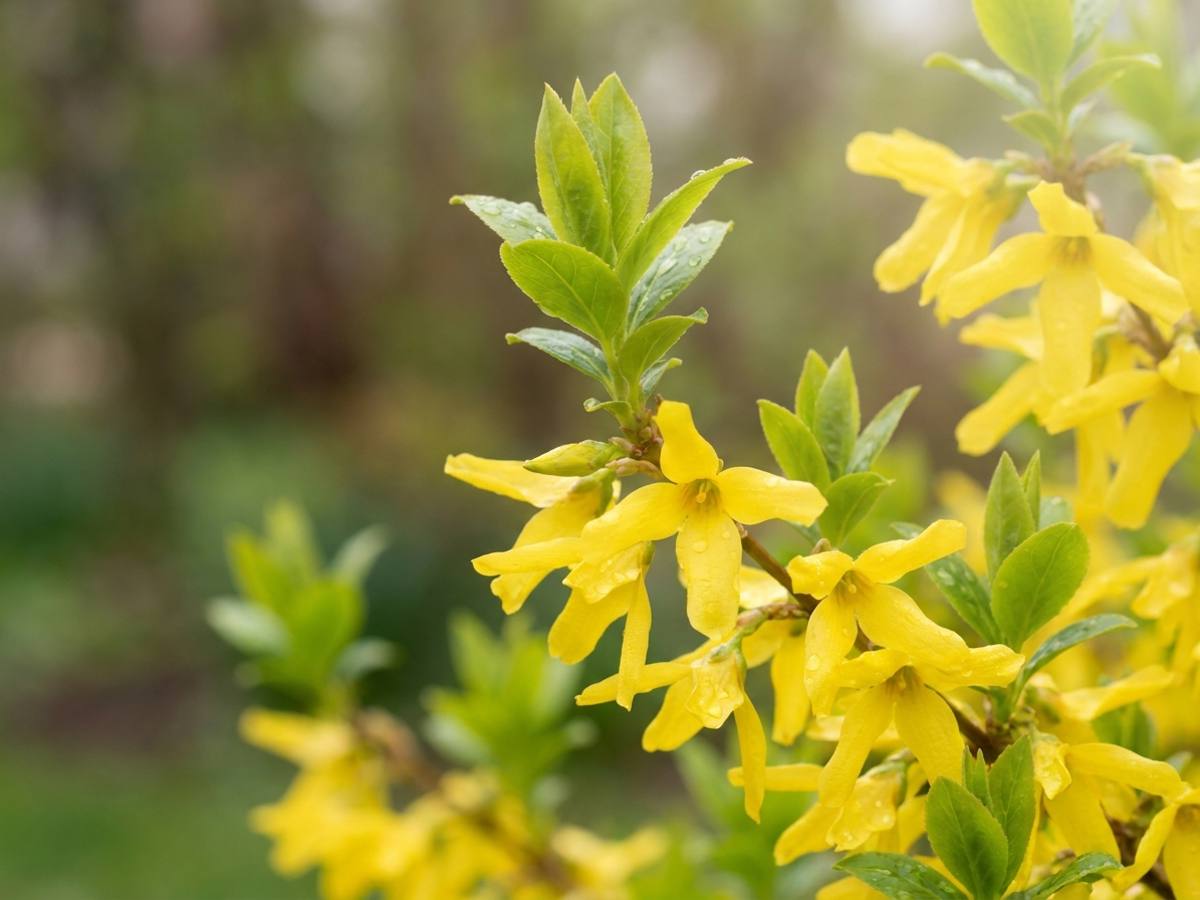
Few shrubs announce the end of winter as emphatically as forsythia, whose bare stems erupt into a blaze of golden-yellow bells weeks before the leaves appear. Forsythia x intermedia is the vigorous garden hybrid found in most nurseries, prized for its reliability, speed of growth and generous flowering on a large, arching framework. Its most distinctive trait is that it blooms entirely on bare wood, making it one of the earliest and brightest features of the late-winter garden.
Growing conditions
Forsythia flowers most freely in full sun, where the previous summer’s wood ripens properly and sets an abundance of buds. It will grow perfectly well in partial shade, but expect a thinner, patchier display and a looser, more sprawling habit. Avoid deep shade beneath mature trees, where flowering can fail almost entirely.
This is a famously unfussy shrub as far as soil is concerned. It thrives in ordinary garden loam, copes admirably with heavy clay once established, and tolerates chalk and alkaline ground that defeats many spring shrubs. The only real dislike is waterlogging — permanently soggy soil leads to root rot and dieback, so improve drainage on wet sites with grit and organic matter.
Fully hardy throughout the British Isles and much of northern Europe, forsythia withstands temperatures down to around −25 °C. In cold, exposed gardens the open flowers can be browned by hard frost or icy winds, so a sheltered spot near a wall or hedge will protect the display.
How to plant Forsythia
Autumn is the ideal planting season, giving roots several months to establish before the shrub’s vigorous spring growth begins. Container-grown plants can also go in during early spring, provided you water attentively through the first summer.
Spacing: allow 1.5–2 m between full-sized plants; for an informal flowering hedge, plant at 80 cm to 1 m so stems knit together.
Depth: set the plant so the top of the rootball sits level with the surrounding soil — never bury the base of the stems.
Preparation: dig a hole twice the width of the rootball and fork a bucket of garden compost or well-rotted manure into the base, especially on clay.
Watering in: soak thoroughly with 10 litres at planting, then water weekly through the first growing season in dry spells.
Propagation: take 20 cm hardwood cuttings in November and push them two-thirds deep into a sheltered nursery bed — rooting success is close to 100 per cent.
Forsythia x intermedia growing in a naturalistic garden border
Care through the seasons
Spring: Prune immediately after flowering, cutting back the stems that have just bloomed by around one third and removing one in four of the oldest branches at the base. This timing is critical, since next year’s buds form on the new summer growth. Follow with a mulch of compost and a handful of blood, fish and bone around the base.
Summer: Established shrubs are notably drought-tolerant and rarely need watering, though young plants benefit from a deep soak every ten days in prolonged dry weather. Resist the temptation to trim the long whippy shoots that appear — these carry next spring’s flowers. Keep the base weed-free and top up mulch if it has thinned.
Autumn: The leaves take on modest purple or yellow tints before falling; there is no need to cut back. This is the best moment to plant new specimens, move established ones and take hardwood cuttings. Where stems have layered themselves into the soil, sever and lift the rooted sections now.
Winter: Forsythia is completely dormant and needs no protection whatsoever. Cut a few budded stems in January and bring them indoors — they will open into golden flowers within a fortnight.
Best varieties to grow
Choose according to the space available, as sizes vary enormously across the hybrid group.
‘Lynwood Variety’ — the classic large-flowered form with broad-petalled golden blooms crowding every stem; holder of the RHS Award of Garden Merit.
‘Spectabilis’ — extremely free-flowering and vigorous, reaching 3 m, and the best choice for a big informal screen.
‘Minigold’ — a compact selection at around 1.2 m, ideal for smaller borders and mixed shrub plantings.
‘Week-End’ (Courtalyn) — dense, upright and floriferous from the base upwards, excellent for a flowering hedge.
Pests, diseases and common problems
Failure to flower: almost always caused by pruning at the wrong time or too much shade — prune only in the fortnight after flowering, and move the shrub in autumn if it is overshadowed.
Bird damage to buds: bullfinches and sparrows strip flower buds in late winter, leaving bare, gappy stems; drape fine netting or hang reflective tape over vulnerable plants from January.
Forsythia gall: knobbly woody swellings appear on the stems, caused by bacteria entering wounds; simply prune out affected branches into healthy wood and disinfect your secateurs between cuts.
🌿 Nature & Garden Newsletter
Gardening tips, recipes & seasonal advice, twice a week.