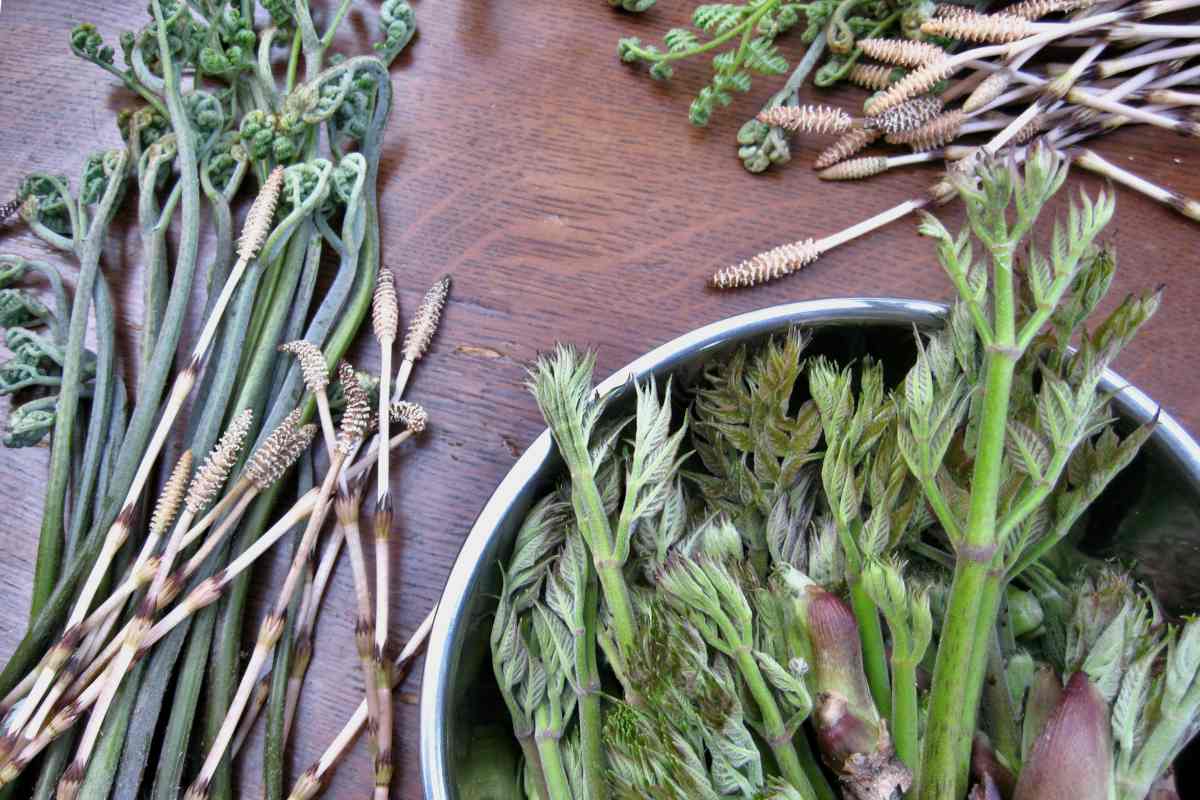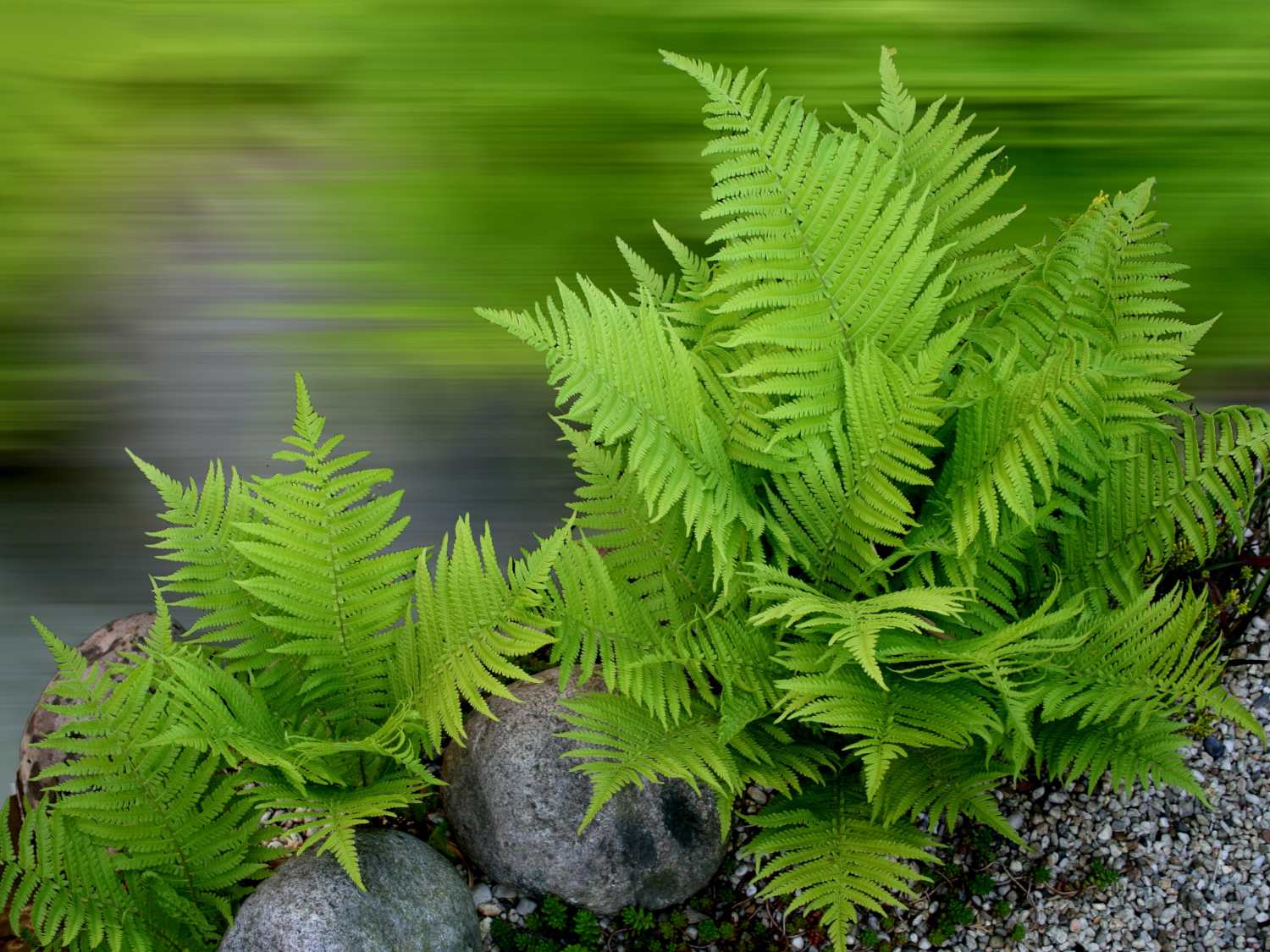
Young fronds push up tightly curled, like the scroll at the tip of a violin handle, then open into finely dented, airy green. Ferns never flower: their leaves rise straight from a swollen underground rhizome, which is why they are the classic answer to a dark, damp corner — give them cool, humus-rich shade and they furnish it for years.
Their dented fronds bring a touch of airy freshness.
Read also:
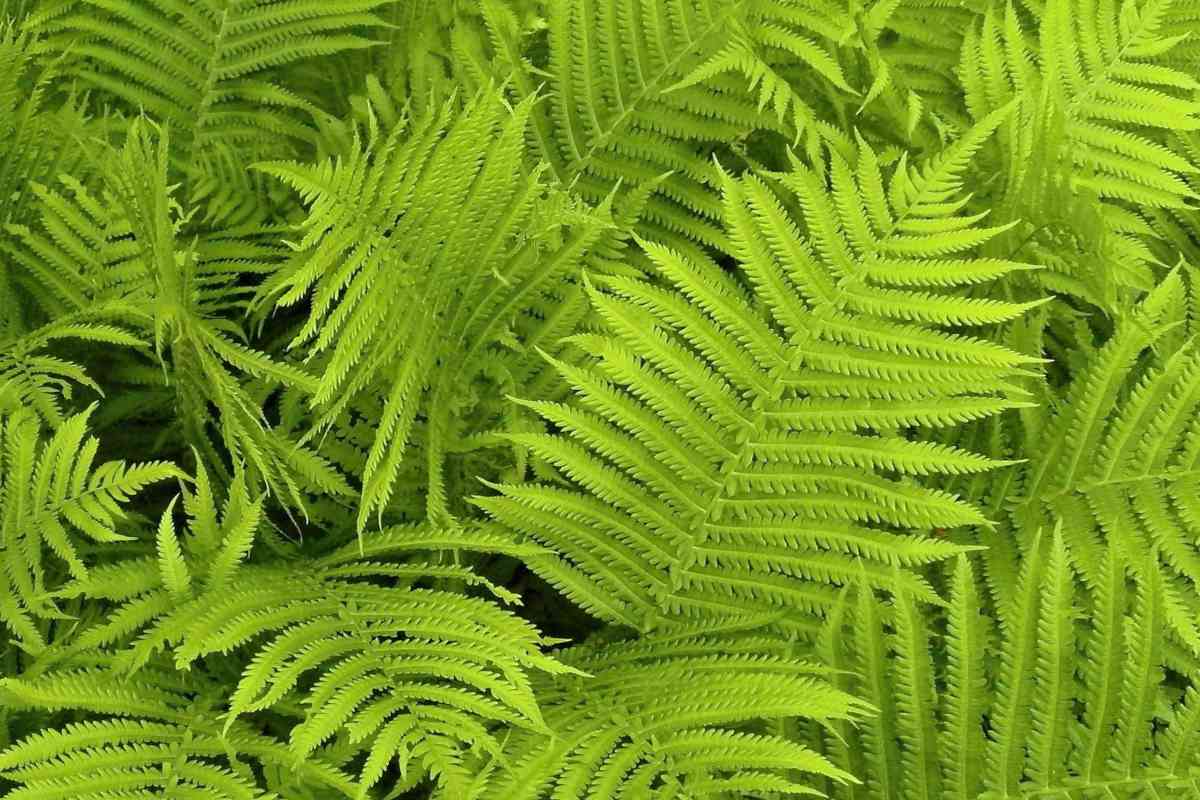
The very first ferns most probably appeared during the Paleozoic Era, about 500 million years ago! Over a thousand varieties exist across the globe, and ferns come in a multitude of shapes and colors.
Ferns don’t produce flowers, and leaves sprout directly from the rhizome. Rhizomes are swollen, fibrous underground stems that are often confused with roots.
In reality, roots are thin fibrous filaments called adventitious roots because they branch out from a stem. Curled up young fern fronds look like the tip or scroll of a violin handle.
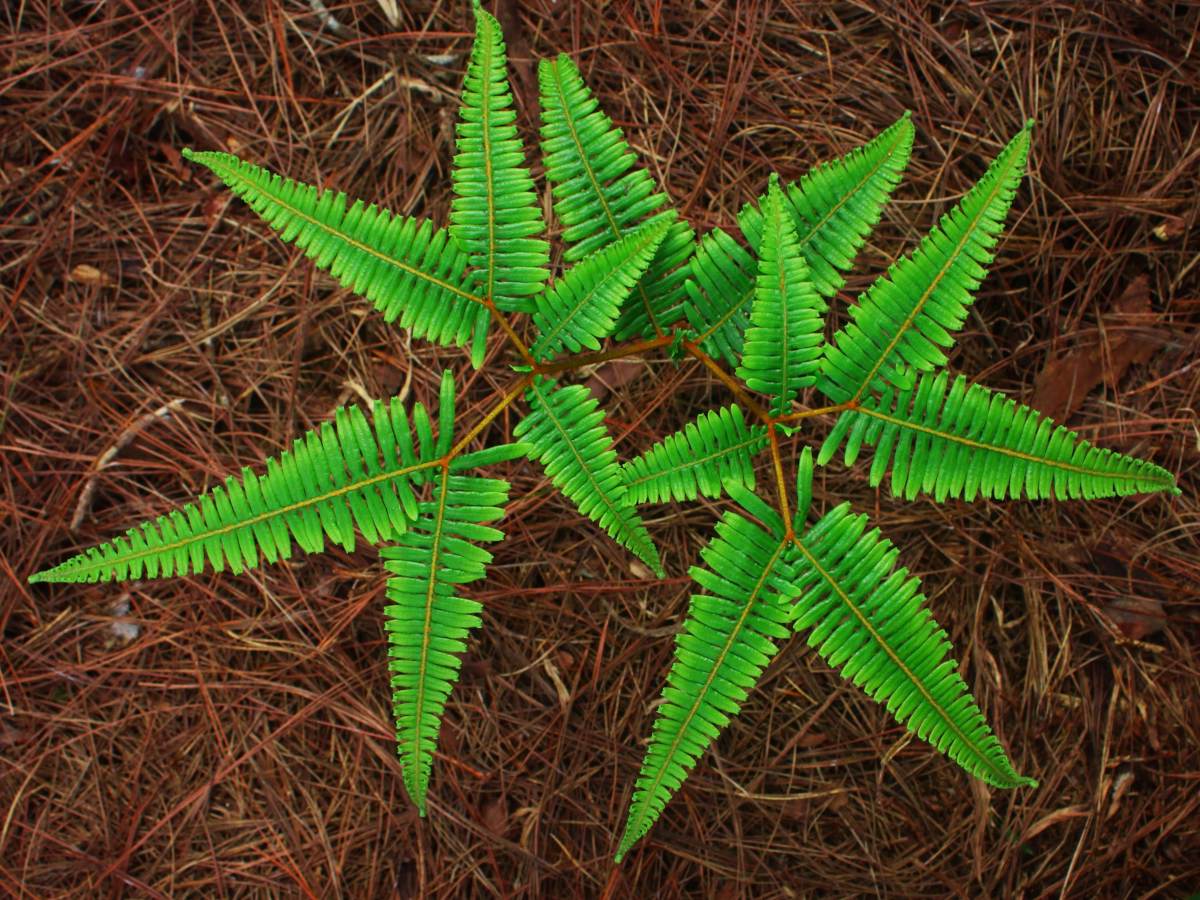
Plant ferns in spring or fall, in part shade or shade, in cool soil that is preferably well-drained and humus-rich. Pure peat soil is perfect, and earth collected from forest underbrush is also great.
Ferns growing naturally often are a sign of humus-rich soil that retains moisture well.
Don’t bury the clump too deeply, the top portion must run flush with the ground level, or the plant might rot.
In garden boxes, prepare a well drained mix of heath or peaty soil mix.
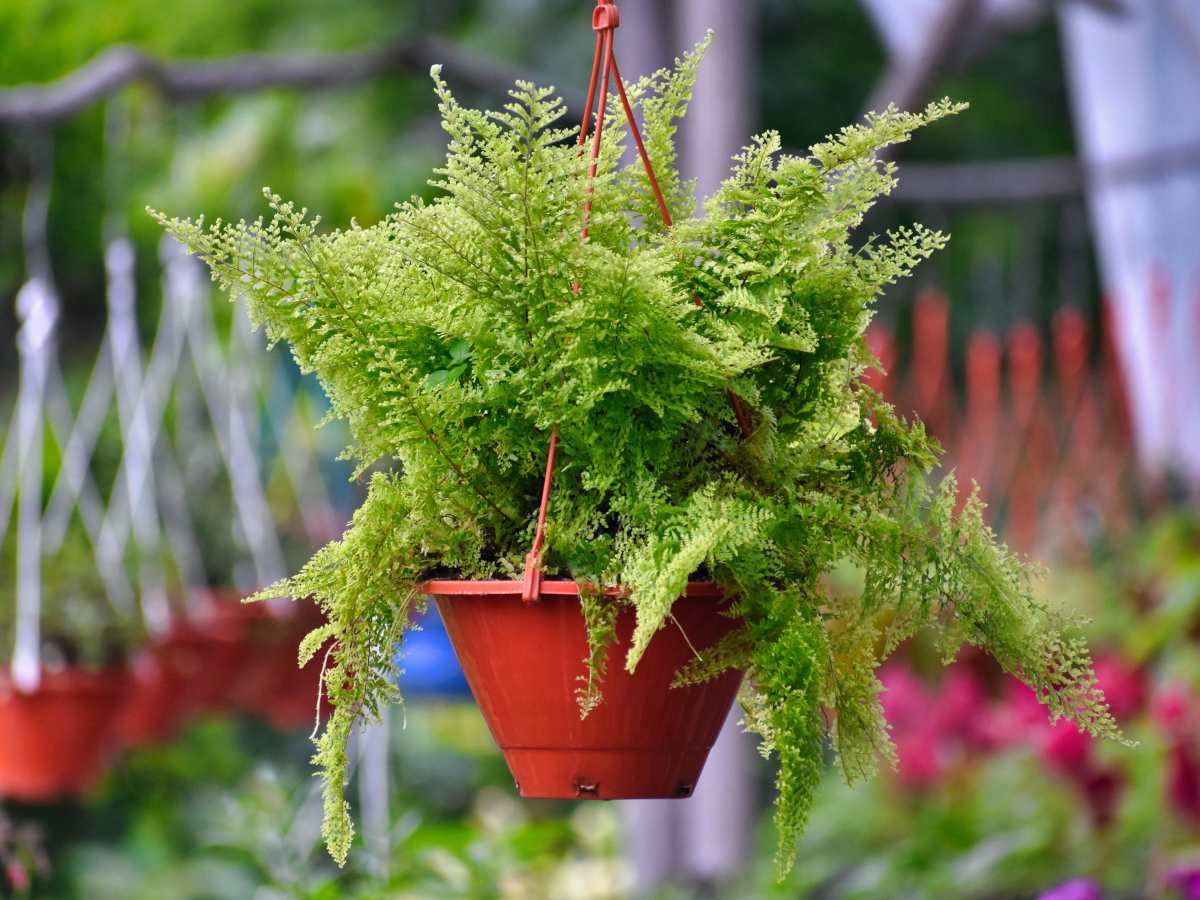
Keep the soil cool during the entire growth phase with mulch and constant watering. Mist in the evening if the day was sweltering. As for pruning, simply cut back the dried fronds at the end of winter to clean the clumps up well.
Check on slugs: since they’re running out of more appealing food, they might start eating up young fronds in spring.
To divide the plant, perform crown division at the end of the growing season. Proceed with care so that the very fragile roots aren’t damaged.
Break up or chop up dry ferns that you’ve collected, and use them for mulch for plants vulnerable to the cold, or for shade to protect young seedlings.
Avoid adding ferns to your compost: they decompose very slowly.