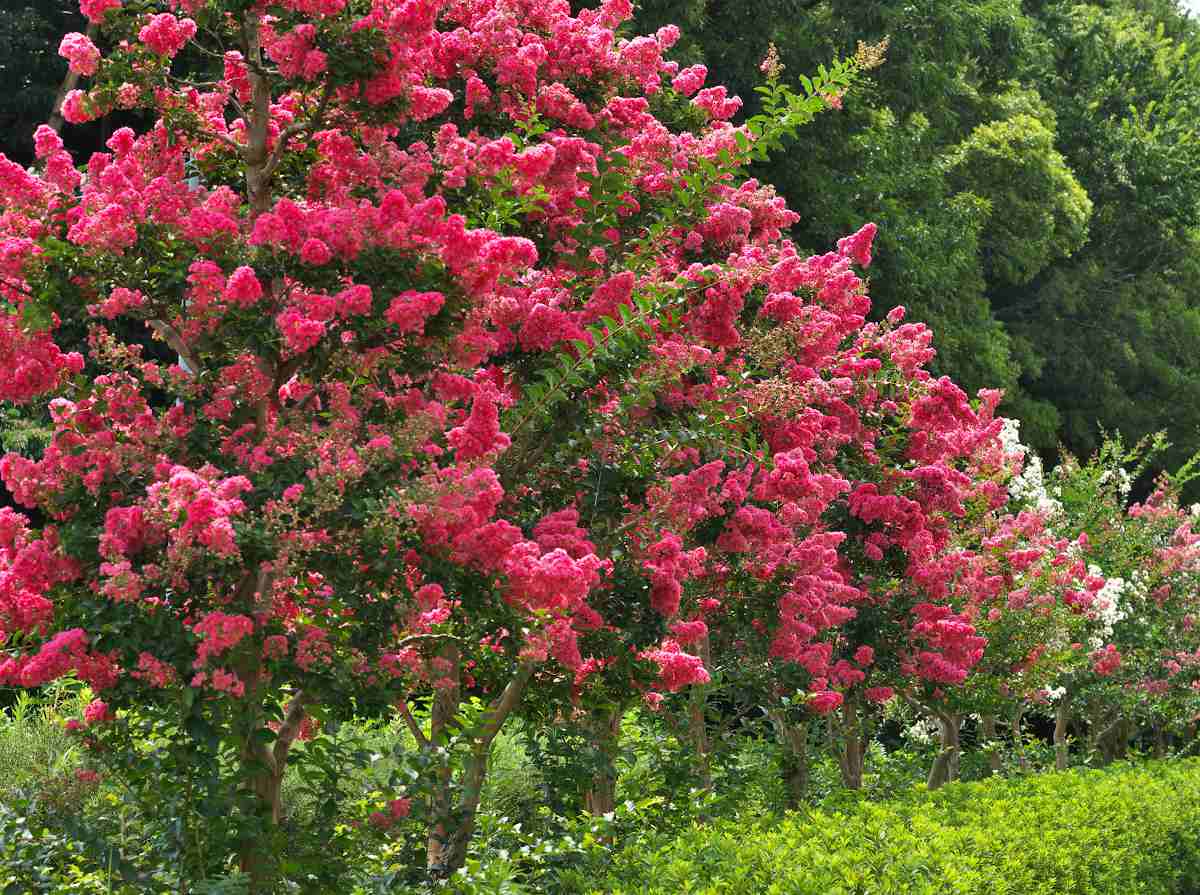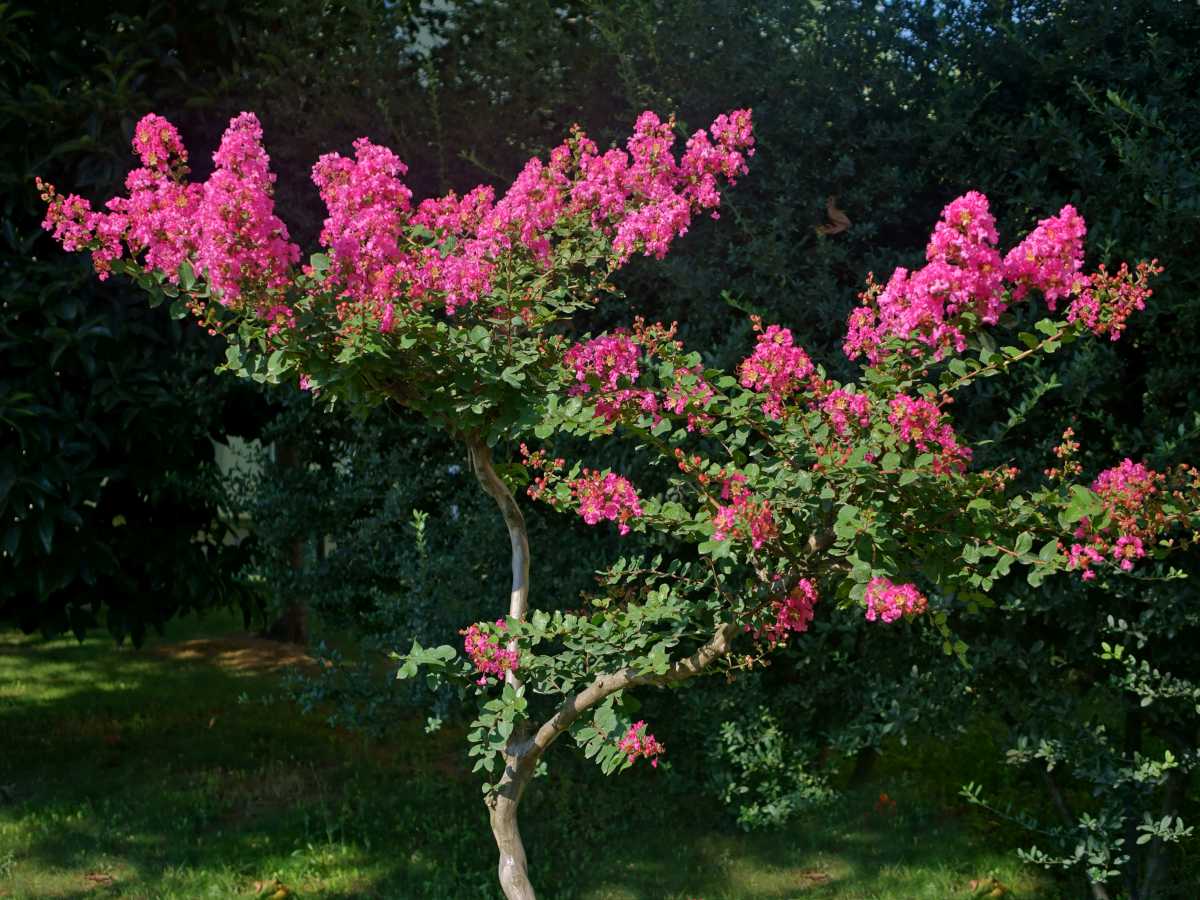
Brightly coloured panicles open all summer, followed by red, yellow and orange autumn leaves and a smooth pinkish grey trunk once the branches are bare. Crepe myrtle (Lagerstroemia indica) is a small ornamental tree grown for that long display: give it a place bathed in sun, sheltered from wind, and blooming is abundant.
| Name | Lagerstroemia indica |
|---|---|
| Family | Lythraceae |
| Type | tree or shrub |
| Height | 10 to 16 feet (3 to 5 meters) |
| Exposure | full sun, part sun |
| Soil | rich enough |
| Foliage | deciduous |
| Flowering | late spring to mid-autumn |
Planting, pruning and caring for it contributes to the beautiful blooming of crepe myrtle.
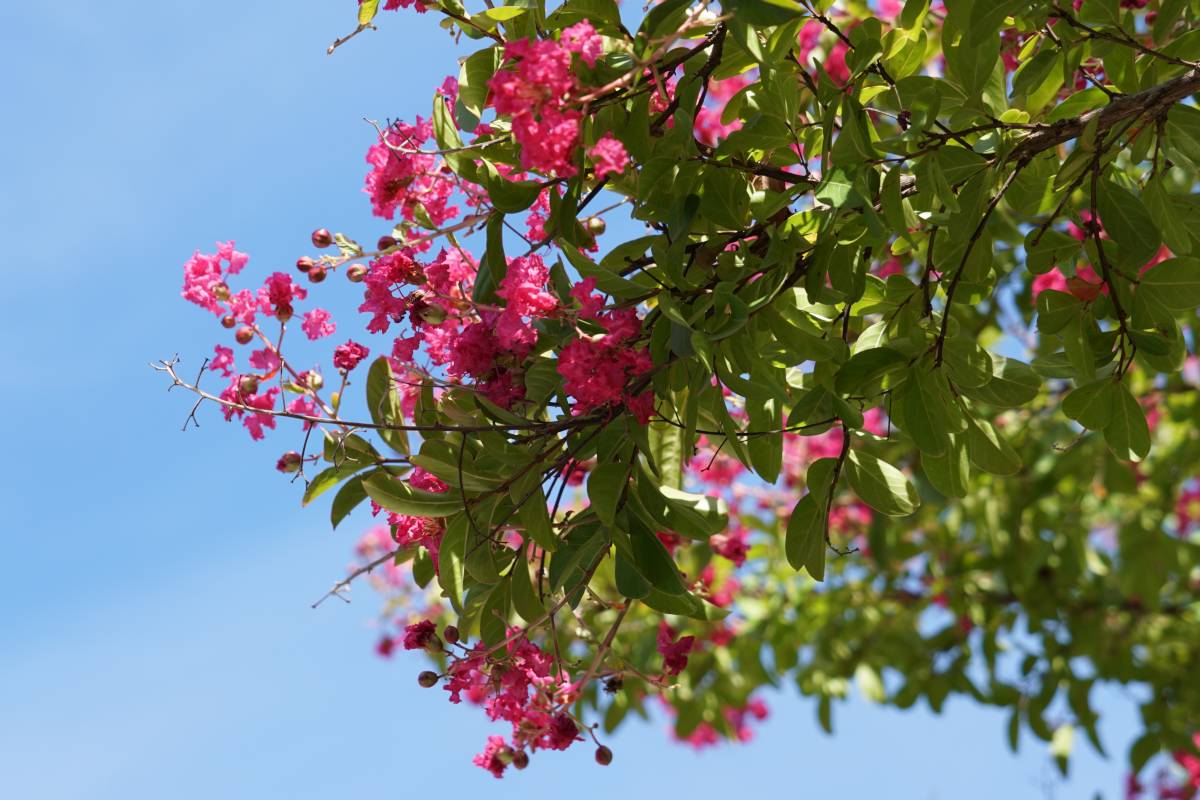
Planting indica crepe myrtle in fall is recommended to encourage root formation, but you can still plant over the winter until spring, even though you must absolutely avoid any period of freezing.
In colder areas, planting in spring is best, whereas in other areas fall is fine, after leaves have fallen off.
Growing indica crepe myrtle in pots is perfectly possible, especially where winters are harsh, so that you can bring them in and protect them in winter.
Planting, pruning and a little seasonal care are what turn a young crepe myrtle into a shrub that flowers freely. Here is the whole cycle in one view, so you can see which job belongs to which season.
| Task | When | What it does |
|---|---|---|
| Planting (mild areas) | Autumn, after leaf fall, and on through winter to spring | Encourages root formation; never plant during a period of freezing |
| Planting (cold areas) | Spring | Avoids winter damage to a newly planted shrub |
| Pruning | Late winter, waiting for a warm spell | Shortening last year’s branches increases the following year’s blooming |
| Feeding | Spring | Slow-release flower shrub fertilizer enhances blooming |
| Mulching and watering | Summer | Keeps ground moisture up and cuts down on watering |
| Winter protection | Early winter | A layer of dried leaf mulch at the foot adds security |
Once properly settled in, crepe myrtle asks for very little beyond this.
There are 2 ways of multiplying your crepe myrtle, cuttings and and sowing from seed.
At the end of summer, preparing cuttings from indica crepe myrtle yields very good results.
Don’t rush to plant to the ground, since the best planting season is fall, a whole year after having started to prepare the cuttings.
Sowing lagerstroemia is said to be quite easy if you can find seeds, and is best done in spring or fall (avoid sowing in summer).
Pruning is at the end of winter, preferably during the month of March, either a bit earlier or a bit later. It is good to wait for a warm spell to prune your tree.
Prune branches that have grown in the previous year, leaving only an inch (a couple centimeters) or so, checking that you’re leaving an eye facing outwards from the shrub.
If properly settled in, indica crepe myrtle requires very little care.
Indica crepe myrtle is very well suited to our temperate climates that occasionally witness rather harsh winters, since they resist to temperatures below freezing, down to about 5°F (-15°C).
For added security, you can spread a layer of dried leaf mulch around the foot of your indica crepe myrtle in winter.
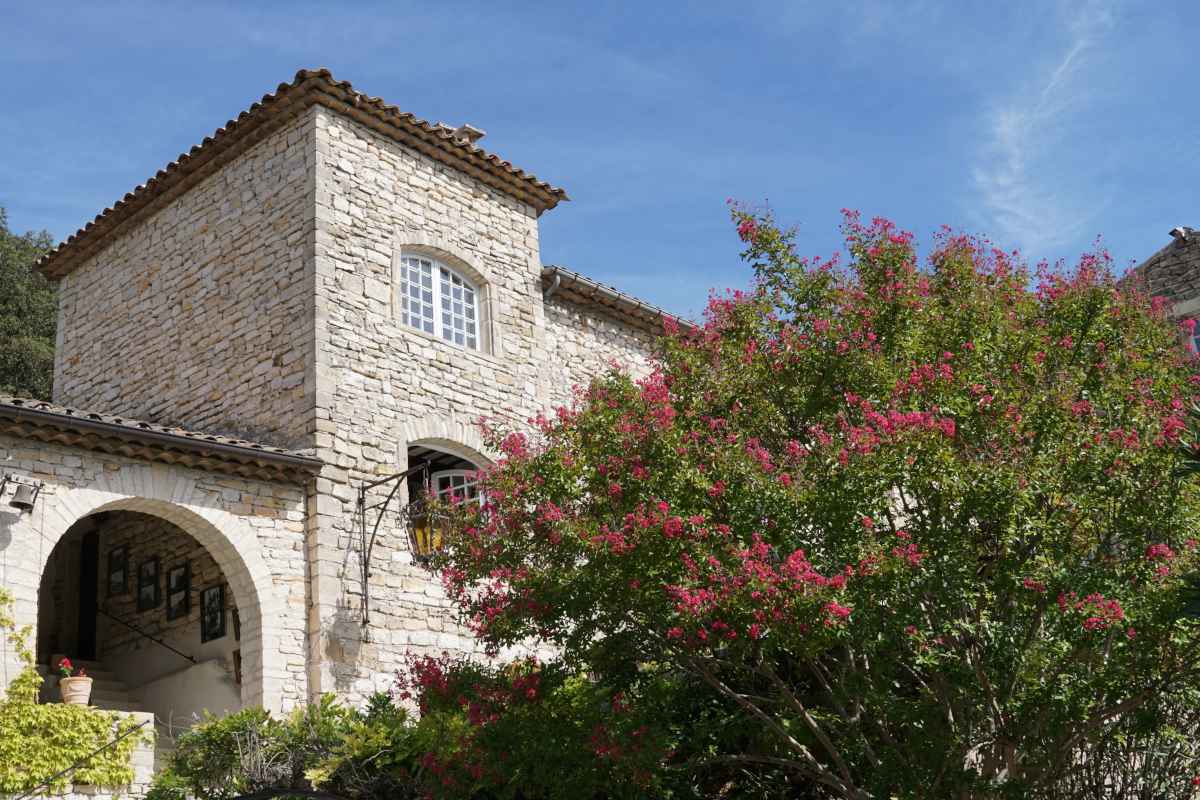
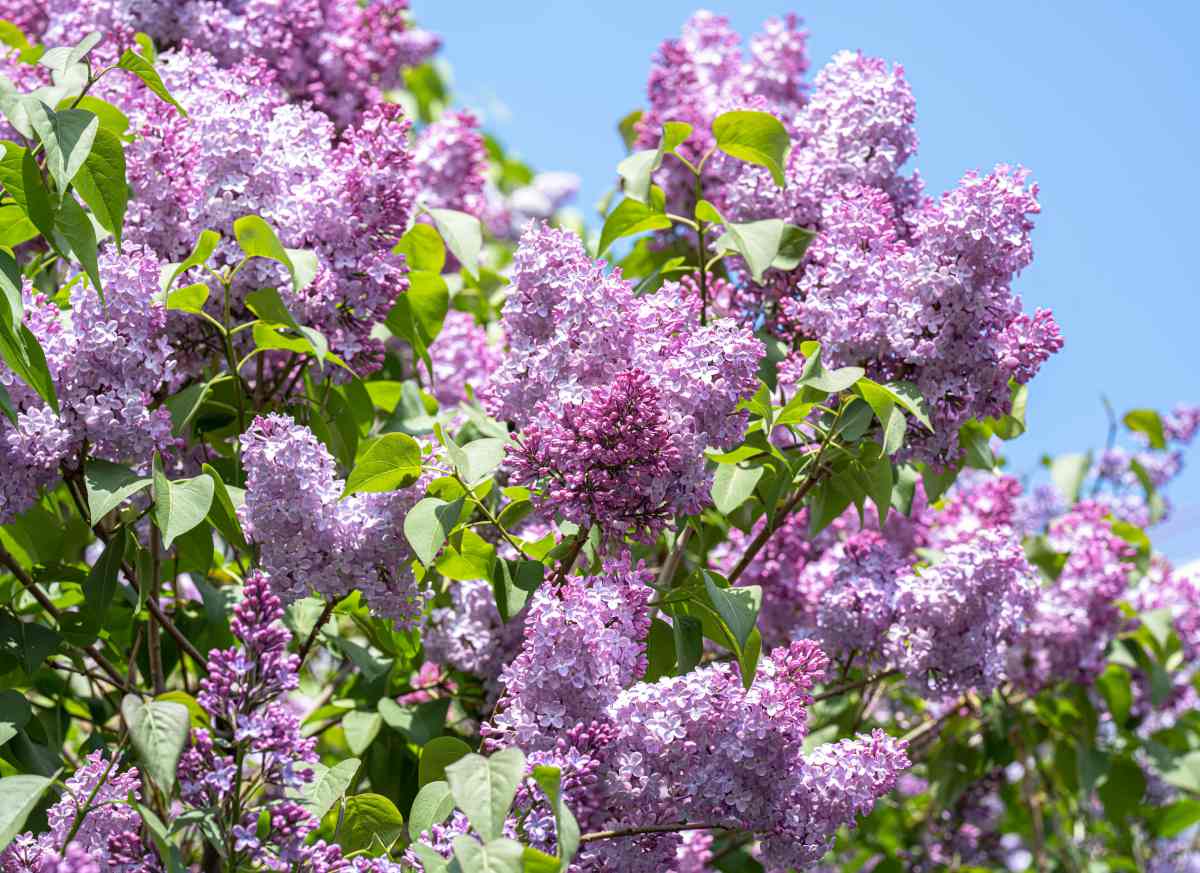
Native to Asia, like lilac actually, it was imported to Europe by a family of horticulturists living in the French city of Bergerac, and then spread to Perigord, Dordogne, Lot and other regions of France and Europe. It’s not related to common myrtle.
A small ornamental tree with abundant and plentiful blooming, indica crepe myrtle is remarkable all summer long thanks to its magnificent brightly-colored panicles.
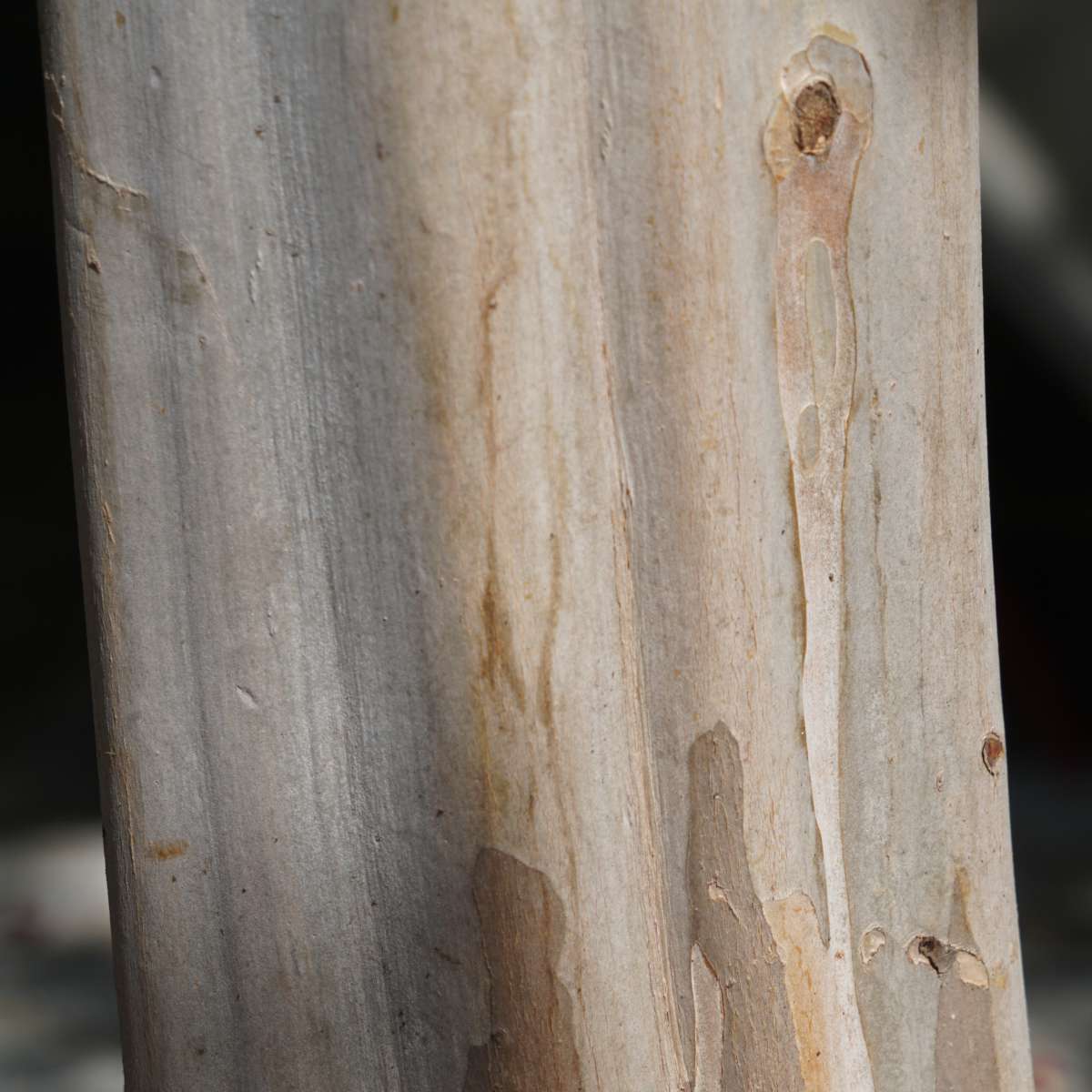
Its natural state is to grow several clumped trunks and looks decidedly shrub-like, but it is most often trimmed for sale on a single stem.
In fall, this deciduous tree unveils surprising red, yellow and orange leafage.
In winter, once leaves are on the ground, the trunk appears with its beautiful pinkish gray colors.
In areas with mild climates, it often happens that indica crepe myrtle keeps its leaves.
Read also:
During the high summer temperatures, water preferably in the evening but not too much.