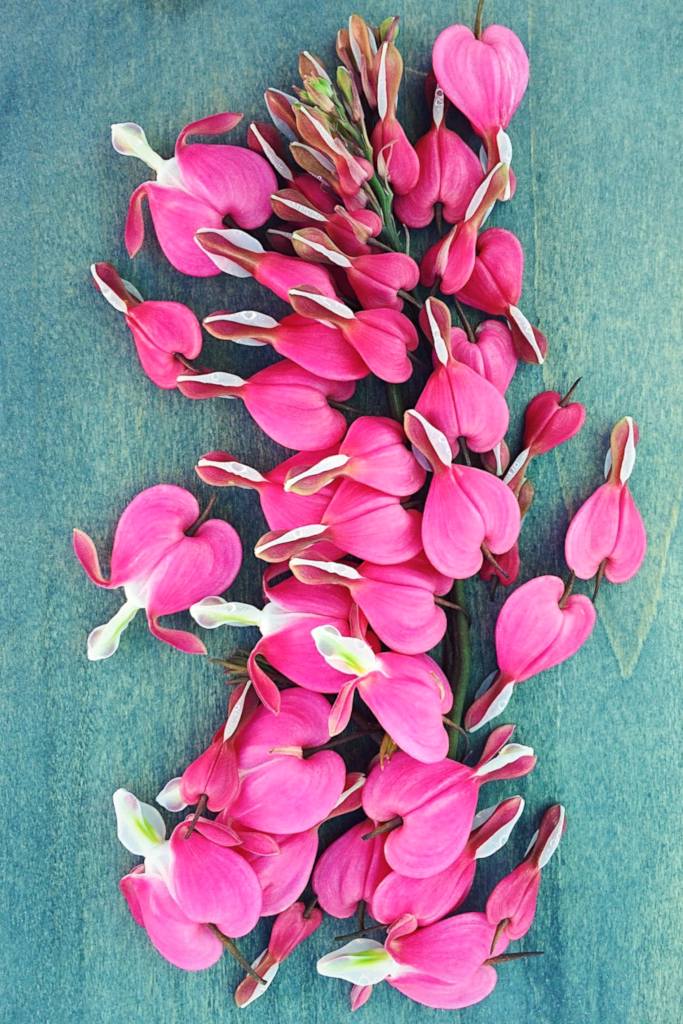
Along arching scapes 20 to 30 cm long hang rows of pink, white or red hearts, each barely an inch across: this is bleeding heart (Lamprocapnos spectabilis, formerly Dicentra spectabilis). Give it part sun and soil kept cool under mulch, and it will light up a bed, an edge or a garden box all summer.
| Name | Lamprocapnos spectabilis |
|---|---|
| Formerly | Dicentra spectabilis |
| Family | Papaveraceae |
| Type | perennial |
| Height | 8 to 24 inches (20 to 60 cm) |
| Exposure | part sun |
| Soil | ordinary, well drained |
| Flowering | May to August |
Caring for this from planting to blooming is quite easy and the decorative impact of bleeding heart is exceptional.
Equally good are spring and fall for plants purchased in pots.
However, it is slightly better to plant in fall to favor root development before winter hits. If you plant during spring, avoid days of frost and freezing.
If properly settled in, bleeding heart requires very little care. It is thus important get the planting step right.
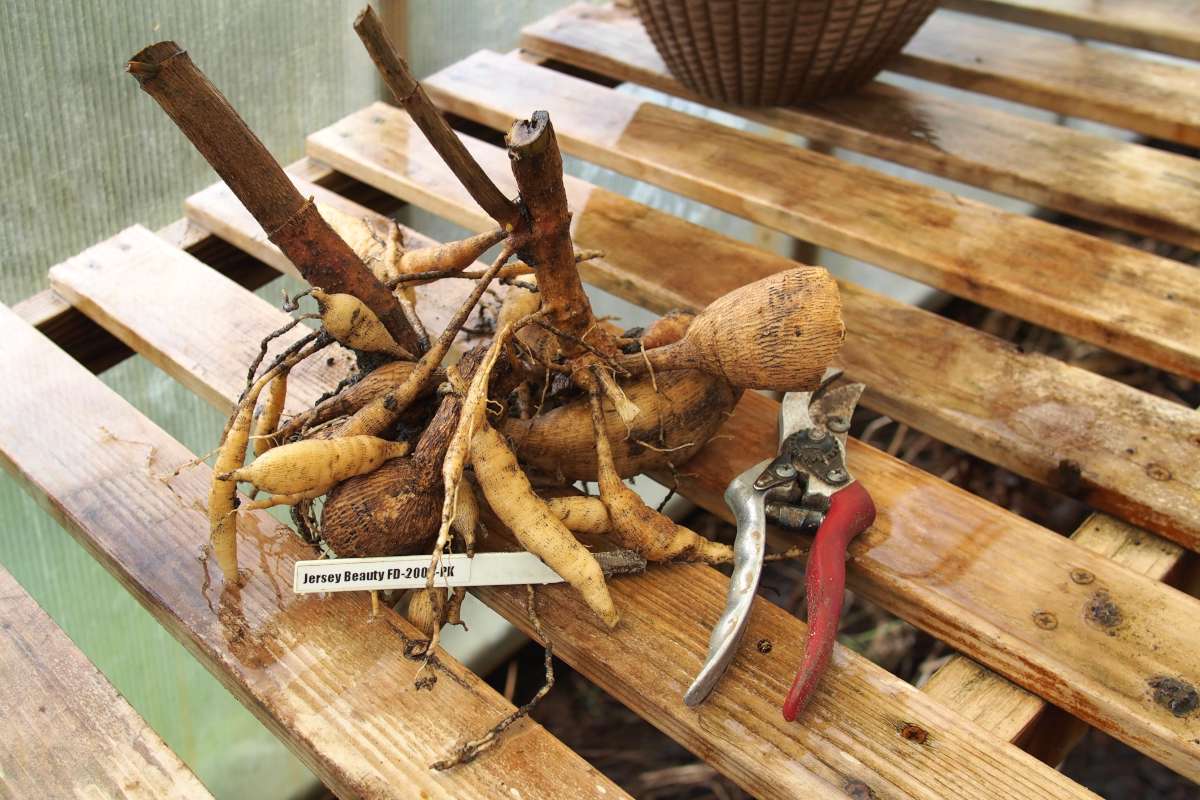
You can easily split your bleeding heart through crown division in fall.
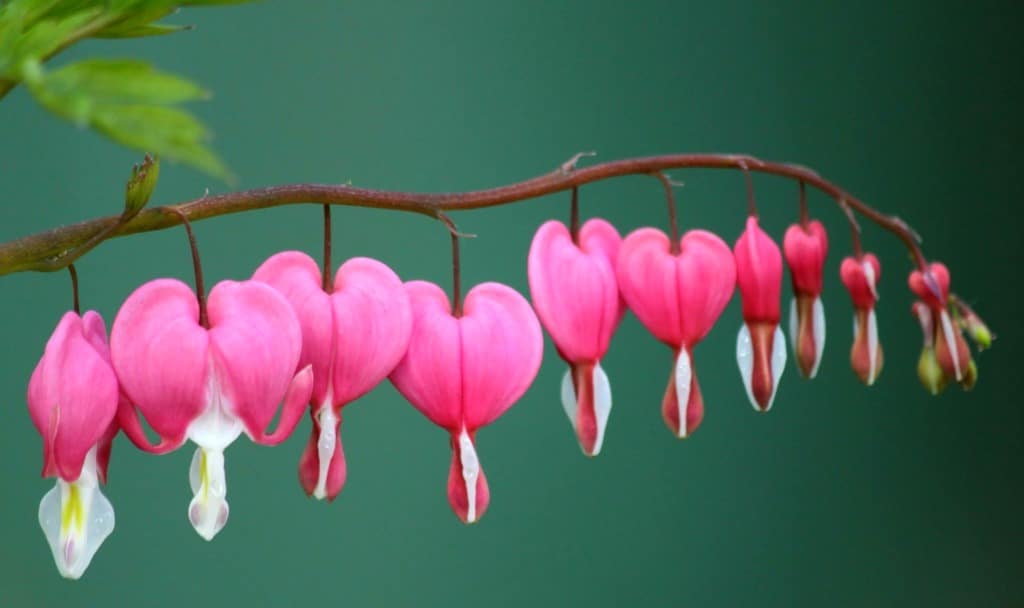
Bleeding heart is easy to care for and shouldn’t give you any problems, even for beginning gardeners…
After flowering, bleeding heart often disappears entirely above ground; it is dormant, not dead, so mark the spot before you plant anything over it.
Although most varieties bear pink flowers, some are white-flowered such as Lamprocapnos cucullaria and L. formosa aurora.
Dicentra spectabilis ‘Gold Heart’ bears the usual pink hearts above golden-chartreuse foliage, and that pale leaf can scorch in hot afternoon sun, though light levels tolerated vary with climate and moisture.
The varieties named here differ mostly in the colour of their dangling hearts. Use this table to pick between the pink forms and the white ones.
| Variety | Flower colour | Notes |
|---|---|---|
| Lamprocapnos cucullaria | White | One of the white-flowered forms, an alternative to the usual pink |
| L. formosa aurora | White | White-flowered, listed alongside cucullaria |
| L. eximia | Pink | Singled out among the interesting pink-flowered varieties |
| Lamprocapnos ‘Firecracker’ | Pink | Named cultivar that stands out among the pink forms |
Whichever colour you choose, the plant remains a classical elegant ornament for beds, edges and garden boxes.
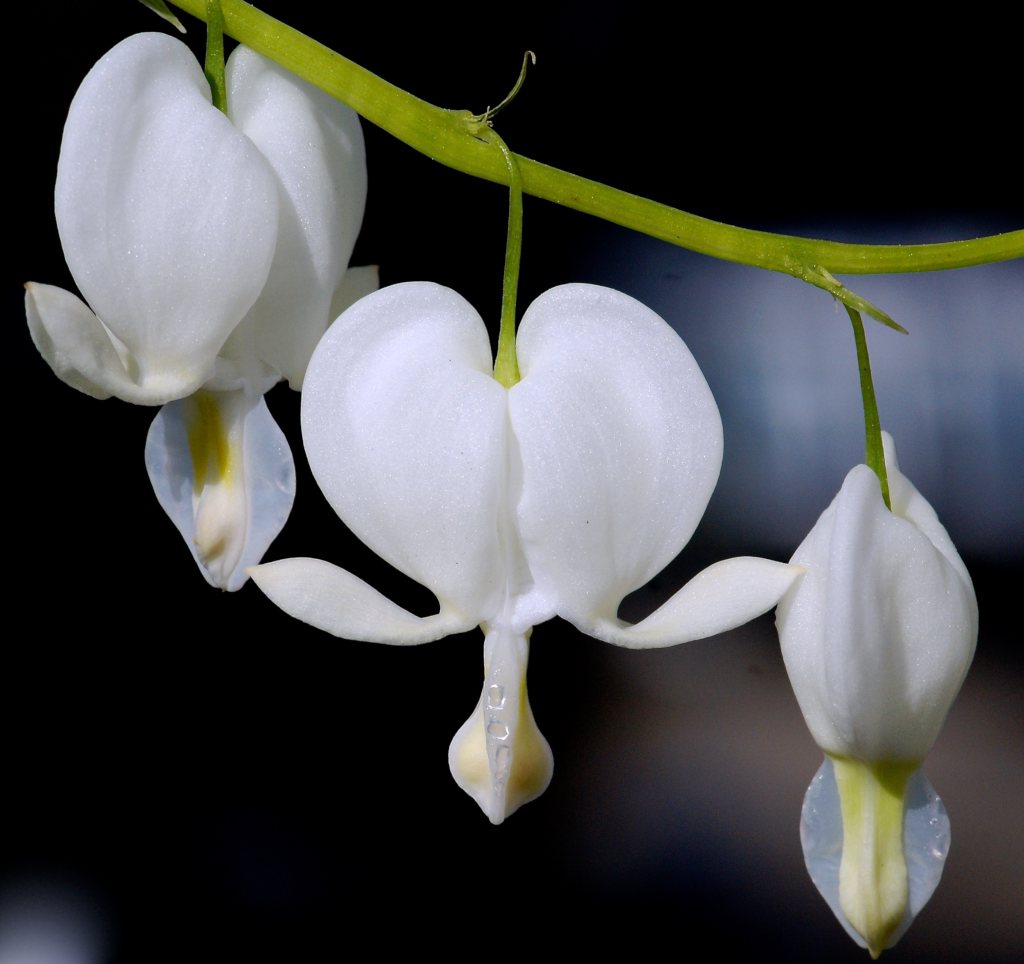
This magnificent bulb perennial is mysterious and enchanting even for its name.
Indeed, along a floral scape 8 to 12 inches (20 to 30 cm) long, very beautiful pink, white or red hearts appear, each about 1 inch (2 to 3 cm) long.
Another name for the plant refers to Saint Mary: Mary’s heart. The name alone will help you soothe your soul if you plant it near your meditation garden.
This is a classical elegant ornament plant. It will grow and shine in a flower bed, along edges or in a garden box.
A true marvel all summer long, in the garden or on your terrace!
Lastly, note that bleeding heart is poisonous. Always handle with gloves to forego risks of skin rash.
Recently, genetic research places this plant in a family of its own: Lamprocapnos spectabilis. It’s actually a cousin of the common poppy plant!
Read also: