A pear-shaped terracotta oya sunk into the compost, or a plastic bottle whose cap you have pricked with a needle and turned upside down in the pot: a few homemade devices are all it takes to keep houseplants going while you are away. Sort out water, humidity, light and feeding before you close the door and you will come home to healthy plants.
Don’t hold back from leaving, there are many techniques for caring for and watering your indoor plants in your absence.
This age-old system uses pear-shaped terracotta containers. Pushed into the substrate near the plant but flush with the top of the pot, you fill them with water before you leave. Terracotta is a permeable material that slowly allows water to pass through. This way, your plants get regular water supply, which is much better than a sudden, hefty watering followed by a dry spell.
You can then let them take over for 1 to 2 weeks. If you’re away for a longer time, you’ll need to count on someone to refill the oya, which is still far less tedious than watering every three days!
This trick is easy as pie! Just grab a bottle and pierce the cap with a needle. Then, fill your bottle, turn it over and check that drops are escaping from the cap. Stick it into your pot and let this DIY drip provide water to your plants. This low-cost technique keeps your plants hydrated, so you can be away between two weeks and a month, depending on the size of the bottle and the needs of your plants.
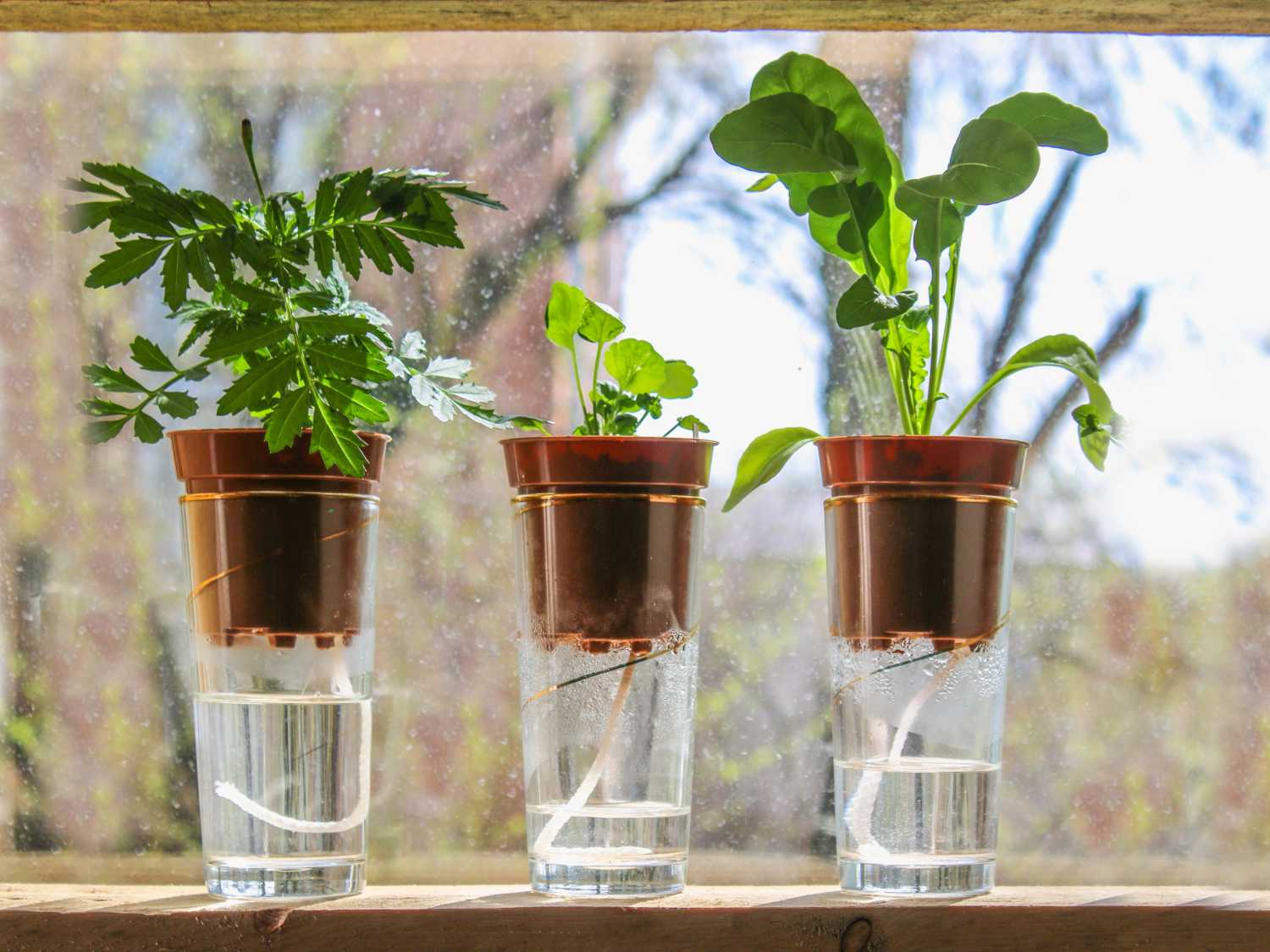
Another method is to use a string soaked in a water bucket on one side and stuck into the soil on the other. The string will absorb the water by capillarity and distribute it in the substrate. The roots of your plant will then have a constant water supply. You can leave your plants in peace for one to two weeks. Even longer if someone can stop by to add more water to the bucket.
The article describes three self-watering tricks, each costing almost nothing and each buying you a different length of absence. Compare them before you decide which to set up.
| Method | What you need | How long you can be away | Point to watch |
|---|---|---|---|
| Clay oya | A pear-shaped terracotta container pushed into the substrate, flush with the top of the pot, filled with water | 1 to 2 weeks | Someone must refill it for longer absences |
| Drilled bottle cap | A filled bottle whose cap is pierced with a needle, turned over and stuck into the pot | Two weeks to a month | Check drops really do escape from the cap before you go |
| Capillarity wick | A string soaked in a bucket of water at one end and pushed into the soil at the other | One to two weeks | The bucket needs topping up to stretch this further |
All three give a steady trickle, which the article notes is far better for plants than a sudden, hefty watering followed by a dry spell.
Many indoor plants originate from tropical forests where the atmosphere is hot and moist. These plants find enough warmth in our homes but often lack humidity.
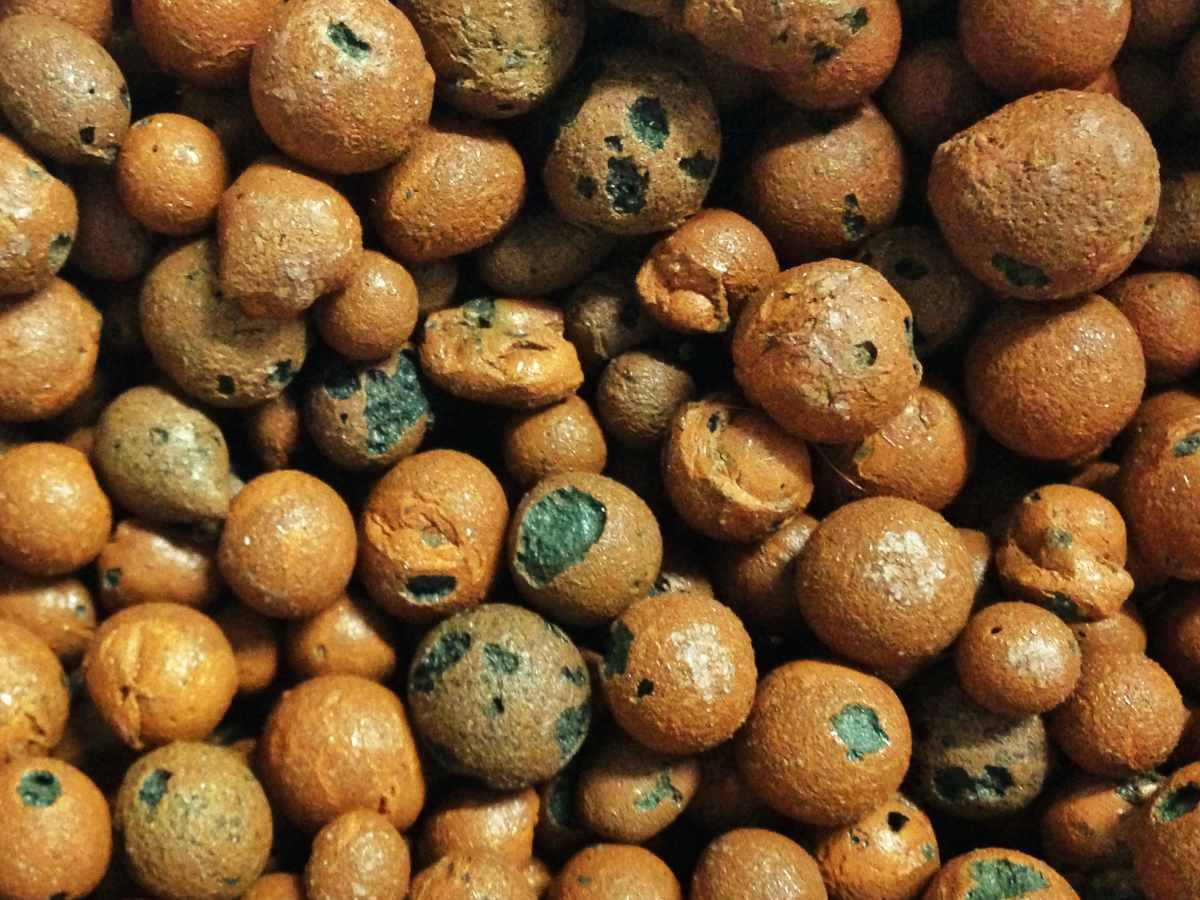
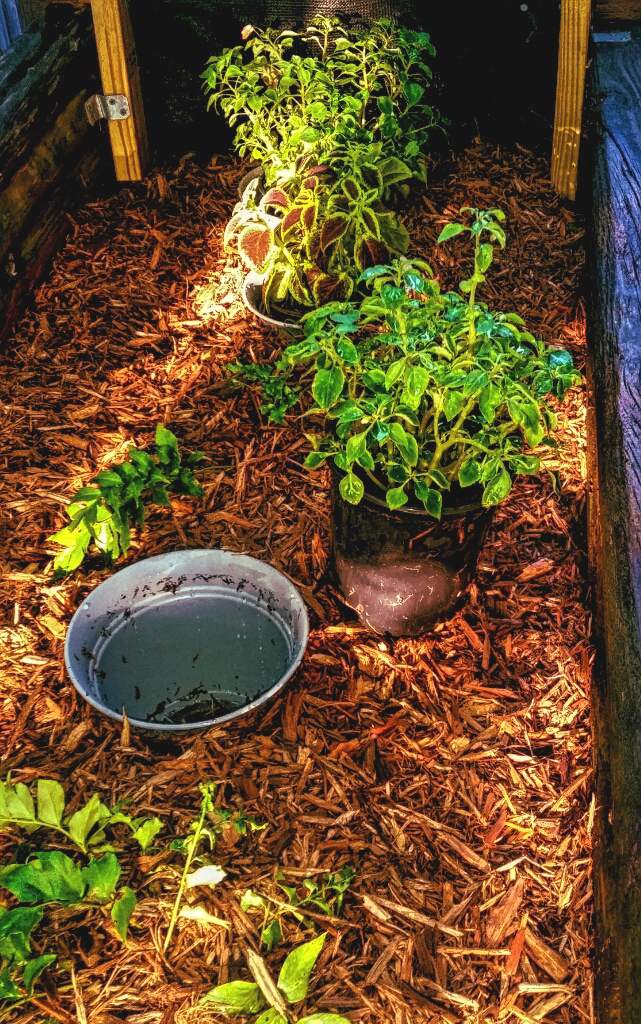
For this, it is advised to fill your saucer with water-soaked clay balls. As the water evaporates, it creates ambient humidity, beneficial for the plant.
During your vacation, especially if it’s in the middle of summer, don’t hesitate to gather your plants together on a common bed of clay balls. Use a large, shallow basin filled with a thick layer of clay balls. Then, pour water so that the level just reaches below this layer.
Indeed, the plants should not have their roots sit in stagnant water. Using the basin will create a thicker layer of balls than in single saucers, causing evaporation to last longer.
You probably close all shutters when you go on vacation, to discourage any passing burglars. However, if your plants get no light, they will quickly perish. Three possibilities for this:
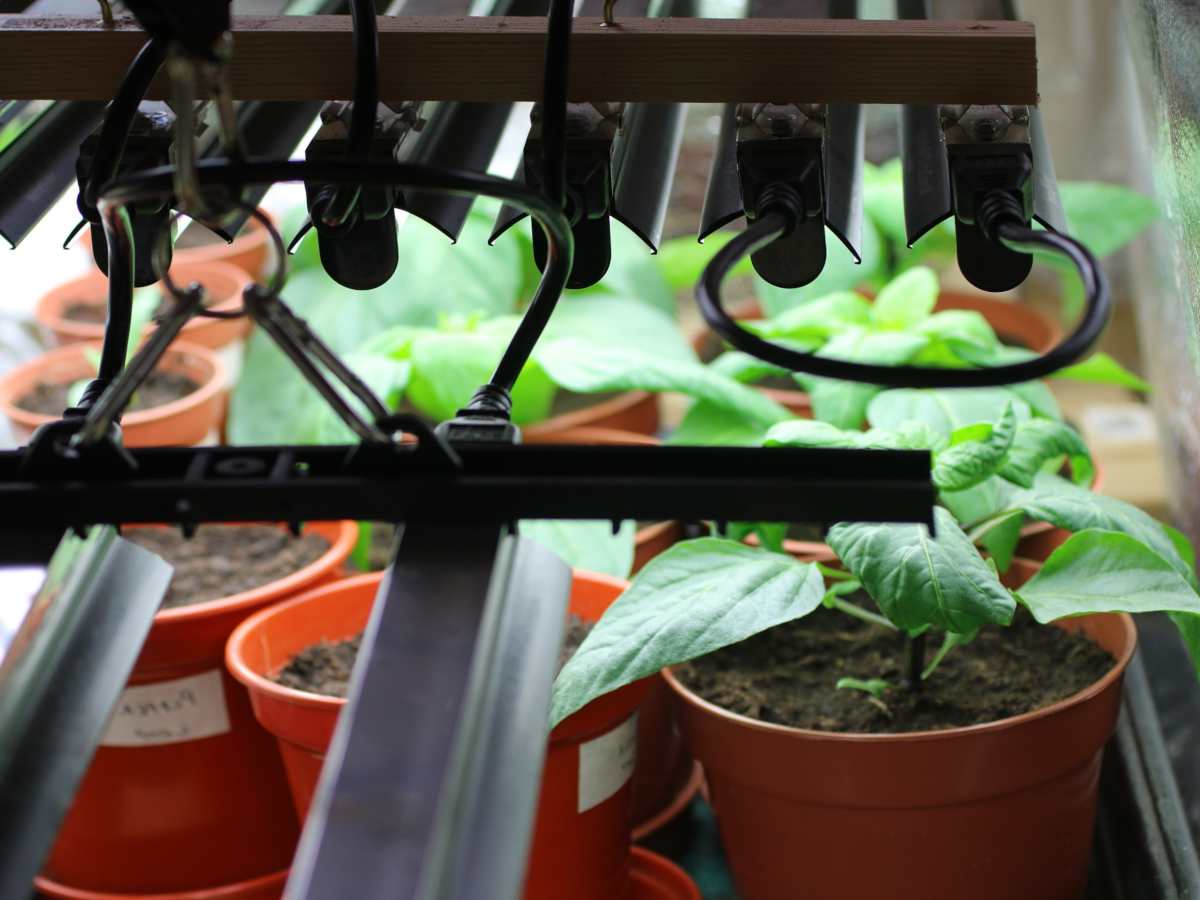
During the growth period (from spring to fall frosts), plants grow and need regular fertilizer input for this.
Think about giving them natural fertilizers just before you leave, this will be enough for 2 weeks to 1 month depending on the species. For this, do a good watering with water mixed with a little liquid fertilizer. You can also do a surfacing of compost for the hungrier ones.
Some plants are more sensitive to pests and diseases than others. Perhaps you have even treated some of them?
Each disease or pest is linked to preventive treatments. To avoid any risk, find out about these treatments based on the sensitivity of your plant.However, you can always spray stinging nettle manure on your plants, it strengthens them and prevents the arrival of many pests and diseases. Afraid of aphids? Spray a little water containing 10% of black soap liquid before you leave.