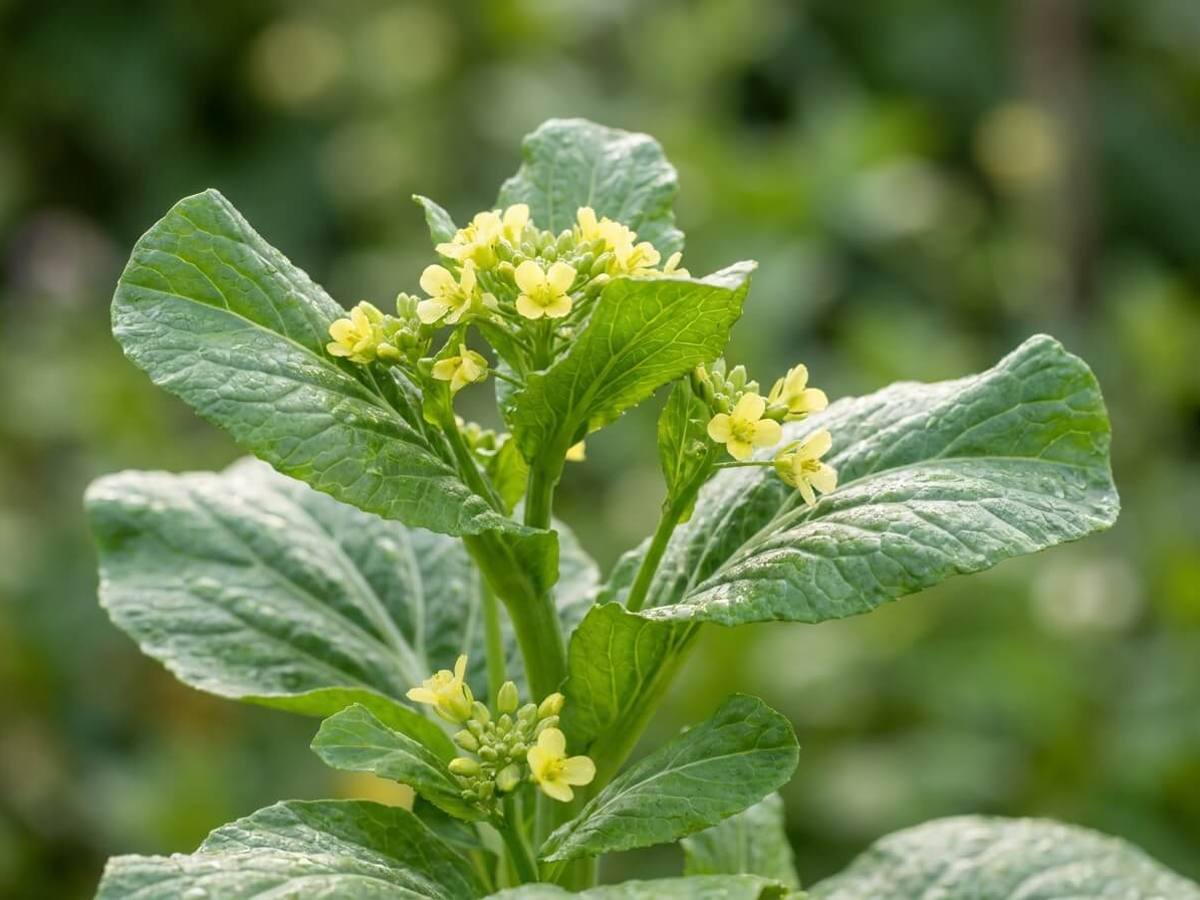
Pak choi is one of the quickest and most generous leafy crops a gardener can grow, forming glossy spoon-shaped leaves on crisp, succulent stems in as little as six weeks. It suits raised beds, containers and the gaps between slower vegetables, and its upright vase-shaped habit looks handsome enough for an ornamental potager. Unlike most brassicas, it tolerates cutting and coming again, so a single sowing can yield several harvests.
Growing conditions
Pak choi grows best in an open, sunny site during the cooler months, when light levels drive steady leaf production. In July and August, however, a spot with dappled afternoon shade keeps the leaves tender and slows the rush to flower. Shelter from drying wind also helps, as wind-scorched leaves turn papery at the margins.
The ideal soil is deep, moisture-retentive and rich in organic matter, with free drainage so that roots never sit in cold wet ground. Aim for a pH of 6.5–7.5; alkaline conditions suppress clubroot, whilst acidic soils encourage it. Work in a bucketful of well-rotted garden compost per square metre before sowing.
Growth is fastest between 15 °C and 22 °C. Mature plants shrug off light frost and sweeten slightly after it, but temperatures below about −5 °C will damage the outer leaves unless plants are under a cloche or in a cold greenhouse.
How to plant pak choi
The most reliable sowing window is from midsummer to early autumn, once nights are consistently mild and the vernalisation risk has passed. Spring sowings are possible from April under fleece, but choose bolt-resistant cultivars.
Spacing: 10–15 cm apart for baby leaf types and 25–30 cm for full-sized heads, giving each plant the airflow it needs to resist mildew.
Depth: Sow seed 1–2 cm deep; when transplanting, set the crown level with the soil surface so the growing point is never buried.
Soil preparation: Rake the bed to a fine, firm tilth and add a general organic fertiliser — pak choi is a hungry nitrogen feeder.
Watering in: Water the drill before sowing rather than afterwards, which keeps the seedbed moist without capping the surface.
Propagation: Sow direct wherever possible, as pak choi resents root disturbance; if raising in modules, plant out at the three-true-leaf stage, within 3–4 weeks.
Pak choi growing in a naturalistic garden border
Care through the seasons
Spring: Sow under cloches or in a cold frame from April, lifting covers on warm days to prevent overheating. Thin seedlings early and use the thinnings in salads. Watch for the first flea beetles as soon as temperatures climb above 15 °C.
Summer: Water generously and consistently — a plant that dries out even briefly becomes stringy, peppery and prone to bolting. Mulch between rows with compost or grass clippings to hold moisture, and make small successional sowings every two to three weeks from late June. Harvest in the cool of the morning for the crispest stems.
Autumn: This is the season pak choi was made for. Sow into early September in mild regions, feed established plants with a liquid seaweed or comfrey tonic, and clear slug shelter from around the crowns. Cover late crops with fleece once night temperatures dip below 5 °C.
Winter: Growth almost stops below 10 °C, but plants hold in good condition for weeks in an unheated greenhouse or under a cloche. Any plants left in the ground will flower the following spring — the flower shoots are sweet and perfectly edible.
Best varieties to grow
Choose according to whether you want baby leaves, crisp white ribs or outright bolt resistance.
‘Joi Choi’ F1 — a dependable, vigorous white-stemmed variety with excellent cold tolerance and strong resistance to bolting.
‘Mei Qing Choi’ F1 — a compact, green-stemmed baby pak choi ready in around 45 days, ideal for containers and close spacing.
‘Red Choi’ — deep purple-red leaves on green stems, superb as a cut-and-come-again baby leaf and strikingly ornamental.
‘Glacier’ F1 — bred for late and early sowings, holding well in cool conditions without running to seed.
Pests, diseases and common problems
Flea beetle: Tiny shot-holes peppering young leaves, worst in dry spells from April to August. Cover crops with insect-proof mesh from the day of sowing and keep the soil damp, as beetles dislike humid foliage.
Slugs and snails: Ragged holes and slime trails, often destroying seedlings overnight. Water in the morning rather than the evening, use nematode drenches in mild damp weather, and go out with a torch after dusk.
Clubroot: Wilting in warm weather and swollen, distorted roots. Lime the soil to pH 7, rotate brassicas on a four-year cycle, and raise plants in generous modules so they establish a strong root system before planting out.