Lychnis chalcedonica: growing Maltese cross in your garden
0
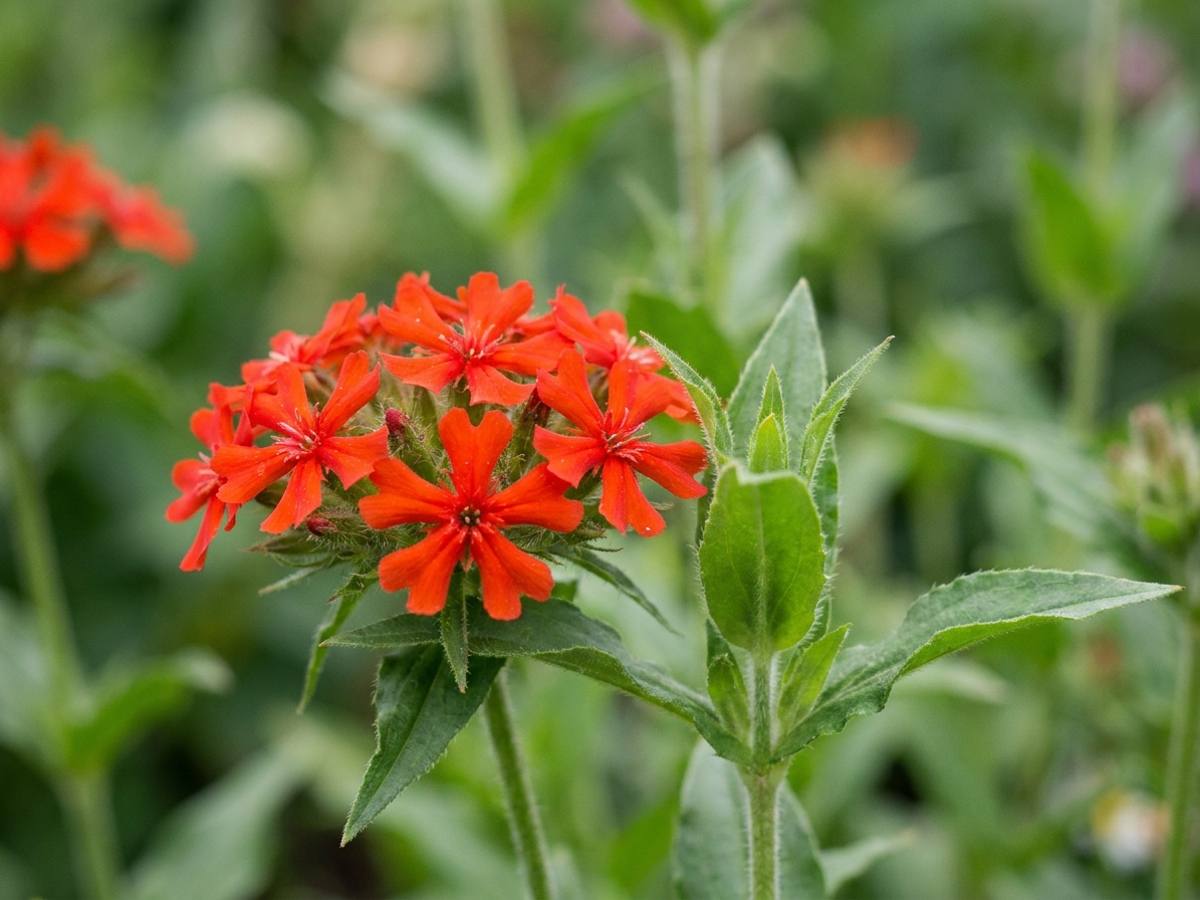
Lychnis chalcedonica is the plant that stops visitors mid-path: dense, domed heads of the most piercing vermilion-scarlet you will find in a hardy perennial, held on stiff upright stems well above the border. Each small flower has four deeply notched petals arranged like a heraldic cross, which gives the plant its old cottage-garden name of Maltese cross. It is a tough, long-lived and thoroughly reliable perennial that flowers in high summer, when many early border plants are already going over.
Growing conditions
Give Maltese cross the sunniest spot you can spare. A minimum of six hours of direct sun keeps the stems stiff and the flower heads packed tightly together. In shade the plant stretches, leans and produces noticeably fewer blooms.
It is not fussy about soil type, but it dislikes two extremes: baked, impoverished sand and cold, waterlogged clay. The ideal is a fertile loam enriched with garden compost that stays cool and slightly moist through summer yet drains freely in winter. A neutral to mildly alkaline pH of around 6.5 to 7.5 suits it best, and it copes well on chalk.
Native to Russia and central Asia, this is a genuinely cold-hardy plant that survives temperatures well below −20 °C without complaint. Gardeners in hot, humid summer regions should give it a little afternoon shade and generous air circulation to reduce mildew.
How to plant Lychnis
Plant container-grown specimens in spring, from March to May, so roots establish before the first flowering season. Early autumn planting also works well in mild areas, giving the crown time to settle before winter.
Spacing: Set plants 30–40 cm apart, and plant in groups of three or five — the narrow, upright habit looks thin when planted singly, and close spacing lets the stems support one another.
Depth: Position the crown level with the surrounding soil surface; burying it deeper invites rot in wet winters.
Soil preparation: Fork a bucketful of well-rotted compost or leaf mould into each planting station, and add horticultural grit if your soil is heavy clay.
Watering in: Soak thoroughly after planting and keep the soil evenly moist for the first six weeks, especially through the first summer.
Propagation: Divide established clumps every three to four years in early spring, or sow seed at 15–18 °C in spring — seedlings usually flower in their second year.
Lychnis chalcedonica growing in a naturalistic garden border
Care through the seasons
Spring: New shoots appear from the crown in March and are irresistible to slugs, so protect them early. Scatter a general-purpose organic fertiliser or a mulch of garden compost around the base as growth begins. Insert twiggy pea sticks or link stakes while plants are only 20 cm tall, so the supports disappear as the stems grow through them.
Summer: Water deeply during dry spells — this is one of the few real needs of the plant, as drought-stressed clumps flower briefly and shed their lower leaves. Deadhead the main flower heads as soon as the colour fades and you will often be rewarded with a smaller second flush in late August. Cutting spent stems also prevents the copious self-seeding that some gardeners find a nuisance.
Autumn: Cut the stems back to 5 cm above ground once foliage yellows, or leave a few seedheads standing for the birds. This is the moment to lift and divide congested clumps if you did not do so in spring, discarding the woody centre and replanting the vigorous outer sections. A light mulch of compost helps on poor soils, but avoid piling it over the crown itself.
Winter: The plant dies back completely and needs no protection in temperate gardens. The only real winter risk is crown rot in heavy, saturated soil, so improve drainage rather than fleece.
Best varieties to grow
The straight species is hard to beat, but a handful of named forms offer gentler colours or fuller flowers.
Lychnis chalcedonica (species) — the classic vermilion-scarlet form, holder of the RHS Award of Garden Merit and still the most striking of all.
‘Alba’ — pure white cross-shaped flowers with a cool green eye, excellent for softening hot-coloured schemes or lighting an evening border.
‘Carnea’ — soft salmon-pink flower heads that blend far more easily with pastel planting than the fiery species.
‘Flore Pleno’ — a scarce double scarlet with fuller, longer-lasting heads; sterile, so it will not self-seed around the garden.
Pests, diseases and common problems
Slugs and snails: They shred emerging spring shoots, sometimes destroying a clump before it gets going. Apply wool pellets or sharp grit around the crown in early March and patrol on damp evenings.
Powdery mildew: A white bloom on leaves during hot, dry spells, usually where plants are crowded or root-dry. Water at the base rather than overhead, thin congested stems, and remove affected foliage promptly.
Flopping stems: Tall growth splays outwards after summer rain or in over-rich, shaded conditions. Stake early in spring, or cut all stems back by a third in late May for a shorter, sturdier plant that flowers a fortnight later.