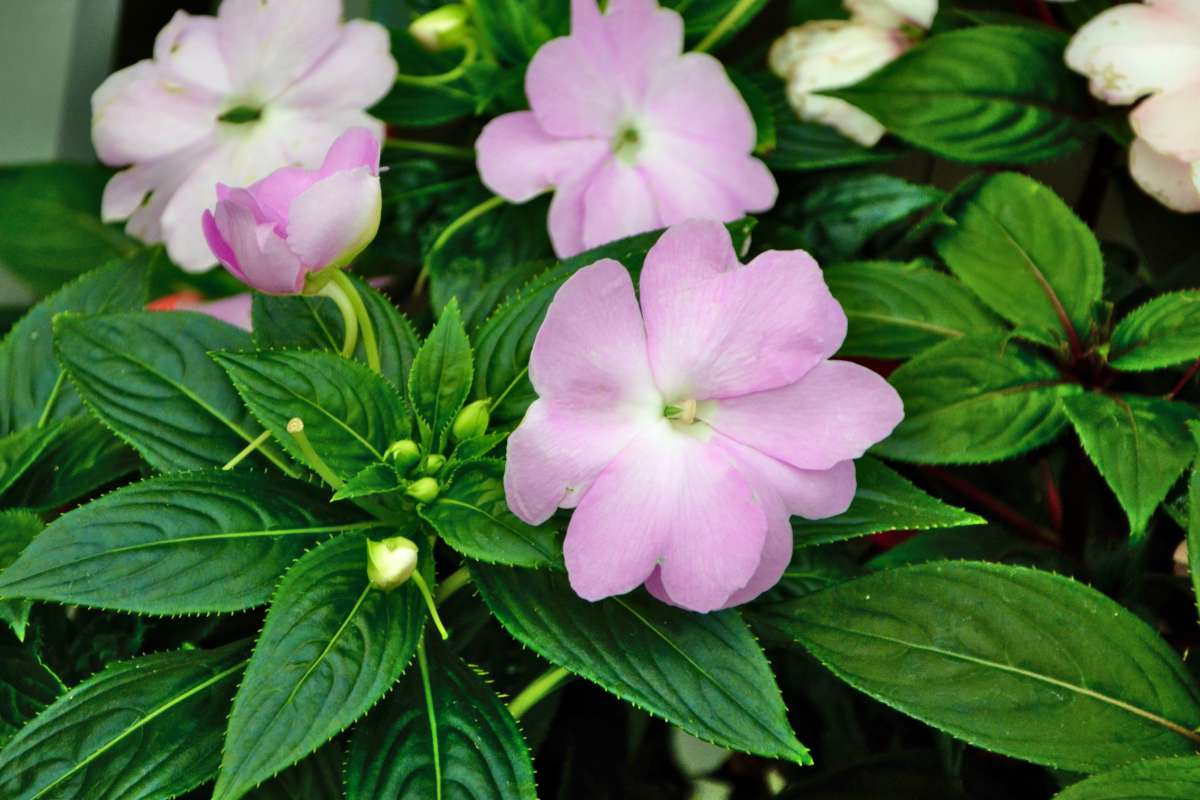
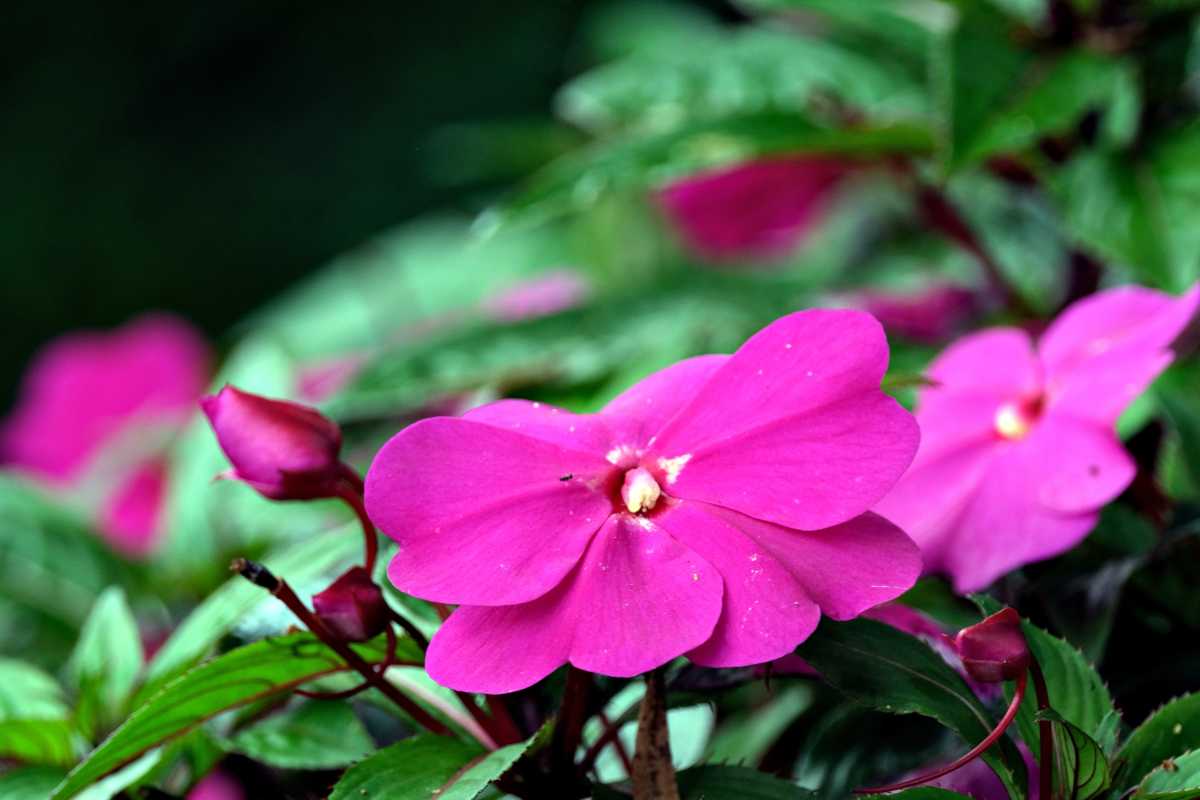
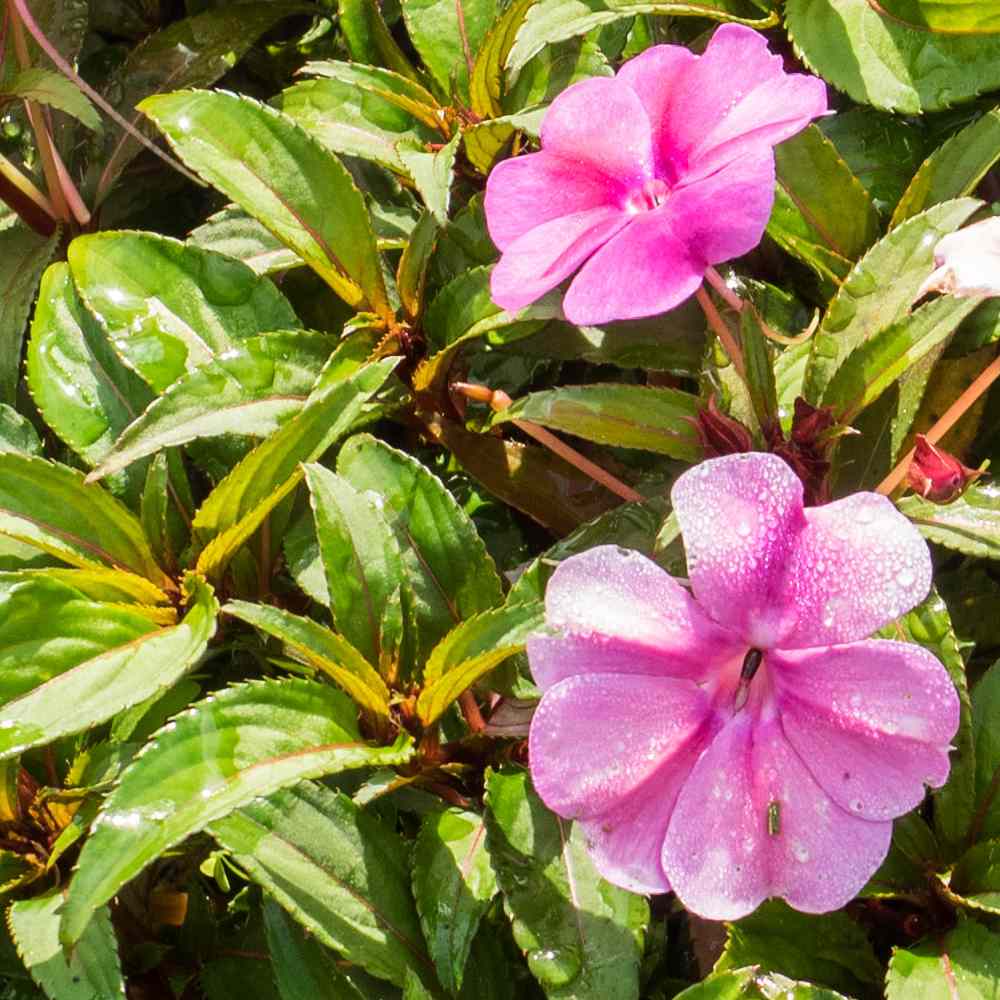
Bursting colours, and ripe seed capsules that burst open explosively at the slightest touch — that is impatiens (Impatiens walleriana), best known for decorating flower beds, garden boxes and pots for many months in a row. Give them shade or part shade and humus-rich soil, and 8 to 10 plants to the square yard create amazing ground cover.
Impatiens at a glance
Name
Impatiens
Family
Balsaminaceae
Type
perennial grown as an annual
Height
8 to 16 inches (20 to 40 cm)
Exposure
part sun and shade
Soil
ordinary
Flowering
late spring to early autumn
You can thus decorate your flower beds, garden boxes and pots for many months in a row.
Planting impatiens
Named varieties worth seeking out include the Super Elfin series and Imara XDR, both bedding impatiens for the shade or part shade beds, garden boxes and pots where 8 to 10 plants to the square yard give amazing ground cover.
The planting of impatiens purchased in nursery pots is performed in spring.
Prefer shade or part shade.
One variety, Impatiens hawkeri or New Guinea impatiens tolerates sun.
The soil must contain a lot of humus.
Plant at least 8 to 10 specimens to a square yard (1 m²) to create amazing ground cover.
Mix your earth with flower plant soil mix and water generously to make the flower-bearing abundant.
For impatiens purchased as seeds, you can sow directly in the plot from mid-spring onwards but be careful in case of frost spells to protect your seedlings.
If you want to plant impatiens in the sun, select sunpatiens.
Choosing the right impatiens variety
Bedding impatiens are sold as series rather than single plants, and the differences that matter are height, how much sun they take and whether they resist downy mildew. Use the table below to match a series to the spot you have in mind.
Choosing the right impatiens variety
Variety
Flower colours
Downy mildew resistance
Divine
Orange, cherry, violet, white
Not affected
Super Elfin XP
White, pink, salmon, red, violet
Low
Beacon
Red, coral, salmon, white
High
Imara XDR
Orange, red, pink, white
High
Caring for and pruning impatiens
Impatiens care is child’s play and no pruning is actually required.
Water regularly in case of heat wave.
Adding flower plant fertilizer will enhance the blooming but you’ll still have flowers if you don’t fertilize.
Nonetheless, in pots or garden boxes, you can amplify the aesthetic appeal and stimulate budding of new flowers if you remove wilted flowers regularly.
Pinch out the growing tips of young impatiens plants to encourage side shoots, giving a bushy, densely flowered mound instead of a few tall stems bare at the base.
If stems grow leggy and flower only at their tips, cut them back by about a third; impatiens break readily from lower buds and soon flower again.
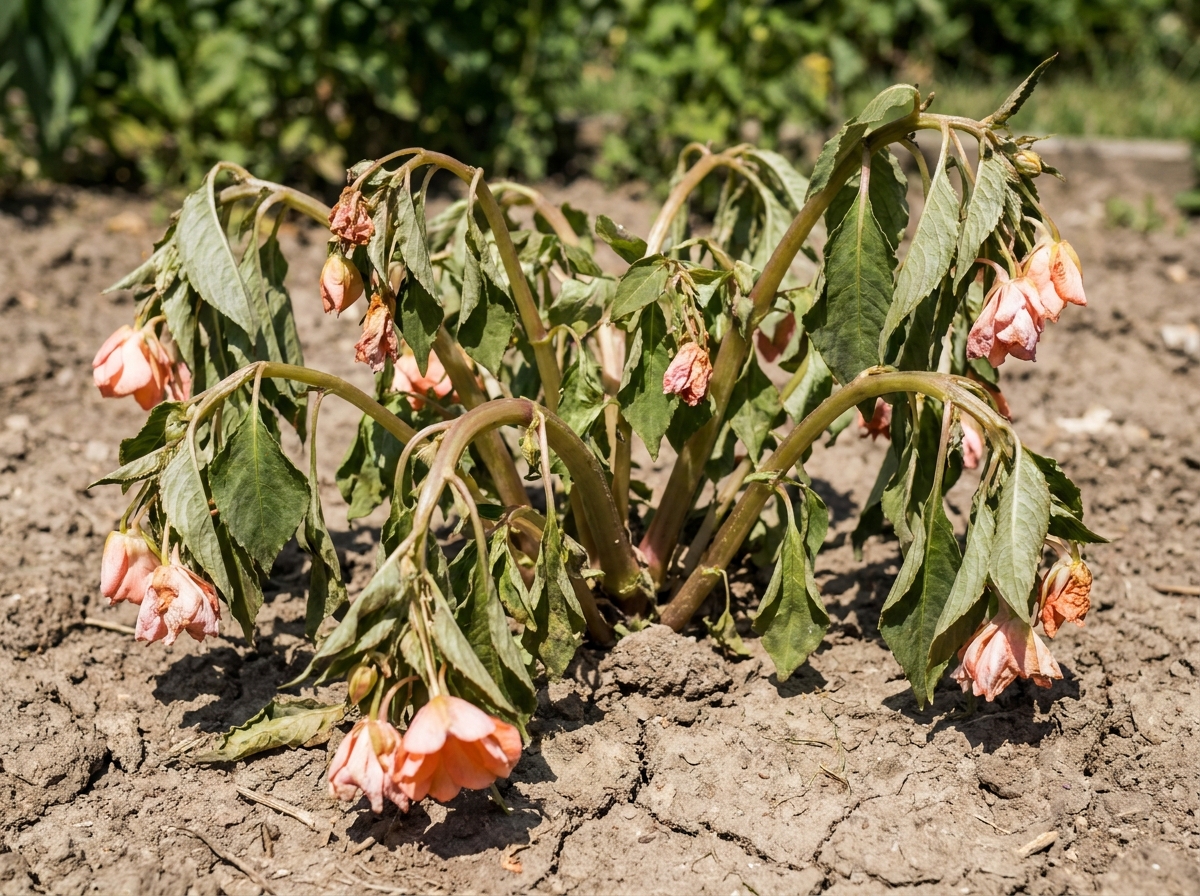
Pots and garden boxes dry out faster than open ground, so push a finger an inch or two into the compost and water when it feels dry at that depth, since impatiens wilt dramatically when thirsty.
Impatiens stem cuttings root easily in a simple glass of water, an easy way to multiply plants for free and keep young ones indoors where winters are cold.
All there is to know about the impatiens
Being very ornamental thanks to its bursting colors, this perennial or annual blooms remarkably in flower beds and garden boxes.
Care is elementary and growth is quick.
Don’t be surprised if your Impatiensdon’t grow back from one year to the next because they fear the cold.
They’ll survive winter only where winters are mild.
You might however try growing them in pots to bring them inside your house during the coldest months.
If this is the case, reduce the watering to only once a month during the winter dormant phase.
If holes appear on the leaves, be on the lookout for slugs because they love impatiens and you must act fast.
Disease and enemy of impatiens
Although generally not so vulnerable to diseases and parasites, occasionally you’ll notice an invasion of red spider mites and aphids on your impatiens.
Watch for impatiens downy mildew, which shows as yellowing, cupped leaves with a fine white felt on their undersides and ends with the flowers and leaves dropping to leave bare stems.
Plants struck by downy mildew cannot be cured, so pull them up with their roots and bin them rather than composting, and grow something other than impatiens in that spot afterwards.
Red spider mites thrive in hot, dry air, so raising ambient humidity may help, though misting offers only brief relief; inspect leaf undersides regularly for fine webbing and pale stippling.
Water impatiens at the base rather than over the leaves, and clear away fallen flowers and dead foliage, because moisture trapped in crowded growth invites grey mould on stems and blooms.
Impatiens troubles: what to look for and what to do
Impatiens are rarely troubled, but three culprits account for nearly all the damage. Use the signs on the plant to tell them apart before acting.
Impatiens troubles: what to look for and what to do
Culprit
Sign on the plant
What to do
Slugs
Holes appear on the leaves
Act fast, they are very fond of impatiens
Red spider mites
Occasional invasion of the plant
Apply the method for fending off red spider mites
Aphids
Occasional invasion of the plant
Apply the method for fighting aphids off
Apart from these, impatiens are generally not so vulnerable to diseases and parasites.
Smart tip about impatiens
During the blooming, feel free to water regularly but not too much to keep just the right moisture level.
Written by Gaspard Lorthiois | Loves helping out, especially when it comes to growing things. Worked in herbal medicine, runs a farm, and dabbles in tech. Master's degree and engineer.