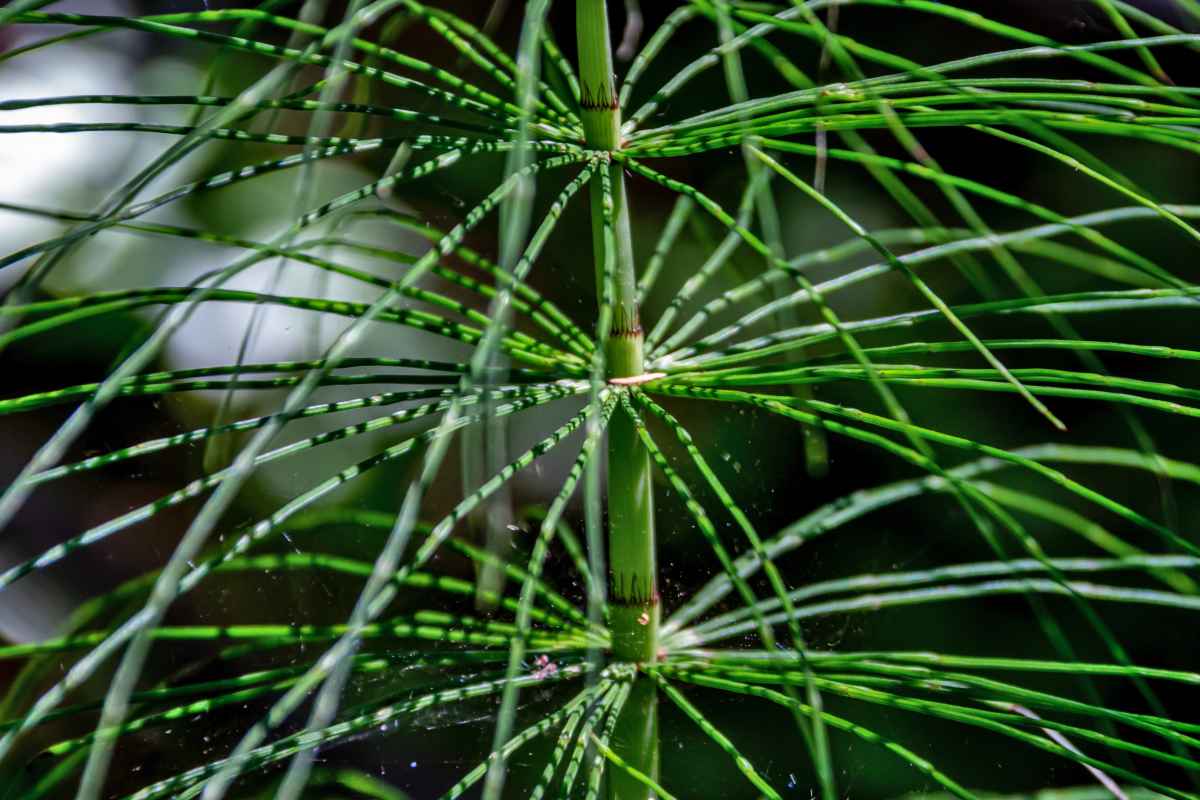
Leafless green stems, ringed and jointed like tiny conifer branches, rise to a metre and stay green all year: Japanese horsetail (Equisetum japonicum) makes a graphic, dense screen beside a pond or in a pot. Give it permanently wet ground — and a buried barrier, since it runs.
The more seductive giant horsetail, on the other hand, deserves a place of honor in a damp corner of the garden or along the edge of a pond: its graphic, pattern-like design is very trendy.
Horsetail comes to us straight out from prehistorical times. It has been found in fossils dating back to the Paleozoic era; in those days, it grew to over 30 feet (10 meters) tall! Its health benefits brought the medical field forward. Since 40% of it is composed of silica, its often used for its diuretic, remineralizing and tonic properties.
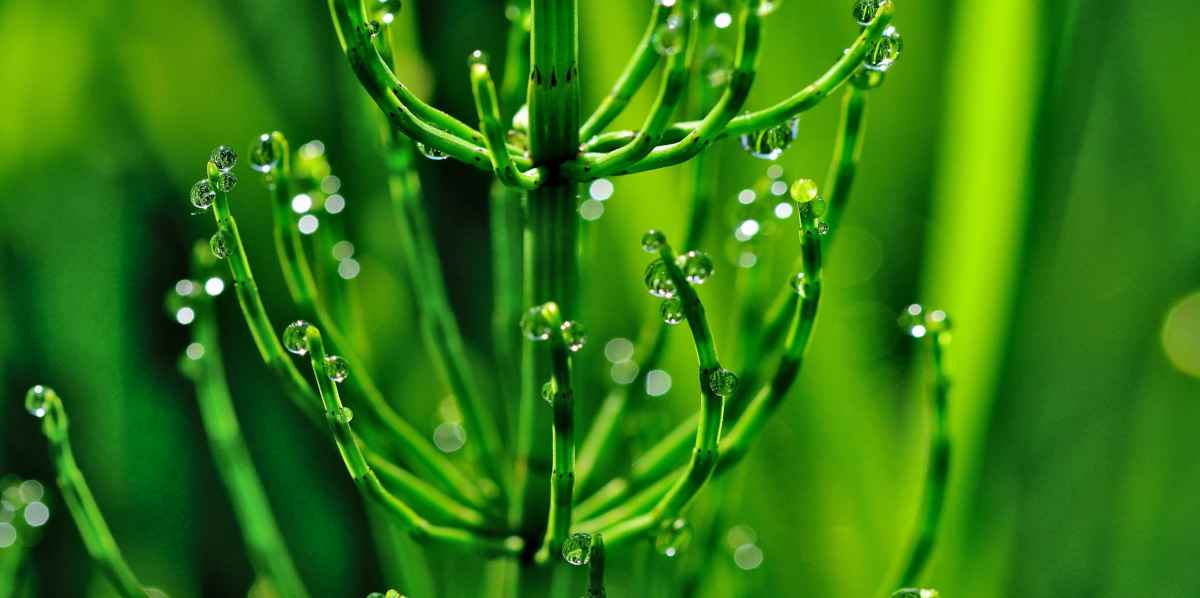
Horsetail simply loves growing around the edge of water, be it a basin, a pond, or at least a soggy spot of ground if the soil is sandy or clayish. It can also be set up directly in water, growing from the bottom, in sun or in part sun. Another option is to grow horsetail in a pot, provided you water it often.
Just as for bamboo, it can grow to be rather invasive, so it’s best to lock it in with a wall of stone or bricks down to around two feet (50 centimeters) deep. A simpler solution would be to plant it in a large zinc vat (bucket, pail, laundry basin for instance) that is buried down to ground level. That would make it easier to keep the soil moist.
Horsetail wants its feet in the wet, but it also runs. The situations below are the ones described in this article, from an open pond margin to a sunken container that holds the rhizomes in.
| Situation | How it is set up | What it needs |
|---|---|---|
| Edge of a pond or basin | Planted in the soggy ground beside the water | Sun or part sun, on sandy or clayish soil that stays damp |
| Straight into the water | Set in place so that it grows up from the bottom | Sun or part sun |
| In a pot | Container near a window or out on the balcony | Watering very often |
| Buried zinc vat | Bucket, pail or laundry basin sunk down to ground level | The simplest option, and it keeps the soil moist |
| Behind a buried barrier | Wall of stone or brick about 50 cm deep | Digging out and building the barrier before planting |
Whichever situation you pick, damp soil and some form of containment are what make horsetail a pleasure rather than a chore.
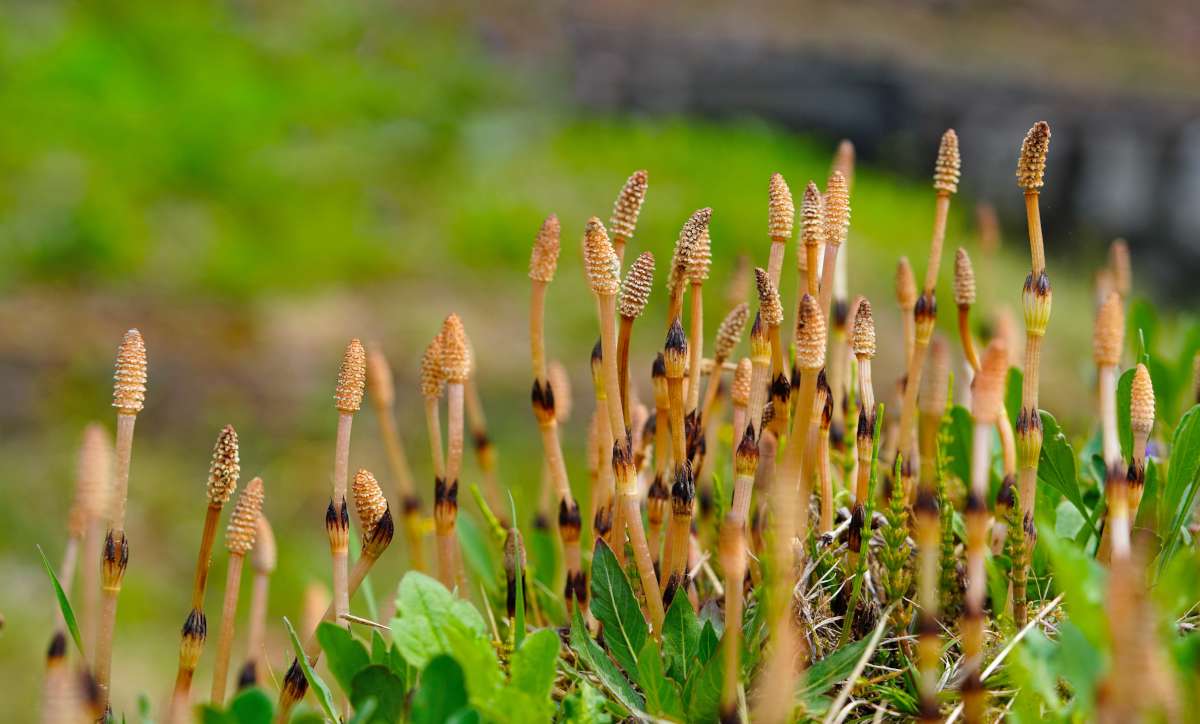
There are 25 horsetail varieties. The most common one, often growing spontaneously in gardens, is Equisetum arvense, also called field horsetail. It grows to a height of 20 to 32 inches (50-80 cm) and gardeners often consider it a hassle.
A second look at it, though, shows it to be a botanical marvel given its far-reaching ancestry, and it also makes for an excellent fungicide either as a decoction or a fermented tea.
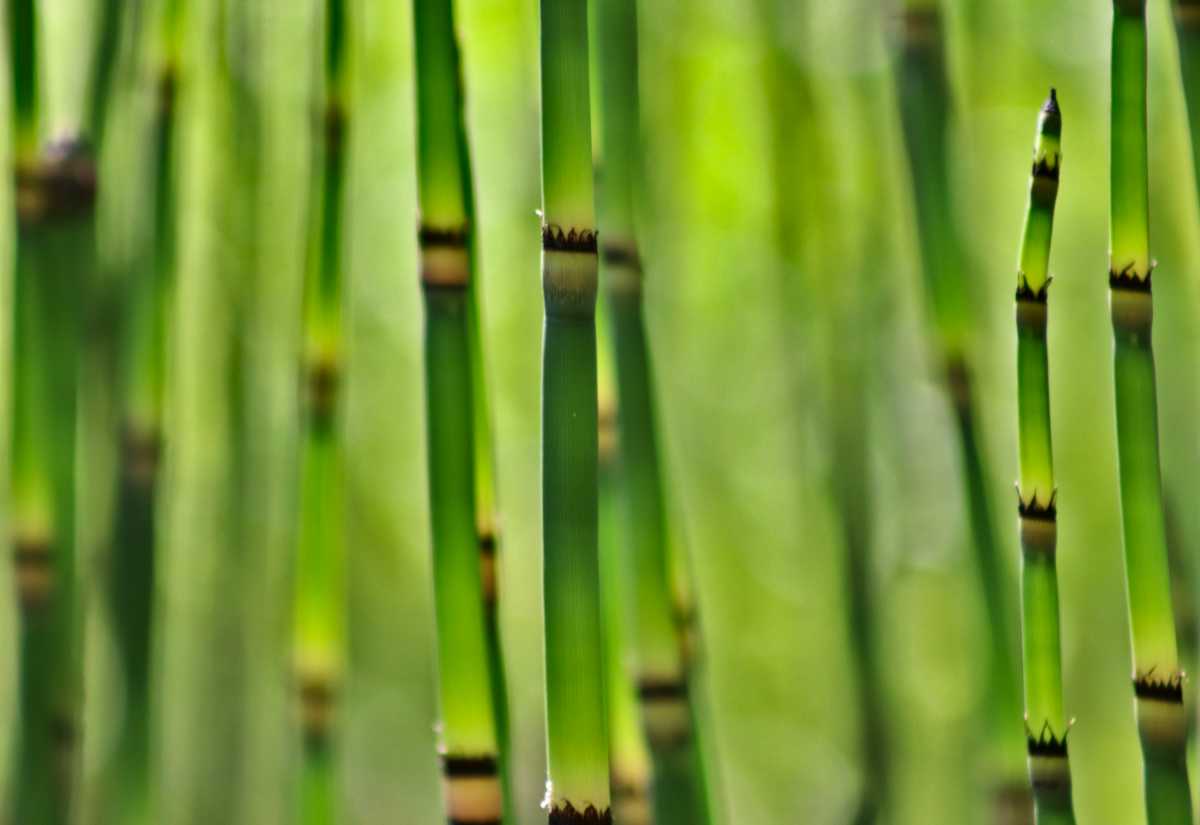
It resembles a small conifer, well, at least a small branch from a conifer. This plant is a perennial with a running rhizome. It doesn’t bear any flowers, nor does it fruit: spores are how it reproduces.
Much more appealing is Equisetum japonicum. Easily found in horticulture stores, it has a very trendy, modern look.
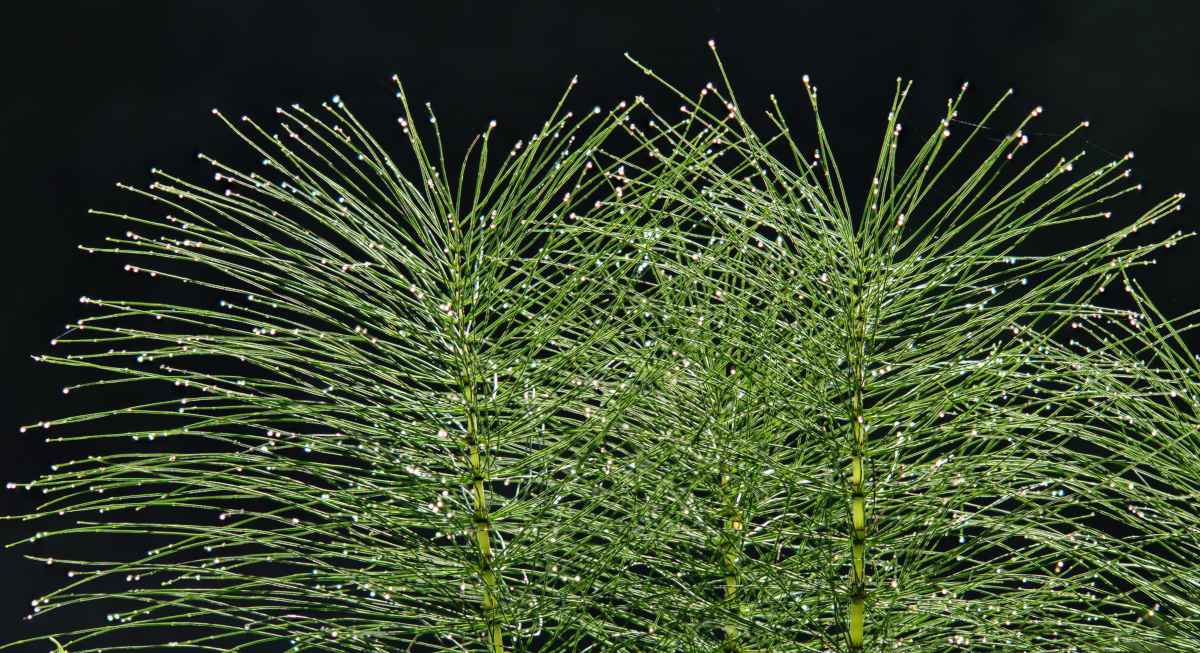
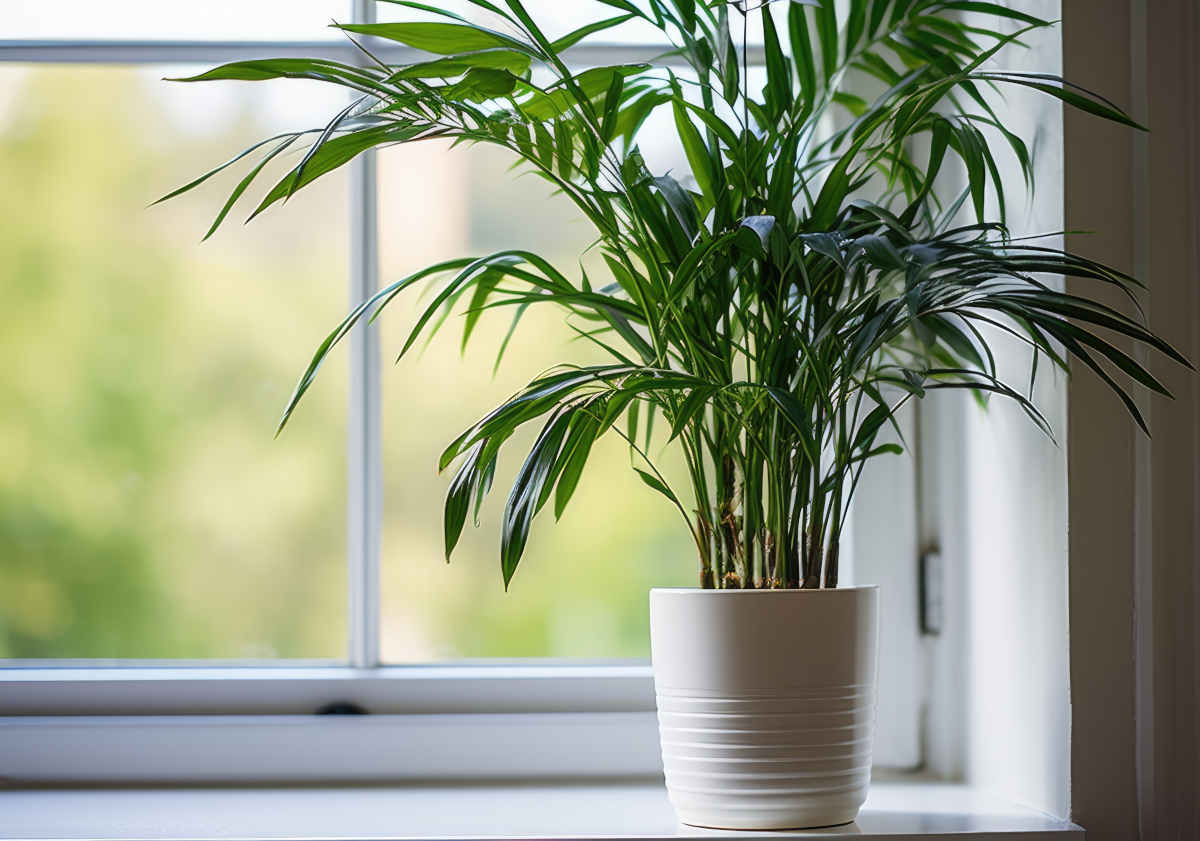
It is elegant in the garden and just as striking in a pot, near a window or on the balcony. It will quickly grow to create a dense, opaque fence that, although quite short, 24 inches to 3 feet (60 cm to 1 m) tall, will stay green all year round. In spring, on female stems, spore-bearing panicles appear which are pale yellow. They release the spores to the wind.
Marie Etavard