Fargesia, the dense-growing bamboo that’s perfect for privacy
·
0
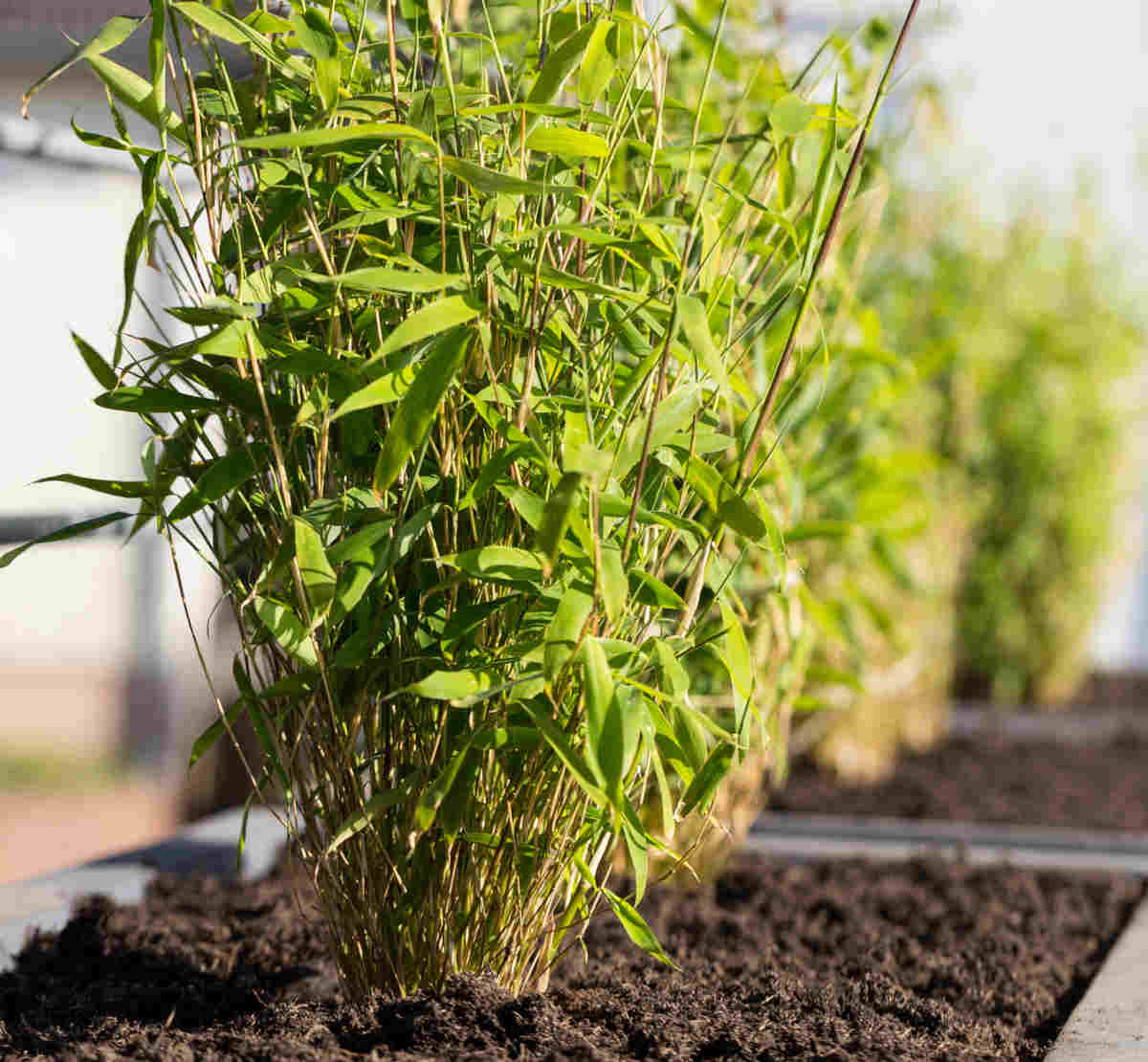
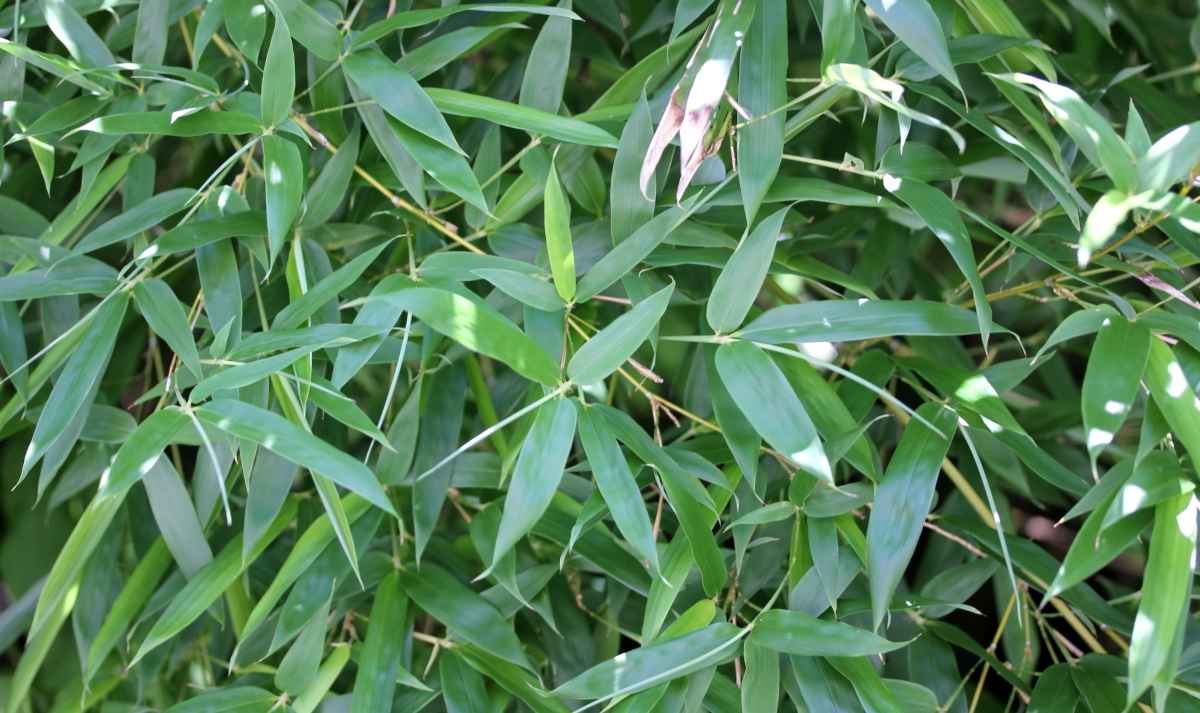
Tight, clump-forming stalks carry elegant, thin green leaves that roll into tubes the moment the plant runs short of water. This non-invasive bamboo, Fargesia, is the ideal candidate for a privacy hedge, in the ground or in pots — keep the soil cool and well-draining, out of full sun, and it screens densely.
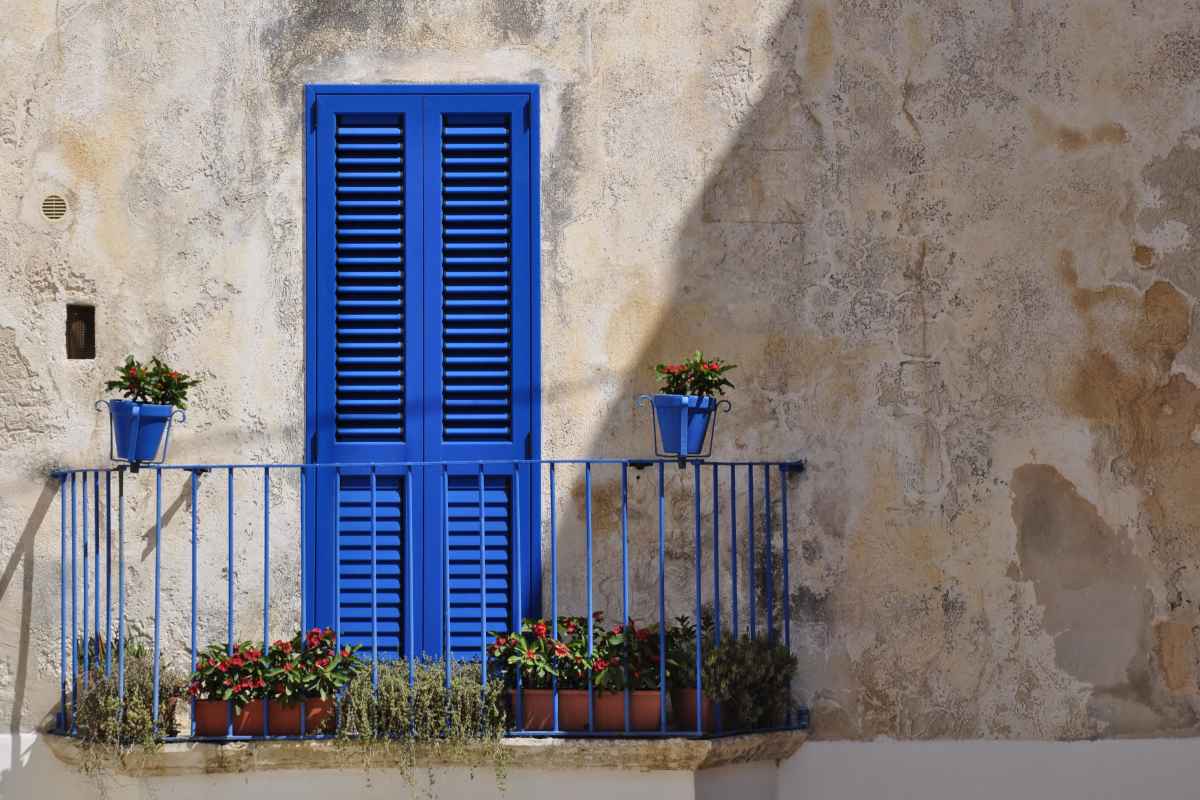
It can be planted just as well in the ground in the garden as it can in pots on a terrace or balcony. Learn how to grow Fargesia to add a touch of Zen to your landscaping.
Bamboo loves cool and well-draining soil, and it hates drought. Apart from robusta species, it’s better to avoid planting Fargesia in full sun: part sun is better.You can align your potted bamboo on a terrace to form a hedge, cluster them to form dense miniature forest, or line the edge of a body of water. It’s preferable to plant in spring between March and May, once any risk of freezing has passed. It’s possible to plant Fargesia in summer, but then work in the evening and make sure you’re present to water often with abundance.
How to plant it?
Set the root crown level with the surrounding ground
Soak the root ball in a pail of water.
Dig a hole at least twice as large as the clump
Add a shovelful of compost to your garden soil
Spread a layer of gravel along the floor of the hole
Cover with a layer of soil
Position the bamboo in the hole, at a depth that matches the root crown with the surrounding ground level
Backfill and press down, shaping the soil into a bowl around the stems
Water generously
Fargesia in pots for decks and balconies
In pots, water often to keep the substrate moist
Again, layer the bottom of the pot with clay pebbles to reduce the risk of having a waterlogged pot.
Use a substrate that is a mix of plant-based soil mix and rose tree soil mix.
For mulch, go ahead and splurge for pine bark, it will give the soil a little more acidity: Fargesia loves that.
In a pot, soil dries out much faster than in the ground, so schedule regular watering.
A good way to reduce this chore is to bury an olla in the pot: it will slowly release water and only needs refilling every couple days.
Caring for Fargesia
Fargesia needs cool, even slightly moist soil. Also, avoid full sun which would dry the soil up too fast.
Spread a cover of mulch around and between your bamboo stems to lock moisture in and keep it warm in winter.
Water often in order to keep the substrate moist.
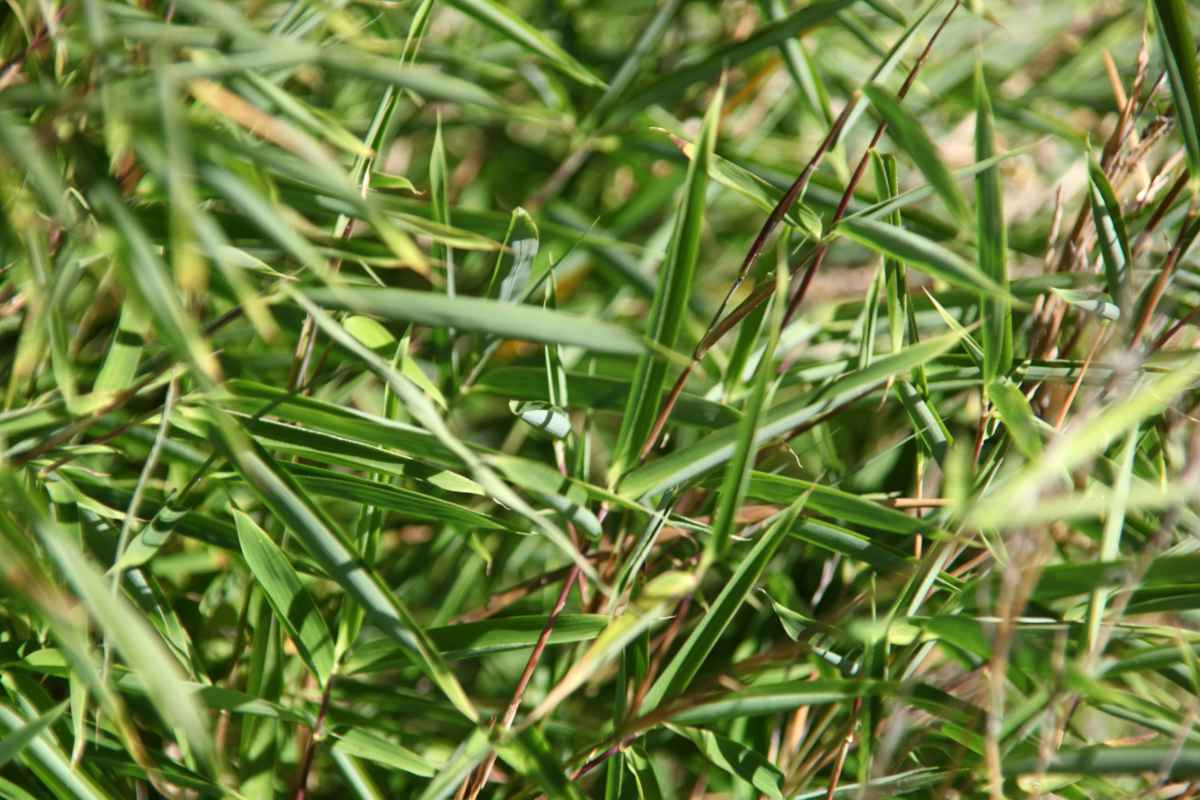
A key symptom of lacking water is easy to spot: leaves start curling into tubes. A sure sign you have to water very soon!
Every year in spring, remember to add natural organic fertilizer, especially if you’re growing it in a pot or container.
How to prune Fargesia?
Late winter: remove dried and overcrowded stalks
At the end of winter, the time is ripe for a little bit of basic maintenance pruning for your Fargesia. Remove stalks that have dried out. If two or three are growing very close together, nearly touching, keep only one and remove the others.
For hedges, prune extra leaves back to make it look more row-like during summer. Other than that, no other pruning is needed, as long as you’ve given your bamboo enough space for it to develop.
Fargesia hedge
Plants set 50 cm apart close the gaps in time
As a hedge, Fargesia is a good choice provided you’ve got quite a large garden. Indeed, the final height of the hedge will be that of the bamboo itself! You can’t prune or shorten it without making the hedge look hacked at.
At the beginning, space individual plants out by about 1½ feet (nearly 50 cm). They’ll fill the space between them in every year. Make sure you have access to the back side of the hedge to prune it symmetrically.
Which Fargesia suits your space?
The five bamboos described below differ mostly in final height, stem colour and habit — and since a Fargesia hedge ends up as tall as the plant itself, height is the first thing to settle. Use this table to match a species to the room you actually have.
Which Fargesia suits your space?
Species
Height
Habit
Standout feature
Fargesia rufa
8 ft (2.5 m)
Stocky, thick clump
Copper-coloured stalks with dense green leafage
Fargesia robusta
Nearly 10 ft (3 m)
Very upright, arching higher up
Best sun tolerance and fast growth
Fargesia murialae
Not stated
Umbrella-like, weeping
Very hardy; shines in shrub beds and beside water
Fargesia scabrida
10 ft (3 m)
Long, thin stems
Stems open bright green, then turn violet red
Fargesia papyrifera ‘Blue Dragon’
Nearly 20 ft (6 m)
Tall and upright
Blue-green stems with a near-metallic sheen
Whichever you pick, give it the space it needs from the start: no pruning will make a Fargesia shorter than it wants to be.
Fargesia varieties
There are different varieties, each of which has specific ornamental attributes. Here is our small selection:
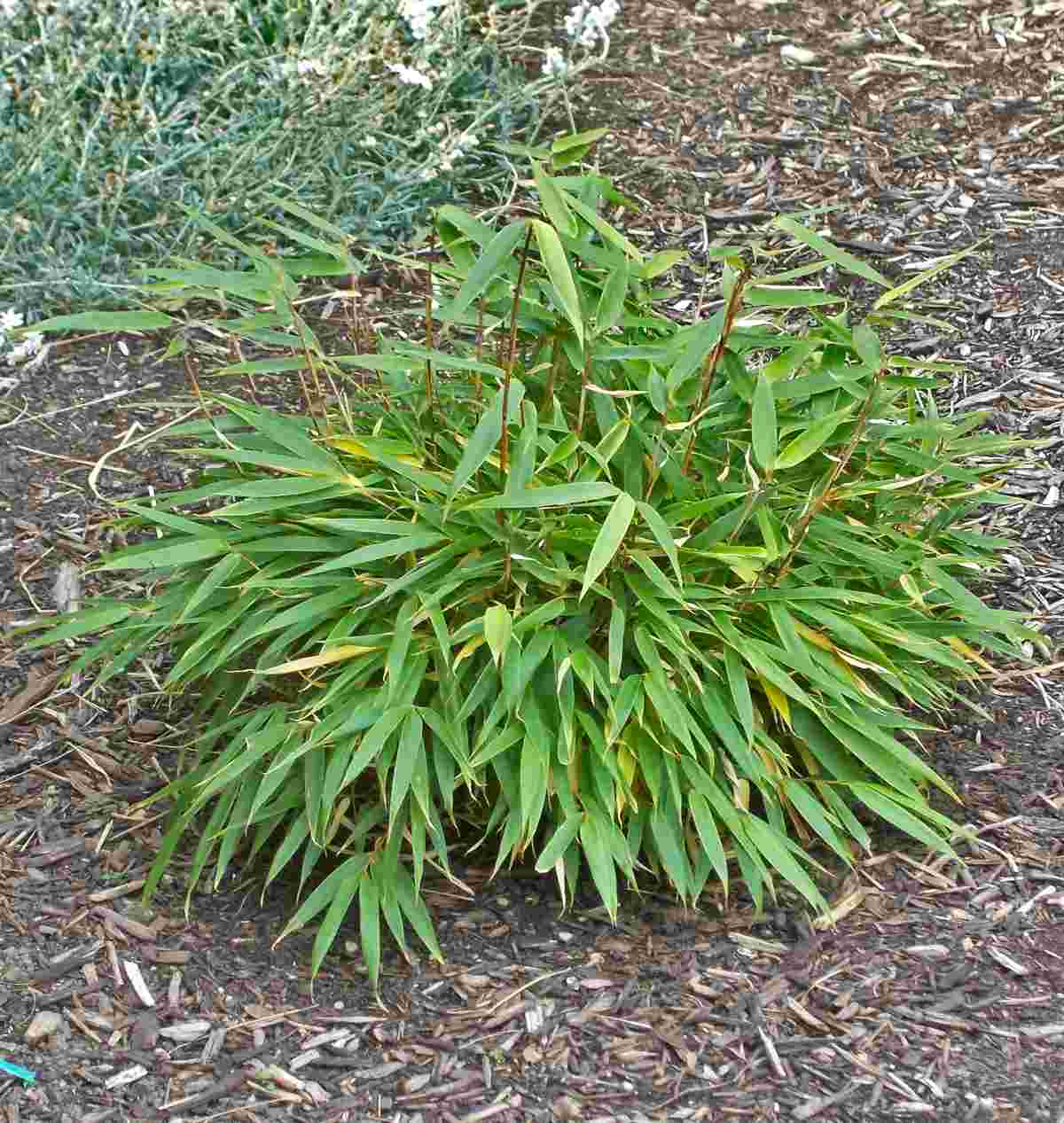
Fargesia rufa: this small bamboo tops out at 8 feet tall (2.5m) and has an overall stocky, thick silhouette. Its copper-colored stalks bear dense, green leafage.
Robusta handles sun best and grows fast
Fargesia robusta
: towers to nearly 10 feet/3 meters tall, with corms that start out very upright and then begin to arch further up. This species resists the sun best and has a fast growth rate.
Fargesia murialae: also called weeping bamboo: it has an umbrella-like silhouette. Very hardy, it’s magnificent in shrub beds and near a body of water or fountain.
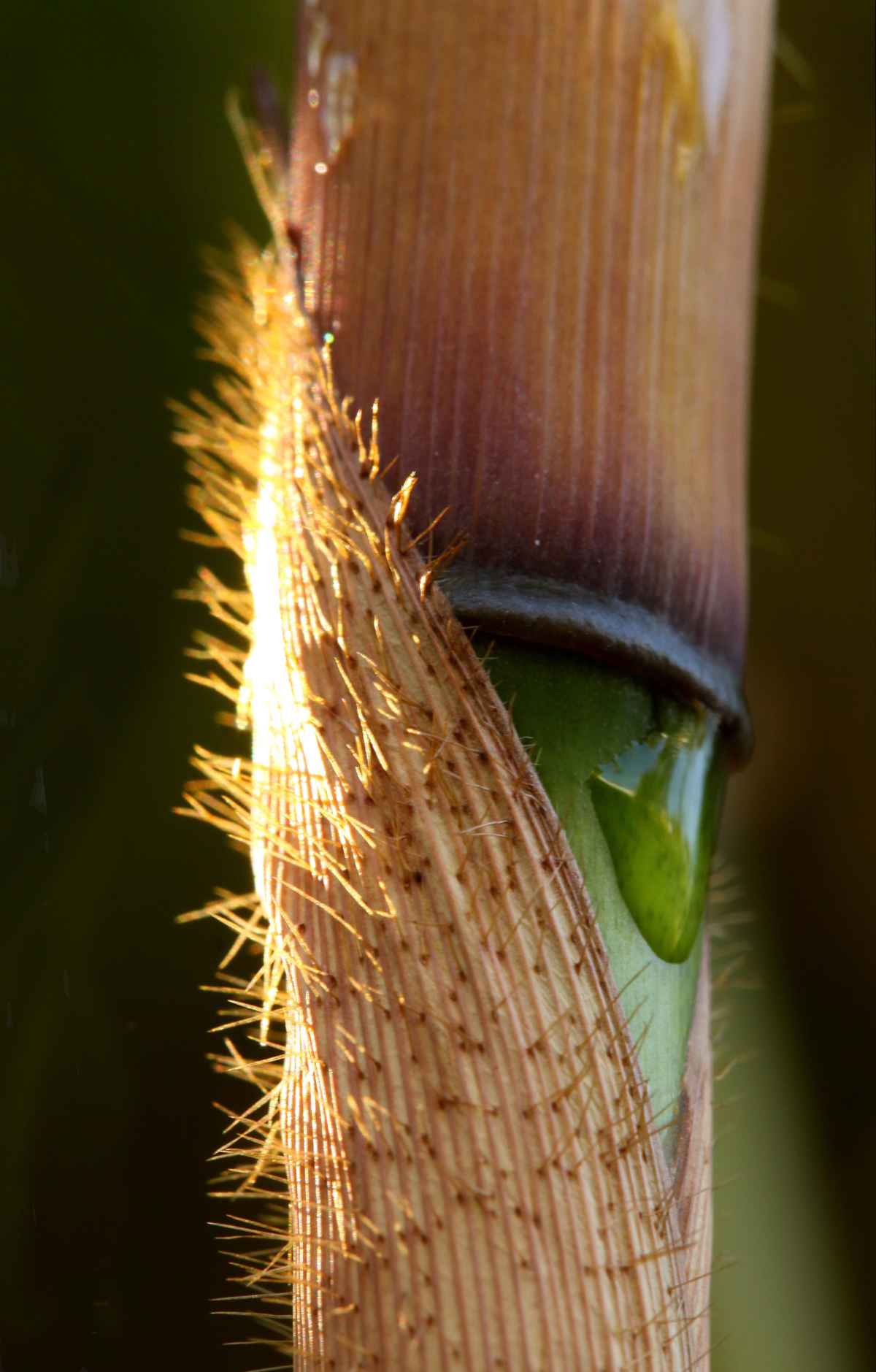
Fargesia scabrida: its long, thin stems emerge bright green, then turn violet red. They highlight the intense green foliage and also climb to 10 feet tall (3 meters).
Fargesia papyrifera ‘Blue Dragon’: this original bamboo has blue-green colored stems with a nearly metallic sheen. The color wears off as the stalks age, but still a few blueish streaks remain, pairing well with average green leaves. This variety is among the taller ones, reaching nearly 20 feet (6 meters).