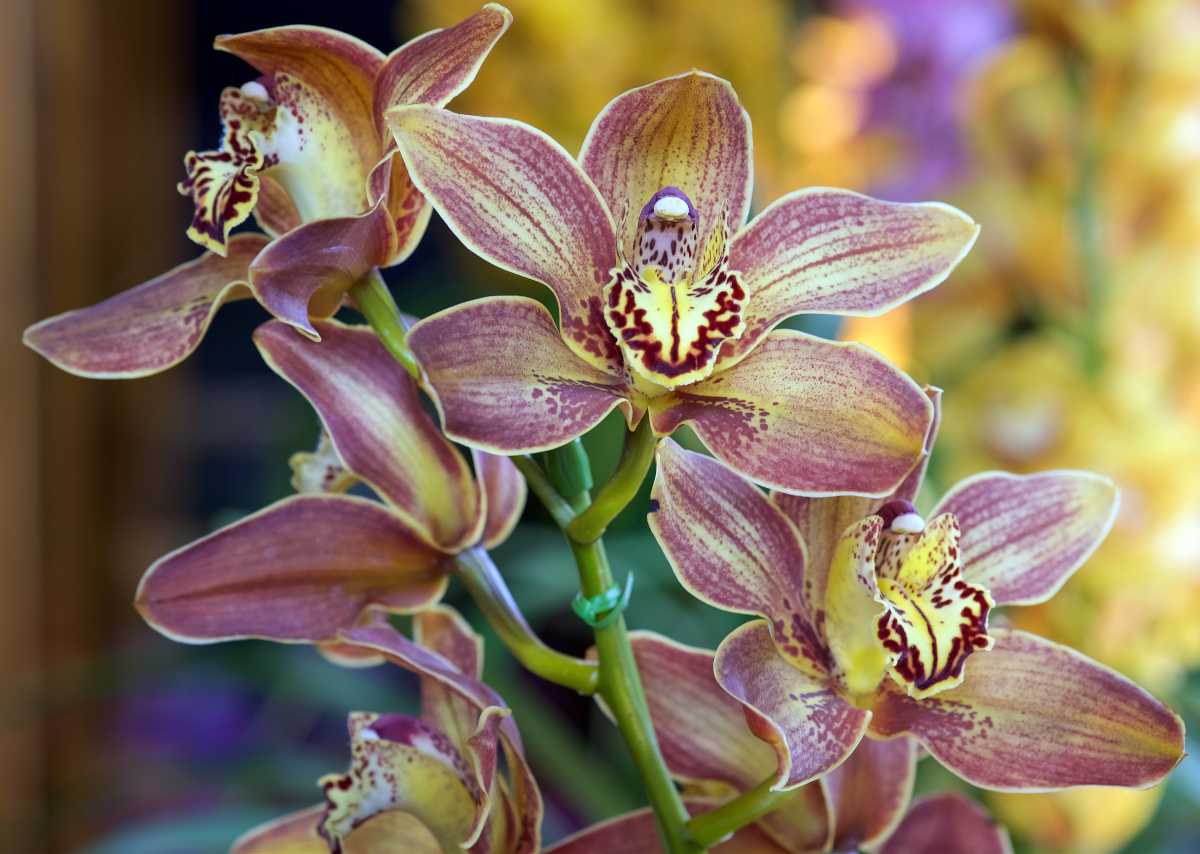
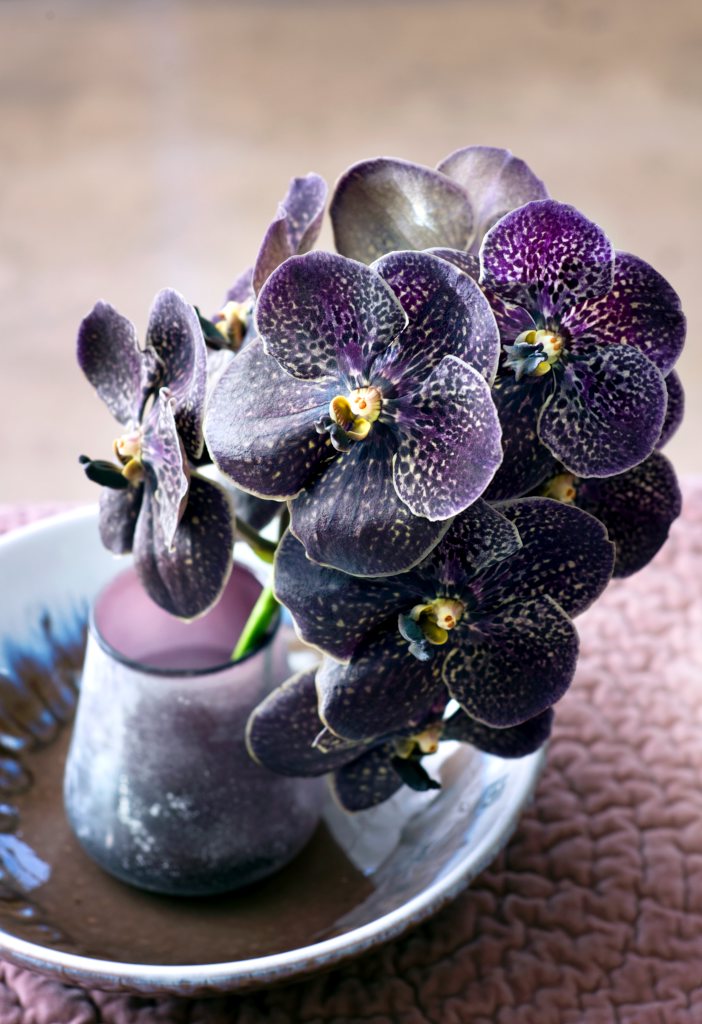
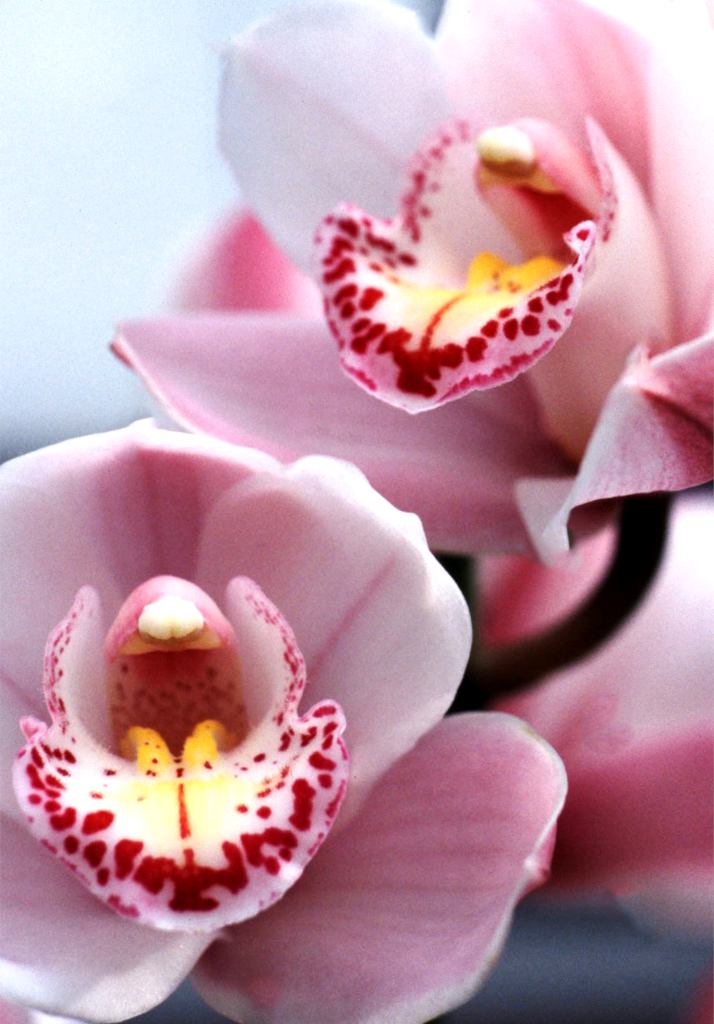
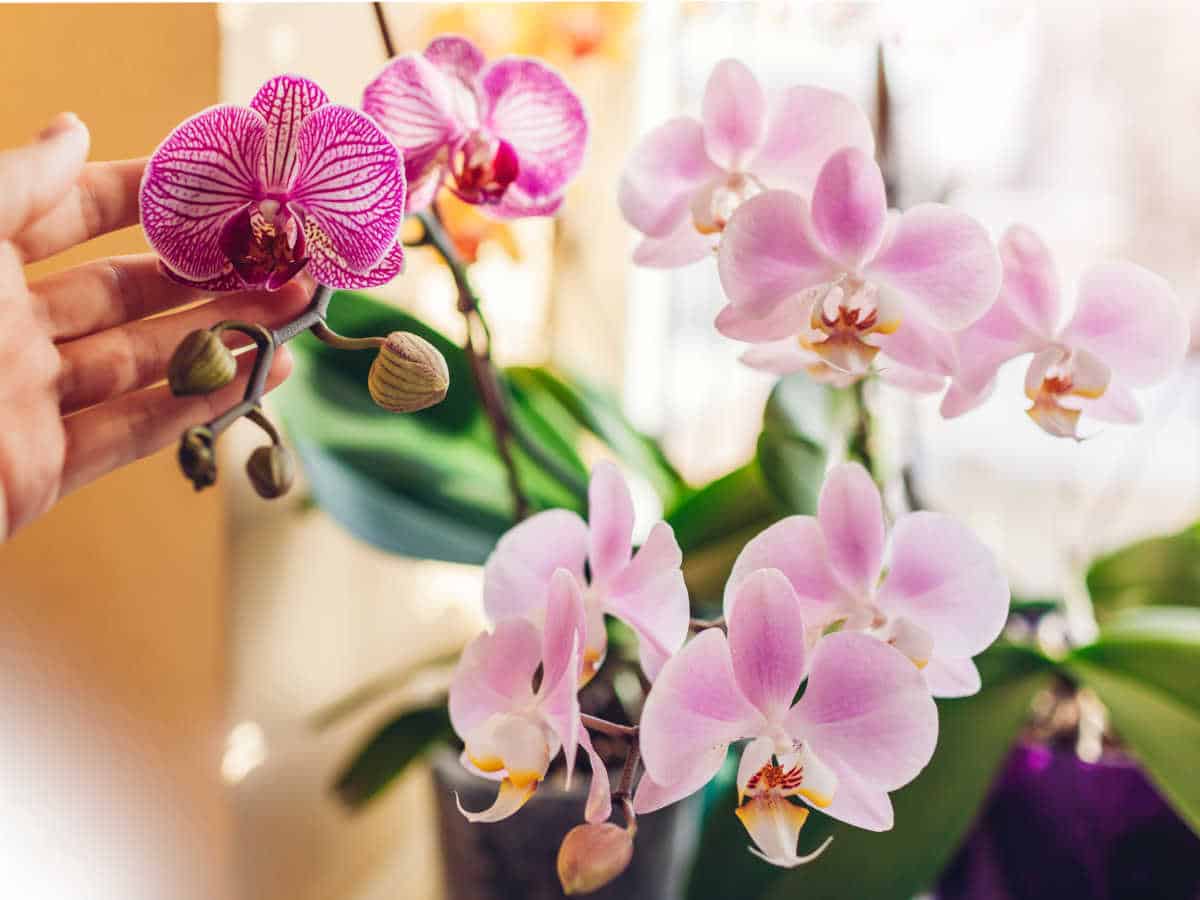
Bunches of bright, colourful flowers open deep in winter and hold for weeks on end: the cymbidium is among the easiest orchids to grow, kept indoors in the cold months and set out in the shade of a terrace in summer. Give it a luminous spot with no direct sun and it will decorate a room for months.
Deep into winter is generally when its magnificent blooming is appreciated, with its bunches of bright colorful flowers.
This is an easy plant to care for and it will decorate your home for months on end.
Placing your cymbidium orchid in the right spot
The place your cymbidium orchid is set in is essential for it to develop in a harmonious manner.
The ideal temperature range is from 40°F to 50°F (18°C to 21°C).
Considered to be an indoor plant, cymbidium will also be quite happy outdoors during the summer months.
In summer, you can thus bring it out in the shade on your balcony, deck or terrace, in the garden.
In any case, select a luminous location but without any direct sun.
Bring the pot back indoors before the first frosts, since cymbidium foliage and flower buds are damaged by freezing temperatures.
Use the leaves as a light gauge: a healthy cymbidium has pale, yellowish-green foliage, while very dark green leaves mean the spot is too dim for flowering.
Blooming of cymbidium
Blooming lasts several weeks, then the flower wilts
After a few weeks of nice blooming, the flower wilts and you might wonder if it will ever bloom again.
This is perfectly normal, since blooming can last for several weeks, but there comes a time when it must end.
The cymbidium orchid can bloom again after its first bearing of flowers.
The floral scape usually appears when the temperature difference between day and night can distinctly be felt (usually in fall).
Wait for May before adding any fertilizer again.
Bring your orchid out then, but shelter it from direct sun during the hottest hours.
Slowly increase the frequency of the watering from late spring to early autumn.
Watering cymbidium
Cymbidium orchid cherishes moisture, and needs to be watered often but without forgetting that the root area must stay clear of water or the roots will rot.
It is thus best to water abundantly and then let excess water drip off into a sink for example.
In spring and summer, you can water 2 times a week especially if the weather is hot.
In winter, watering twice a month is enough.
Regularly mist water on the leaves.
If the tap water in your area is very hard, best select rainwater or mineral water because orchid is very sensitive to it.
Watering and adding fertilizer to cymbidium
Potted plants need feeding as soil washes out
Cymbidium has a need for organic matter to support its rapid growth. Growing plants in pots usually means that fertilizer must be added to replenish the soil which naturally tends to wash out.
Provide leaf plant fertilizer while your cymbidium is developing (leaf growth), most often from late spring to early autumn.
Reduce the dose written on the fertilizer packaging by half.
Flush the pot through with plain rainwater every few waterings to wash accumulated fertiliser salts out of the bark.
Cymbidium through the year: watering, feeding and position
The care a cymbidium needs changes with the seasons, and the article sets out exactly what to do and when. This table gathers those instructions period by period.
Cymbidium through the year: watering, feeding and position
Period
Watering
Fertiliser
Position and what happens
Spring, from late spring
Around twice a week, watering abundantly then letting excess drip off
Start leaf plant fertiliser again, at half the dose on the packaging
Move the plant outdoors, sheltered from the sun in the hottest hours
Summer
Twice a week, more so in hot weather; mist the leaves regularly
Leaf plant fertiliser continues through the growth period
Outdoors in the shade, on a balcony, deck, terrace or in the garden
Autumn, to early autumn and after
Watering frequency has been built up to its peak by early autumn
Feeding runs most often from late spring to early autumn
The floral scape appears as day and night temperatures diverge
Winter
Twice a month is enough
None until late spring
Indoors in a luminous spot; this is when the main blooming is enjoyed
Repotting sits outside this cycle: it is done every two or three years, just as new roots appear.
Repotting cymbidium
Like all indoor plants, repotting is part of the cymbidium orchid’s life cycle and it supports its root system.
Repotting is important. This step usually is performed every 2 or 3 years and is critical to ensure continued development of your plant.
Observe the bottom of the pot in order to visualize if roots still have space to grow.
Repot just when the plant is producing new roots.
Wait for a full month before adding any fertilizer again.
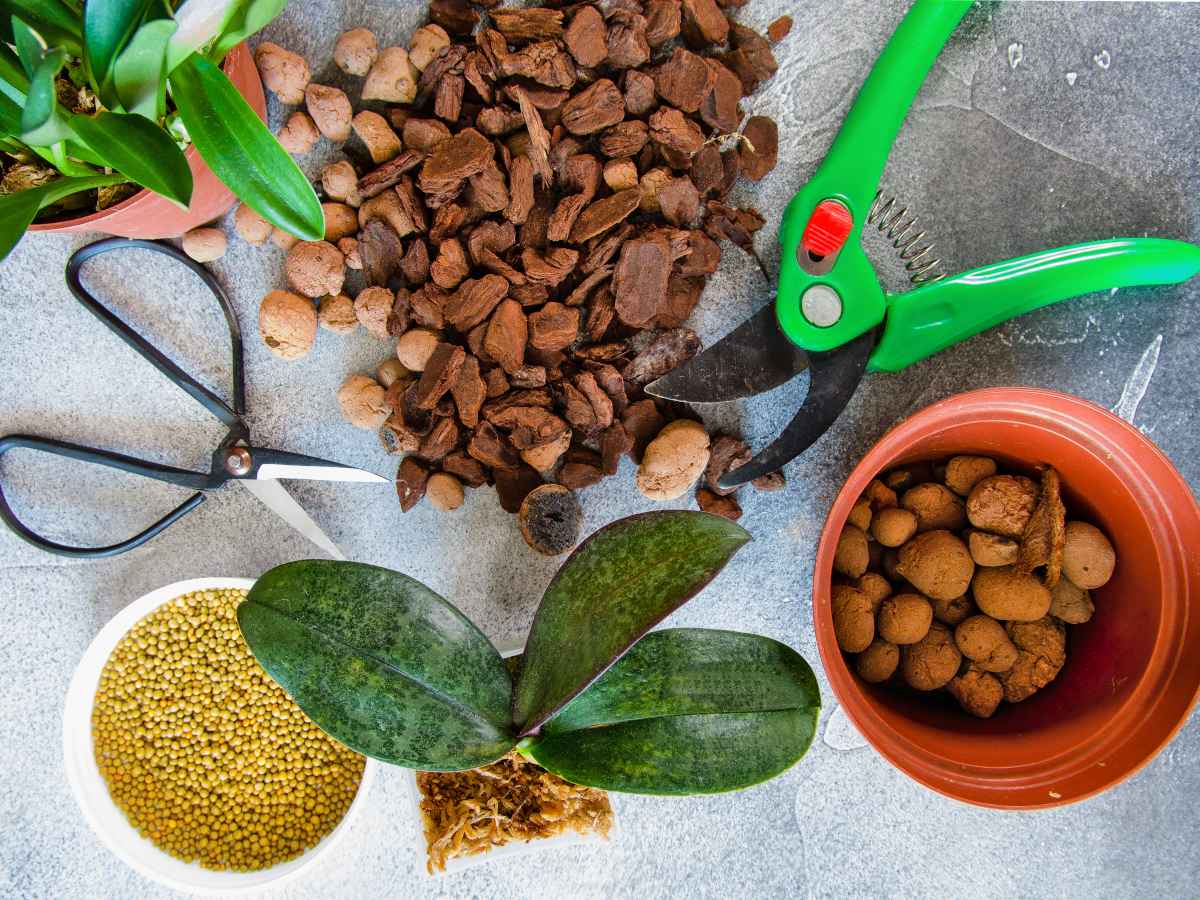
Use a free-draining bark-based orchid compost rather than ordinary potting compost, which holds too much water around cymbidium roots; as semi-terrestrial plants they suit a finer, more moisture-retentive mix than epiphytic orchids.
Image credits (edits Gaspard Lorthiois): Flower Council Holland
Pixabay: Takashi Murakami
shutterstock: Paul Atkinson
Written by Gaspard Lorthiois | Loves helping out, especially when it comes to growing things. Worked in herbal medicine, runs a farm, and dabbles in tech. Master's degree and engineer.