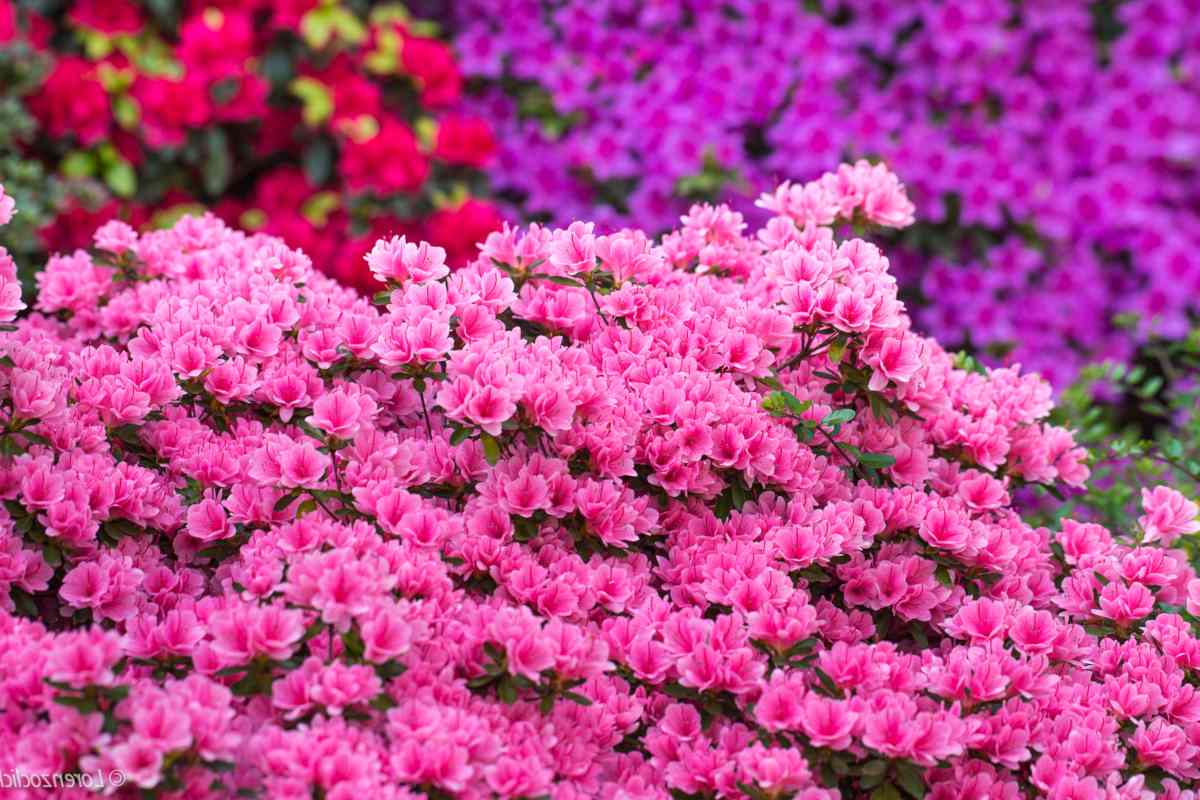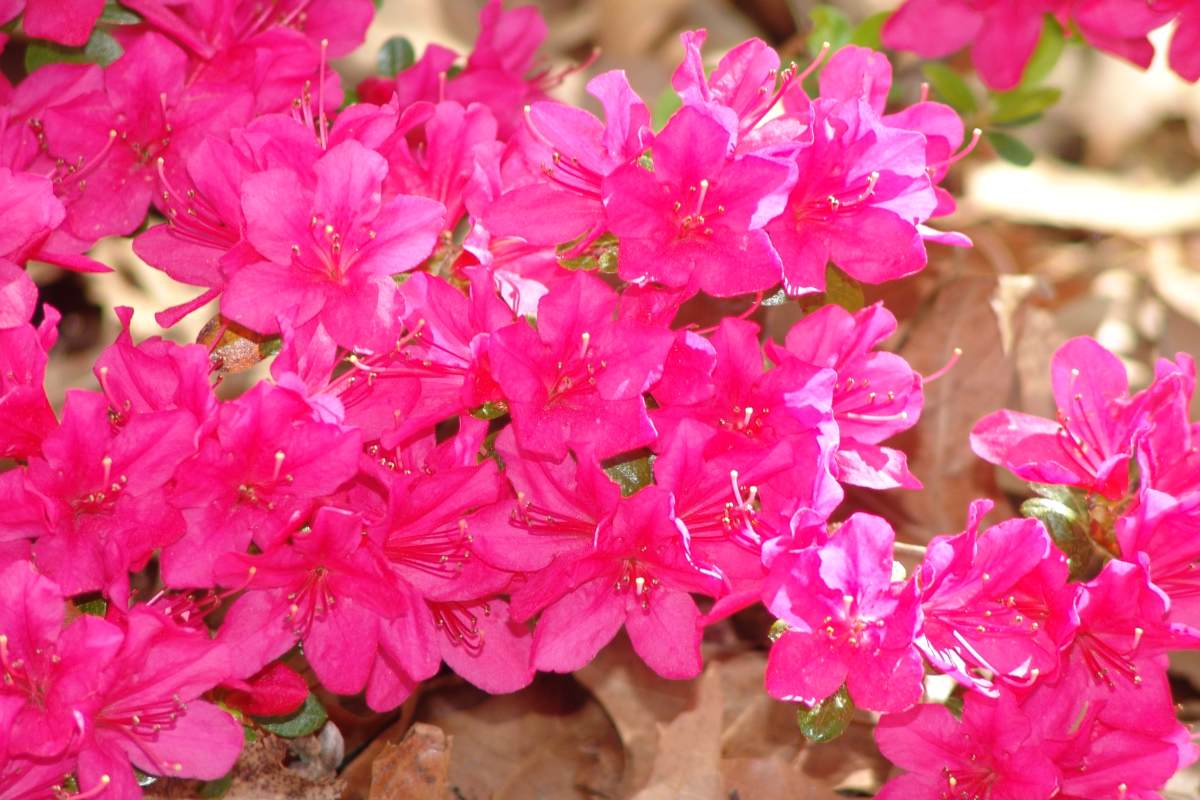
Abundant flowers over evergreen leaves, in hundreds of hues from blood-orange to white flecked with pink: the Encore azalea (Rhododendron) is bred to flower two or three times a year rather than once. Give it acidic soil that drains well but never dries out, and it will bloom in spring, summer and autumn, in shade or full sun.
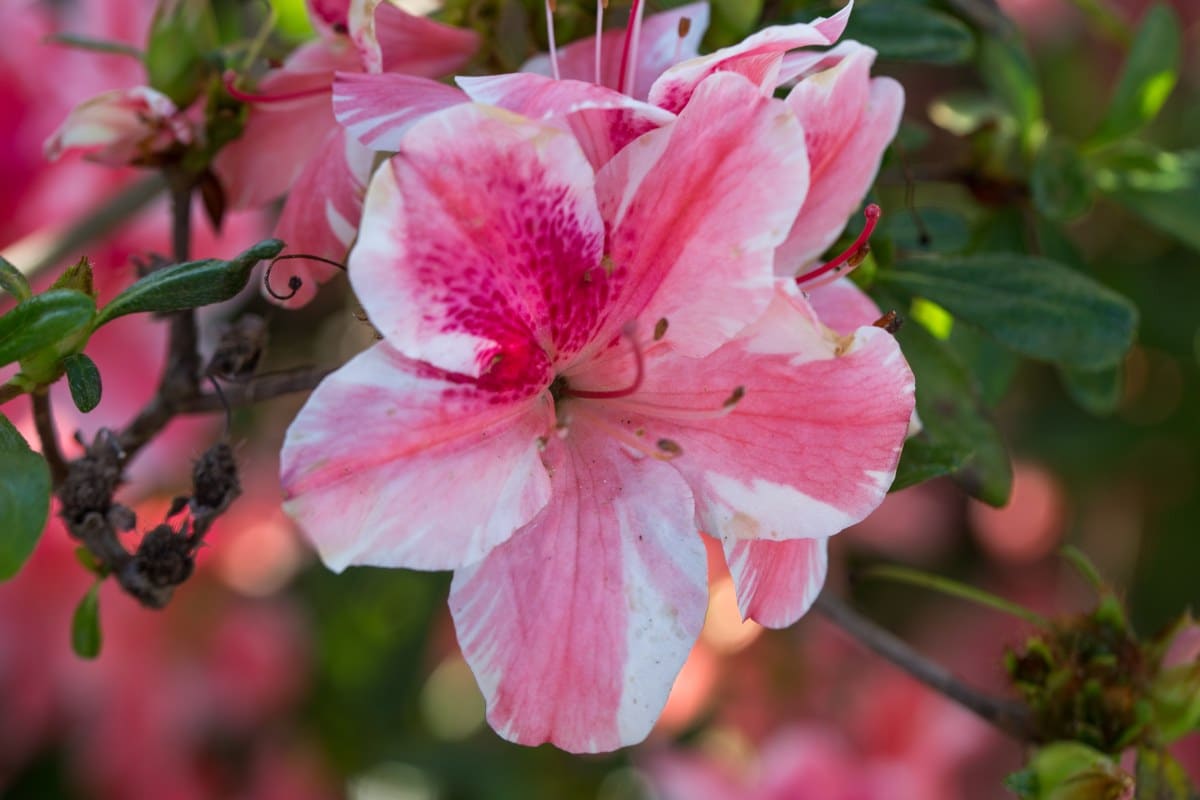
Abundant flowers and evergreen leaves, both of which come in hundreds of hues… the azalea truly is a magnificent shrub. Part of the vast Rhododendron family, it’s a prime favorite of many gardens. It has a vintage look that makes it a hot choice for people who don’t yet have one themselves!
Discover the new Encore® varieties. These are the result of multiple hybridization, and plant lovers will love it all the more for its characteristics.
Conventional azalea bloom for a short time in mid-spring to late spring, whereas the Encore series – French for “again” – naturally blooms several times within the year: in in Spring, from early spring to mid-spring, the first bloom virtually covers the bush.
Then, new flowers appear from midsummer to late summer, and even from early autumn to mid-autumn to late autumn, especially when there’s a lot of sun.
These second and third blooming seasons can also display quite a cover of flowers, even when planted only in a pot. It’s a truly remarkable flower.
Where an ordinary azalea gives one short display, the Encore series comes back two or three times over the season. Here is what each wave brings.
| Flowering wave | Timing | What to expect |
|---|---|---|
| Conventional azalea (for comparison) | mid-spring to late spring | A single, short-lived display |
| First wave (spring) | early spring to mid-spring | Flowers virtually cover the whole bush |
| Second wave (summer) | midsummer to late summer | A fresh crop of flowers, even on potted plants |
| Third wave (autumn) | early autumn to mid-autumn to late autumn | Best cover of flowers where there is plenty of sun |
Two or three flushes a year, in pots as well as in the ground, explain why the series spread across the planet.
The Encore range now runs to dozens of named varieties, but only a handful turn up regularly in garden centres and catalogues. The table below compares the most widely grown of them on colour, flower shape and final size.
| Variety | Flower colour | Flower form | Best use |
|---|---|---|---|
| Autumn Fire | Dark red | Semi-double | Front of border, edging |
| Autumn Royalty | Rosy purple | Single, very large | Back of a border, informal hedge |
| Autumn Twist | White striped purple | Single | Feature shrub, large pot |
| Autumn Sangria | Bright deep pink | Semi-double | Mixed border, foundation planting |
| Autumn Embers | Orange-red | Semi-double | Low border, container |
| Autumn Angel | Pure white | Single | Shady corner, low hedge |
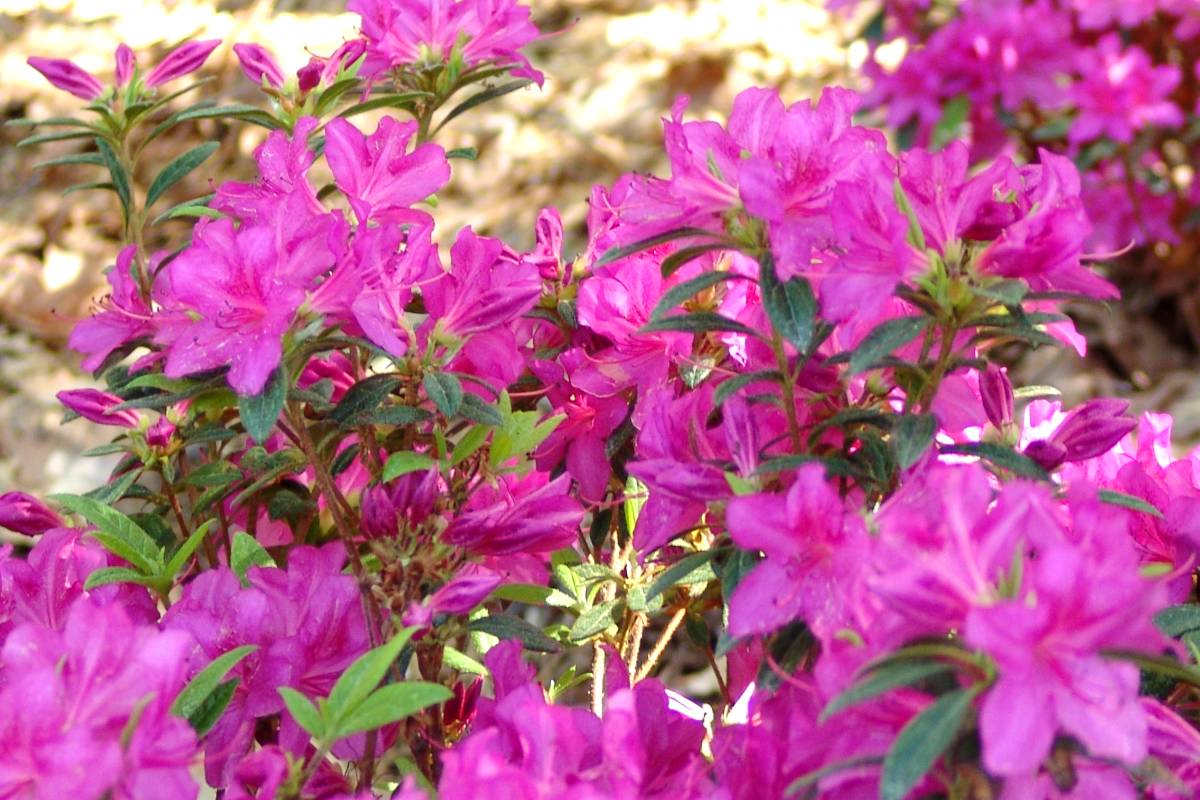
Let’s compare yet another trait of this new breed to its relative, the common azalea. Normally, azalea is known to prefer part shade. The Encore azalea, however, not only thrives in shade, it can also grow very well in full sun. A great way to add more fun to gardening, both in pots and in growing beds.
The series includes a number of different-colored varieties: raspberry pink for the Cardinal, light pink for the Débutante, flashy pink for the Sangria, blood-orange for the Sunset, white with pink comets for the Starlite…
Flowers are sometimes simple, double, or even semi-double. Most are low-growing, but some reach medium height and a few even get quite tall. Combinations ready to suit every garden!
As a last poetic tidbit, the traditional saying about Azalea goes thus: It’s the flower that symbolizes the first sign of true love.
Regarding care and maintenance, these varieties love acidic soil that drains well, though they don’t like drought. Give them a little fertilizer in Spring.
Claire Lelong-Lehoang
Pair it with the sun-loving Sunpatiens to create a full-sun garden bed with plants that should have been in part shade! Your neighbors will have trouble believing their eyes!