Dozens of the most popular garden plants are toxic to dogs and cats. Most owners only find out after a frightening emergency vet visit. The real mistake is not ignorance. It is assuming a plant is safe because it is sold in every garden centre. Here is the unvarnished truth. What is genuinely dangerous? What actually happens if your pet eats it? And exactly what to replace it with.
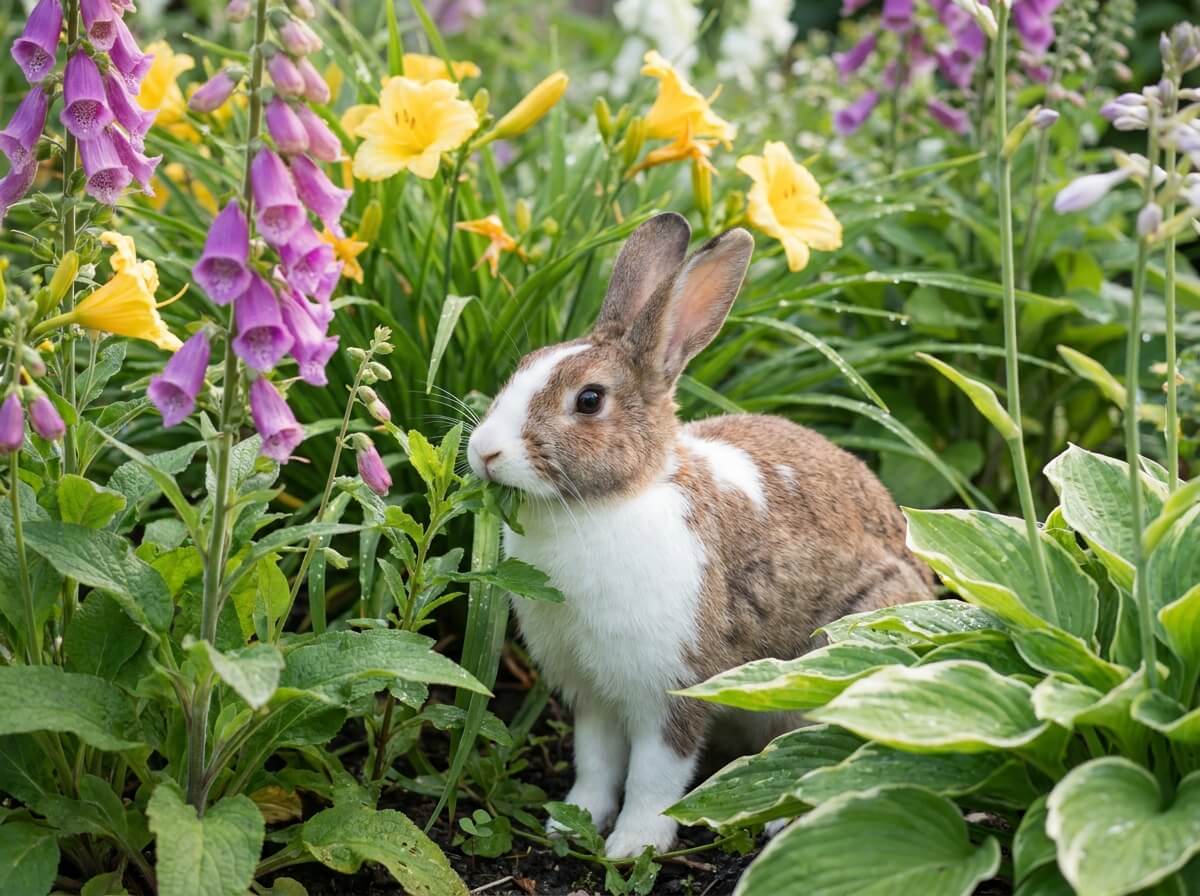
Foxglove, lily-of-the-valley, autumn crocus, rhododendron, and oleander. These are not exotic rarities. They are proper cottage garden staples, sold in every garden centre from Cornwall to California. But the dangers are real. Do not be fooled.
All of them contain compounds that can cause devastating harm to dogs and cats, ranging from violent vomiting to cardiac arrest. This is not a slight risk.
Lilies need highlighting for cat owners. The entire plant — flowers, leaves, pollen, even the water in the vase — is lethally toxic to cats. The RHS confirms that true lilies (Lilium) and daylilies (Hemerocallis) can cause acute kidney failure in cats within 24 to 72 hours of exposure. A cat that walks past a lily and licks pollen off its paw is already at risk. Yes, it is lethal. Skip them entirely.
For dogs, the bulb plants are the silent killers. Daffodil bulbs.
Tulip bulbs. Hyacinth bulbs. These are a genuine danger.
Dogs dig. That is not a bad habit. It is just what they do. And a freshly planted bulb bed in autumn is proper dodgy territory.
Symptoms of plant poisoning in pets do not always appear immediately. That delay is exactly what ambushes owners.
A dog eats lily-of-the-valley berries at 10am and seems fine. By evening, the heart arrhythmia begins. The clock is already ticking.
The window for effective treatment is narrow. So the ASPCA Animal Poison Control Center urges you to call their hotline (888-426-4435 in the US) or your vet the moment you suspect ingestion. Do not wait for symptoms to appear. In the UK, the Animal Poison Line (01202 509000) offers the same critical advice.
Do nothing and you risk permanent organ damage. Or worse. These plants are that deadly.
The only reliable solution is complete removal. Fencing off toxic plants seems practical, but dogs clear low barriers. They dig under them. And some toxic plants — like laburnum — drop seeds and pods that travel across the garden without any help whatsoever. So that is not a solution.
Replace high-risk plants with genuinely safe alternatives. The ASPCA database confirms these are all non-toxic to dogs and cats:
And yes, alliums of all kinds are toxic to both dogs and cats. That includes ornamental alliums like Allium giganteum, not just kitchen onions. Skip them entirely if you have pets. This is a non-negotiable rule.
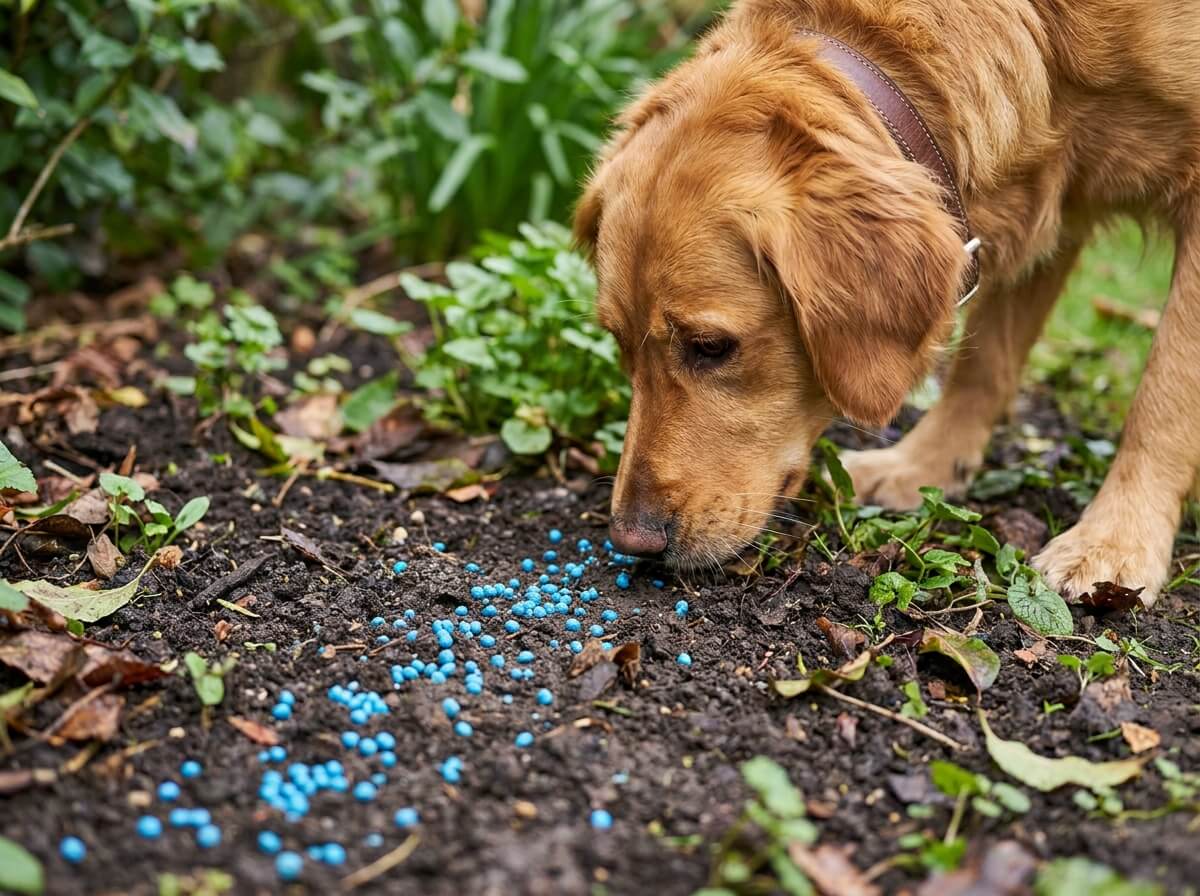
If you are also concerned about other hidden garden hazards, the article on slug bait and dogs: the garden danger most pet owners miss covers metaldehyde and ferric phosphate pellets — a risk that kills hundreds of dogs in the UK alone every year. So you must check that, too.
Spotting the symptoms fast can save your pet’s life. The most common signs of plant poisoning in dogs and cats include:
Any single symptom after time in the garden is enough reason to call a vet immediately. Bring a sample or photo of the plant if you can identify it. Even a partial identification accelerates treatment dramatically. The thing is, every second counts.
Southern Hemisphere gardeners: this applies equally to your winter garden in June. Many toxic plants flower in cool months. Pets spend more time indoors and in enclosed garden spaces during winter. This increases the chance of contact. Be vigilant.

Smart tip: Cross-reference any plant you are unsure about with the ASPCA toxic plant database before buying it.
True lilies (Lilium) and daylilies (Hemerocallis) are both fatally toxic to cats. Even tiny exposures cause kidney failure. Peace lilies (Spathiphyllum) are a different species. They cause irritation but are not usually fatal.
Call your vet or the ASPCA Poison Control hotline immediately. Do not wait for symptoms. Daffodil bulbs contain lycorine, which causes severe vomiting, low blood pressure and, in high doses, cardiac problems.
No. Dogs find bone meal irresistible. They will dig up freshly treated soil to eat it. Consuming large amounts causes a hard, cement-like mass in the stomach that can require surgery to remove.
Walk the garden with the ASPCA or RHS toxic plant list. Photograph everything you can not immediately identify. Pull off confirmed toxic plants completely, bulbs and all, before replanting with safe alternatives.