When the cucumber plants hit their stride in midsummer, they do not slow down. The harvest comes daily, sometimes twice daily. Eating them raw with salt only gets you so far.
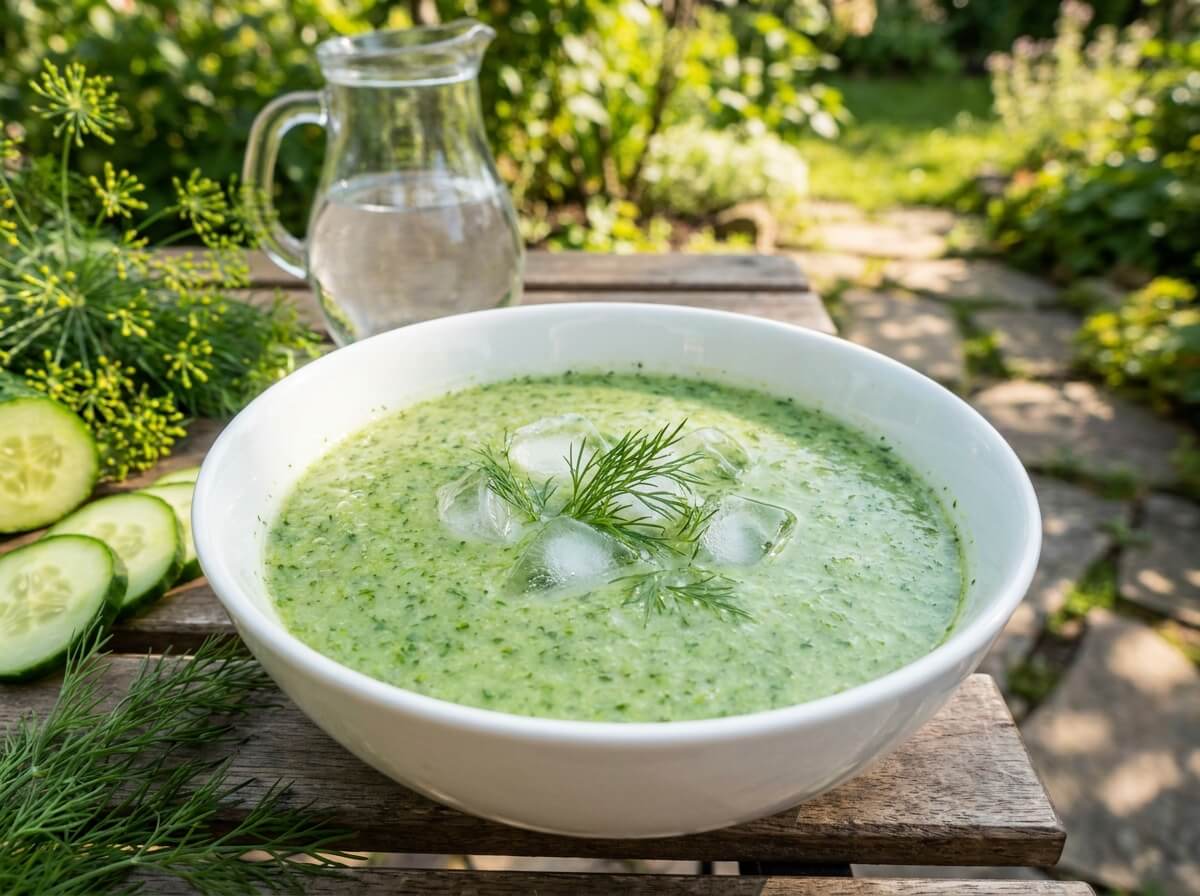
This chilled cucumber and dill gazpacho is the recipe for that moment — no heat, no fuss, ready in 15 minutes, and genuinely elegant. Cool, green, faintly herbal, and completely garden-driven.
The thing is, this is not an accidental pairing. Cucumber’s clean, watery freshness needs something with edge. Dill — with its anise-adjacent, slightly grassy sharpness — provides exactly that without overwhelming.
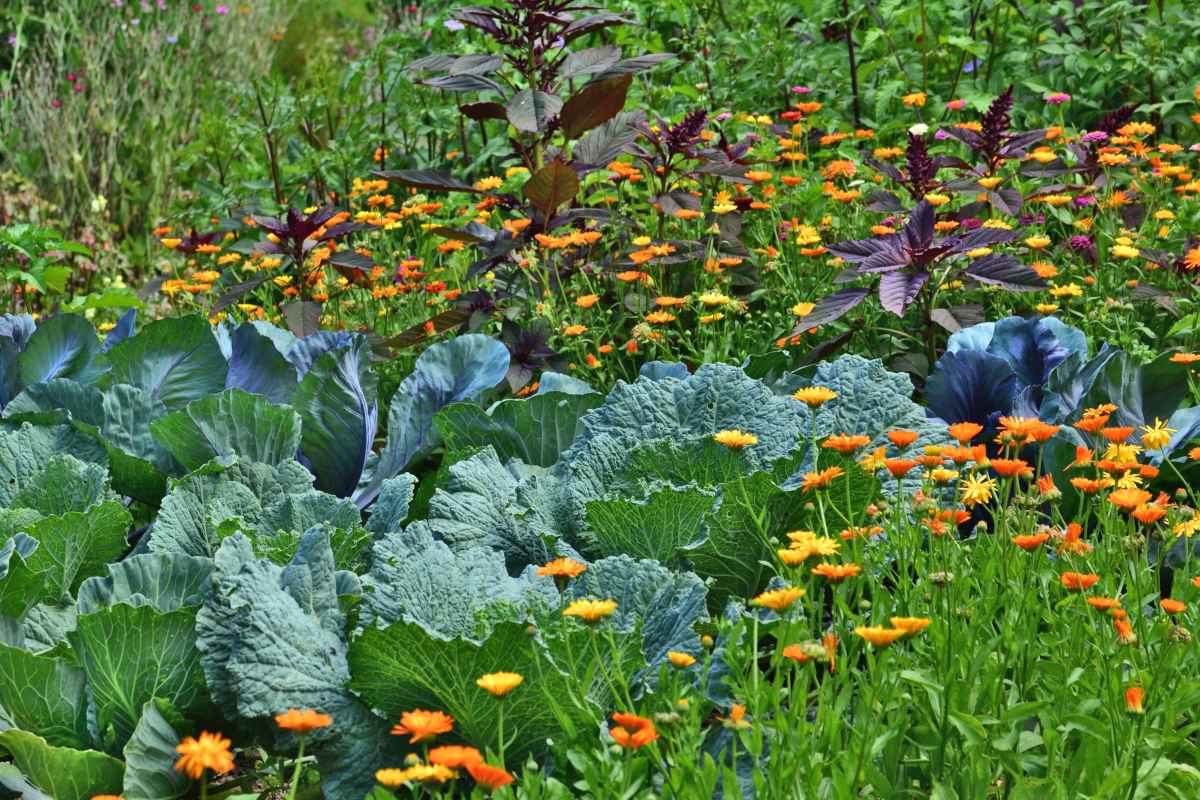
The two plants even shoot up well as neighbours in the garden. This is a useful coincidence when you are harvesting both at once.
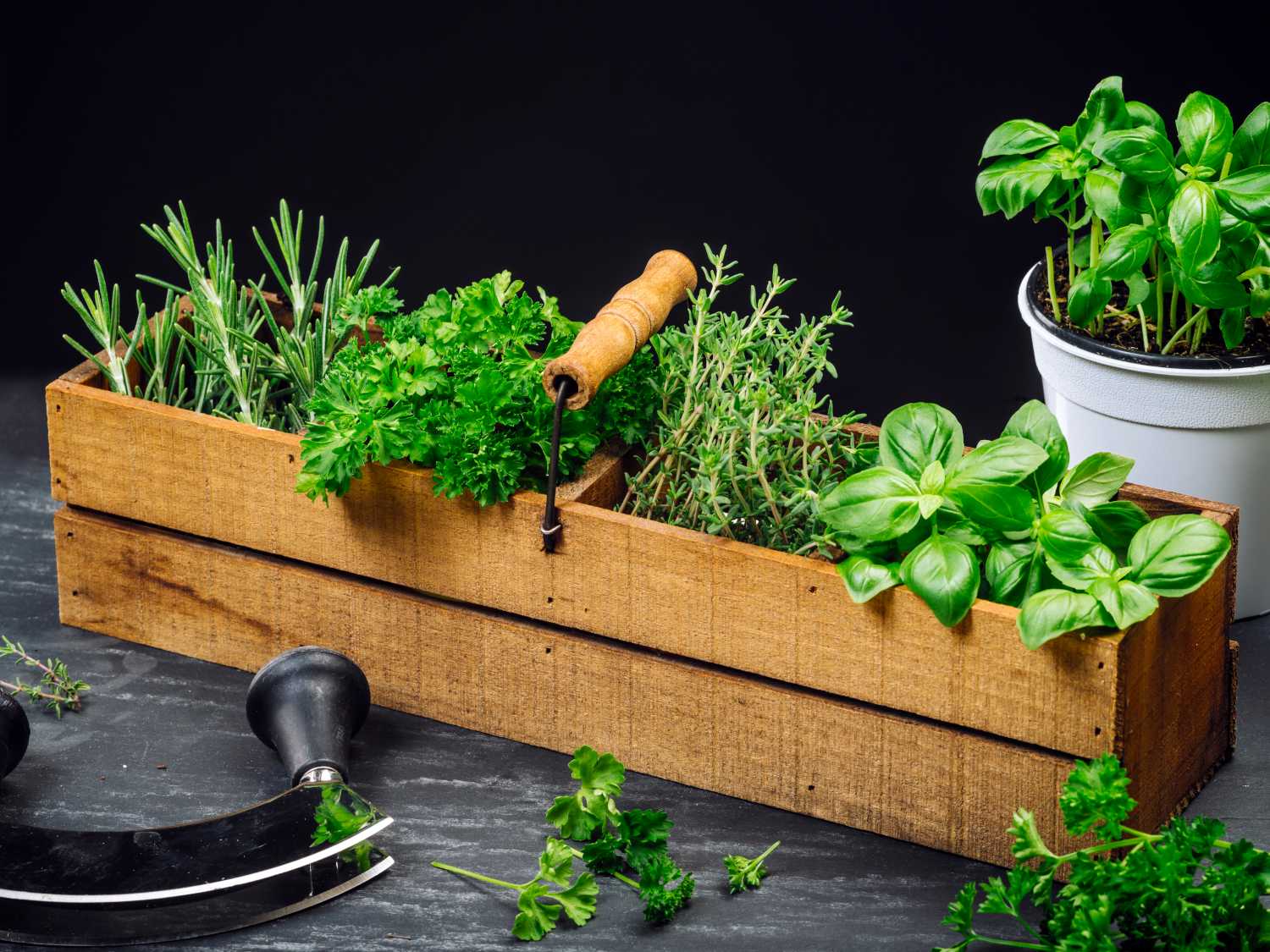
Dill is at its aromatic peak before it bolts, when the feathery fronds are full and the scent is almost sweet. Rub a frond between your fingers, and you will smell something between fennel, parsley, and lemon. That volatile oil content makes this herb bang on for cold dishes. Heat destroys most of it. Cold preserves all of it. So, a chilled gazpacho is one of the most intelligent ways to use fresh dill — and if you want to understand more about capturing herbs before summer heat changes them, the piece on harvesting herbs before summer heat steals their flavour is required reading.
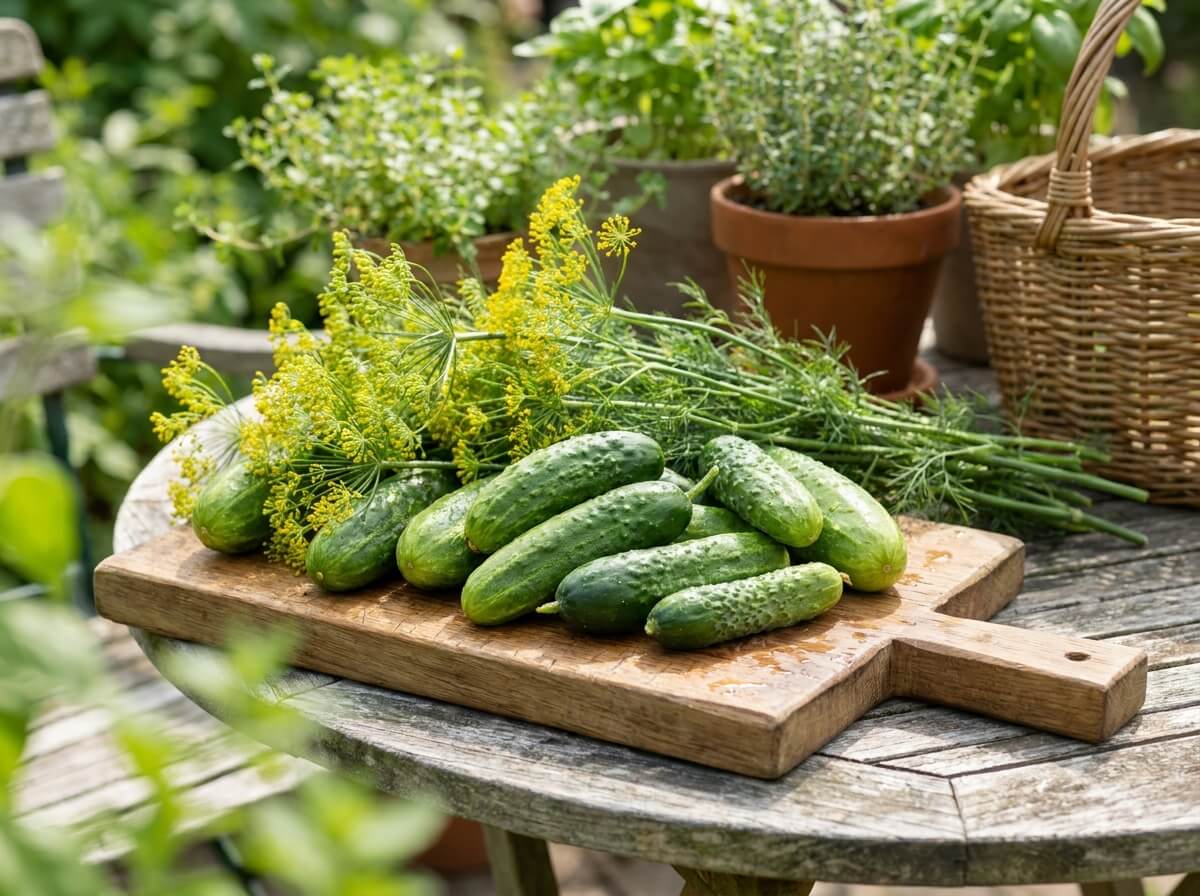
The cucumber varieties that perform best here are the long, thin-skinned types. Think English cucumbers, or the slender Middle Eastern varieties now common in most markets. Ridge cucumbers, the knobbly outdoor types so popular in British kitchen gardens, work perfectly too.
Peel them if the skin is thick and bitter. Leave it on if it is tender — you will get a richer green colour in the finished soup.
This recipe serves 4 as a starter or 2 as a generous light lunch. And all quantities can be doubled if the harvest demands it. In summer, it usually does.
The white wine vinegar is non-negotiable. Skip it, and the soup tastes flat and slightly muddy. Do not even think about omitting it.
Just one tablespoon does wonders for the whole flavour profile, cutting through the cucumber’s wateriness and making the dill pop. The thing is, red wine vinegar is far too assertive here. A dodgy swap.
Lemon juice works as a substitute, but use half the quantity.
Chill everything first. Put your cucumber pieces, water or stock, and the bowl of your blender in the refrigerator for 30 minutes before you start. Cold ingredients produce a colder, smoother result with less air incorporated during blending.
Then follow these steps:
Adding dill at the end, rather than blending it from the start, matters. Extended high-speed blending creates heat from friction. So, you risk flavour degradation.
That heat is enough to oxidise the dill’s chlorophyll, turning the soup khaki rather than green, and simultaneously degrading the flavour compounds. Brief, late blending avoids both issues.
Served in chilled bowls straight from the fridge — or poured over a single ice cube for drama — this gazpacho is complete as it stands. But toppings transform it from simple to memorable. They really elevate the dish.
For a full summer spread, serve this alongside the charred corn and tomato bowl with basil-lime dressing — the warm sweetness of the corn against the cold cucumber gazpacho is genuinely striking. Or follow it with grilled aubergine steaks with tomato-herb salsa verde for a no-oven summer dinner that feels properly considered.
The base recipe is a platform. Cucumber and dill is the classic, but summer gardens offer other directions.
Replace the dill with 15g fresh mint and add the zest of one lime. Sharper, brighter, and slightly tropical.
Works particularly well with the yogurt addition.
Add half a ripe avocado to the blender with the cucumber. The fat from the avocado gives the soup a velvety, almost creamy texture without any dairy.
Swap the dill for fresh basil — about 10 large leaves. The result is richer and more substantial, closer to a chilled green bisque than a classic gazpacho.
In late summer when some tomatoes are still green and firm, add two medium green tomatoes to the blender. They bring acidity and a slight bitterness that works beautifully with the cucumber.
Keep the dill. Increase the vinegar to 1.5 tablespoons.
All three variations follow the same method — blend, chill 2 hours minimum, taste before serving. That last step is critical. Seriously.
Cold dulls flavour, so a gazpacho that tastes slightly overseasoned at room temperature will taste properly balanced from the fridge.
Cucumber gazpacho keeps for 48 hours in the refrigerator, sealed in a jar or covered bowl. After 48 hours the dill flavour begins to ferment slightly and the colour yellows.
Consume it within that window.
Freezing is not recommended. Cucumber is almost entirely water, and freezing then thawing produces a watery, separated liquid that no amount of re-blending will rescue. This method does not work. Skip it.
If you have made a large batch and want to stretch it, add a second round of fresh dill and a small squeeze of lemon juice just before serving the second day’s portion. Both do wonders for brightness that storage slowly erodes.
Smart tip: Always chill your gazpacho for at least 2 hours — cold deepens every flavour in the bowl.
No. Dried dill has lost the volatile oils that make this recipe work — the result will taste dusty and flat.
Fresh is essential here.
The most common cause is the garlic. One small clove is enough; more overwhelms the cucumber.
A bitter cucumber skin can also be the culprit — peel it next time and taste before blending.
A stick (immersion) blender works well directly in a deep jug. A food processor produces a slightly less smooth result but is perfectly acceptable.
A hand whisk will not work — the cucumber will not break down finely enough.
The base recipe is already vegan — simply skip the optional yogurt or swap it for a plant-based alternative such as coconut yogurt. The olive oil already adds sufficient richness.