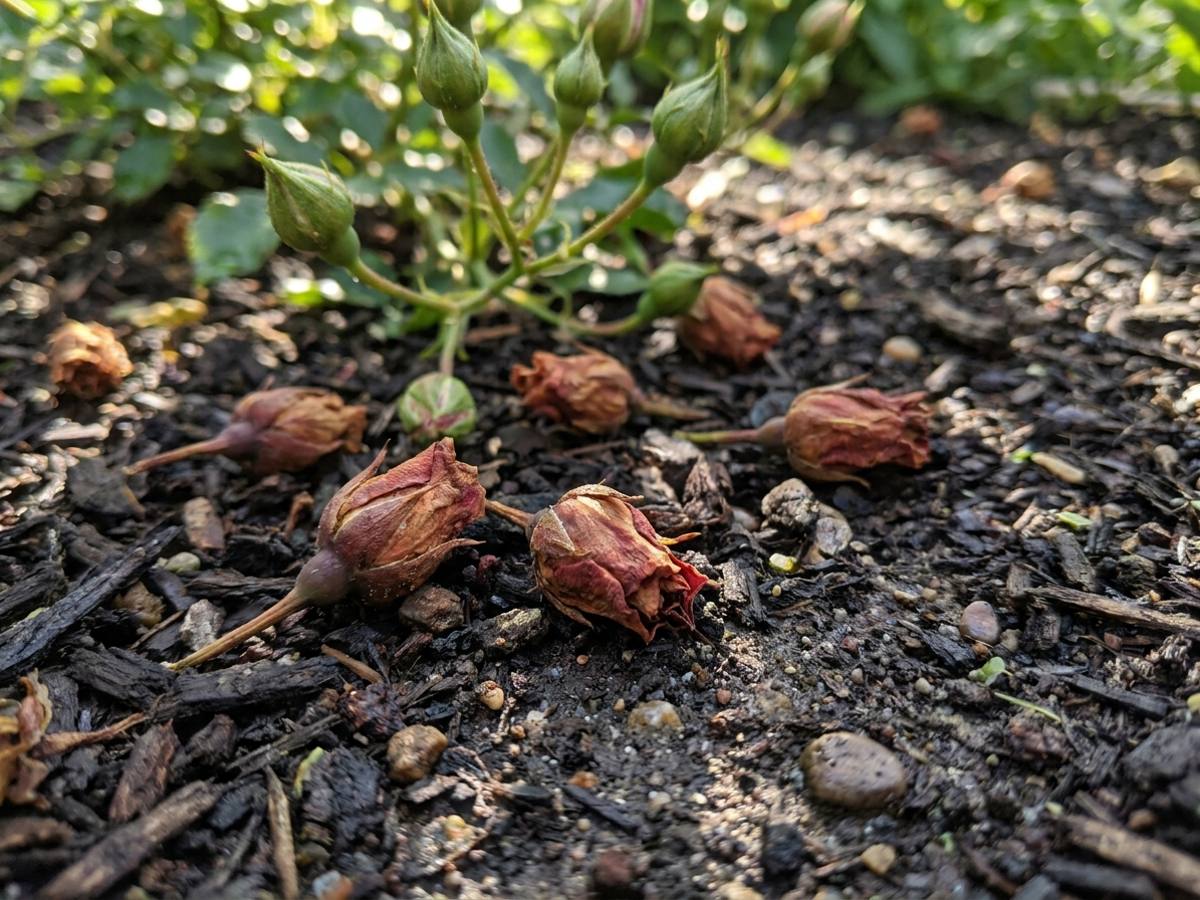
July heat gets the blame for flower buds dropping before they bloom, but most gardeners are looking at the wrong culprit. Erratic watering and sudden temperature swings are the real reason your dahlias, roses, and zinnias are aborting buds right now. Stop the cycle this week with three simple tweaks.
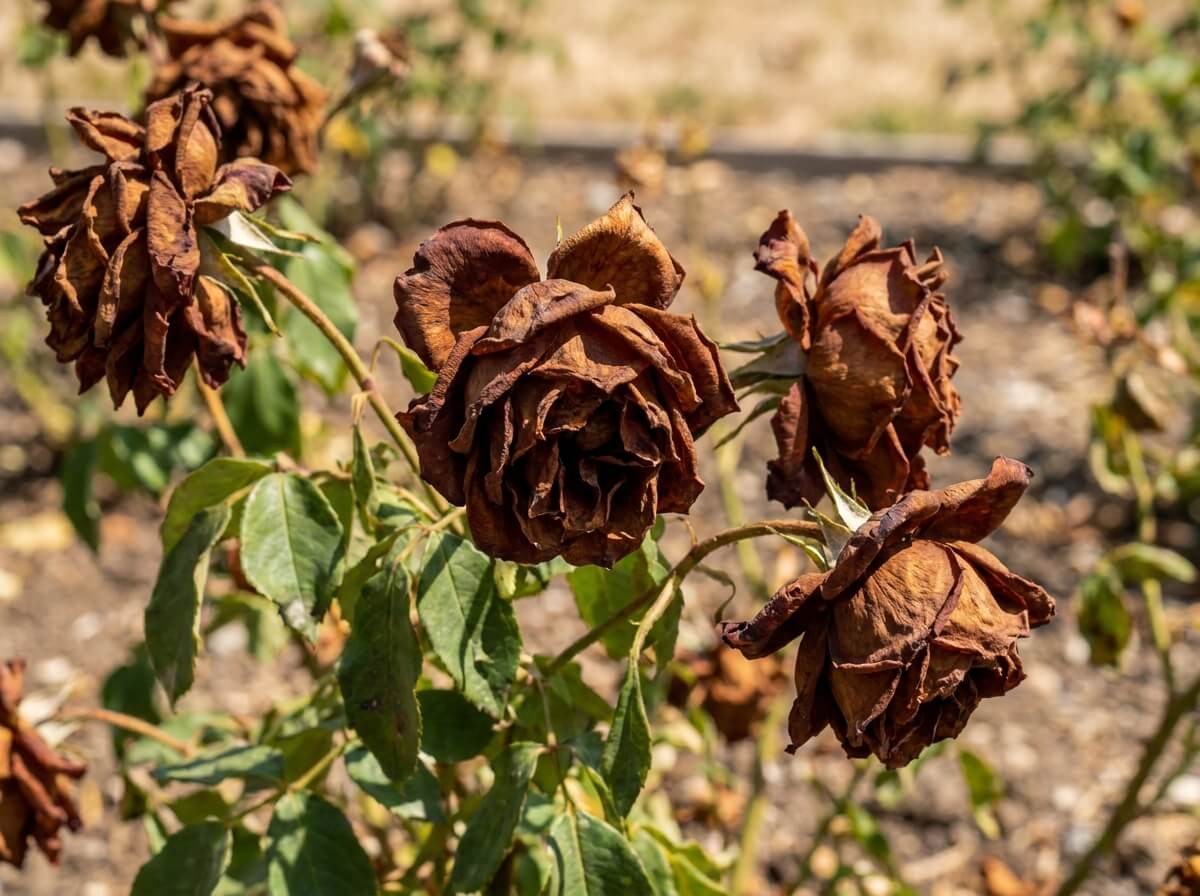
Right now, gardens across the UK and US are at maximum stress. Daytime temperatures soar, soil dries out rapidly, and evening humidity crashes as soon as the sun sets. Flowers that seemed robust in June are suddenly shedding buds faster than you can spot them.
The good news? This is entirely preventable. Heat alone rarely causes bud drop. What does is the shock of inconsistent moisture combined with wild temperature swings between day and night.
Plants invest enormous energy in producing flower buds. Once a bud forms, the plant makes a calculated decision: is the environment stable enough to justify finishing this bloom? If soil moisture plummets between watering, or if the plant experiences a 15-degree temperature swing overnight, it aborts the bud as a survival strategy. The plant essentially thinks, “I can’t guarantee I’ll have enough resources to finish this flower, so I’m cutting my losses.”
This is especially common in container gardens and raised beds, where soil temperature and moisture fluctuate far more dramatically than in established borders. A potted rose in afternoon sun can experience soil temperature swings of 20 degrees or more in a single day.
Not every planting suffers equally: the more sharply soil moisture and soil temperature swing, the more buds a plant will abort. Use this table to work out how exposed your own flowers are.
| Situation | Why buds drop | Peak risk | What helps most |
|---|---|---|---|
| Containers and pots | Moisture and soil temperature fluctuate far more than in borders | Midsummer | Shade or dappled light in the hottest afternoon hours |
| Potted rose in afternoon sun | Soil temperature swings of 20 degrees or more in a single day | Midsummer | A 30 per cent shade cloth, which can drop soil temperature by up to 10 degrees |
| Raised beds | Soil warms and dries faster than in established borders | Midsummer | 5-7 cm of organic mulch to buffer temperature and hold moisture |
| Ground-planted shrubs in borders | Fluctuations are gentler, so fewer buds are aborted | Lower risk through midsummer | Deep, consistent watering of 1-1.5 inches per week |
| Anything in full sun without mulch | No buffer against moisture loss or heat build-up | Midsummer to late summer | Mulch, then water deeply in early morning |
Relief usually comes as nights cool towards late summer, when plants judge it safe to finish their blooms again.
Start these actions now to stop bud abortion and encourage blooms to develop fully:
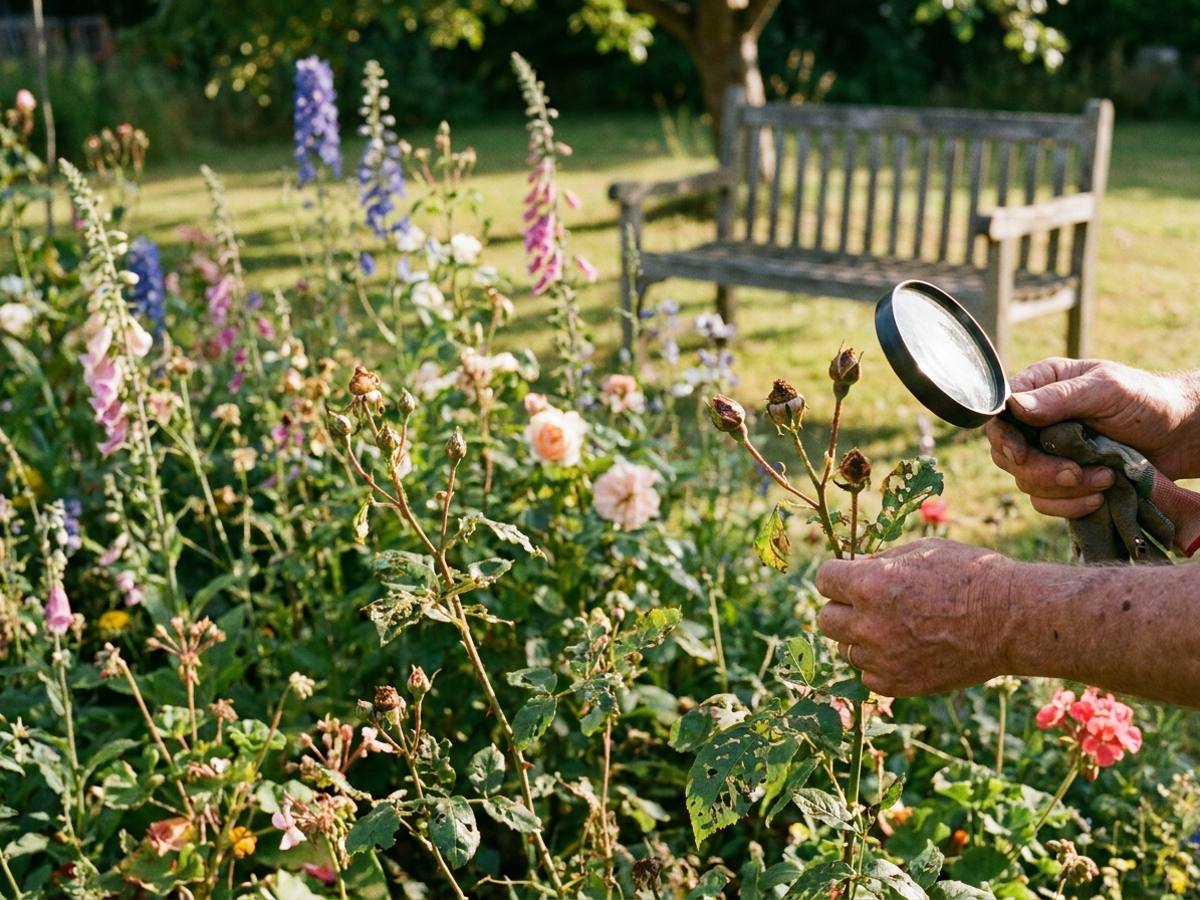
The next four weeks will reveal whether your plants are stabilising. Watch for new buds forming on roses and dahlias, and count how many actually mature into flowers. If bud drop continues despite consistent watering, suspect pest damage or disease rather than environmental stress, and inspect the buds more closely.
August often brings relief as night-time temperatures cool slightly, signalling to plants that it’s safe to invest in blooms again. You’re nearly there.