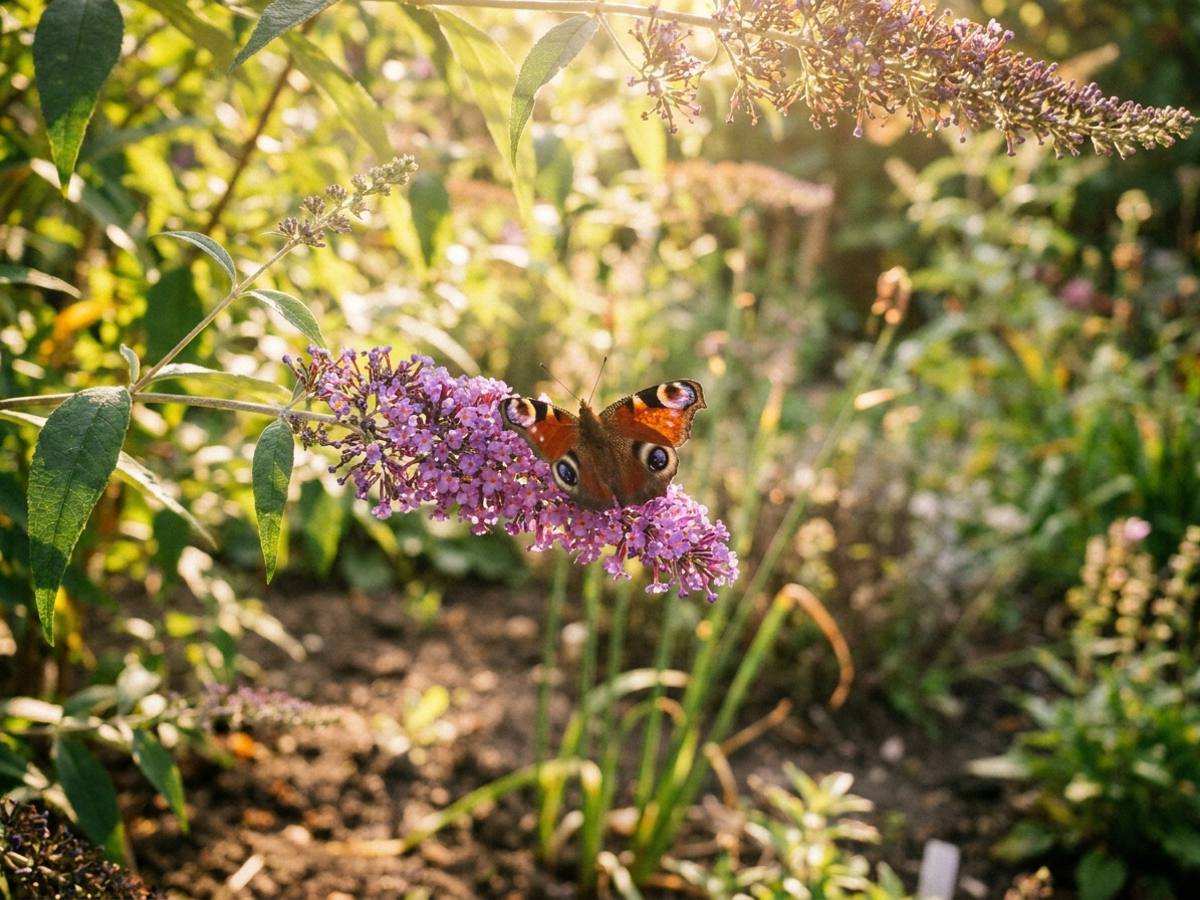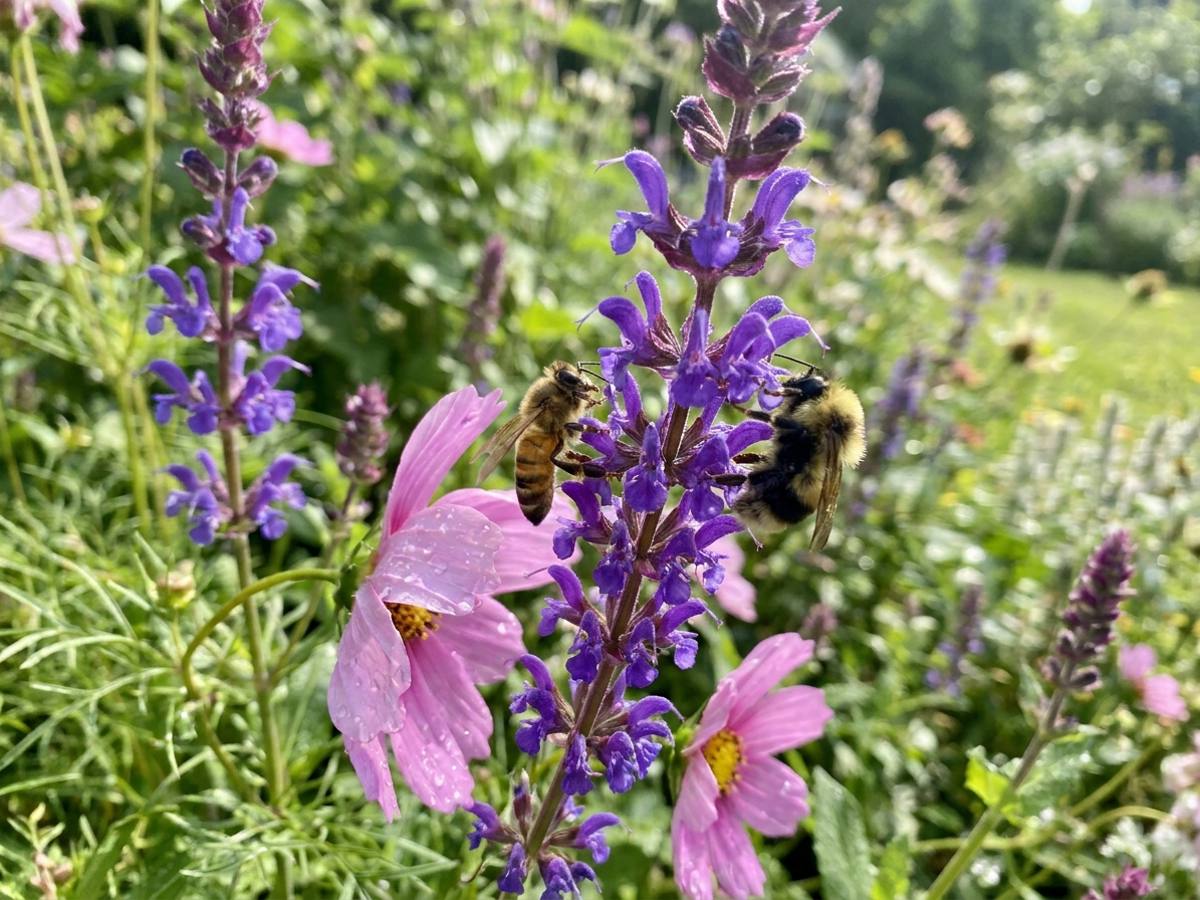
July is peak pollinator season. Across gardens in the UK and US, bees, hoverflies, and butterflies are swarming flowering plants in record numbers – a phenomenon driven by peak plant blooms and sustained heat. Understanding why this surge happens now, and how to capitalise on it, could transform your garden’s productivity and ecological impact for the rest of the growing season.
Right now, gardens are at their most abundant. Whilst late spring saw early perennials and shrubs flowering, July is when the full orchestra plays. Lavender, salvias, echinaceas, and summer-flowering shrubs reach their peak, creating a reliable food source that draws pollinators from across the neighbourhood. High temperatures also accelerate insect metabolism, meaning they need to forage more intensively and move between flowers with greater urgency.
Not all July gardens attract the same diversity or abundance of pollinators. Garden structure, planting density, and flower colour composition all influence who visits and when. Research from the Xerces Society in the US shows that gardens with clustered plantings of single-colour flowers attract 40% more insect visits than scattered ornamentals, simply because pollinators use colour cues to identify feeding routes more efficiently.
The challenge many gardeners face in July is that early-summer borders thin out just as conditions peak. If you planted spring bulbs and early perennials without mid and late-summer bloomers, your July garden may be a pollinator desert surrounded by lush vegetation. Meanwhile, gardens with repeating drifts of long-flowering perennials become insect magnets.
The plants named in this article do three different jobs: they hold the peak, they stretch it, and they fill the gaps. This table sets them side by side so you can see what your own borders are missing.
| Plants | Role for pollinators | Peak flowering |
|---|---|---|
| Lavender, salvias, echinaceas and summer-flowering shrubs | The reliable food source that draws insects in from across the neighbourhood | Midsummer |
| Coreopsis and cosmos | Repeat-bloomers; deadheading keeps food resources constant as natural abundance declines | Midsummer, extended into late summer and early autumn by deadheading |
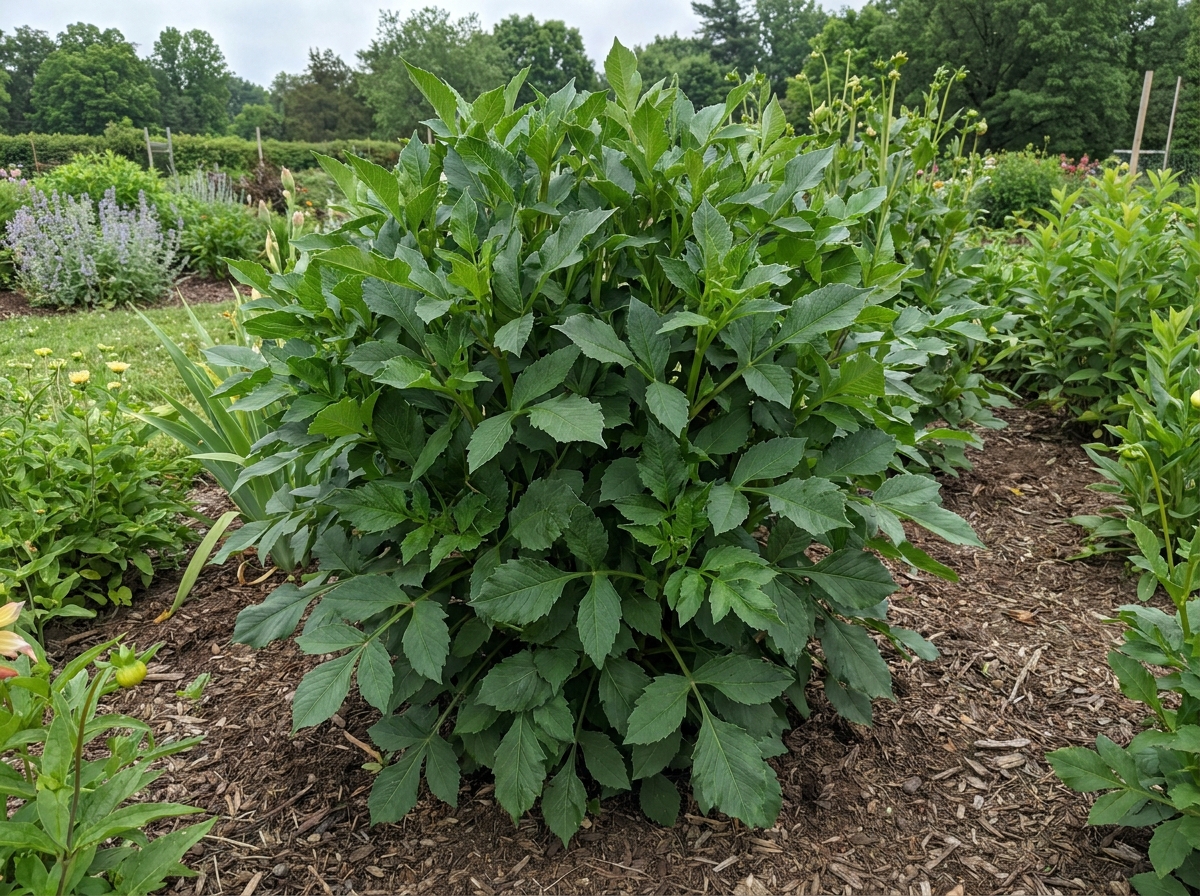
| Dahlias, zinnias and annual salvias | Late-season fillers for gaps; they establish quickly and flower prolifically | Late summer into early autumn |
| Wild grasses and self-seeded plants in an unmown patch | Crucial pollen at the moment cultivated borders run sparse | Midsummer |
Gardens with repeating drifts of long-flowering perennials become insect magnets; gardens without them go quiet just as conditions peak.
There are four concrete actions you can take right now to support the surge:
By mid-August, natural pollinator numbers begin to drop as plants set seed and heat stress peaks. Keep notes on which flowers still attract visitors in your garden during this period, then prioritise those species for next year’s planting plan. The gardens performing best through September are those that use July’s abundance to inform autumn structure.