Mid-July butterfly numbers are dropping in gardens across the UK and US, leaving gardeners wondering if they’ve done something wrong. But this dip is more nuanced than simple seasonal change. We reveal what’s really happening in your borders right now, and how to tell the difference between normal behaviour and a genuine warning sign for autumn populations.
From mid-July onwards, gardeners report a noticeable lull in butterfly visitors, even when summer bedding is in full bloom. This isn’t coincidence. Many butterfly species that peak in early July, particularly the Common Blue and Marbled White, are entering a transition phase as they prepare for breeding and late-season activity. In the US, Monarchs are beginning their northward migration, leaving many southern gardens temporarily quieter.
The species causing the gap differ either side of the Atlantic. This table sets out who is doing what as midsummer arrives, so you can match what you see to the pattern for your region.
| Species | Where you notice it | What is happening |
|---|---|---|
| Common Blue | UK gardens and grassy margins | Peak generation moves into a transition phase, preparing to breed |
| Marbled White | UK gardens and grassy margins | Same transition phase after an early peak, with adults tailing off |
| Monarch | Southern US gardens | Adults move northward on migration, leaving gardens temporarily quieter |
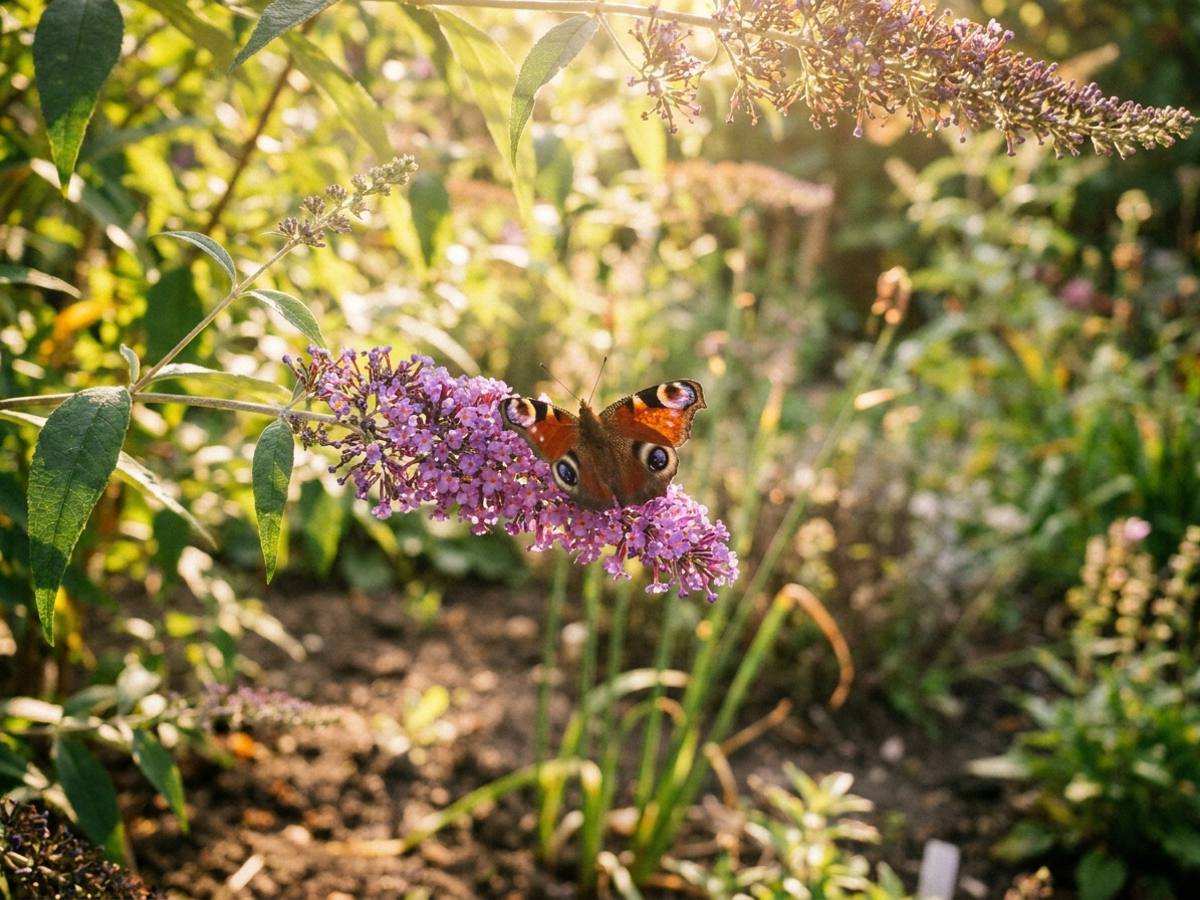
| Peacock | UK gardens | A resident species whose numbers thin out during the dip |
Once you know which of these you normally host, a quiet border becomes far easier to read.
This mid-summer decline happens for several overlapping reasons. First-generation butterflies are reaching the end of their lifecycle, whilst their caterpillars are developing in secluded spots rather than visible on plants. Second, many nectar sources – particularly early-flowering perennials – are past their peak. The combination creates a genuine supply-and-demand gap that can feel alarming if you’re not expecting it.
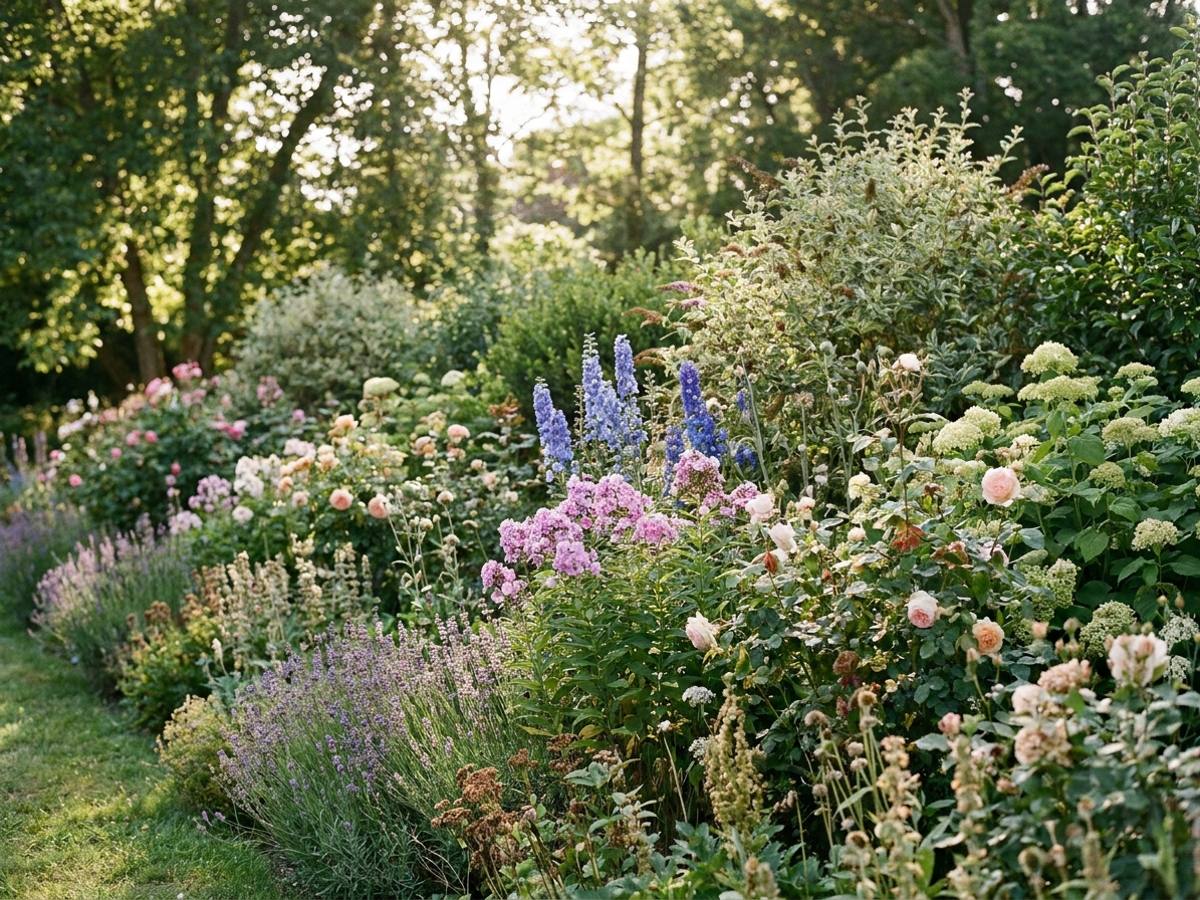
However, habitat loss has intensified this natural dip. Gardeners who’ve removed “untidy” seedheads, mown wildflower margins, or replaced cottage-garden plants with ornamentals are seeing sharper declines than those maintaining continuous flowering and shelter. The distinction matters: a temporary July lull is normal; a collapse in July numbers combined with weak spring and early-summer visits suggests deeper problems.
Take action now to bridge the gap and strengthen populations heading into late summer:
Monitor your garden closely from early August onwards. If butterfly numbers recover as late bloomers flower, you’ve weathered a normal cycle. If they remain weak through August and September despite abundant flowers, something is limiting populations at a deeper level, whether pest pressure, disease, or chronic habitat fragmentation. Document your sightings on garden wildlife apps – your observations help scientists track regional population trends.