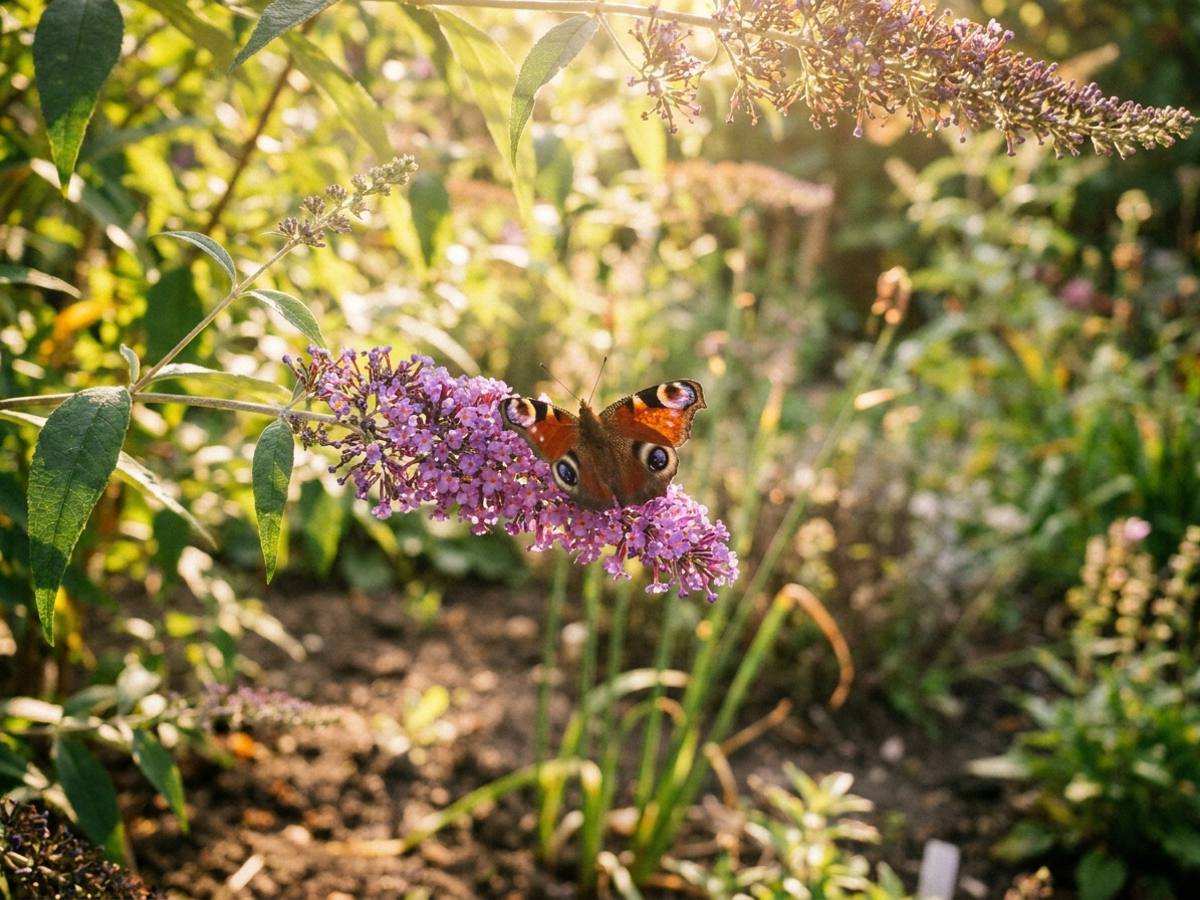
August brings wasp season to its peak, and whilst most gardeners instinctively swat them away, these striped hunters are quietly devouring the very pests destroying your vegetables and flowers. Understanding which garden problems wasps are already solving for you could transform how you approach pest control this month and beyond.
Why August is peak wasp season in your garden
Late summer marks the height of wasp activity across both the UK and US, when colonies are at their largest and foraging intensifies. In late summer, as temperatures remain warm and pest populations explode, your garden is a battleground where wasps are actively hunting aphids, caterpillars, and flies by the thousands. This surge isn’t random, it’s ecological timing at its most efficient.
The hidden pest control already happening in your beds
Wasps are among nature’s most effective natural predators. A single wasp colony can consume kilograms of insects over a season, targeting many of the same pests that gardeners spend money controlling with sprays and treatments. Whilst you’re worrying about the wasp hovering near your compost bin, it’s likely already caught and killed three aphids that would have colonised your roses.
The key insight is recognising what they’re hunting. Paper wasps focus on caterpillars, solitary wasps target beetles and grubs, and common wasps hunt flies and soft-bodied insects. If you observe wasps repeatedly visiting the same plant, that plant is usually under serious pest pressure, and the wasps are your free workforce. Understanding this relationship shifts perspective entirely.
What to do in August to support beneficial wasps
These four actions will help wasps thrive whilst protecting yourself:
Provide water sources by placing shallow dishes with pebbles near borders, as wasps become more aggressive when dehydrated in hot August weather
Stop spraying insecticides indiscriminately, since this kills both pests and wasps, breaking the natural control cycle
Plant pollen-rich flowers such as fennel, marjoram, and borage, which wasps visit for energy between hunting sessions
Keep distance from nests rather than destroying them, unless they pose genuine risk, and wear neutral colours if working nearby to avoid triggering defensive behaviour
What to watch for as summer extends
Over the next four weeks, monitor whether wasp activity correlates with declining pest numbers on your most vulnerable plants. If caterpillar damage slows or aphid colonies shrink, you’ll have concrete evidence that wasps are working. As autumn approaches and wasp colonies begin to collapse naturally, you’ll notice a resurgence in pest problems, a pattern that reinforces just how much these insects have been doing for you all summer.