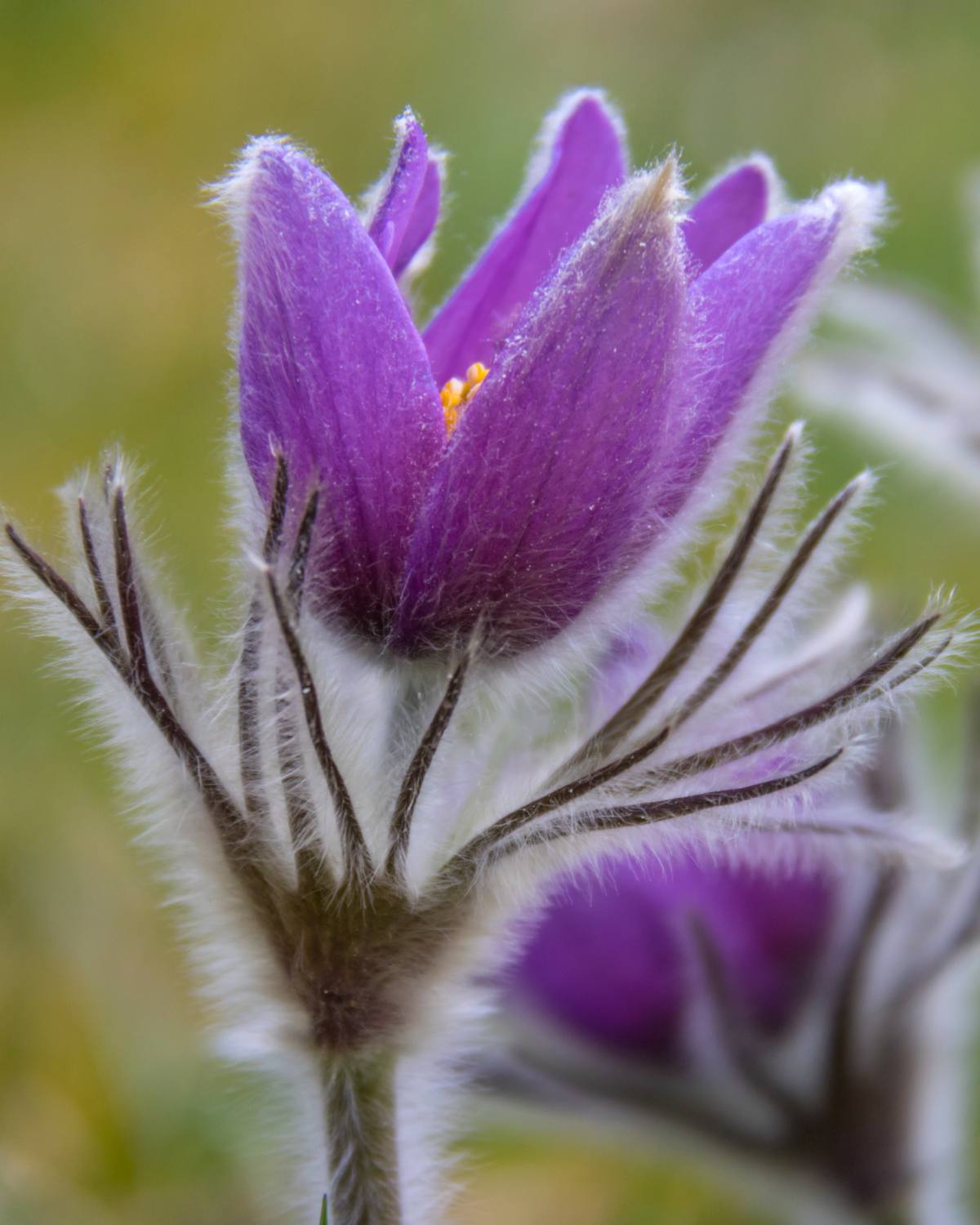
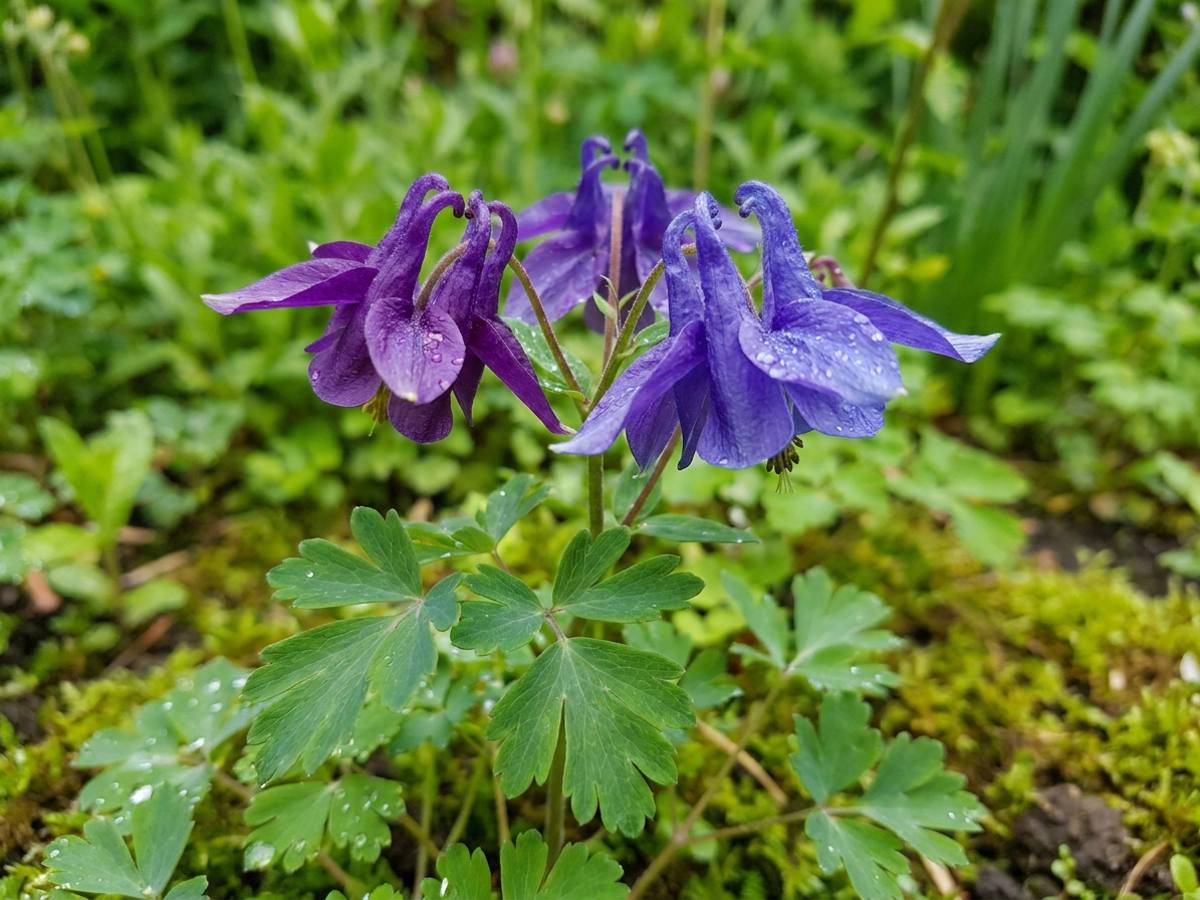
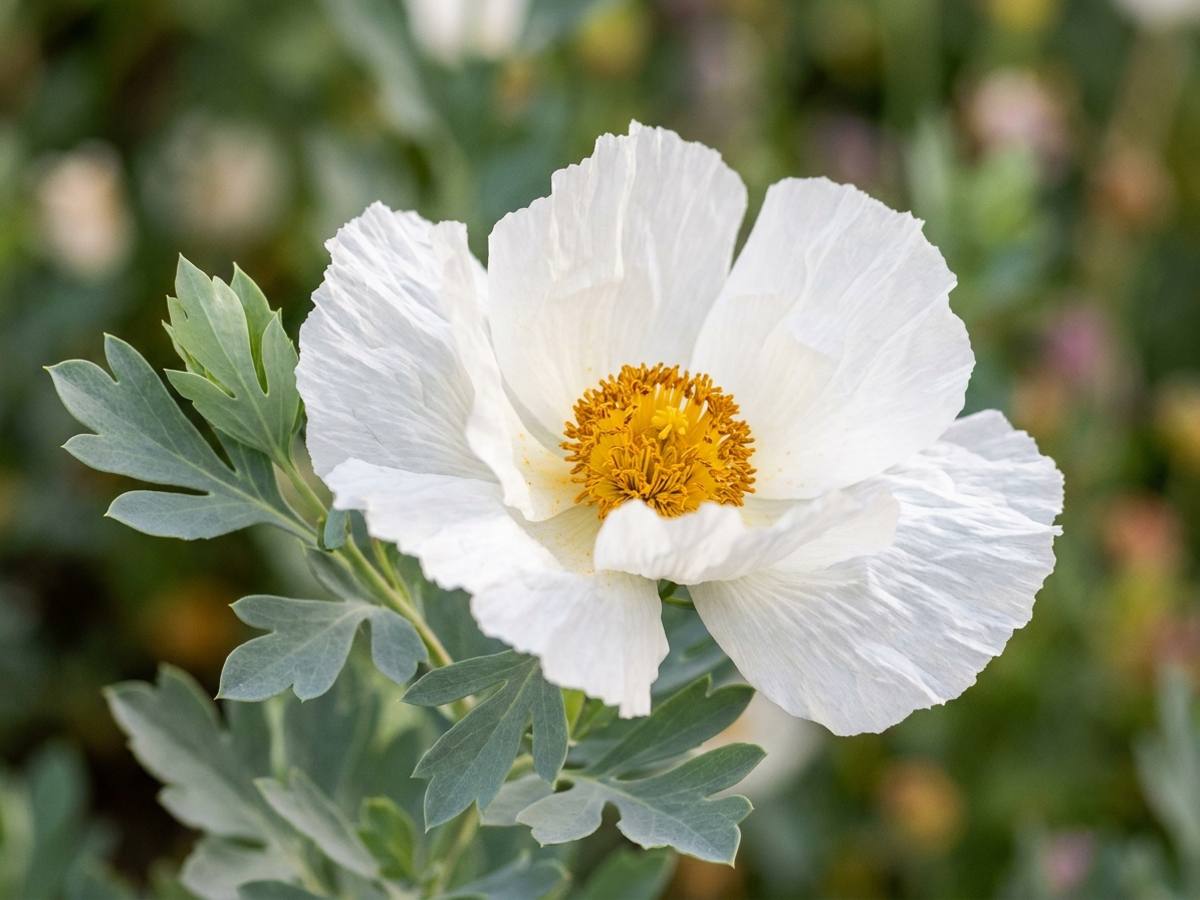
Violet petals set off straw-yellow stamens on a low, silky clump, and after flowering each bloom turns into a wild hairy seedhead. The pasqueflower (Pulsatilla vulgaris) is among the first multi-coloured flowers of spring, lovely too in bouquets; give it full sun and ordinary well-drained soil and it returns year after year.
Pasqueflower at a glance
Name
Pulsatilla vulgaris
Family
Ranunculaceae
Type
perennial
Height
8 to 12 inches (20 to 30 cm)
Exposure
full sun
Soil
ordinary, well drained
Flowering
spring
Planting pasqueflower
Planting in winter or at the beginning of spring, and especially as long as it doesn’t freeze.
Dig a hole 2 to 3 inches (6 to 8 cm) deep.
Place the bulb-like roots at the bottom of the hole, spacing each one 4 to 6 inches (10 to 15 cm) from the next.
Backfill with the soil that you’ve removed, preferably blending it with a bit of planting soil mix.
Water abundantly after that.
Pasqueflowers to look out for
The wild species carries violet flowers over straw-yellow stamens, but garden forms run from pure white to deep red. All ask for the same full sun and well-drained soil.
Pasqueflowers to look out for
Variety
Flower colour
‘Alba’
Pure white, yellow stamens
‘Rote Glocke’ (Red Bells)
Bright ruby-red
‘Rubra’
Deep wine-red
‘Papageno’
Mixed: white, pink, red, violet
Comments on the pasqueflower
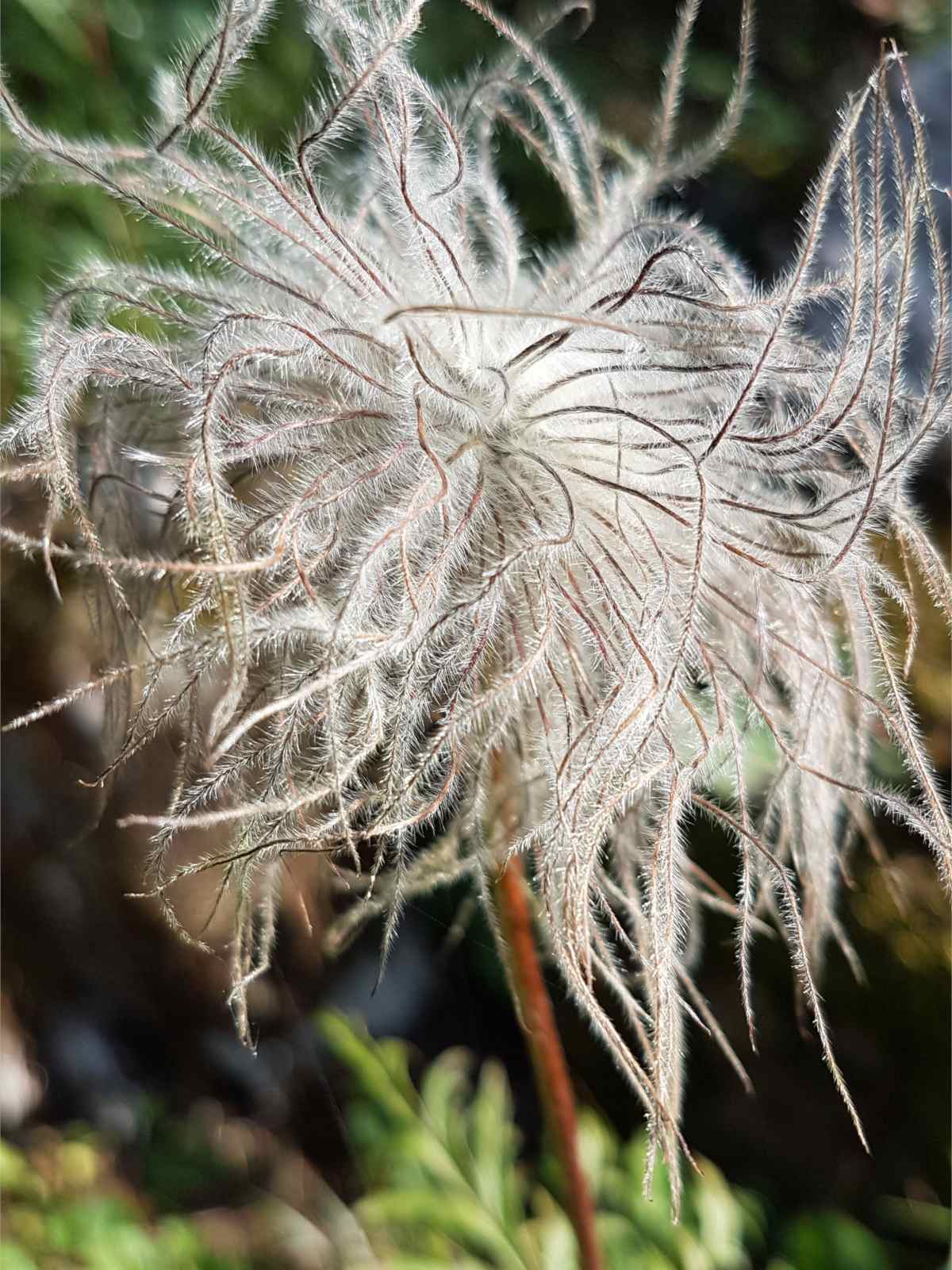
After flowering, a wild hairy seedhead takes over
Pasqueflower is extremely hardy. Their violet flowers highlight the straw-yellow stamens. The fuzzy hairs protect it from the harshest cold.
These delicious flowers can reappear year after year for several cycles.
They often are the first multi-colored flowers of spring. At the end of spring, a wild hairy seedhead develops, similar to that of clematis. When ripe, seeds detach and float away with the wind.
Learn more about Pasqueflower
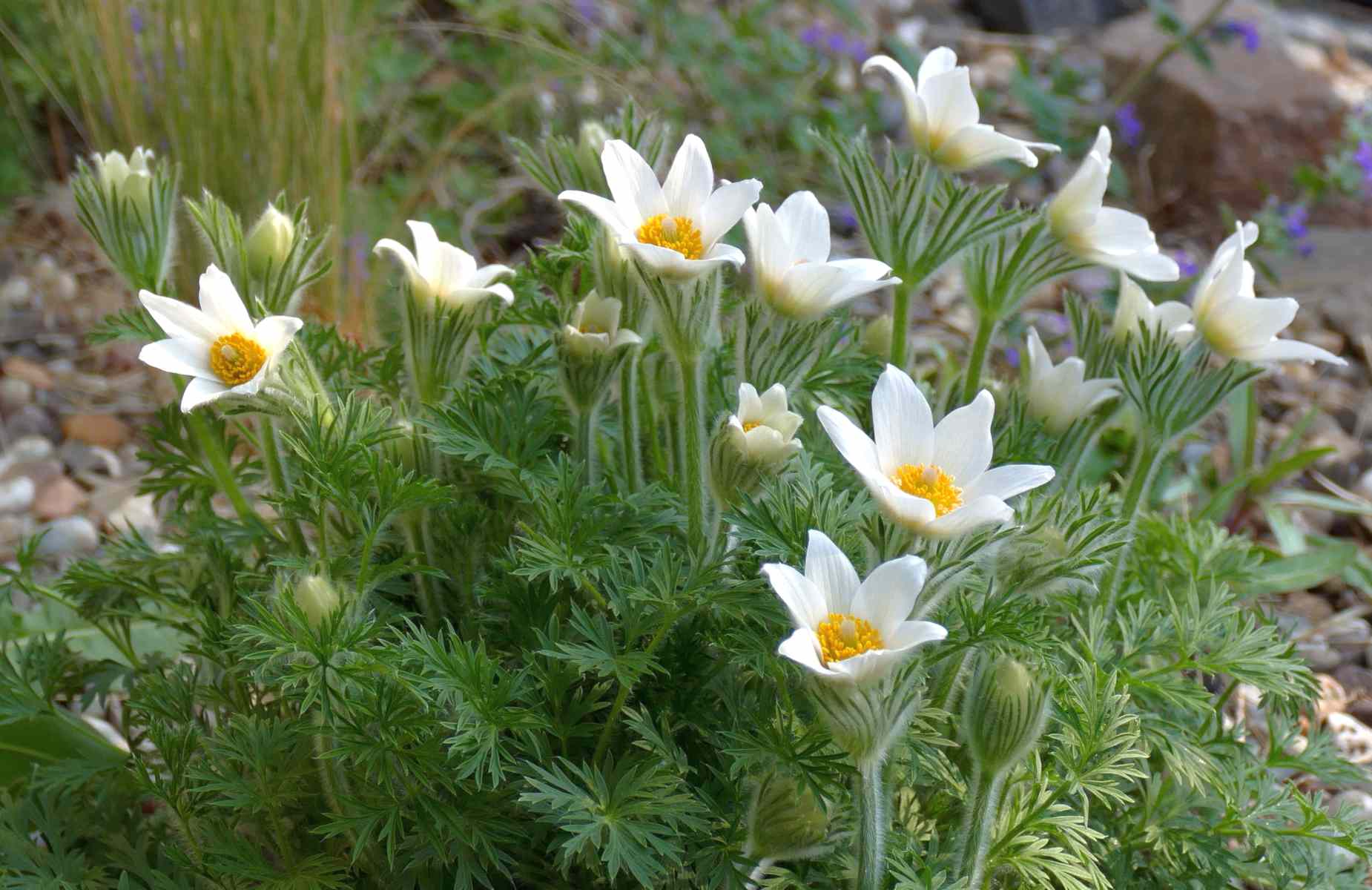
Some pasqueflowers flower pure white instead of violet
The name “Pasqueflower” comes from old French, “la Fleur de Pâques”.
This means “Easter flower“, because its blooming often appears as Christians start preparing for their Easter celebrations. Sometimes this flower is also called “Anemone“.
Some species and varieties of pasqueflower are white. This makes them very beautiful!
Smart tip about pasqueflower
As beautiful in the ground as they are indoors, you can cut them to prepare magnificent flower bouquets!
Image credits (edits Gaspard Lorthiois):
CC BY-SA 2.0: Susanne Nilsson
Written by Gaspard Lorthiois | Loves helping out, especially when it comes to growing things. Worked in herbal medicine, runs a farm, and dabbles in tech. Master's degree and engineer.